
Sofa Storage Cover Calculator
Find Your Perfect Sofa Cover
Choose your storage conditions and sofa type to get personalized recommendations
Recommendations
If you’re storing a sofa-whether it’s seasonal, during a move, or just clearing space-you’re not just putting it away. You’re protecting an investment. A well-covered sofa can last years longer than one left exposed to dust, moisture, or pests. The wrong cover? It can trap moisture, cause mildew, or even attract bugs. Here’s how to do it right.
Why Covering a Sofa Matters
People think a sofa is just fabric and foam. It’s not. The frame is wood or metal, the springs are steel, and the upholstery is often cotton, linen, or synthetic blends. These materials don’t like dampness, sunlight, or dirt. Even in a dry garage, humidity rises at night. Dust settles into seams. Mice chew through fabric. A cheap plastic sheet might keep dust off, but it traps sweat from the air, turning your sofa into a mold farm.
Real storage covers aren’t just about looks. They’re breathable, durable, and designed to let air move while keeping moisture out. You wouldn’t wrap a winter coat in a trash bag. Don’t do it to your sofa.
What You Need Before You Start
Grab these before you begin:
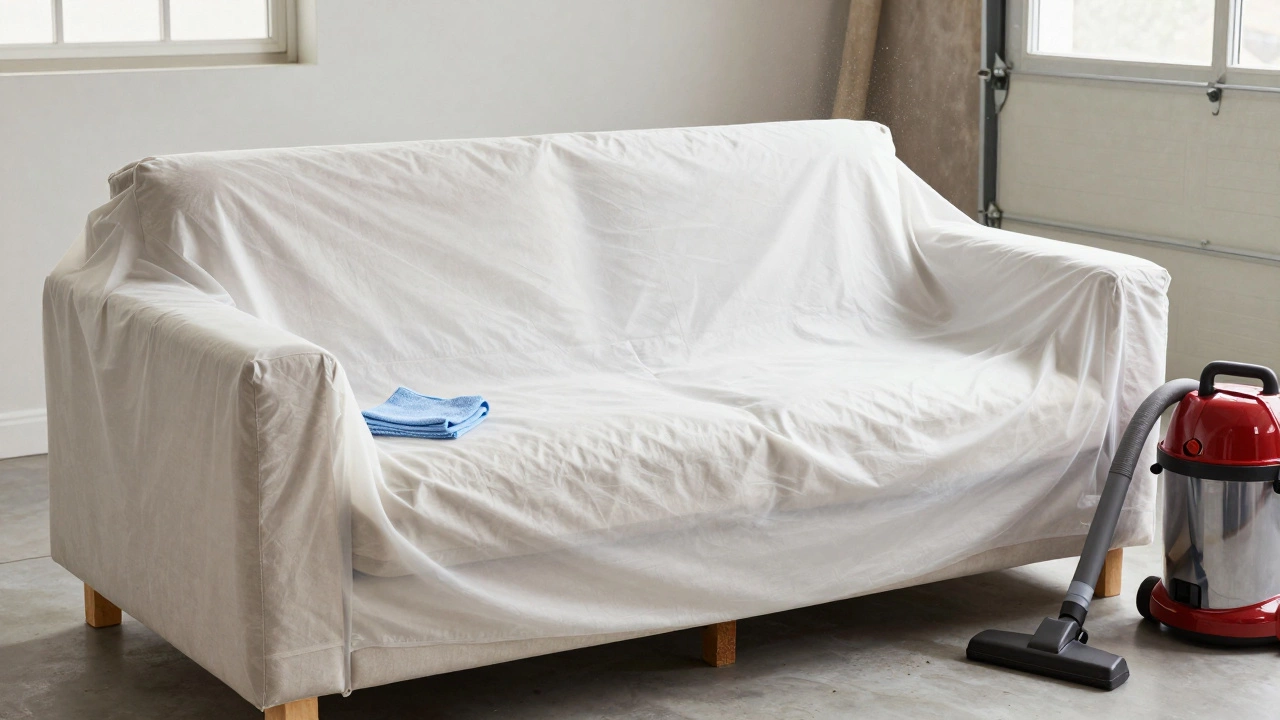
- Heavy-duty cotton or non-woven fabric sofa cover (look for 100% cotton or polypropylene with a breathable membrane)
- Roll of packing tape (not duct tape-it leaves residue)
- Microfiber cloths
- Vacuum with upholstery attachment
- Stain repellent spray (optional but recommended)
- Zip ties or rope (for securing covers in drafty spaces)
Don’t use plastic wrap, garbage bags, or old bedsheets. Plastic doesn’t breathe. Bedsheets tear easily and offer zero protection. You need a cover made for furniture storage-like those sold by U-Haul, The Container Store, or even Amazon Basics’ heavy-duty cotton covers.
Step 1: Clean the Sofa Thoroughly
You’re not covering dirt. You’re covering clean fabric. If there’s crumbs, pet hair, or spills, they’ll bake into the material over weeks or months. Use your vacuum with the upholstery tool to go over every inch-under cushions, along seams, even the legs. Pay special attention to crevices where dust hides.
For stains, spot-clean with a mix of one tablespoon of mild dish soap and two cups of warm water. Dab, don’t scrub. Blot dry with a clean towel. Let it air out for at least 24 hours before covering. Moisture trapped under fabric = mold.
Step 2: Apply a Fabric Protector (Optional but Smart)
If your sofa is fabric-especially light-colored or made of cotton or linen-spray it with a fabric protector like Scotchgard or 303 Fabric Guard. These create a microscopic shield that repels spills and dust. Don’t spray leather or vinyl. Those need different care. Wait for the protector to dry completely. This step adds months to your sofa’s life in storage.
Step 3: Choose the Right Cover
Not all covers are equal. Here’s what to look for:
| Material | Breathability | Moisture Protection | Best For |
|---|---|---|---|
| Cotton (non-woven) | High | Good | Indoor storage, basements |
| Polypropylene (spunbond) | Medium | Excellent | Garages, sheds |
| Plastic (polyethylene) | None | Excellent | Short-term, dry spaces only |
| Canvas | Medium | Good | Heavy-duty use, outdoor storage |
For most people in the UK, cotton or polypropylene covers are the sweet spot. They let air flow, block dust, and won’t trap condensation. Avoid vinyl or PVC unless you’re storing in a climate-controlled unit.
Step 4: Cover It Properly
Start by laying the cover flat on the floor. Place the sofa on top, right side up. Pull the cover over the back, then the arms, then the seat. Smooth it out as you go-no wrinkles. Wrinkles trap moisture.
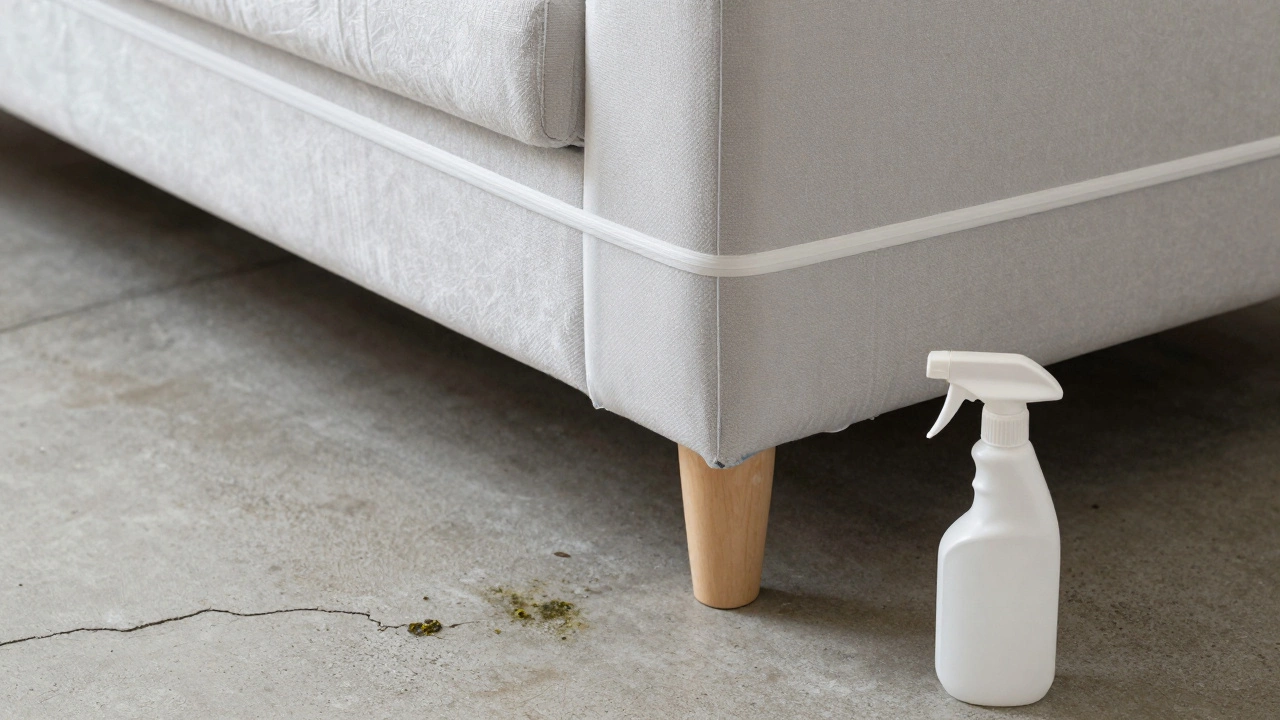
Use packing tape to seal the bottom edge to the sofa legs or frame. Don’t tape over the fabric itself-tape only where it meets the wood or metal. This keeps the cover snug without stressing the material. If you’re storing in a drafty space, tie zip ties around the legs to hold the cover tight.
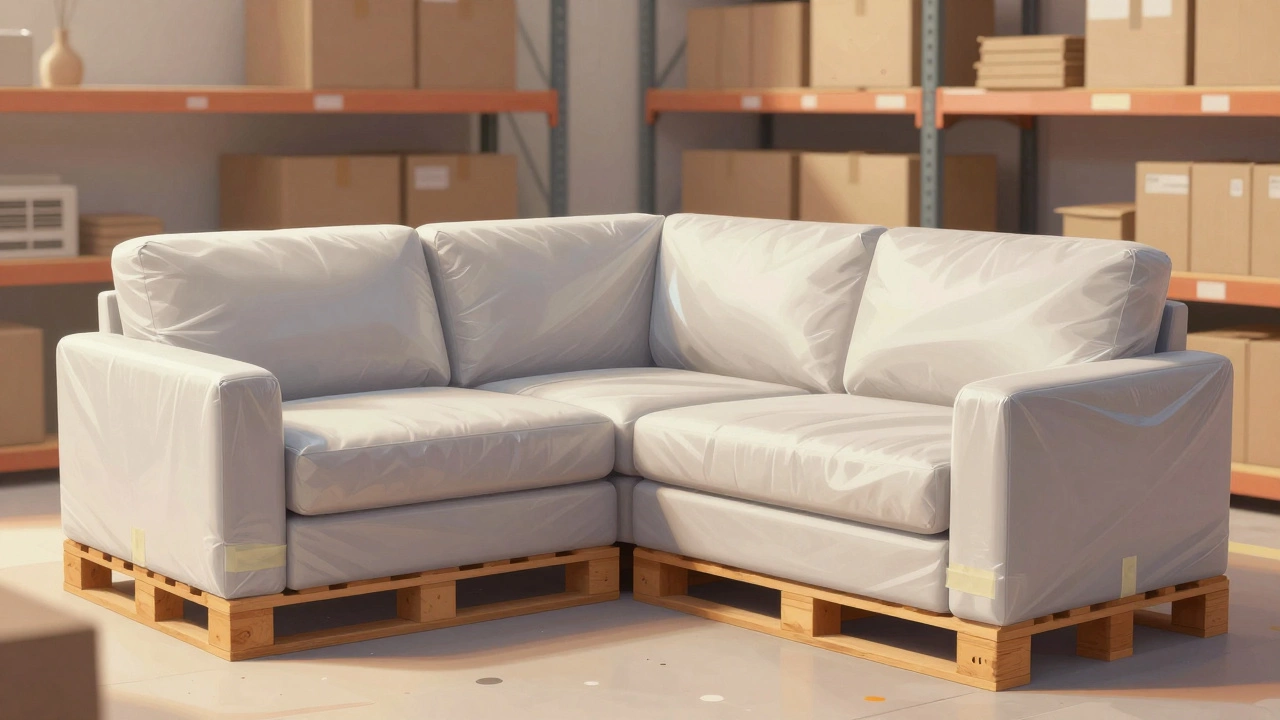
For sectional sofas, cover each piece separately. Don’t try to wrap the whole thing. It’s too bulky, and you’ll create pressure points that can warp the frame.
Step 5: Store It Right
Where you store it matters more than the cover. Never put a sofa directly on concrete. Use wooden pallets or furniture risers. Concrete pulls moisture up like a sponge. Elevate it at least 4 inches.
Avoid attics. They get too hot in summer and too cold in winter. Basements are risky unless they’re dry. The best spots are climate-controlled storage units or dry, ventilated rooms in your house. If you’re using a garage, keep it away from windows and doors where temperature swings happen.
Leave space around the sofa. Don’t stack boxes on top of it. Don’t press it against walls. Air needs to circulate. If you can’t fit your hand between the sofa and the wall, move it.
How Long Can You Store a Sofa?
With proper covering and storage, most sofas last 6 to 12 months without damage. Beyond that, check it every 3 months. Lift the cover slightly to let air in. Vacuum any dust that’s settled. Reapply fabric protector if needed. If you notice any smell-musty, sour, or damp-take it out immediately. Mold grows fast in hidden corners.
What to Avoid
- Using plastic wrap or trash bags
- Storing on carpet or concrete
- Leaving cushions inside the cover-remove them and store separately
- Using rubber bands or elastic straps-they degrade and leave marks
- Storing near heaters, pipes, or windows
One common mistake: people think “it’s just a sofa.” But a good sofa costs hundreds, sometimes thousands. A $20 cover is cheaper than reupholstering. Don’t risk it.
What If You Don’t Have a Cover?
If you’re stuck and can’t buy one right away, use a clean, thick cotton sheet. Double-layer it. Wrap it tightly, then tie the corners with rope. Place it on pallets. Keep it in the driest room you have. This is a temporary fix-no more than 4 weeks. Buy a proper cover as soon as you can.
When to Replace Your Sofa Instead of Storing It
Some sofas aren’t worth saving. If the frame is cracked, the springs are squeaking, or the fabric is worn thin, storage won’t fix it. Ask yourself: would you buy this again? If the answer’s no, donate it or recycle it. Many cities in the UK offer furniture recycling programs. Birmingham City Council takes old sofas for free disposal at their recycling centres.
Storing a sofa is about care, not just convenience. Do it right, and you’ll have a sofa that looks like new when you bring it back. Do it wrong, and you’ll be buying a new one sooner than you planned.
Write a comment