
Find the Perfect Sofa for Your Living Room
Whether you need a family‑friendly spot, a sleek corner piece, or a sofa that can survive kids and pets, the right couch can change a room instantly. Below you’ll get practical advice on durability, layout, and styling so you can pick a sofa that fits your life without guessing.
How to Choose a Sofa That Lasts
First thing to look at is the frame. A hardwood frame, especially oak or beech, gives the strongest base. Avoid particle‑board or thin plywood—they wobble after a few moves. Next, check the joinery. Dovetail or mortise‑and‑tenon joints are much tougher than staples or nails.
Springs matter, too. Eight‑way hand‑tied springs spread weight evenly and keep the seat firm for years. If you see cheap sinuous springs, expect sagging sooner. For cushions, high‑density foam offers support while still being comfortable. Add a layer of down or feather for a plush feel, but keep the foam core for shape retention.
Upholstery decides both look and wear. Leather ages beautifully and resists spills, but it can scratch with pets. Heavy‑weight fabrics like canvas or twill stand up to daily use. If you love patterns, choose a tight weave that won’t show lint or pilling.
Making the Most of Your Corner Sofa
Corner sofas are great for making the most of a small room, but placement tricks can boost comfort and flow. Pull the sofa a few inches away from the wall. This tiny gap lets you walk around easily, adds a sense of space, and improves natural light bounce.
Arrange cushions strategically. A larger back cushion provides support, while two or three lower cushions create a tiered look that invites lounging. Mix textures—think a woven throw on one side and a smooth cushion on the other—to add visual interest without clutter.
If you love bold colors, let the corner sofa be the centerpiece. Choose a shade that pops against neutral walls—like a deep teal or warm mustard—and keep accessories in complementary tones. For a calmer vibe, stick with a neutral sofa and add color through pillows, rugs, or an accent chair.
Don’t forget the TV distance. A good rule is to sit about 1.5 times the diagonal screen size away. So for a 55‑inch TV, aim for an 80‑inch (around 2 m) gap. This gives a clear picture without straining eyes, and it works nicely with most sofa depths.
When you’re ready to shop, measure your space twice—once for width and once for depth—then add a few centimeters for breathing room. Think about foot traffic and where you’ll place side tables or lamps. A well‑planned layout makes the sofa feel built‑in rather than an afterthought.
Remember, a sofa isn’t just a piece of furniture; it’s where you unwind, host friends, and watch movies. Pick a frame that holds up, cushions that stay comfy, and a style that matches your vibe. With these tips, you’ll walk away with a sofa that looks great and stays strong for years to come.
What Makes a Sofa Look Expensive? Design Secrets for Budget Buyers
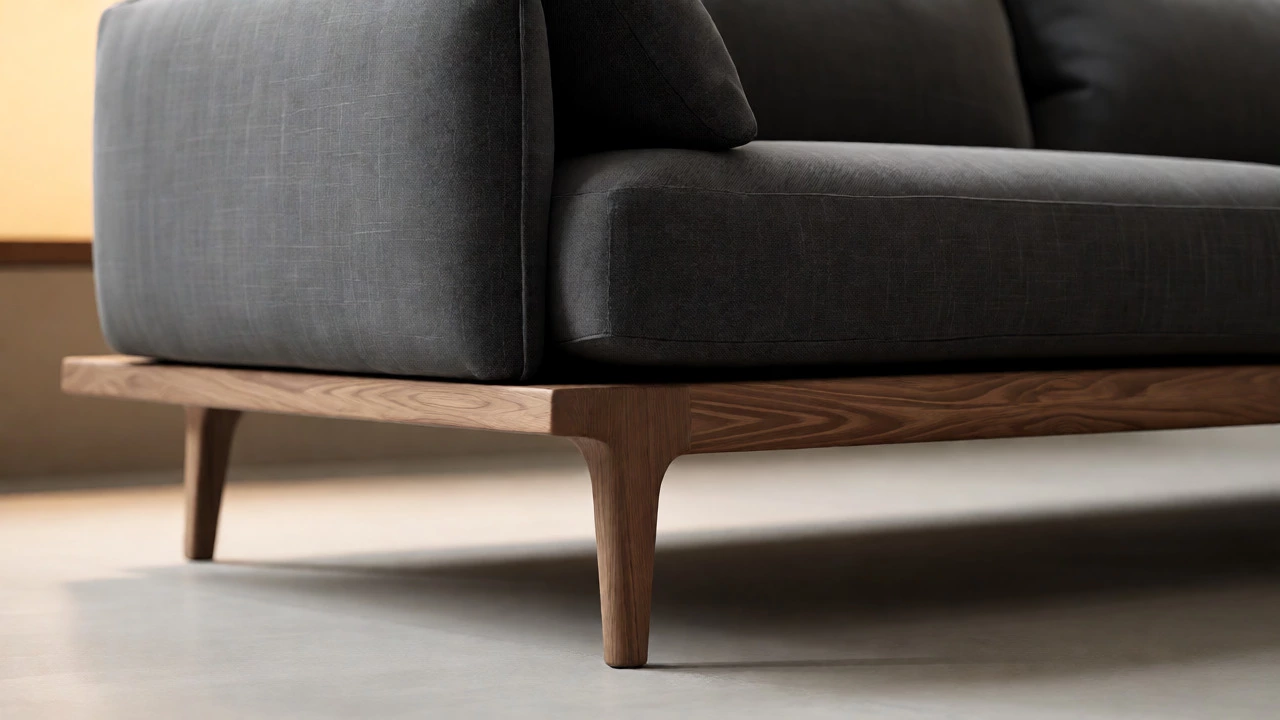
Discover the secrets behind sofas that exude luxury. Learn how proportion, fabric texture, and smart styling tricks can make any sofa look expensive, regardless of price.
MoreWhat Color Sofa Goes With White Walls? A Guide for Corner Sofas
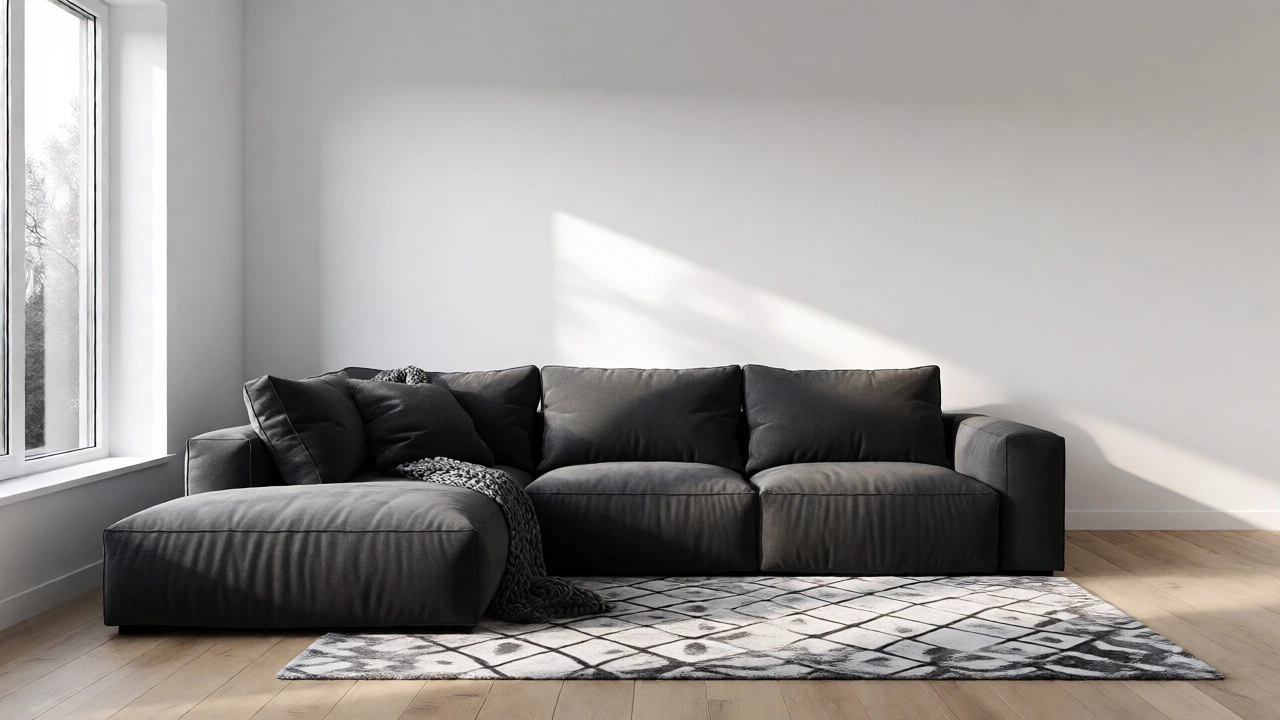
Struggling to pick a sofa color for your white walls? Discover how to choose the perfect hue for your corner sofa, from classic neutrals to bold statement shades.
MoreShould My Couch Face the Front Door? Corner Sofa Layout Guide
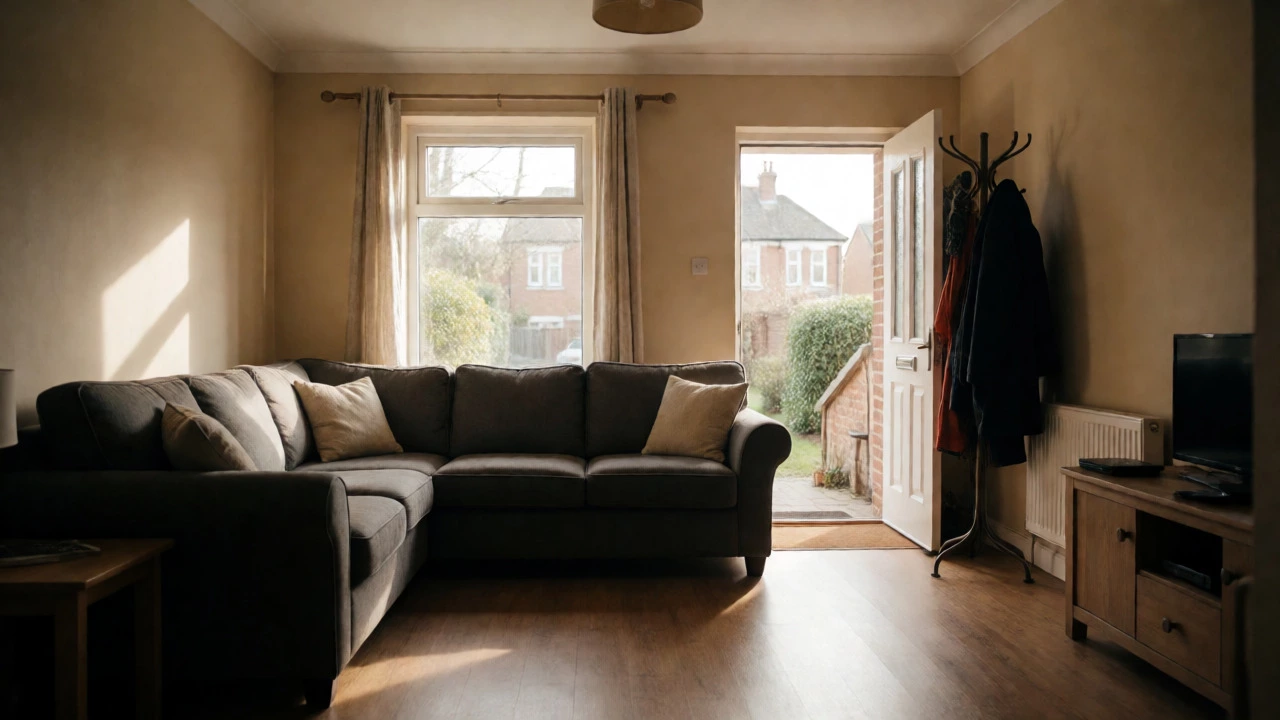
Wondering if your corner sofa should face the front door? Discover why direct alignment often hurts flow, explore better layout alternatives, and learn practical tips for maximizing comfort and style in your living room.
MoreShould a Couch Be Against a Wall? Expert Layout Tips
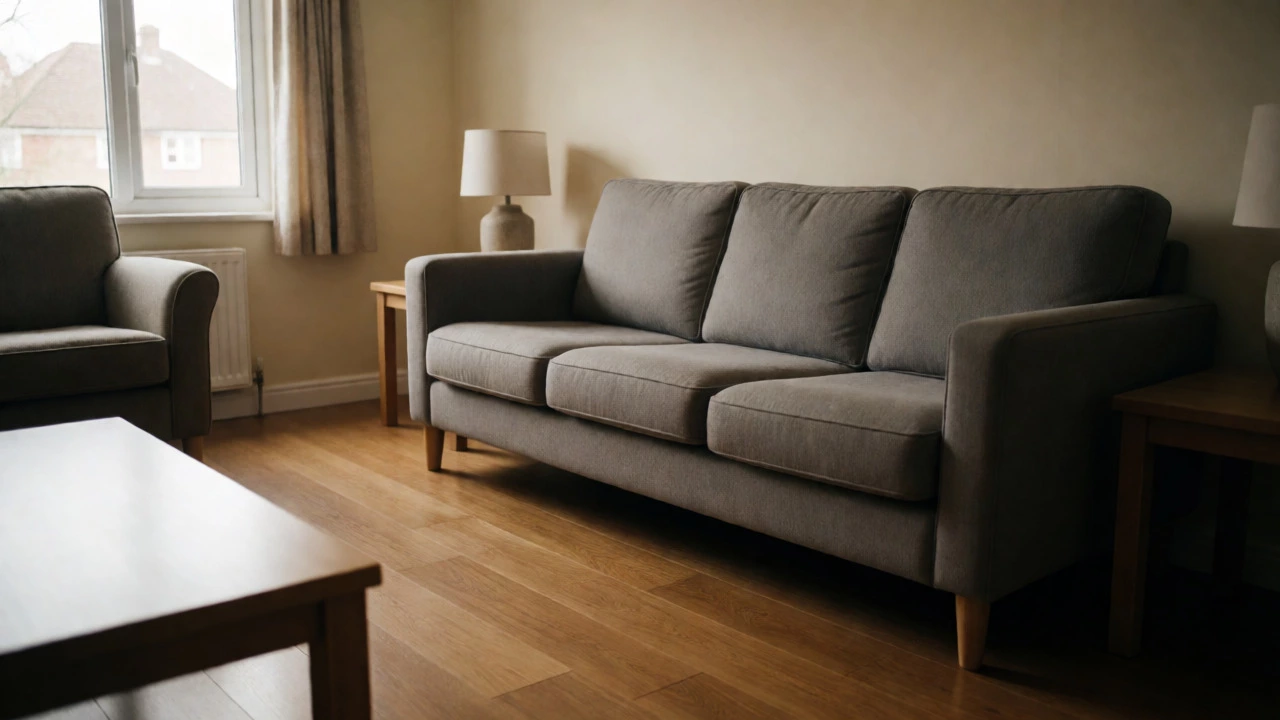
Discover whether your couch should stay against the wall or float in the room. Learn expert layout tips for maximizing space and improving conversation flow.
MoreWhich Color Sofa Is Best for Your Living Room? A Practical Guide
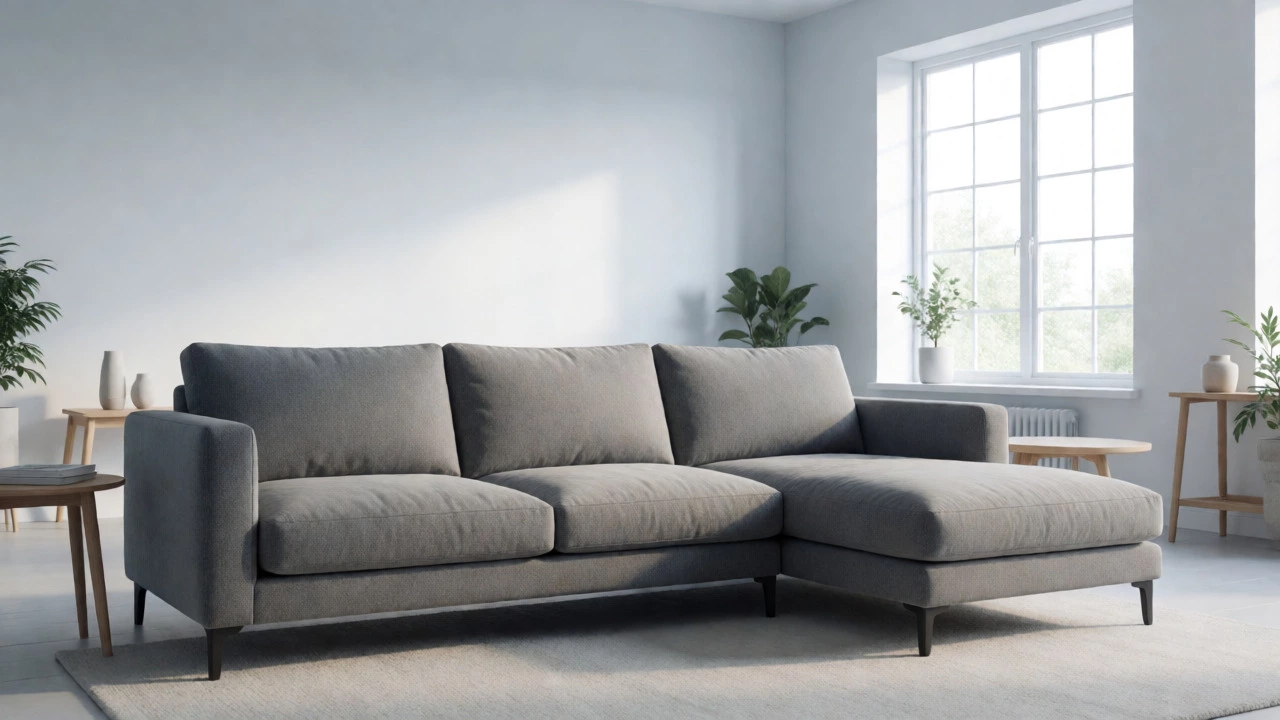
Struggling to pick the right sofa color? Discover how lighting, room size, and lifestyle dictate the best shade for your living room. From practical neutrals to bold statements, find the perfect fit.
MoreHow to Tell if a Couch is High-Quality: A Buyer's Guide
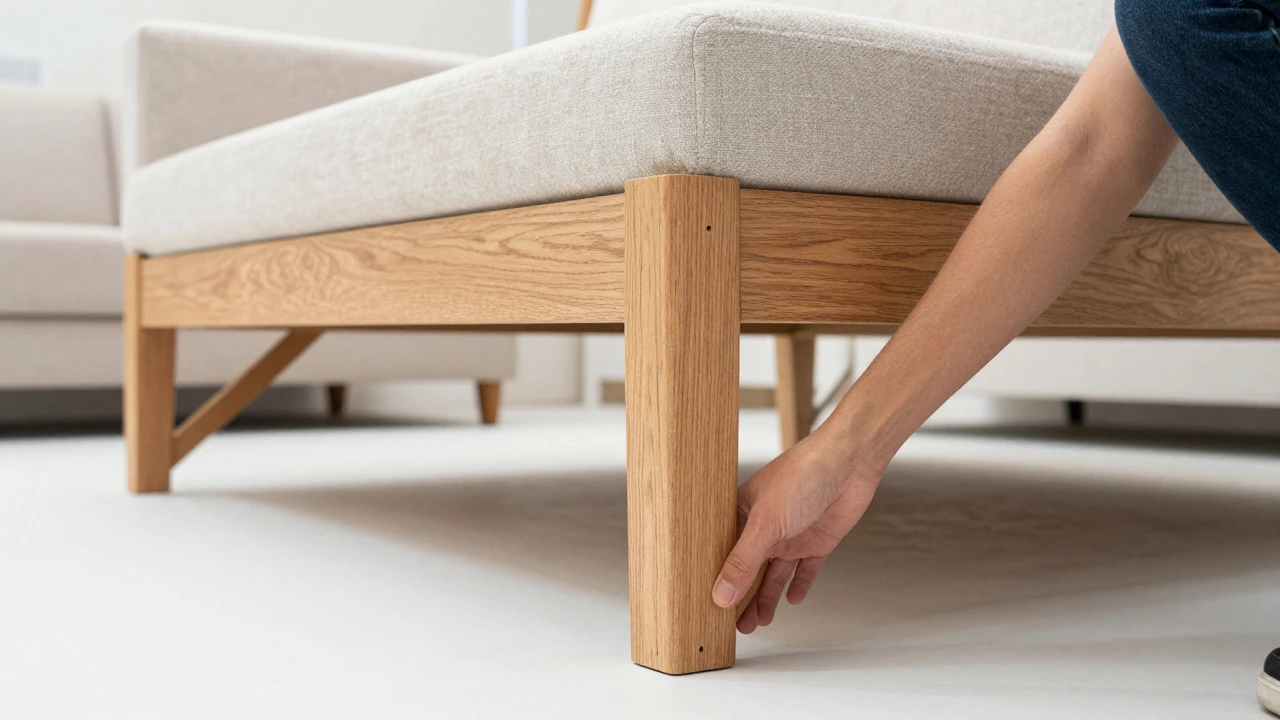
Learn how to identify a high-quality couch by checking the frame, cushions, fabric, and stitching. This guide provides a practical checklist for in-store inspection and explains why quality matters more than upfront price.
MoreDoes a Beige Sofa Go with White Walls? The Ultimate Styling Guide
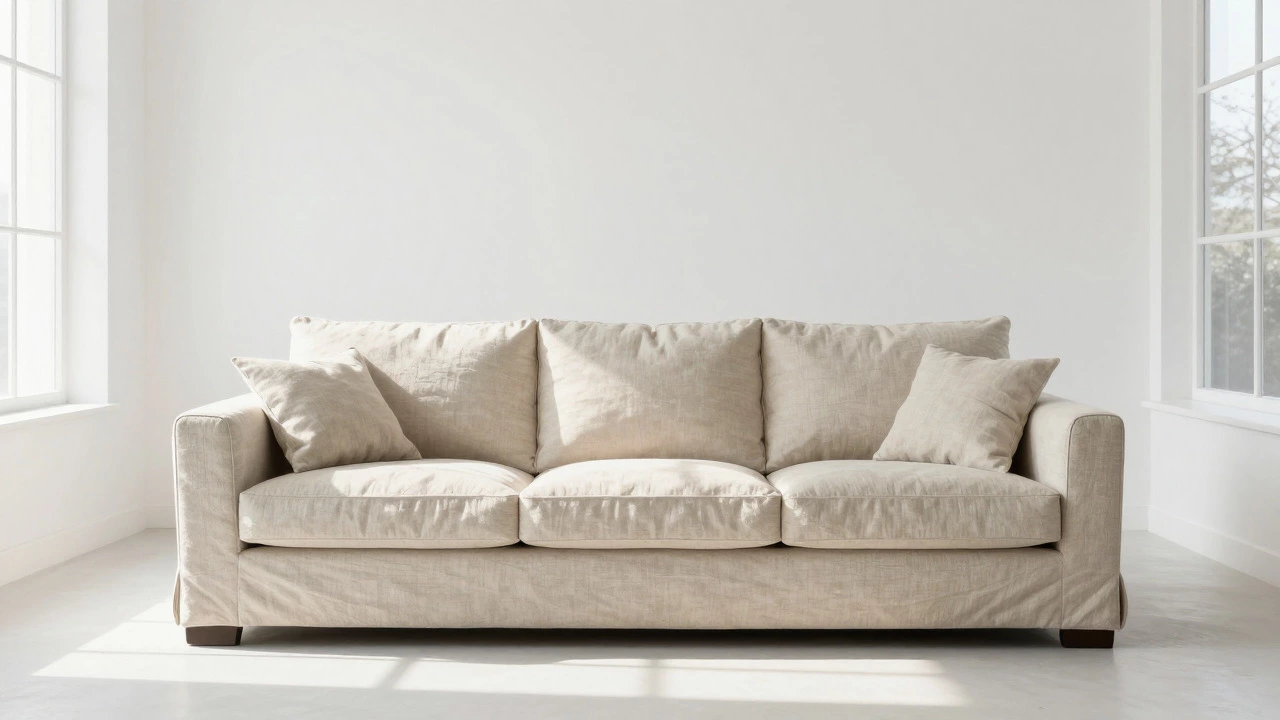
Discover why a beige sofa pairs perfectly with white walls. Learn expert tips on texture, lighting, and styling to create a warm, inviting living space without looking bland.
MoreDo Corner Sofas Make a Room Look Smaller? The Truth About Space and Scale
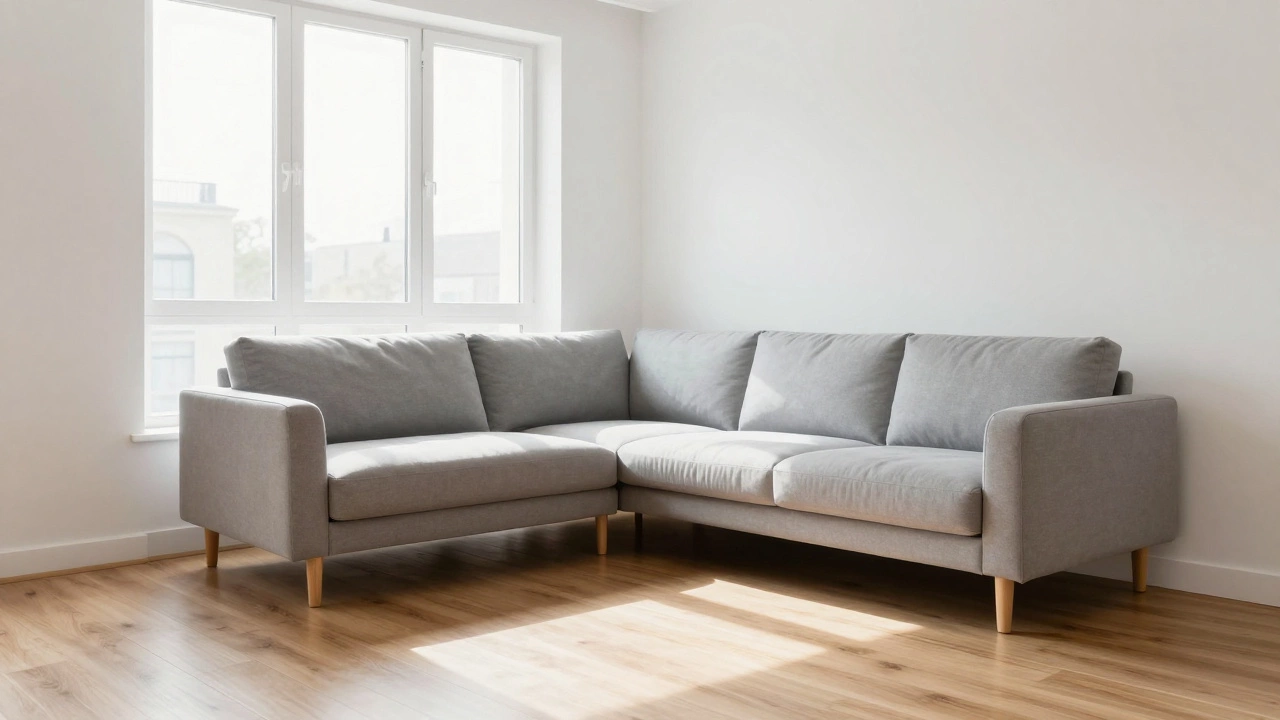
Wondering if a corner sofa shrinks your living room? Learn how to choose the right size, color, and layout to keep your space feeling open and airy.
MoreShould You Put a Couch in the Bedroom? Pros, Cons & Styling Tips
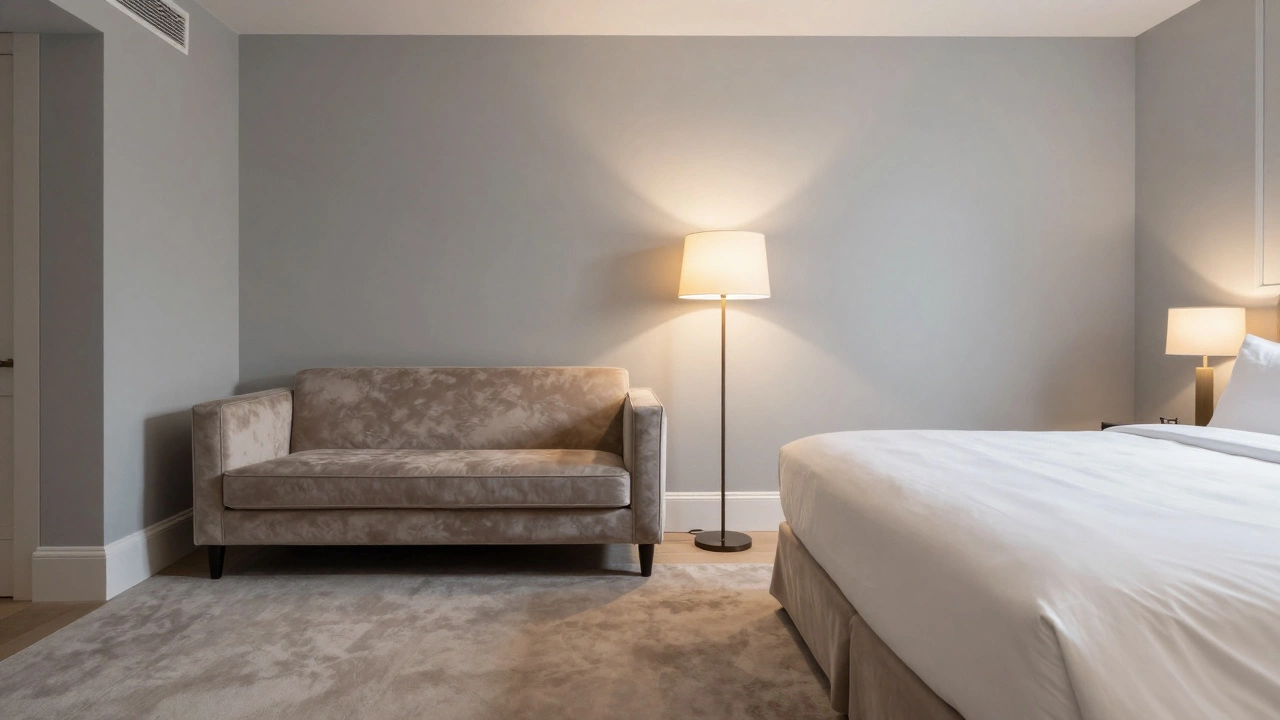
Discover if adding a couch to your bedroom improves comfort or clutters space. We analyze sizing, alternatives like benches, and styling tips for a functional, stylish retreat.
MoreWhat Is a Corner Couch Called? The Definitive Guide to L-Shaped Sofas
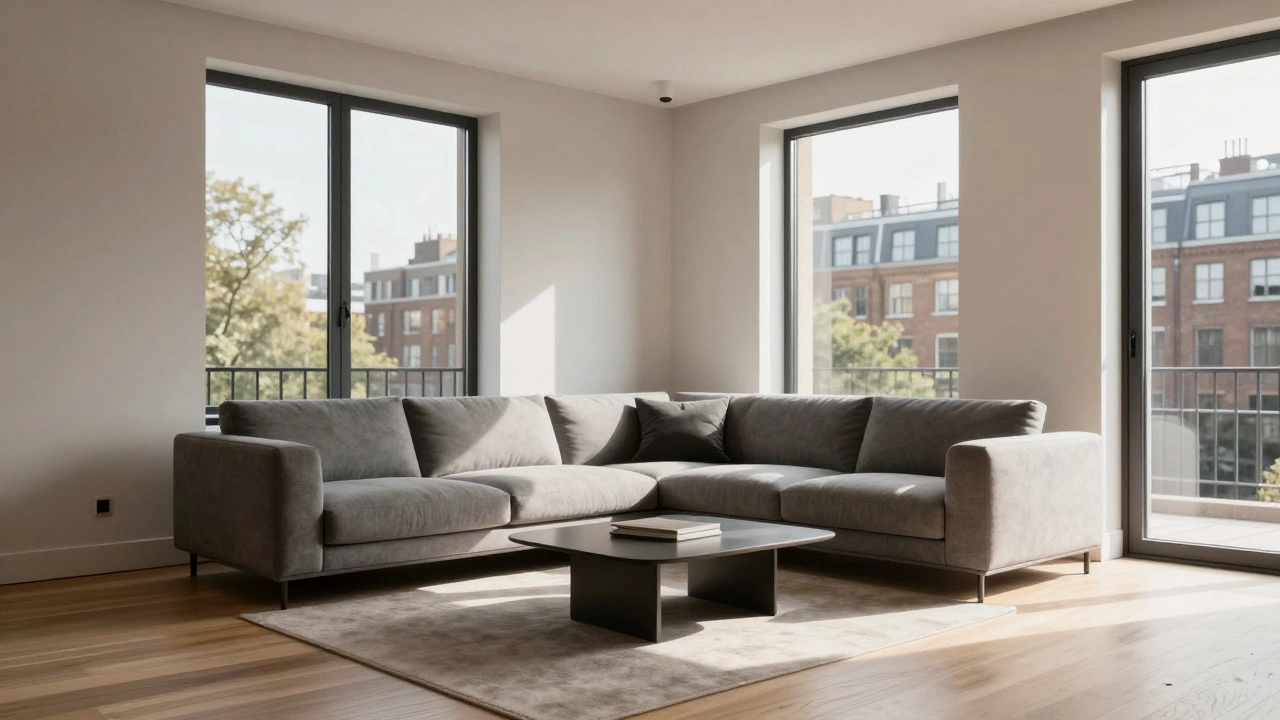
Discover what a corner couch is really called. Learn the differences between L-shaped sofas, sectionals, and chaise lounges to choose the perfect fit for your home.
MoreIs a Grey Sofa Timeless? The Truth About Longevity, Trends, and Style
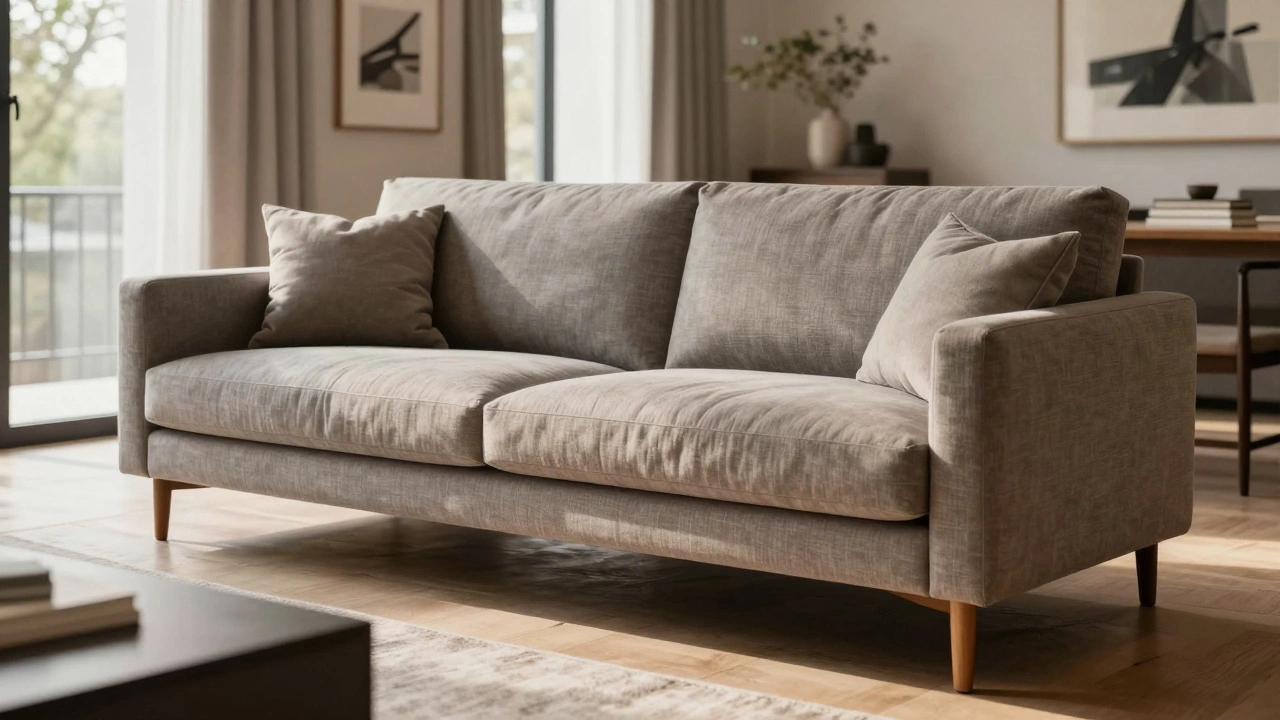
Discover if a grey sofa is truly timeless or just a passing trend. Learn how to choose the right shade, texture, and silhouette to ensure your sofa set lasts for decades.
MoreWhy Do People Keep Plastic on Their Couches? The Ultimate Guide to Sofa Protection

Discover why people use plastic on couches and explore better alternatives like breathable TPE covers and nano-sprays. Learn how to protect your sofa from pets, spills, and wear without sacrificing comfort or style.
More