
Corner Sofa Quality Checker
Check Your Sofa's Quality
This tool helps you assess if your corner sofa meets high-quality standards. Check the items below to determine if your sofa is built to last.
Buying a corner sofa is a big investment. It’s not just furniture-it’s where you unwind after work, where the family gathers on weekends, and where guests sit during holidays. But not all corner sofas are made the same. Some sag after six months. Others creak when you shift your weight. And some look great in the showroom but fall apart before the first anniversary. So how do you know if you’re getting a high-quality couch? It’s not about brand names or fancy labels. It’s about what’s inside.
Check the Frame First
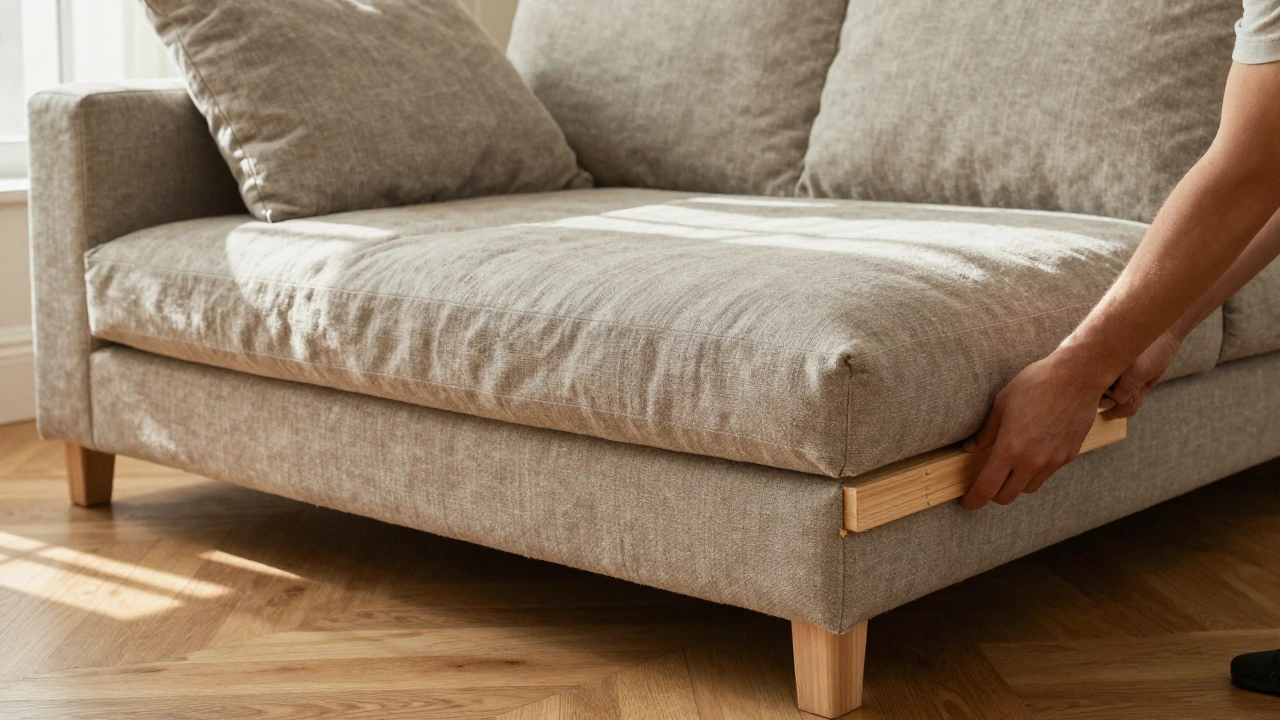
The frame is the skeleton of your couch. If it’s weak, nothing else matters. High-quality corner sofas use kiln-dried hardwood like oak, beech, or maple. You’ll rarely see this mentioned in ads, but it’s the single biggest indicator of durability. Softwoods like pine or particleboard? Avoid them. They warp, crack, and break under pressure.
Here’s how to test it: Lift one corner of the sofa. If it feels light and flimsy, the frame is probably made of cheap materials. A solid hardwood frame should feel heavy and stable. Now, try to twist the frame gently with your hands. A good frame won’t flex or make noise. If you hear creaking or feel movement, it’s glued or nailed together instead of being screwed and reinforced. Look for double-dowelled joints and corner blocks-these are signs of proper craftsmanship.
Examine the Cushion Fill
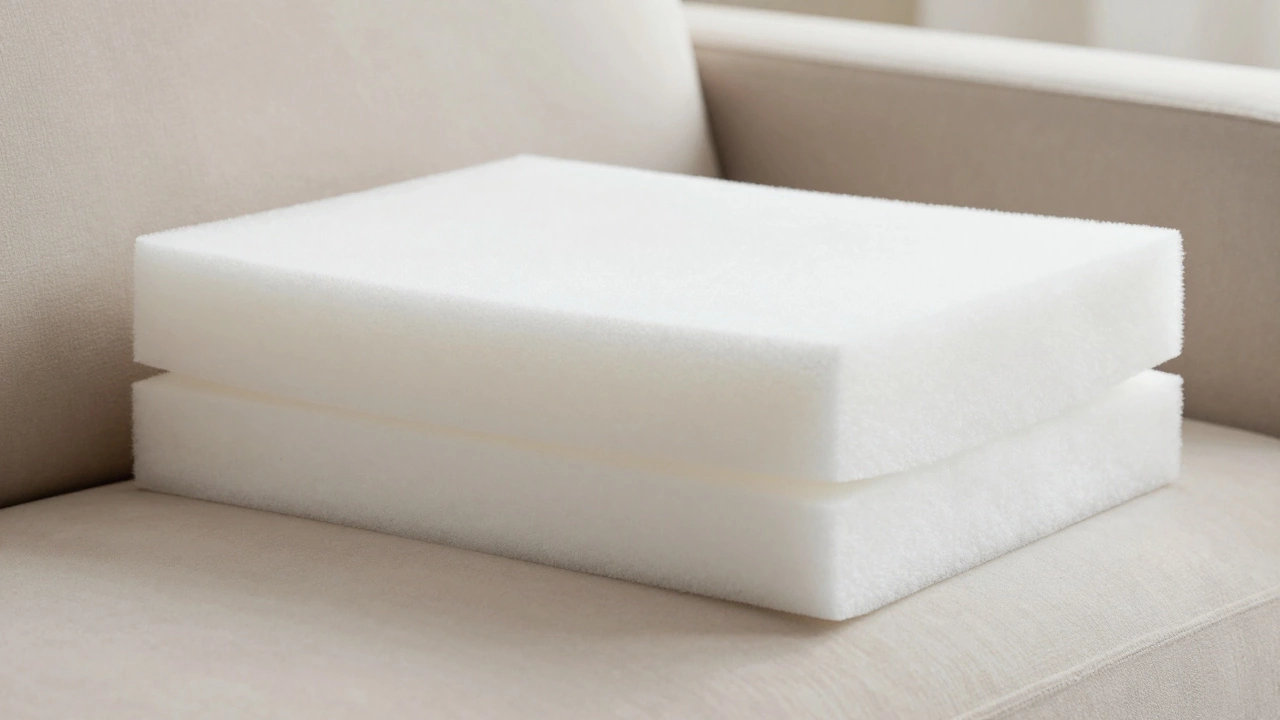
Cushions are what you sit on every day. Low-quality sofas use thin foam that flattens out in months. High-quality ones use high-density foam wrapped in down or synthetic fiber. The best corner sofas combine both: a firm foam core for support and a soft outer layer for comfort.
Press down firmly on the seat cushions. If they sink too far and don’t spring back quickly, the foam is low-density. Good foam should bounce back within two seconds. Lift the cushion and check its weight. A high-quality cushion feels substantial-not light and hollow. If the cushion is removable, unzip it (if possible) and look inside. You should see a layer of polyester fiber wrap around the foam, not just foam alone. That wrap keeps the cushion plump and prevents the foam from shifting.
Some premium sofas use a mix of down and foam. That’s great-if the down is enclosed in a baffled fabric chamber. Otherwise, you’ll end up with lumps and flat spots after a few months.
Look at the Fabric and Stitching
The fabric is the first thing you see-and the first thing that wears out. Avoid cheap polyester blends that pill easily or look shiny under light. Look for performance fabrics like solution-dyed acrylic, microfiber, or tightly woven cotton-linen blends. These resist stains, fading, and abrasion.
Check the weave. Run your fingers over the surface. If it feels loose or uneven, it’s not woven tightly enough. High-quality fabric has a dense, even texture. Pull gently on a seam. If the threads give way easily, the stitching is weak. Look for double-stitched seams, especially along high-wear areas like the arms and seat edges. Some brands use bar-tacking-those small X-shaped stitches at stress points. That’s a sign of attention to detail.
Also, check the fabric’s rub count. This isn’t usually listed on the tag, but reputable sellers will tell you. A rating of 15,000 double rubs or higher is ideal for daily use. Anything below 10,000 won’t last long in a busy household.
Test the Reclining and Mechanism (If Applicable)
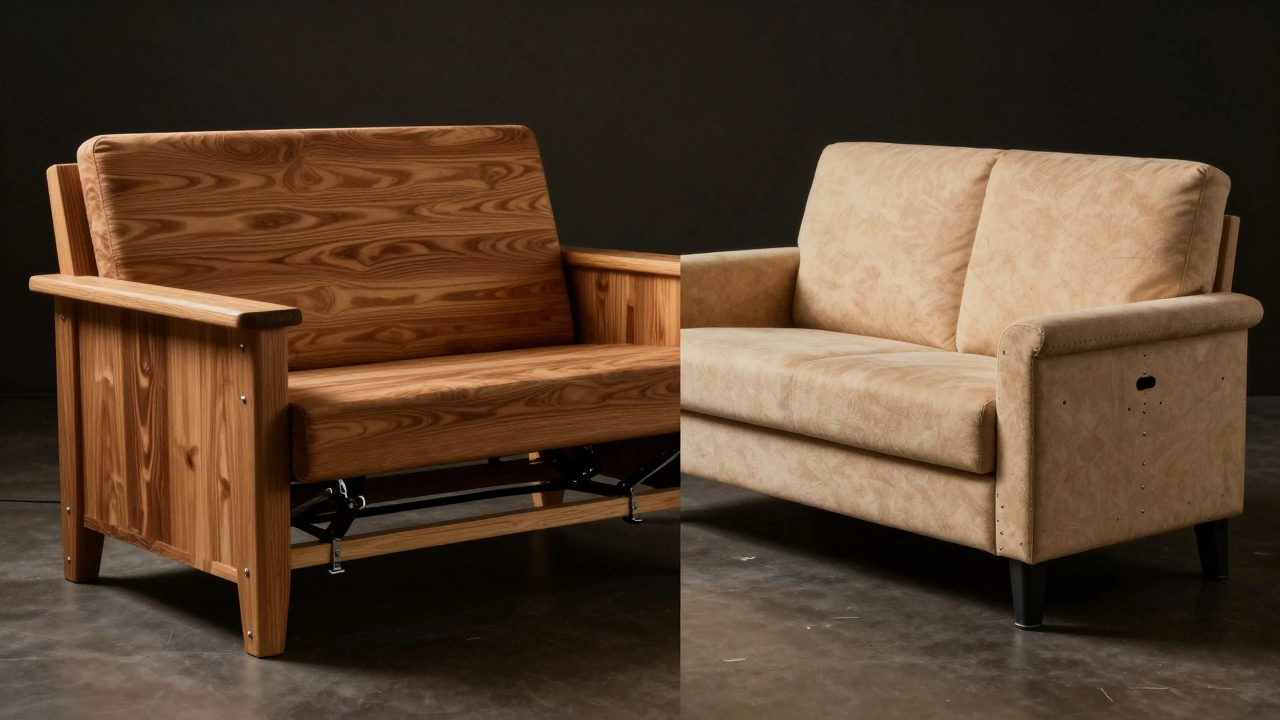
If your corner sofa has a recliner or pull-out function, don’t skip this step. A high-quality mechanism should glide smoothly without grinding or sticking. Sit in the recliner and lean back slowly. Does it move evenly? Does it lock securely at each position? If it wobbles or feels loose, the internal hardware is probably plastic or thin metal.
Look for steel frames inside the reclining mechanism, not plastic. Steel lasts longer and handles weight better. Also, check the tension-too loose and it’ll sink too far; too tight and it’ll be hard to use. The best mechanisms are backed by a 10-year warranty. If the seller won’t tell you what’s inside, walk away.
Inspect the Legs and Base
The legs and base aren’t just for looks-they’re structural. On a good corner sofa, the legs are attached directly to the frame, not just the skirt or fabric. If the legs are screwed into a thin wooden panel that’s glued to the frame, that’s a red flag. High-quality sofas have legs bolted through the frame with metal brackets.
Check the base. Is it covered with a dust cover? That’s a sign the manufacturer cares about longevity. A dust cover prevents dirt and debris from getting into the springs and mechanisms. If the underside is completely exposed, it’s a budget piece. Also, look at the feet. Rubber or wooden feet are better than plastic. Plastic feet scratch floors and crack over time.
Ask About the Warranty
A high-quality corner sofa comes with a warranty that actually means something. Look for at least a 5-year warranty on the frame and a 3-year warranty on the cushions and fabric. Some premium brands offer 10-year frame warranties. If the warranty only covers manufacturing defects and doesn’t mention sagging, fading, or fabric wear, it’s practically useless.
Read the fine print. Does the warranty require you to register the product within 30 days? Does it exclude stains or pet damage? That’s normal. But if it excludes normal wear and tear, that’s a warning. A trustworthy brand knows their sofa should last. They don’t hide behind loopholes.
Compare Weight and Price
There’s a reason expensive sofas cost more. A high-quality corner sofa typically weighs between 150 and 250 pounds. A lightweight sofa under 100 pounds? It’s probably full of particleboard and thin foam. You’re paying for materials, not marketing.
Don’t fall for the “sale” trap. A $600 corner sofa might look like a steal, but if it’s made for one year of use, you’ll be buying another one soon. A $1,800 sofa made with hardwood, high-density foam, and performance fabric will last 10-15 years. That’s less than £10 a month. That’s not expensive-that’s smart.
Real-World Test: Sit Like You Live
Don’t just sit on the sofa for 10 seconds. Sit like you normally would. Lean back. Cross your legs. Lie down fully. Get up and sit again. Move around. See how the cushions respond. Does the backrest feel supportive? Do the arms feel sturdy when you push off? Does the fabric stretch or pull? A high-quality sofa holds its shape under real use.
Bring someone with you. Ask them to sit in the same spot for five minutes. Then switch places. You’ll notice how the cushion rebounds-or doesn’t. That’s the difference between a couch that lasts and one that just looks nice.
What to Avoid
- Loose or wobbly arms
- Visible staples or glue on the underside
- Thin, flimsy fabric that shows every crease
- Plastic or thin metal legs
- Zero warranty or vague terms like “lifetime guarantee” (that’s meaningless)
- Manufactured in countries with no labor or material standards
There’s no magic trick. High-quality furniture doesn’t shout. It doesn’t need flashy ads or celebrity endorsements. It just lasts. And when you sit on it five years from now, it still feels solid, comfortable, and like it was made for you-not mass-produced for a discount shelf.
How long should a high-quality corner sofa last?
A well-made corner sofa with a hardwood frame, high-density foam cushions, and durable fabric should last 10 to 15 years with regular use. Some premium models, properly cared for, can last 20 years or more. The key is the quality of materials-not the price tag.
Is leather better than fabric for a corner sofa?
It depends. Full-grain leather is durable and ages well, but it’s expensive and requires regular conditioning. High-quality performance fabric-like solution-dyed acrylic or tightly woven microfiber-can be just as durable, easier to clean, and more affordable. For families with kids or pets, performance fabric often wins. Leather looks great but shows scratches and can crack in dry climates.
Can I trust online reviews when buying a corner sofa?
Online reviews help, but don’t rely on them alone. Look for reviews that mention specific details: “cushions flattened after 6 months,” “frame squeaked when I leaned back,” or “fabric pilled after washing.” Avoid reviews that just say “loved it” or “perfect.” Real feedback describes problems. Also, check reviews from 6-12 months after purchase-they’re more honest than early reviews.
What’s the best way to clean a high-quality sofa fabric?
Always check the cleaning code on the tag. “W” means water-based cleaner. “S” means solvent only. “SW” means either. Never use bleach or strong detergents. For daily care, vacuum with a brush attachment. For spills, blot immediately with a clean, damp cloth. For deep cleaning, hire a professional who specializes in performance fabrics. DIY steam cleaners can damage the backing and cause mold.
Do I need to rotate the cushions?
Yes, especially if you sit in the same spot every day. Rotate the seat cushions weekly for the first month, then monthly after that. Fluff the back cushions daily. This evens out wear and keeps the sofa looking full. It’s a small habit that adds years to the life of your sofa.
Final Tip: Buy Once, Buy Right
There’s no shortcut to quality. You can’t fake a hardwood frame or high-density foam. The best corner sofas don’t come with discounts-they come with confidence. Take your time. Test it. Ask questions. Walk away if something feels off. A good sofa doesn’t just sit in your living room. It supports your life.
Write a comment