
Expensive Wardrobes: Why Quality Matters and What You Actually Get
When you hear expensive wardrobes, custom-built, solid-wood storage units designed for long-term use and aesthetic harmony. Also known as luxury closet systems, they’re not just bigger or shinier—they’re built to outlast trends, moisture, and daily wear. Most people think price equals flash: mirrored doors, gold handles, fancy lighting. But the real difference? The materials, the joinery, the way it holds up after ten years of use. A cheap wardrobe might sag by year three. A well-made one? It still stands straight, opens smoothly, and looks better with age.
What makes a wardrobe truly expensive isn’t the brand name—it’s the custom wardrobe, a storage solution tailored to your space, clothes, and habits. Built-to-order closet systems avoid the compromises of mass-produced units. Think deeper drawers for bulky sweaters, adjustable hanging rods for long coats, and internal dividers that actually fit your shoes. These aren’t add-ons—they’re part of the design from day one. And when you pair that with solid hardwood like oak or walnut, hand-finished with natural oils instead of plastic laminate, you’re not buying furniture—you’re investing in a piece that becomes part of your home’s story. Then there’s the durable clothing storage, a system designed to protect fabrics from damp, dust, and pests over decades. Long-term garment preservation isn’t just about closing a door. It’s about airflow, moisture control, and materials that don’t off-gas or warp. That’s why many high-end wardrobes include ventilation gaps, cedar linings, and solid timber frames instead of particleboard. You won’t find these details in a flat-pack box from a big-box store. They’re the quiet features that make the difference when you open your closet ten years later and everything still looks and smells fresh.
Expensive wardrobes don’t just store clothes—they shape how you live. They reduce clutter because everything has its place. They save time because you can see what you own. And they last—so you don’t have to replace them every few years. Below, you’ll find real insights from people who’ve lived with these pieces: how to spot true quality, what to ask before buying, and why some wardrobes cost more but end up saving you money. These aren’t just tips—they’re lessons from years of use, damage avoided, and closets that still work perfectly.
Why Are Wardrobes So Expensive? The Real Reasons Behind the Price Tag
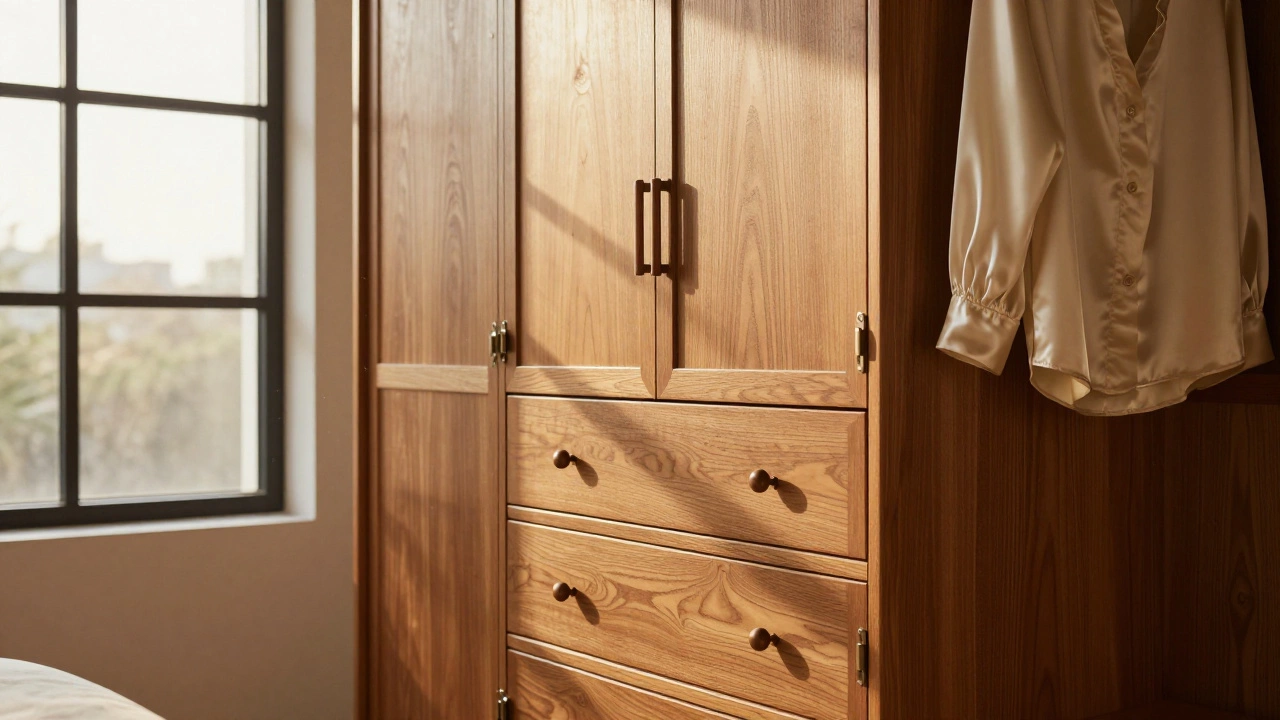
Wardrobes cost so much because of solid wood, high-quality hardware, custom fitting, and professional labor. Learn why a $2,000 wardrobe might actually be cheaper than replacing a $500 one every few years.
More