
Furniture Storage Life: How to Keep Your Pieces Lasting Years
When you store furniture, you’re not just putting it away—you’re betting on its furniture storage life. A well-made chair or dresser can last decades, but only if it’s protected from the real enemies: moisture, mold, and poor air flow. Furniture storage life, the length of time your pieces stay in good condition while stored. Also known as long-term furniture storage, it’s not about how long you keep things out of sight—it’s about how well you keep them from falling apart. In the UK, where damp winters and fluctuating humidity are the norm, even solid wood can warp, metal parts can rust, and fabrics can mildew if left unprotected.
It’s not just about wrapping things in plastic. Storage humidity control, the practice of managing moisture levels in storage spaces to prevent damage is what separates surviving furniture from ruined pieces. Think of it like this: a couch left in a cold, damp garage for six months isn’t just dusty—it’s breeding mold. Prevent mold on wood furniture, a critical step in maintaining structural integrity and appearance during storage starts with cleaning before storage, using breathable covers, and adding silica gel or a small dehumidifier. You don’t need fancy gear. A $10 hygrometer from a hardware store tells you if the air is safe. Anything above 60% humidity? You’ve got a problem.
And it’s not just wood. Upholstered pieces? They’re even more vulnerable. Bubble wrap might seem like a good shield, but it traps moisture and can leave marks or even cause fabric to rot over time. Instead, use cotton sheets or moving blankets—breathable, clean, and safe. If you’re storing a wardrobe, leave the doors slightly ajar. Air needs to move. Standing furniture on pallets instead of directly on concrete stops wicking moisture from the floor. These aren’t luxury steps—they’re basics that most people skip until it’s too late.
People think storage is just about space. But it’s really about time. Every piece of furniture you own has a clock ticking. The difference between a 20-year-old dresser that still looks new and one that’s crumbling? It’s not luck. It’s knowing how to handle protect furniture from damp, the process of shielding wooden and fabric furnishings from moisture-related decay. You don’t need a climate-controlled unit. You just need to understand the rules: dry before you store, ventilate while you store, and check regularly. A quick glance every few months catches problems early—before the smell spreads or the wood splits.
What you’ll find below are real, tested methods from people who’ve lost furniture to bad storage—and then figured out how to stop it. From how to wrap a vintage coffee table to why you should never use plastic tarps in a shed, these posts cut through the noise. No fluff. No marketing. Just what works in UK homes, garages, and rented storage units. Whether you’re holding onto heirlooms or just waiting to redecorate, this collection gives you the tools to make sure your furniture doesn’t just survive storage—it thrives through it.
How Long Can Furniture Last in Storage? Real-World Expectations by Material and Condition
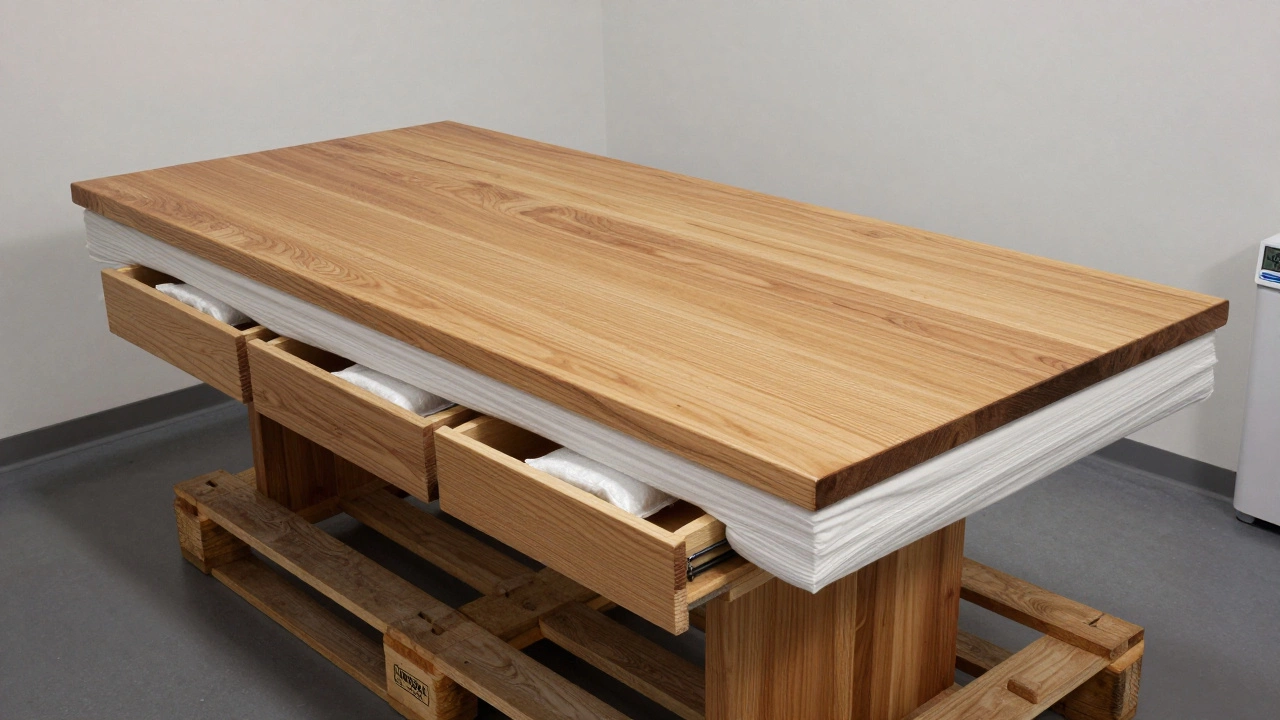
Learn how long different types of furniture last in storage based on material, humidity, and storage conditions. Get real tips to prevent damage from mold, rust, and warping.
More