
Ever packed away a good piece of furniture for a move, renovation, or seasonal swap, only to open the storage unit months later and find it warped, stained, or covered in mold? You’re not alone. People assume furniture just sits there quietly until they need it again. But storage isn’t a pause button-it’s an environment. And depending on what you’re storing and where, that environment can eat away at your furniture faster than you think.
Wood Furniture: The Longest Lasting, If Treated Right
Solid wood furniture, like oak, walnut, or teak, can last 10 to 20 years in storage if conditions are controlled. But that’s only if it’s not sitting in a damp basement, a hot attic, or a leaky shed. Wood breathes. It expands and contracts with humidity. If the air is too dry, it cracks. Too wet, and it swells or invites mold and wood-boring insects.
Real-world example: A customer in Birmingham stored a solid oak dining table in an unheated garage for 18 months. The winter humidity hit 85% for weeks. When they pulled it out, the legs were swollen, the finish was peeling, and there was black mold in the joints. They spent £300 on refinishing-nearly half the original price.
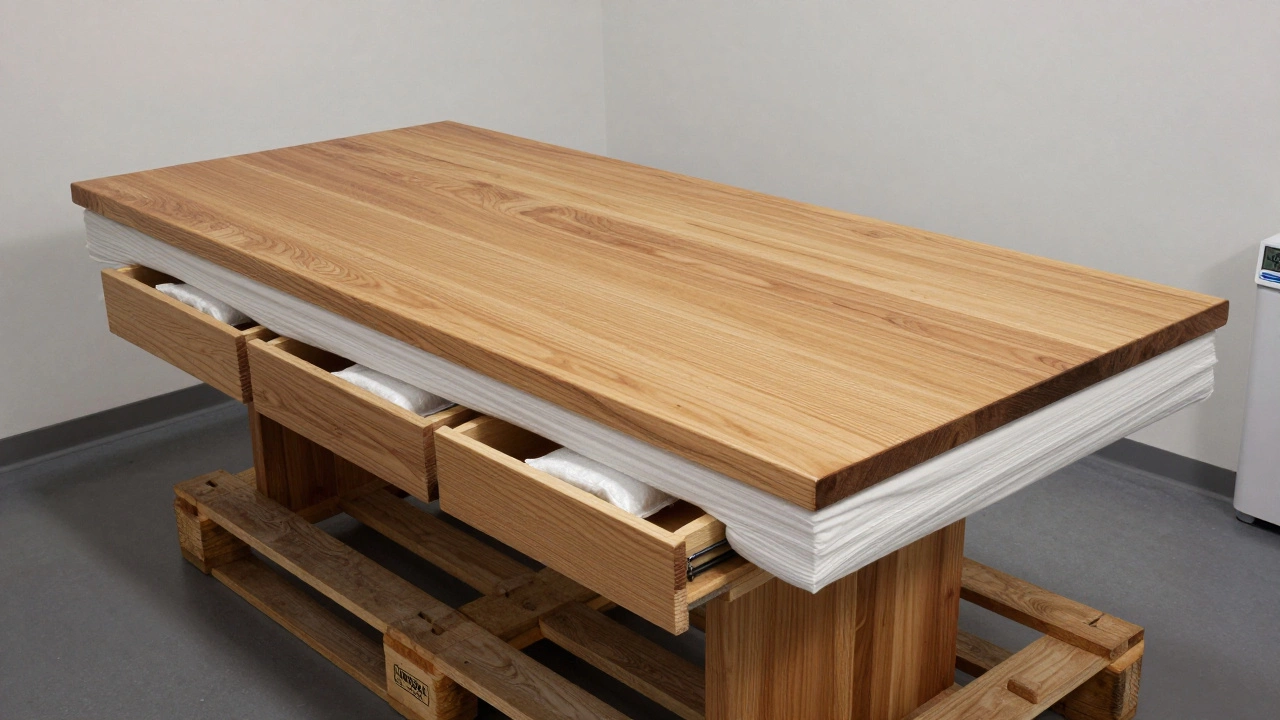
Protect wood by wrapping it in breathable cotton sheets, not plastic. Use silica gel packs inside drawers and cabinets. Keep the storage space between 40% and 50% humidity. If you can’t control humidity, skip the storage entirely.
Upholstered Furniture: The Silent Killer Is Moisture
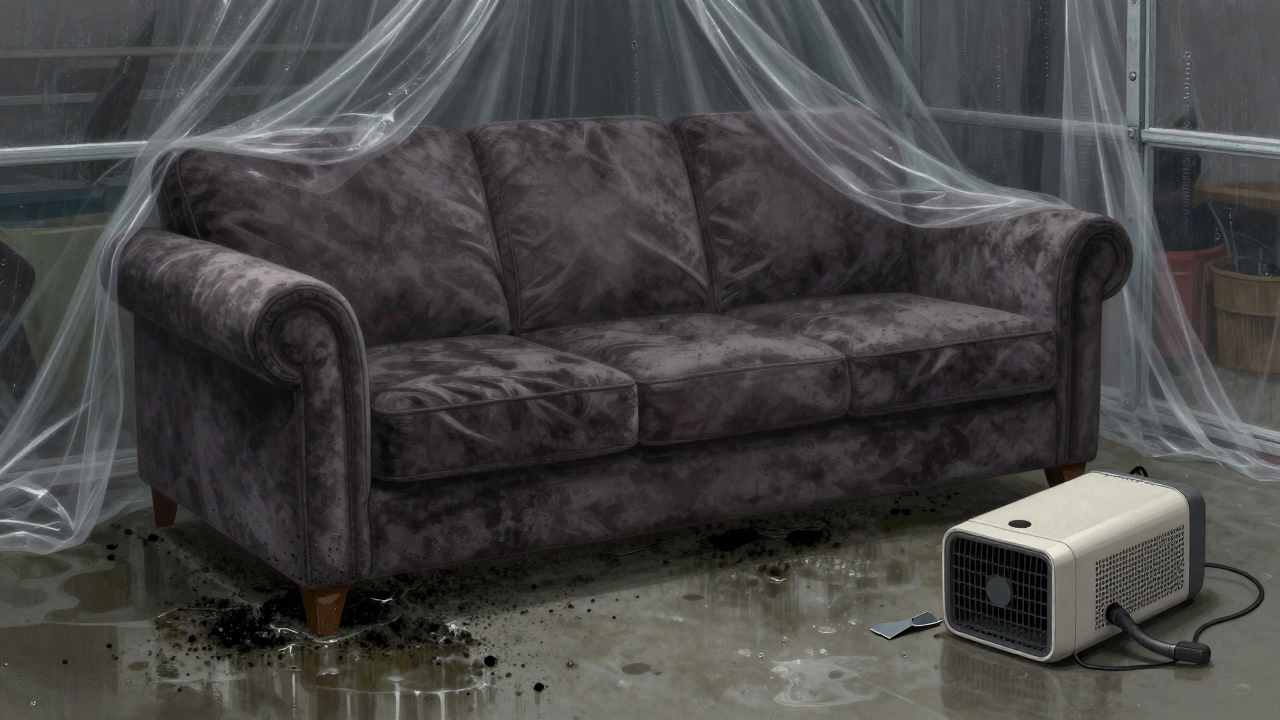
Sofas, armchairs, and ottomans don’t last long in storage. Even if they look fine on the surface, the stuffing inside-foam, down, or fiberfill-absorbs moisture like a sponge. Mold grows between the fabric and padding. Odors set in. Fabric fibers weaken. In humid climates, this can happen in as little as 3 months.
Here’s what actually happens: A couple stored a velvet sofa in a climate-controlled unit for 8 months. When they opened it, the fabric smelled musty. They tried cleaning it themselves. The color faded. The cushions had lost their shape. They had to replace it.
Never store upholstered pieces on the floor. Elevate them on pallets. Cover them with a cotton drop cloth, not a plastic tarp. Vacuum them thoroughly before storage. If possible, use a dehumidifier in the unit. And never store them in a garage or basement unless you’re certain it’s dry year-round.
Metals and Glass: Rust and Cracks Are the Enemies
Steel-framed furniture, like metal bookshelves or glass-top tables, seems tough-but they’re vulnerable. Rust forms where metal touches concrete. Glass can crack if it’s stacked or bumped during transport or storage.
Check the legs of metal furniture. If they’re painted, that coating can chip and expose the metal underneath. Moisture gets in, rust spreads fast. A steel-frame bed frame stored in a damp warehouse showed visible rust in 6 months. The owner didn’t notice until the legs started crumbling.
Wrap metal parts in anti-rust paper or wax paper. Place furniture on wooden pallets to keep it off concrete. Use foam padding between glass tops and frames. Store glass items upright, not flat. Label them clearly so no one stacks anything on top.
Particleboard and MDF: Don’t Even Try
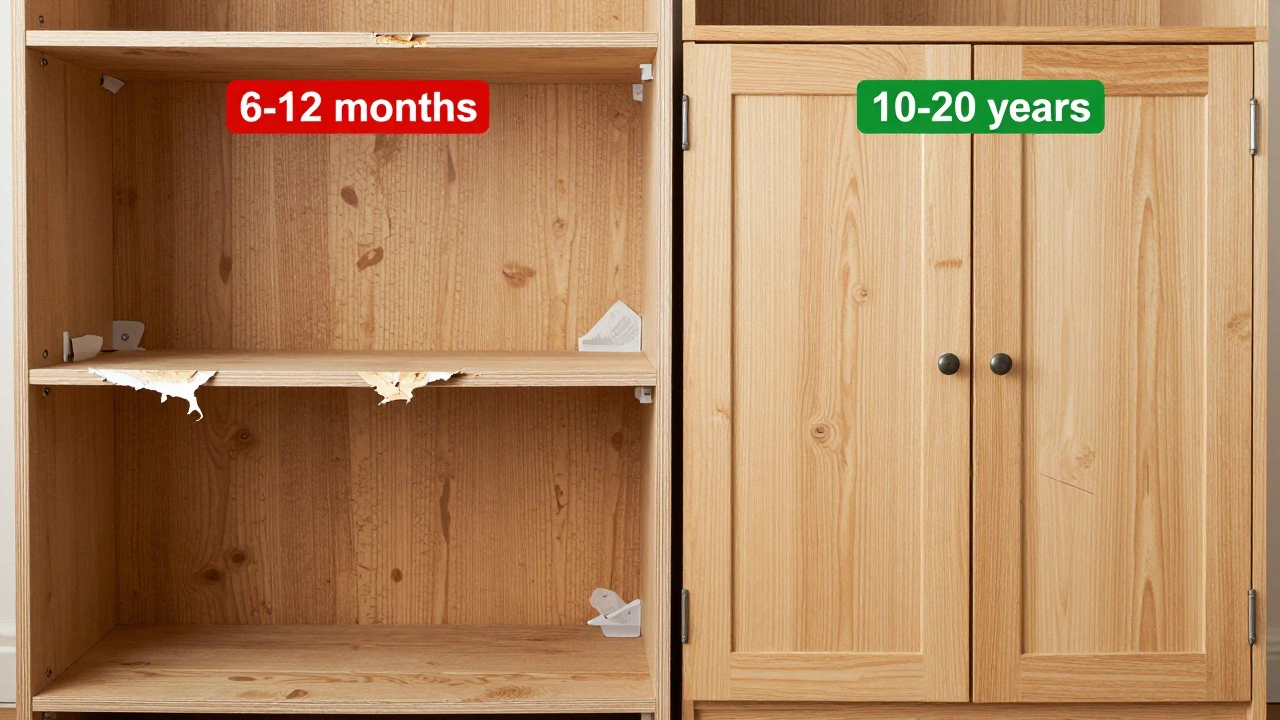
If your furniture is made from particleboard, MDF, or laminate, storage is a gamble. These materials swell and break down when exposed to moisture-even low levels. A cheap bookshelf stored in a garage for 4 months turned into a soggy, crumbling mess. The edges curled. The paint peeled. It wasn’t salvageable.
Manufacturers know this. That’s why most budget furniture comes with a 1-year warranty. It’s not built to last long in any environment, let alone storage. If you’re storing something like this, expect it to be trash after 6 to 12 months. Better to sell it, donate it, or leave it out in the open.
Storage Conditions: The Biggest Factor You Can Control
It’s not just what you store-it’s where. The difference between 2 years and 15 years of storage life comes down to three things: temperature, humidity, and airflow.
- Temperature: Avoid extremes. Above 80°F (27°C) breaks down adhesives and finishes. Below freezing can make wood brittle.
- Humidity: Keep it between 40% and 50%. Use a hygrometer to check. If you don’t have one, buy one-they cost under £10.
- Airflow: Stale air traps moisture. Leave space between items. Don’t pack units wall-to-wall. Open doors occasionally if possible.
Climate-controlled storage units are worth the extra cost. They’re not luxury-they’re insurance. A 5x5 unit in Birmingham costs about £60 a month. That’s less than a new coffee table. For a good sofa or dining set, it’s a smart investment.
How to Prepare Furniture for Storage
Skipping prep is the #1 mistake people make. Here’s what actually works:
- Deep clean everything. Dust, dirt, and food crumbs attract pests. Use a damp cloth, then dry immediately.
- Disassemble when possible. Take apart bed frames, table legs, and shelves. Label parts with masking tape.
- Use furniture pads or moving blankets. Avoid plastic wrap-it traps moisture.
- Elevate items off the floor. Use wooden pallets or plastic risers.
- Place silica gel packs inside drawers, cabinets, and hollow legs.
- Leave a 2-inch gap between furniture and walls for airflow.
- Check every 3 months. Look for damp spots, odors, or pests.
What Doesn’t Work
Don’t use plastic wrap on wood or fabric. It creates a greenhouse effect. Moisture gets trapped. Mold grows faster.
Don’t store furniture in garages or sheds unless they’re fully insulated, sealed, and climate-controlled. Most aren’t.
Don’t assume “clean and dry” means safe. A dusty, dry garage is still full of humidity swings. Night and day temperature changes cause condensation inside your furniture.
When to Just Let It Go
Some things aren’t worth saving. If your furniture is:
- Older than 20 years and already worn
- Made from particleboard or laminate
- Has broken joints, loose screws, or fading finishes
- Was bought for under £200
Then storage isn’t preservation-it’s hoarding. Sell it. Donate it. Recycle it. Put the money toward something better. You’ll save time, money, and stress.
Real Storage Lifespans by Material
| Material | Expected Lifespan in Storage | Best Storage Environment |
|---|---|---|
| Solid Wood (Oak, Walnut, Teak) | 10-20 years | Climate-controlled, 40-50% humidity |
| Upholstered (Fabric or Leather) | 2-5 years | Climate-controlled, elevated, breathable cover |
| Steel or Metal Frames | 5-15 years | Off concrete, anti-rust wrap, dry |
| Particleboard / MDF | 6-12 months | Not recommended |
| Laminate / Veneer | 1-3 years | Climate-controlled, no moisture exposure |
Frequently Asked Questions
Can I store furniture in a basement?
Only if it’s a finished, climate-controlled basement with no history of flooding or dampness. Most basements are too humid. Wood swells, metal rusts, and fabric mildews. If you must, elevate furniture on pallets, use dehumidifiers, and check monthly for moisture.
Is it better to store furniture in a unit or at home?
If you have space at home-like a dry attic or unused room-that’s better than a storage unit. But only if the area is dry, well-ventilated, and not exposed to direct sunlight or pipes. Most homes have humidity problems too. A climate-controlled storage unit is often more reliable than a damp spare room.
How do I tell if my stored furniture is damaged?
Look for: musty smells, warped wood, peeling finish, rust spots, sagging cushions, or dark stains on fabric. If you see mold-even a small patch-it’s already spreading inside. Don’t wait. Open it up and assess. Early detection saves money.
Should I cover my furniture with plastic?
No. Plastic traps moisture and creates condensation. Use breathable cotton moving blankets or furniture covers instead. If you must use plastic, only as a top layer over a cloth cover-and leave gaps for air to circulate.
How often should I check on stored furniture?
Every 3 months is ideal. Open the unit, walk around, sniff for odors, feel for dampness, and look under cushions and inside drawers. If you can’t visit often, install a small humidity sensor. It’ll alert you if levels rise above 60%.
Next Steps
If you’re planning to store furniture, start by sorting. Ask yourself: Is this piece worth saving? If yes, prepare it properly. If no, let it go. Don’t waste money on storage for cheap, low-quality items.
For valuable pieces, invest in climate control. It’s not an expense-it’s protection. A £60/month unit can save you £1,000 in replacements. And always, always check humidity. You can’t fix mold or warping. You can only prevent it.
Write a comment