
Sleep on Sofa Bed: What You Need to Know Before You Do
When you sleep on a sofa bed, a fold-out mattress designed to serve as both seating and sleeping space. Also known as a daybed or pull-out couch, it’s a space-saver that’s become a go-to for guests, small homes, and late-night naps. But just because you can sleep on it doesn’t mean you should—especially night after night.
Your spine isn’t built for the uneven support of a sofa bed frame. Unlike a proper mattress, most sofa beds have thin foam, weak springs, or metal slats that don’t align with your body’s natural curves. That’s why waking up with a stiff neck, lower back pain, or numb legs is so common. A 2023 study from the UK’s National Sleep Foundation found that people who regularly slept on sofa beds reported 68% more morning discomfort than those using standard mattresses. It’s not just about comfort—it’s about long-term posture. Your sofa bed posture, how your body aligns while resting on a sofa bed matters more than you think. Slouching into a sagging mattress for hours doesn’t just make you tired—it can lead to chronic misalignment.
Not all sofa beds are created equal. Some high-end models now include memory foam layers, reinforced steel frames, and adjustable bases that mimic the support of a real bed. But most budget options? They’re just a couch with a mattress taped to the bottom. If you’re using one regularly, check for sagging, uneven surfaces, or creaking mechanisms—those are red flags. And don’t forget the sleeping on couch, the broader habit of resting on non-bed furniture. Whether it’s a sectional, a loveseat, or a futon, the risks are the same: poor spinal support, disrupted sleep cycles, and increased pressure on hips and shoulders.
There’s a reason hotels don’t put sofa beds in their bedrooms. And if you’re using one for a child, an elderly parent, or yourself every night, you’re trading short-term convenience for long-term health. The good news? You don’t need to buy a whole new bed right away. Sometimes, adding a supportive topper, rotating the mattress monthly, or simply moving the sofa bed to a better spot in the room can make a real difference.
Below, you’ll find real stories and practical advice from people who’ve been there—some who switched to better sleep solutions, others who learned how to fix their current setup. You’ll see what materials actually hold up, how to spot a sofa bed that’s more harm than help, and why the cheapest option often costs the most in the long run. No fluff. Just what works—and what doesn’t—when you’re sleeping on something that wasn’t meant to be a bed.
Is It OK to Sleep on a Sofa Bed Every Night? Here’s What Experts Say
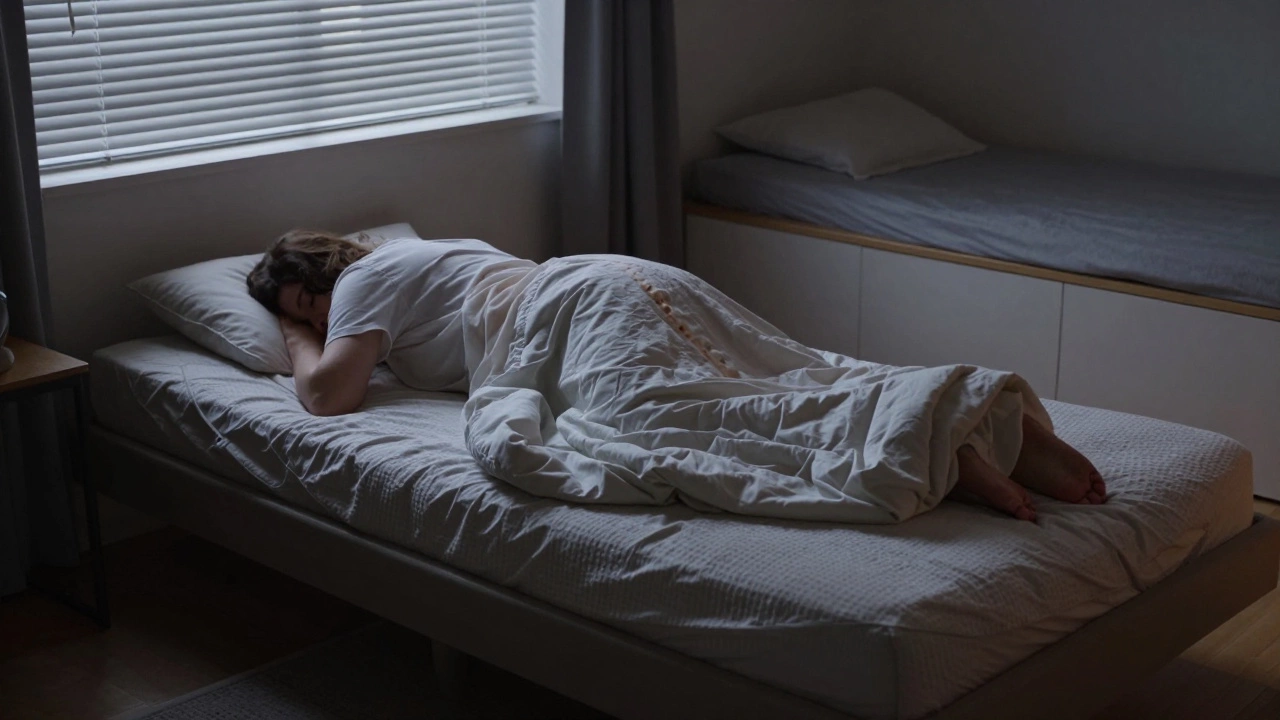
Sleeping on a sofa bed every night might seem practical, but it can hurt your back and sleep quality. Learn what makes a sofa bed suitable for daily use-and what alternatives actually work better.
More