
Sofa Away from Wall: Why Placement Matters for Comfort and Space
When you place a sofa away from wall, a furniture positioning strategy that creates breathing room between the back of the sofa and the wall. Also known as floating sofa placement, it’s not just about style—it’s about how your body moves, how air circulates, and how light hits your space. Most people assume sofas belong flush against the wall because that’s how showrooms display them. But in real homes, especially in the UK where space is tight and humidity is high, that setup can trap moisture, block airflow, and make a room feel smaller and stiffer.
Putting your sofa, a primary seating piece designed for comfort and social interaction in living areas even a few inches off the wall changes everything. It lets you walk behind it, opens up visual depth, and gives your rug and side tables room to breathe. You’ll notice better airflow, especially in damp climates like ours, which helps prevent mold on upholstery and wood frames—something we’ve seen go wrong in too many storage and living room setups. A sofa pulled away also makes it easier to clean underneath and reduces pressure on wall paint and wallpaper from constant contact.
This isn’t just about aesthetics. When your living room layout, the arrangement of furniture and decor to optimize movement, function, and visual balance includes a sofa away from the wall, it naturally creates a conversation zone. Think of it like setting up a campfire—you want people to gather inward, not pressed against a cold surface. It works especially well with sectional sofa arrangement, a flexible configuration of connected seating pieces that can define zones without walls. You can angle pieces to face each other, add a rug underneath, and let lighting flow around the edges. This setup is what makes modern UK homes feel lived-in, not staged.
And it’s not just for big spaces. Even in compact flats, pulling the sofa back just 6 to 12 inches can make the room feel more open. You’ll find room for a slim console table behind it, or a floor lamp to cast soft light. You’ll also avoid the weird echo that happens when sound bounces off a flat wall right behind your head while you’re watching TV. Plus, if you’ve ever tried to tuck a cushion back into place only to scrape your hand on a radiator or baseboard, you know why clearance matters.
Below, you’ll find real advice from people who’ve lived with their sofas in every possible spot—from jammed against the wall to floating in the middle of the room. We’ve pulled together tips on spacing, lighting, rug sizing, and how to avoid the common mistake of making your sofa look like it’s floating in space without purpose. Whether you’re working with a small apartment, a cottage, or a modern open-plan home, these insights will help you get the most out of your seating without spending a penny.
Why You Shouldn't Put Your Couch Against the Wall
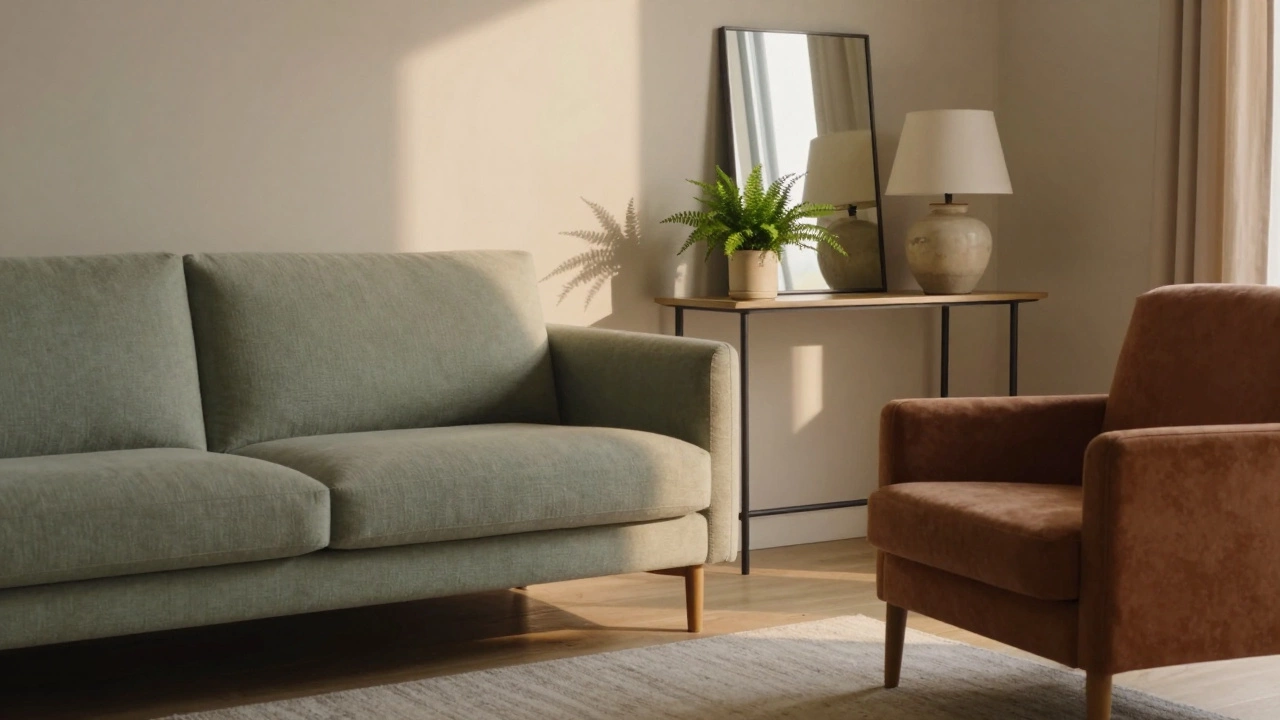
Pushing your couch against the wall makes rooms feel smaller, limits airflow, and wastes valuable space. Learn why pulling it away improves comfort, layout, and even air quality-without spending a dime.
More