
Sofa Bed Health: How Your Sleeping Sofa Affects Your Back, Sleep, and Daily Comfort
When you sleep on a sofa bed, a piece of furniture designed to serve as both a seating area and a sleeping surface. Also known as a pull-out sofa, it’s a space-saving staple in small homes, guest rooms, and urban apartments. But if you’re using it regularly—not just for guests—it might be quietly hurting your back, neck, and sleep quality. Unlike a proper mattress, most sofa beds have thin, flat cushions that don’t support your spine’s natural curve. Over time, this can lead to chronic lower back pain, poor posture, and disrupted sleep cycles.
The real issue isn’t just the mattress thickness—it’s how the frame and mechanism affect your body alignment. A sofa bed frame, the structural base that holds the mattress and allows it to convert from couch to bed made of cheap metal or weak wood can sag or tilt, forcing your hips to sink while your shoulders stay elevated. This misalignment stresses your spine. And if you’re sleeping on one every night, you’re not just resting—you’re training your body to hold a bad position. Studies on sleep posture show that people who sleep on unsupportive surfaces report more morning stiffness and fatigue than those using medium-firm mattresses.
It’s not all bad news, though. Some modern sofa bed mattresses, the removable or fold-out sleeping surface designed for daily use now come with memory foam layers, pocket springs, or hybrid designs that actually mimic the support of a real bed. The trick is knowing what to look for: at least 6 inches of cushioning, no visible sag when you sit on it, and a frame that locks firmly in place. Brands that specialize in dual-use furniture often test their models for durability and spinal alignment—something you won’t find on a discount store model.
And then there’s the posture factor. Sitting on a sofa bed during the day isn’t the same as sitting on a proper chair. The low, soft seat encourages slouching, which tightens your hip flexors and weakens your core. If you use it as a daytime couch too, you’re doubling the risk—your body gets no real recovery time. That’s why people who rely on sofa beds for daily use often end up with tight hamstrings, rounded shoulders, and headaches from poor neck positioning.
So what’s the fix? You don’t need to throw out your sofa bed. But if you’re sleeping on it regularly, consider adding a high-density foam topper, checking the frame for wobble, and swapping out the original mattress for a better one. And if you’re using it as a couch, try sitting with a lumbar pillow and keeping your feet flat on the floor. Small changes make a big difference.
Below, you’ll find real-world guides on how to choose a sofa bed that won’t wreck your spine, how to fix common comfort issues, and what alternatives actually work better for long-term health. No fluff. Just practical fixes based on what people are actually experiencing.
Why You Shouldn't Fall Asleep on the Couch
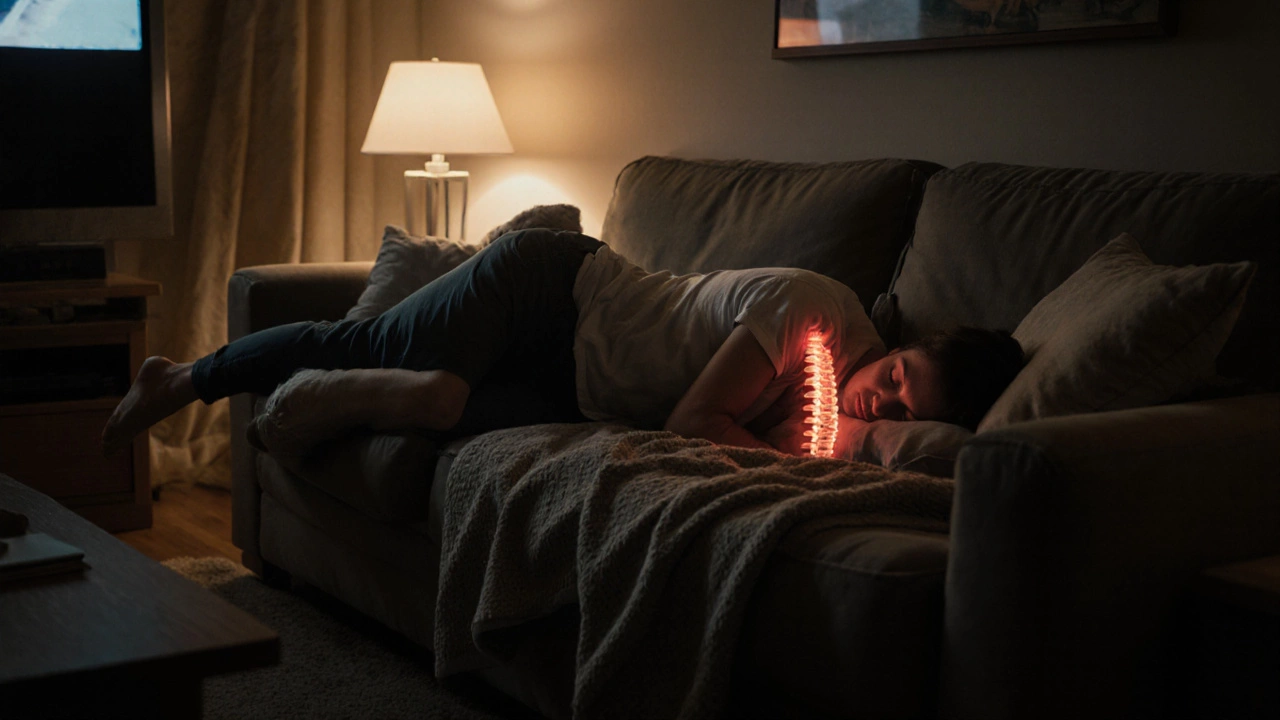
Falling asleep on the couch might feel relaxing, but it harms your spine, disrupts sleep, and causes chronic pain. Learn why your body needs a proper mattress-not a sinking cushion.
More