
Storing Furniture Long Term: How to Keep It Safe and Sound
When you're storing furniture long term, you're not just putting things away—you're protecting years of use, money, and memory. A wooden dresser, a leather sofa, or even a simple chair can fall apart if stored wrong. This isn't about fancy covers or expensive climate-controlled units. It's about understanding what actually causes damage and how to stop it before it starts. Storing furniture long term, the practice of safely keeping household items out of daily use for extended periods. Also known as long-term furniture storage, it’s something every homeowner in the UK deals with at some point—whether moving, renovating, or downsizing.
One of the biggest killers of furniture isn’t dust or dirt—it’s humidity, the invisible moisture in the air that causes wood to warp, metal to rust, and fabric to mildew. In the UK, damp basements, unheated garages, and poorly ventilated storage units are common traps. You might think wrapping a couch in plastic keeps it clean, but that plastic traps moisture inside and turns your sofa into a mold factory. Instead, breathable cotton covers, silica gel packs, and elevated pallets make a real difference. And if you’re storing a wooden dining table? Never leave it directly on concrete. Even a few inches of air gap stops capillary moisture from creeping up and ruining the legs.
Mold prevention storage, a set of simple, low-cost habits that stop fungal growth on organic materials like wood, fabric, and leather isn’t rocket science. Clean everything before storage—dust, grease, and even skin oils feed mold. Dry it completely. Use a dehumidifier if you can, or just open windows on dry days. Check your stored pieces every few months. A quick wipe-down with a dry cloth can catch problems early. And forget bubble wrap for long-term use. It traps moisture and leaves sticky residue on finishes. Instead, use acid-free paper for delicate surfaces and moving blankets for padding.
Then there’s the protect wood furniture, the process of shielding wooden pieces from environmental damage like cracking, warping, and finish degradation part. Wood breathes. It expands and contracts with temperature and moisture changes. That’s why you never store it near radiators, in direct sunlight, or in a cold, damp shed. A cool, dry, stable environment is ideal. If you’re storing a vintage dresser or a handmade cabinet, remove drawers and wrap them separately. Label everything. Don’t stack heavy items on top of each other—weight crushes joints over time. And never store leather with plastic wrap. It dries out. Use a breathable cotton sheet instead.
You’ll find posts here that dig into the real details: how to stop mold from eating your wardrobe, why bubble wrap is a bad idea for antiques, how to handle damp in UK storage units, and what to do when your couch has been sitting in a garage for six months. These aren’t theoretical tips. They’re the kind of advice you’d get from someone who’s seen furniture ruined by bad storage—and knows exactly how to fix it. Whether you’re storing a single chair or an entire living room set, the same rules apply. You don’t need to spend a fortune. You just need to know what to avoid.
How Long Can Furniture Last in Storage? Real-World Expectations by Material and Condition
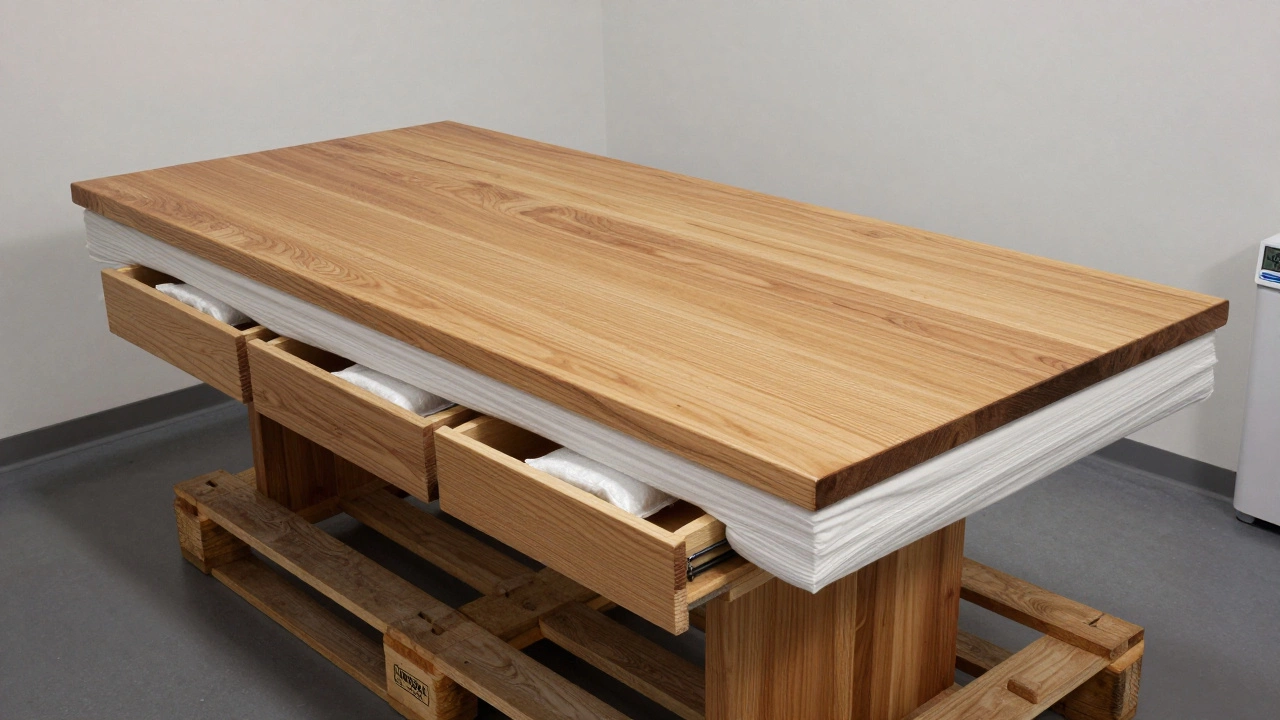
Learn how long different types of furniture last in storage based on material, humidity, and storage conditions. Get real tips to prevent damage from mold, rust, and warping.
More