
Wardrobe Materials: What Works Best for Durability, Style, and Sustainability
When you think about a wardrobe, a freestanding storage unit for clothes, often made from wood or engineered materials. Also known as a closet unit, it's one of the most used pieces in your home—and one of the least replaced. The material it’s made from decides how long it lasts, how it looks over time, and whether it’s kind to the planet. Too many people buy based on price alone, only to deal with warping, peeling, or broken hinges a few years later.
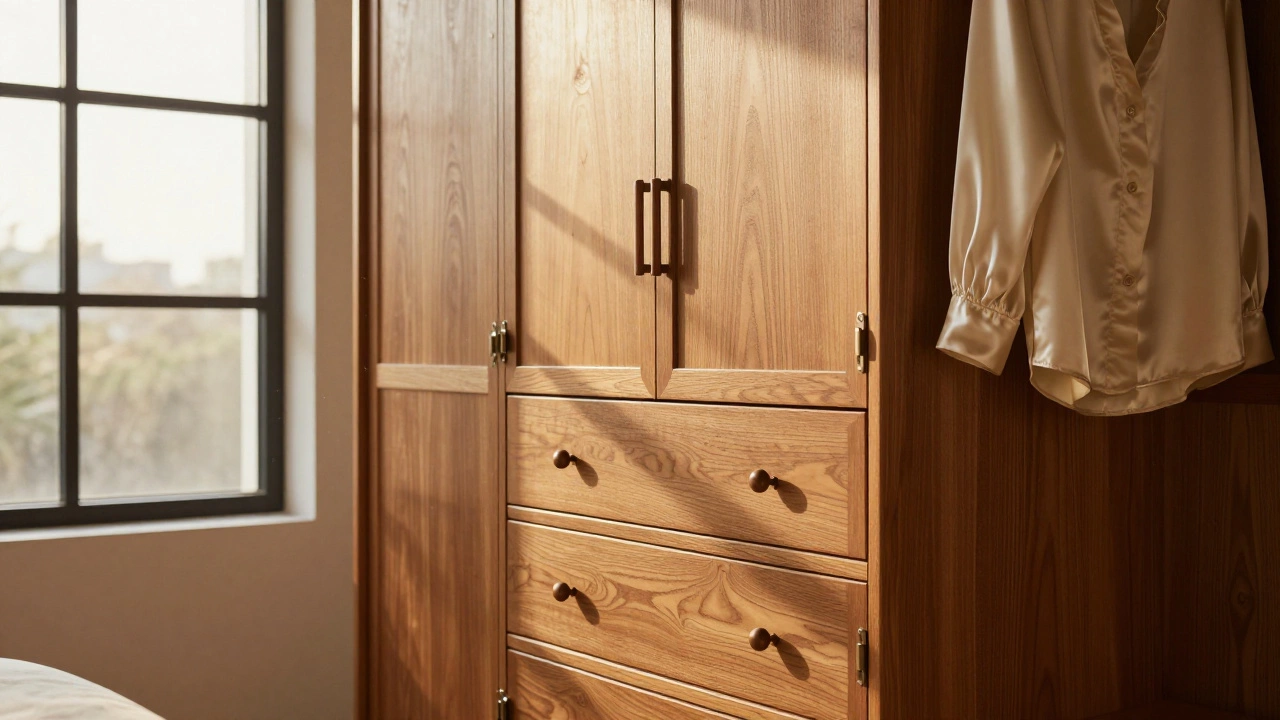
The most common wood wardrobe, a wardrobe made from solid timber like oak, pine, or walnut, known for strength and natural beauty lasts decades if cared for. It doesn’t just look good—it gets better with age. But solid wood isn’t the only option. MDF wardrobe, medium-density fiberboard, a pressed wood product often coated with veneer or laminate is cheaper and smooth to the touch, but it swells if it gets wet and can’t be sanded or repaired like real wood. Then there’s plywood wardrobe, layers of thin wood glued together, offering a balance of strength and affordability. It’s what you’ll find in most well-made, budget-friendly pieces, and it holds up surprisingly well in dry environments.
What’s missing from most shopping lists? Sustainability. If you’re buying new, ask where the wood came from. Is it FSC-certified? Is it reclaimed? A lot of wardrobes labeled "rustic" or "handcrafted" use leftover timber from other projects—that’s not just eco-friendly, it adds character. You’ll find pieces in our collection that use old barn wood, recycled doors, or offcuts from local joiners. These aren’t just furniture—they’re stories with legs.
And don’t forget the hardware. A cheap wardrobe might use thin metal rails or plastic glides that snap after a year. Look for solid steel runners, wooden drawers with dovetail joints, and hinges that feel heavy when you open them. Those details cost a little more upfront, but they’re the reason your wardrobe still works in ten years.
Some people think wardrobes are just boxes for clothes. But the right one? It’s part of your daily rhythm. It holds your routine. It survives moves, kids, humidity, and time. That’s why material matters more than color or style. You don’t replace a wardrobe every season—you live with it. So choose something that won’t let you down.
Below, you’ll find real-world advice on how different materials behave in storage, how to spot quality construction, and even how to refinish or wrap older pieces without replacing them. Whether you’re restoring a vintage find or buying new, these posts give you the facts—not the fluff.
Why Are Wardrobes So Expensive? The Real Reasons Behind the Price Tag
Wardrobes cost so much because of solid wood, high-quality hardware, custom fitting, and professional labor. Learn why a $2,000 wardrobe might actually be cheaper than replacing a $500 one every few years.
More