
When you buy outdoor furniture, you don’t want it to crack, fade, or warp after one winter. You want something that laughs at rain, sun, frost, and wind - and still looks good five years later. So what’s actually the hardest-wearing outdoor furniture out there? Not the prettiest. Not the cheapest. Not the one with the most cushions. The stuff that survives.
Teak: The Gold Standard That Doesn’t Quit
Teak wood has been the go-to for outdoor furniture since the 1800s, and for good reason. It’s dense, oily, and naturally resistant to rot, insects, and moisture. You won’t find a single chemical treatment on a true teak piece - it doesn’t need it. The oil inside the wood keeps it from splitting, even when temperatures drop below freezing.
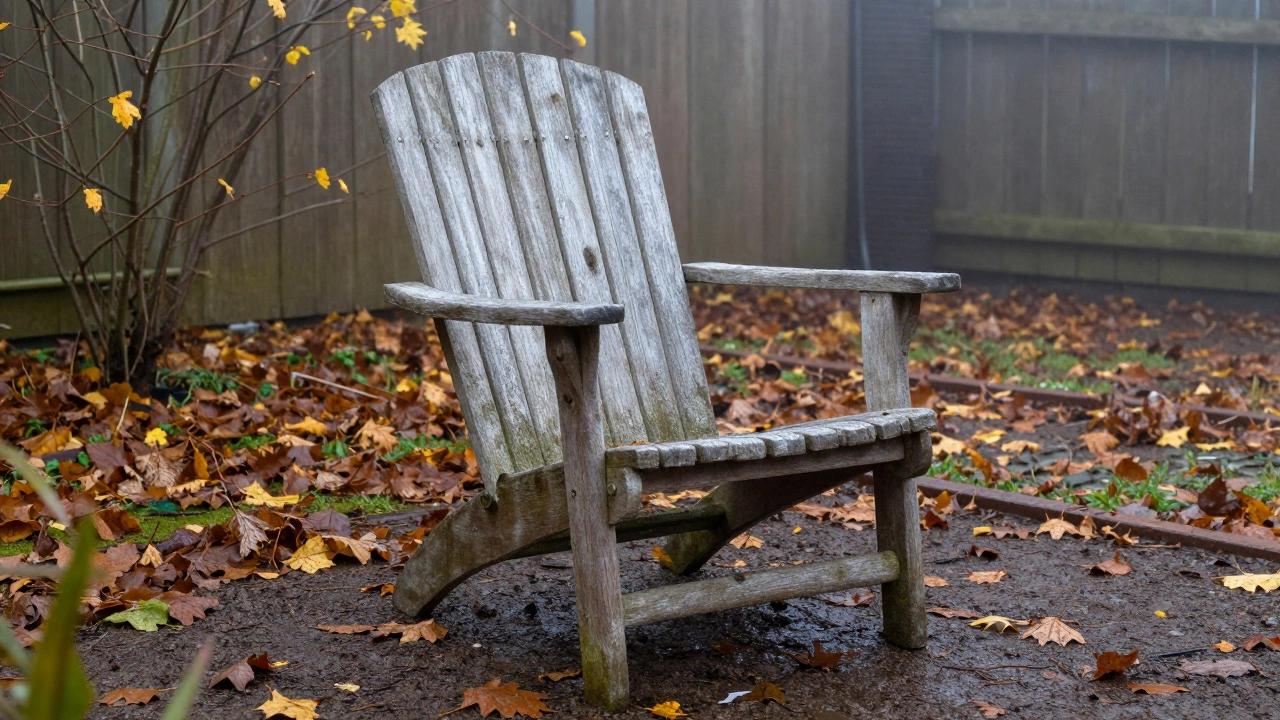
Real teak turns a soft silver-gray over time if you leave it untreated. That’s not damage - it’s a patina. People who love teak don’t sand it back to golden brown every spring. They let it age. And it still holds up. A well-made teak chair from a reputable maker can last 30 to 50 years with zero maintenance. Even in coastal areas with salt air, teak holds strong. The Royal Navy used teak for deck furniture for decades. If it survived salt spray and constant movement on a ship, it’ll handle your backyard.
Watch out for fake teak. Some sellers use acacia, eucalyptus, or even pine stained to look like teak. True teak comes from Southeast Asia and has a distinct oily smell and a smooth, almost waxy feel. It’s heavier than most woods. If it feels light and smells like sawdust, it’s not teak.
Aluminum: The Lightweight Champion That Won’t Rust
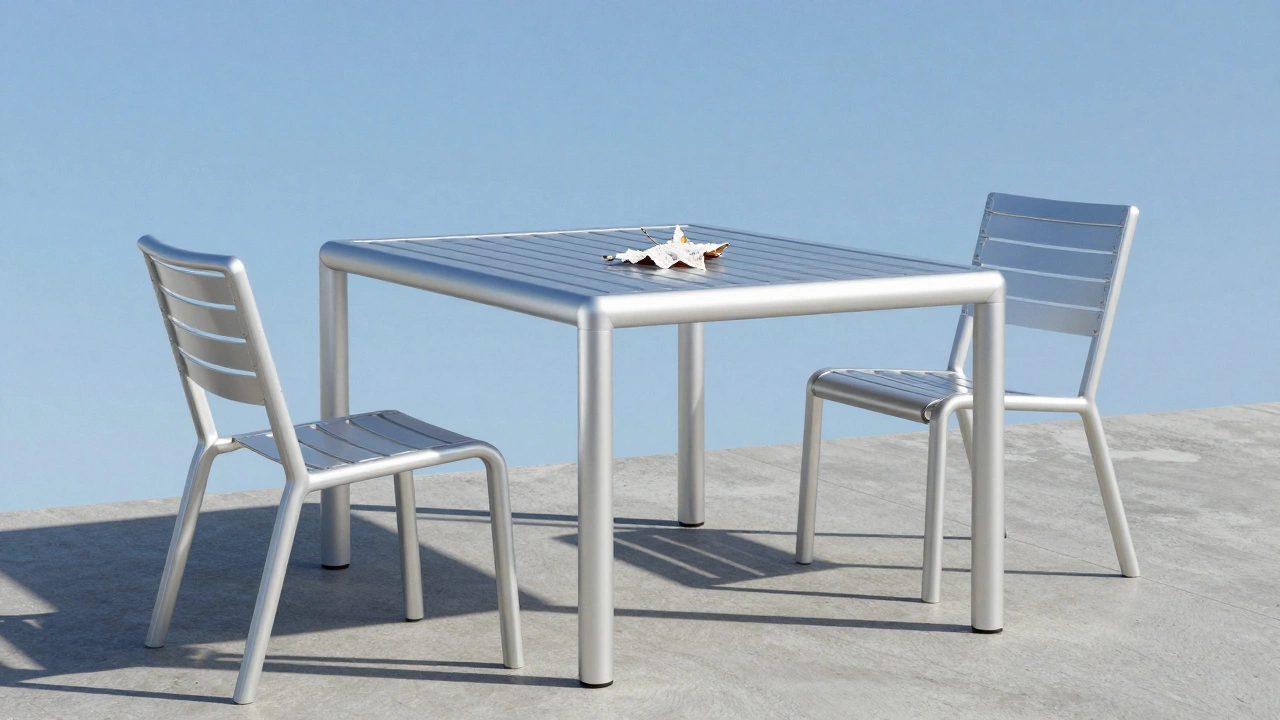
If you want furniture that won’t corrode, won’t rot, and is easy to move around, aluminum is your answer. Not just any aluminum - marine-grade, powder-coated aluminum. This isn’t the thin, flimsy stuff you find at discount stores. It’s extruded, thick-walled, and finished with a UV-resistant powder coat that won’t chip or peel under summer sun.
Aluminum furniture is perfect for places with heavy snow or coastal humidity. It doesn’t absorb water, so it won’t swell or crack. No need to cover it in winter. Just wipe it down. A good aluminum dining set can last 20+ years without losing its shape or color. Brands like Brown Jordan and Tropitone have been making aluminum pieces since the 1950s - and many are still in use today.
One downside? Aluminum gets hot. If you leave a chair in direct sun, the frame can get too warm to sit on. That’s why most quality sets use slatted designs or add cushions. The frame stays cool enough to touch, and the cushion takes the heat.
HDPE Lumber: Plastic That Outlasts Wood
High-Density Polyethylene (HDPE) lumber is made from recycled plastic bottles and wood fibers. Sounds weird? It works better than you think. This material doesn’t rot, splinter, or absorb water. It’s impervious to mold, mildew, and insects. You can leave it outside year-round, even in freezing rain, and it won’t warp or crack.
Unlike cheap plastic furniture that turns brittle after a few years, HDPE is engineered to flex slightly under stress. That means it won’t snap when you sit too hard or when snow piles on it. It’s also easy to clean - just hose it off. No staining, no sealing, no sanding. Ever.
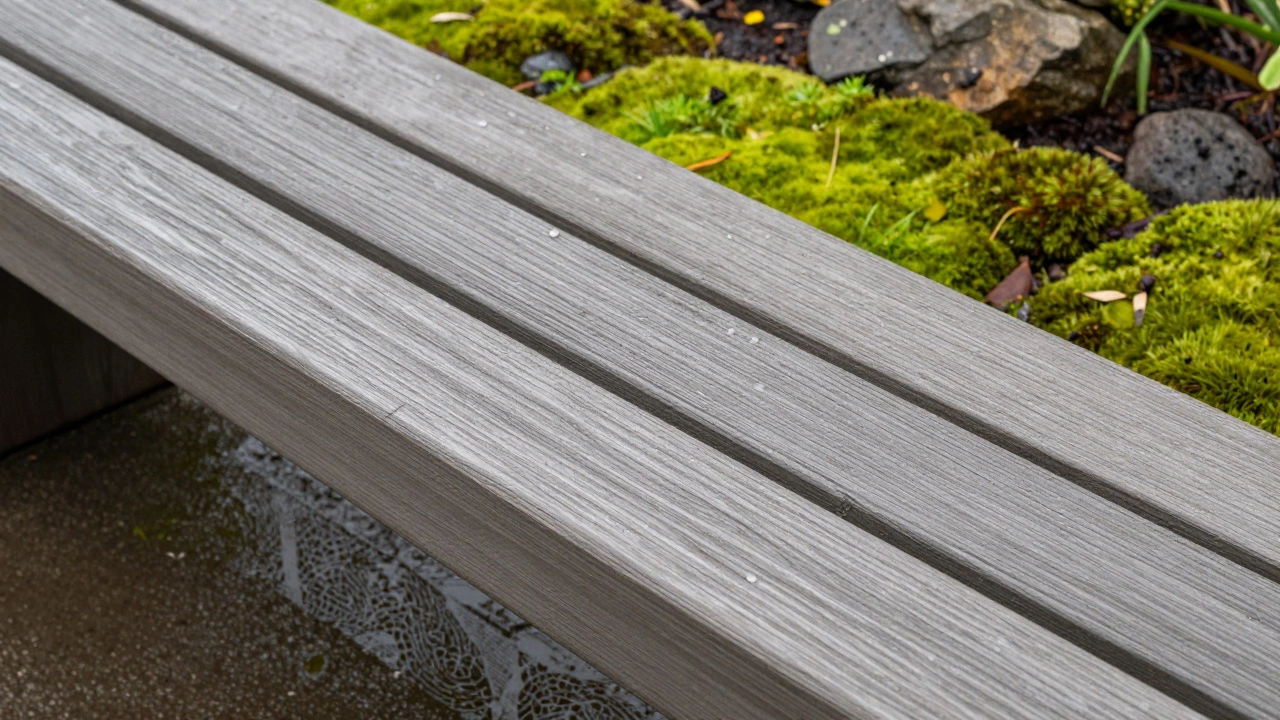
Brands like Trex, Polywood, and Tropitone use HDPE for their premium lines. The color goes all the way through, so scratches don’t show. It’s available in wood-grain finishes that look like teak or cedar - but without the upkeep. A HDPE bench from 2015 is still in use today in parks and gardens across the UK.
Stainless Steel: For the Ultra-Durable
Stainless steel isn’t common in outdoor furniture - but when it is, it’s built to last generations. Marine-grade 316 stainless steel resists salt, chlorine, and acid rain. It’s used in lighthouses and ship fittings for a reason. A stainless steel frame with a powder-coated or woven seat can survive decades of exposure.
It’s expensive. A stainless steel dining set can cost twice as much as teak. But if you’re planning to live in your home for 30 years and want furniture that outlasts your kids’ college degrees, this is it. The only real risk is scratches. They don’t affect function, but they’re visible. Some people like the industrial look. Others prefer to avoid it.
Stainless steel is best for modern designs. It doesn’t blend into a cottage garden, but it’s perfect for urban rooftops, seaside patios, or minimalist yards.
What to Avoid: The Common Mistakes
Not all outdoor furniture is built to last. Here’s what crumbles fast:
- Pressure-treated pine: It looks like wood, but it’s full of chemicals that leach out. After 3-5 years, it starts to splinter and rot from the inside.
- Wrought iron: Heavy and stylish, but it rusts. Even painted iron will chip and corrode in damp climates. You’ll spend more time sanding and repainting than sitting.
- Low-grade plastic: The thin, brittle stuff from discount stores. It turns chalky in the sun and cracks in cold weather. Lasts one season, tops.
- Wicker made from synthetic fibers: Many "all-weather wicker" pieces are just cheap polyester wrapped around metal frames. The fibers fray, fade, and become brittle within 2-3 years.
If you see furniture labeled "resin wicker" or "polyrattan" without mentioning HDPE or high-density polyethylene, it’s probably not built to last. Check the frame. Is it aluminum or steel? Or is it just flimsy iron? That’s your clue.
Real-World Test: What Survives in the UK Climate?
Here in Birmingham, we get rain 180 days a year, freezing winters, and sudden heatwaves. Furniture that works here works everywhere.
A local garden center tested five types of chairs in a side yard from 2019 to 2025. They were left uncovered, exposed to wind, frost, and sun. After six years:
- Teak chair: Slightly faded, no cracks, still solid. Owner says it’s "better than new."
- HDPE bench: Color unchanged, no fading. No signs of wear.
- Aluminum set: Powder coat intact. No rust. One leg had a small dent from a falling branch - but it didn’t bend further.
- Wrought iron: Rust spots under the paint. Paint peeled off in three places. Needed sanding and repainting.
- Low-grade plastic: Cracked in the seat. One armrest snapped off in a frost.
Teak, aluminum, and HDPE won. The rest? Trash.
How to Spot Quality When You Shop
Price doesn’t always mean quality - but smart design does. Here’s what to look for:
- Frame thickness: Aluminum should be at least 1.2mm thick. Teak should feel dense, not hollow.
- Joinery: Look for mortise-and-tenon joints in wood, or welded seams in metal. Screws and bolts alone? Red flag.
- Finish: Powder coating should be smooth and even. No drips or bubbles. Teak should have a natural oil sheen, not a glossy varnish.
- Warranty: If a company offers a 10-year warranty on outdoor furniture, they’re confident. If it’s only 1-2 years, they know it won’t last.
Don’t be fooled by "weather-resistant" labels. That’s marketing speak. Ask: "What happens if I leave this outside in January?" If they hesitate, walk away.
Final Verdict: What’s Truly the Hardest-Wearing?
There’s no single winner - but there are three clear champions:
- Teak - for traditional beauty and unmatched longevity.
- HDPE lumber - for zero maintenance and modern looks.
- Marine-grade aluminum - for lightweight durability and rust-proof reliability.
These aren’t just "good" materials. They’re the only ones that truly outlive their owners. Buy one of these, and you’re not just buying furniture. You’re buying peace of mind.
Everything else? It’s temporary. And in a place like the UK, temporary doesn’t cut it.
Is teak worth the high price for outdoor furniture?
Yes, if you want furniture that lasts decades with no maintenance. Teak’s natural oils make it resistant to rot, insects, and weather. A quality teak piece can last 30-50 years. Cheaper woods fade and crack in 5-7 years. You pay more upfront, but you save money over time.
Can HDPE furniture handle freezing temperatures?
Absolutely. HDPE is designed to flex in cold weather instead of cracking. Unlike plastic or wood, it doesn’t absorb moisture, so freezing rain won’t damage it. Many HDPE benches in UK parks have survived over 15 winters without issue.
Do I need to cover my outdoor furniture in winter?
Not if it’s made from teak, HDPE, or marine-grade aluminum. These materials don’t need protection from rain, snow, or frost. Covers are only necessary for cushions, fabrics, or low-quality furniture that can degrade over time. Leaving quality pieces uncovered saves money and effort.
Why does my aluminum furniture feel hot in the sun?
Aluminum conducts heat well, so the frame can get warm in direct sunlight. That’s why quality sets use slatted designs or include cushions - the seat surface stays cooler. You can also choose lighter colors, which absorb less heat. It’s not a flaw - just a characteristic of the material.
What’s the best outdoor furniture for a small garden?
Lightweight aluminum or HDPE sets are ideal. They’re easy to move, don’t rust, and come in compact designs. Teak is sturdy but heavy, so it’s better for larger spaces. Look for foldable chairs or nesting tables to save space. Avoid bulky wrought iron - it takes up room and needs constant upkeep.
Write a comment