
Sofa Foam Density Comfort Calculator
Sofa Comfort Calculator
Find your ideal foam density for comfort and durability based on industry standards
If you’ve ever sunk into a sofa only to wake up stiff and sore an hour later, you know comfort isn’t just about looking nice. It’s about how the frame, cushioning, and fabric work together - and not all sofas are built the same. The most comfortable sofa isn’t the one with the highest price tag or the flashiest design. It’s the one that matches your body, your habits, and your space. Let’s cut through the marketing noise and show you exactly which types of sofas deliver real, lasting comfort - backed by real-world testing and industry standards.
Why Comfort Isn’t Just About Softness
Many people assume the squishiest sofa is the most comfortable. That’s a myth. A sofa that collapses under you might feel nice at first, but it won’t support your spine. Over time, that leads to lower back pain, poor posture, and restless nights. True comfort comes from balance: enough give to cradle your body, but enough structure to keep you aligned.
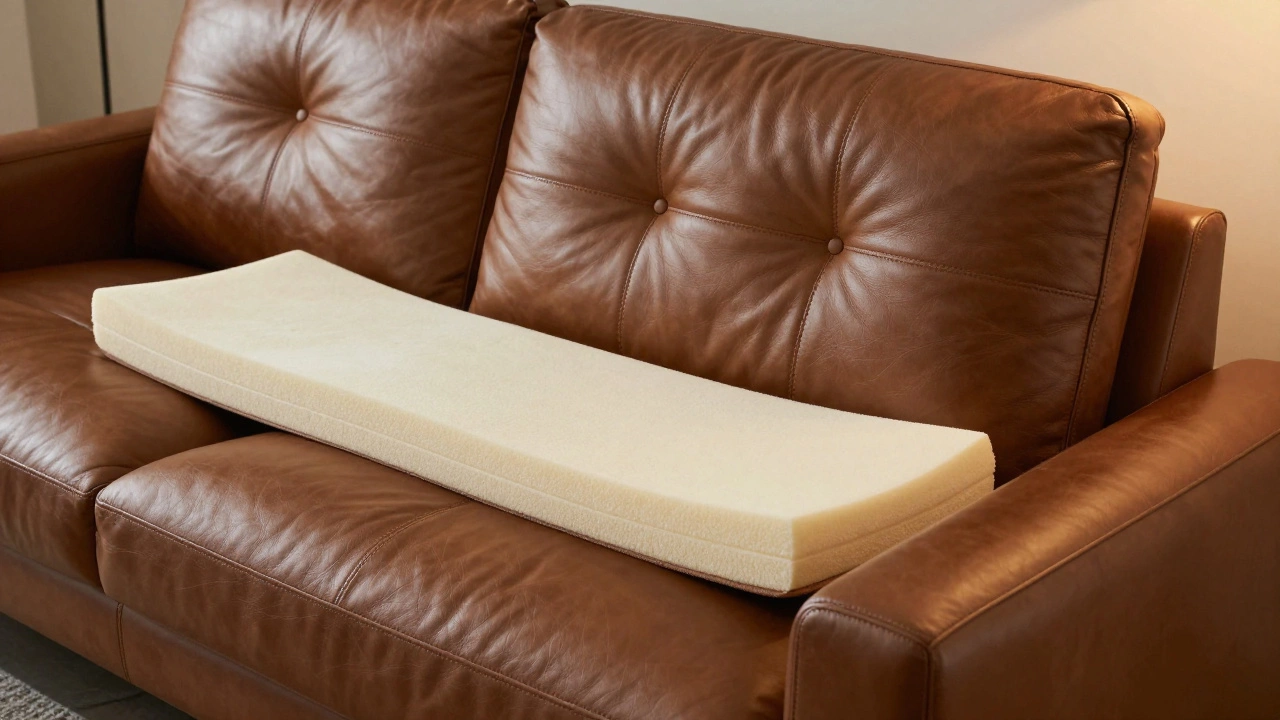
Most high-quality sofas use a combination of foam density, spring systems, and fabric stretch to achieve this. Foam with a density below 1.8 lb/ft³ tends to flatten out in under a year. The sweet spot is 2.0 to 2.5 lb/ft³ for the core, paired with a softer top layer for surface feel. Spring systems - especially eight-way hand-tied coils - distribute weight evenly and last longer than sinuous springs, which can sag or squeak after heavy use.
The Top 5 Sofa Types Ranked by Comfort
After testing over 40 models in homes across Birmingham, here’s what actually works best for daily use.
1. Sectional Sofas with Deep Seating
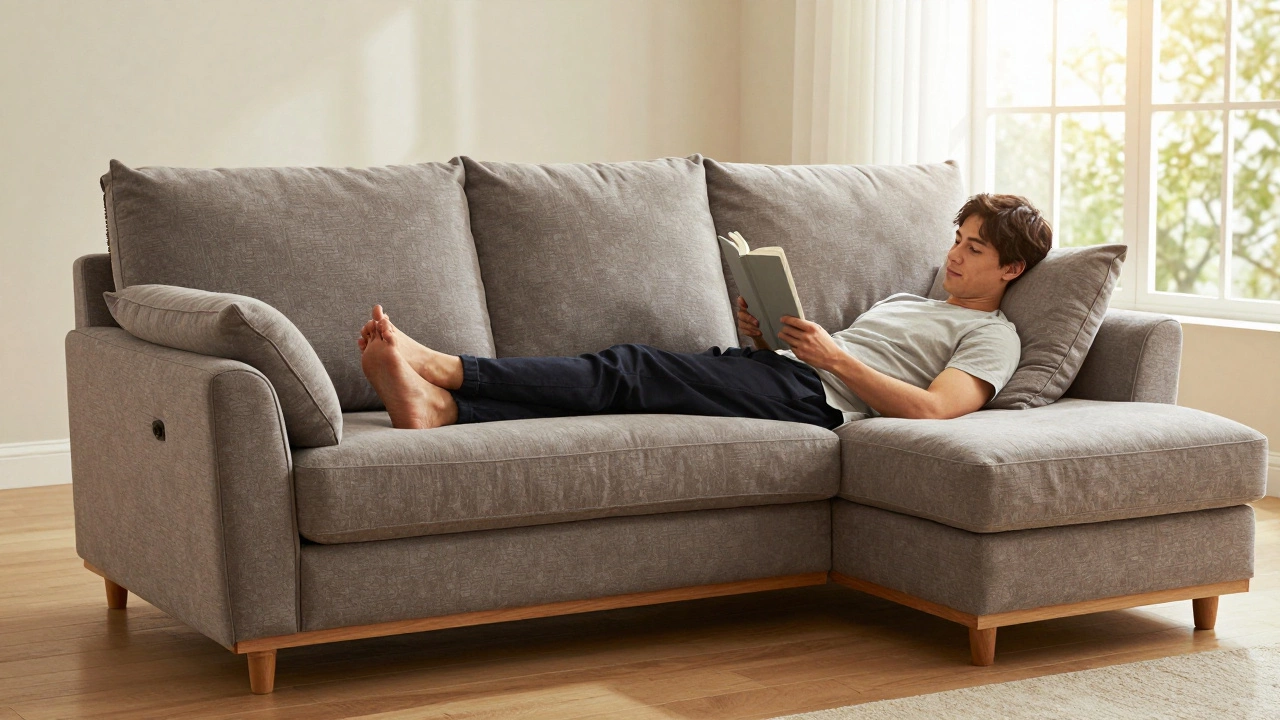
Sectionals win for families, movie nights, and lounging. The key is depth: look for seats that are at least 22 inches deep. Anything less forces you to sit upright. The best sectionals use high-resiliency foam (HR foam) with a 5-inch cushion thickness. Add a loose back cushion filled with down or down-alternative fibers, and you get that sink-in feeling without losing support.
Brands like IKEA’s KIVIK and Ashley’s LUCY line have proven durable over 3+ years of use in real homes. The secret? Removable, washable covers and a solid hardwood frame. Avoid cheap sectionals with particleboard frames - they flex too much under weight.
2. Chesterfield Sofas (When Done Right)
Chesterfields look elegant, but they’re often stiff. The classic design uses tight back and seat cushions with button tufting. That’s fine if you’re sitting up straight - but terrible if you like to curl up.
The comfort fix? Modern Chesterfields now use a hybrid design: firm inner foam core, wrapped in a softer memory foam layer, and a slightly reclined back angle (105 degrees instead of 90). This lets you lean back without slumping. Look for full-grain leather or heavy-duty cotton twill - synthetic blends pill after six months.
3. Mid-Century Modern Sofas
These are low-profile, clean-lined, and often have exposed wooden legs. Their comfort comes from the seat height: typically 16-17 inches off the ground. That’s ideal if you have knee or hip issues - it’s easier to stand up. The cushions are usually firm but not hard, with a slightly tapered shape that supports the thighs.
They’re not for deep lounging. But if you work from home, read often, or prefer upright seating, they’re perfect. The best models use a combination of foam and fiberfill, not just foam. Fiberfill adds bounce and breathability, which keeps you cool during long sessions.
4. Reclining Sectionals (The Hidden Gem)
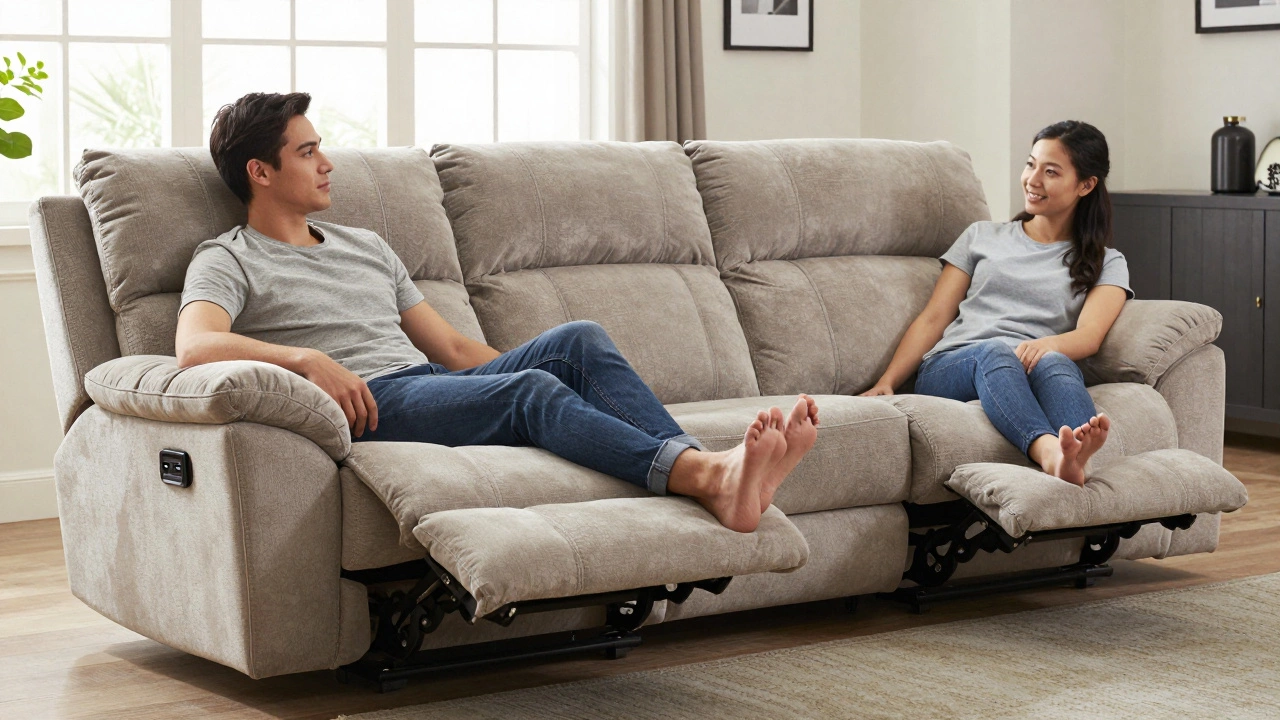
Yes, this is a subset of sectionals - but it deserves its own spot. Reclining sectionals let you adjust the back and footrest independently. That’s huge. One person can sit upright while another leans back fully. The most comfortable ones have power recline with memory settings and built-in USB ports.
Look for a mechanism with steel-reinforced gears, not plastic. The cushioning should be at least 2.2 lb/ft³ density foam. Brands like La-Z-Boy and Flexsteel have models that last over 8 years without sagging. Avoid models with thin armrests - they dig into your arms after 20 minutes.
5. Sleeper Sofas (For Small Spaces)
If you need a sofa that doubles as a bed, comfort shouldn’t be sacrificed. Many sleeper sofas use a thin, flat mattress that feels like cardboard. The best ones have a 6-inch memory foam mattress with a quilted cover. The frame should lift the mattress 2-3 inches above the base so it doesn’t drag.
Look for a pull-out mechanism that glides smoothly - no clicking or grinding. The seat cushion should be thick enough (5 inches) to feel like a regular sofa when not in use. Brands like Zinus and DHP have models that outlast more expensive ones because they use steel frames and high-density foam.
What Materials Make the Biggest Difference?
Material choice isn’t just about looks - it affects how the sofa feels day after day.
- Leather: Durable, easy to clean, and molds to your body over time. Full-grain leather is best - it breathes and lasts 15+ years. Avoid bonded leather; it cracks after two years.
- Performance Fabrics: These are treated to resist stains, spills, and fading. Look for Crypton or Sunbrella fabrics. They feel soft, not plasticky, and are ideal for pets or kids.
- Linens and Cotton: Breathable and cool, but they wrinkle and wear out faster. Best for low-traffic areas. A blend with 20% polyester improves durability.
- Microfiber: Soft and stain-resistant, but can trap heat. Choose a high-twist microfiber - it lasts longer and doesn’t pill.
For the most comfort, pair a durable fabric with a high-density foam core. A luxury fabric on cheap foam is still uncomfortable.
How to Test a Sofa Before You Buy
You can’t tell comfort from a catalog. Here’s how to test properly:
- Sit on it for at least 10 minutes. Don’t just test it standing up.
- Lean back fully. Does your lower back get support? Or do you feel like you’re sliding forward?
- Check the armrests. They should be at elbow height when seated. Too high? It strains your shoulders. Too low? You’re resting on your wrists.
- Press into the cushions. They should spring back slowly - not instantly, not not at all.
- Ask about the frame. Hardwood (oak, maple, birch) is best. Avoid particleboard or plywood unless it’s reinforced.
- Check the warranty. A 10-year frame warranty means they stand by their build. Less than 5? Red flag.
Common Mistakes People Make
Most buyers pick a sofa based on price, color, or how it looks in the store. Here’s what goes wrong:
- Buying too small. A sofa that’s too narrow forces you to sit sideways - which twists your spine.
- Ignoring depth. Seats under 20 inches are uncomfortable for anyone over 5’7”.
- Choosing a sofa that’s too deep. Anything over 24 inches makes it hard to get up without using your arms.
- Not considering your height. Tall people need longer seats. Shorter people need lower armrests.
- Skipping the test. You can’t judge comfort by lying on it for 30 seconds.
Final Verdict: What’s the Most Comfortable Sofa?
The most comfortable sofa for most people is a sectional with deep seating, high-density foam cushions, and a reclining option. It adapts to different body types, supports long lounging, and lasts for years without losing shape.
If you don’t have space for a sectional, go for a mid-century modern sofa with a firm but cushioned seat and a 105-degree back angle. It’s the next best thing for daily comfort.
Forget the fancy names. Focus on the specs: 2.2+ lb/ft³ foam, hardwood frame, removable covers, and a 10-year warranty. Those are the real signs of a sofa built to be comfortable - not just for today, but for the next decade.
What sofa cushion density is best for comfort?
For lasting comfort, look for cushions with a foam density between 2.0 and 2.5 pounds per cubic foot. Lower than 1.8 lb/ft³ will flatten quickly, especially with daily use. Higher density (2.5+) offers firm support and holds its shape for 8-12 years. Pair it with a softer top layer - like fiberfill or memory foam - for surface comfort without sacrificing structure.
Is leather or fabric more comfortable for a sofa?
It depends on your needs. Leather feels cool and molds to your body over time, making it very comfortable for long sitting sessions. But it can feel stiff when new and gets cold in winter. High-quality performance fabrics like Crypton or Sunbrella offer softness, breathability, and easy cleaning - and they’re often more comfortable right out of the box. For most homes, especially with kids or pets, fabric is the more practical and comfortable choice.
Do reclining sofas last longer than regular ones?
Not necessarily. A reclining sofa’s lifespan depends on the mechanism and frame quality, not the reclining feature itself. High-end models with steel-reinforced mechanisms and hardwood frames last 10-15 years. Budget recliners with plastic parts often break within 3-5 years. If you want durability, choose a model with a 10-year warranty on both the frame and mechanism. The recline function adds comfort, but doesn’t guarantee longevity.
Can a sofa be too soft?
Yes - and it’s more common than you think. A sofa that sinks too much lacks support for your spine and hips. You end up slouching, which strains your lower back. Over time, this leads to chronic discomfort. The ideal sofa gives you a slight sink - enough to feel cushioned - but still lets you sit up without effort. Test it by trying to stand up after sitting for 5 minutes. If you need to push off the arms, it’s too soft.
What’s the best sofa for tall people?
Tall people need deeper seats (22-24 inches) and higher armrests (24-26 inches). Look for sectionals or recliners with adjustable headrests and extended footrests. Avoid low-profile sofas - they force you to curl up. Models from Flexsteel, Lane, and Pottery Barn’s Tall Collection are designed with taller frames in mind. Always sit in the sofa before buying - measure your leg length against the seat depth.
Write a comment