
Outdoor Furniture Decision Calculator
Select Your Priorities
Rate what matters most to you (1-5)
Your Results
Select your priorities to see recommendations
When you buy POLYWOOD outdoor furniture, you’re not just buying a chair or a table-you’re buying decades of weather resistance, zero maintenance, and that unmistakable solid feel that comes from recycled plastic lumber. But with prices often hitting $500 for a single chair, it’s natural to wonder: POLYWOOD competitors exist, and some might actually be better for your space, your budget, or your values.
What Makes POLYWOOD Different?
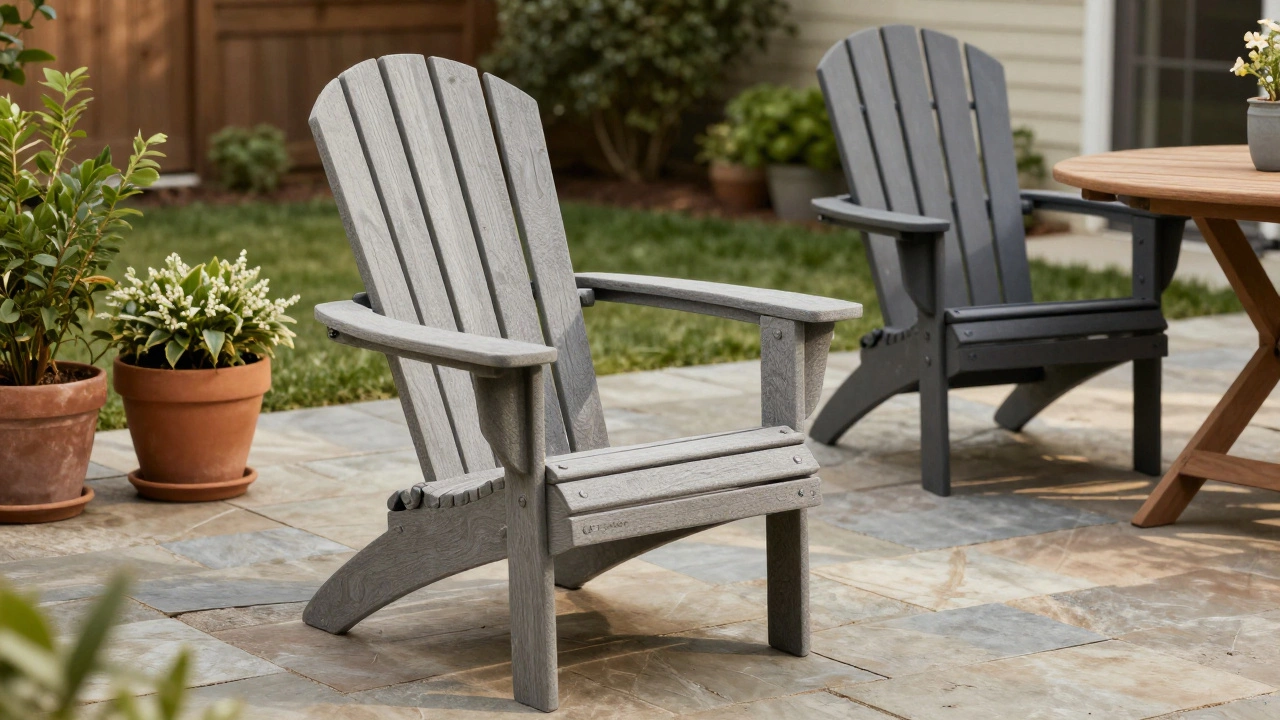
POLYWOOD isn’t just another outdoor brand. It’s built from HDPE plastic-mostly recycled milk jugs and detergent bottles-and molded into solid, seamless pieces. No wood grain to rot. No metal parts to rust. No cushions you have to store every winter. The material doesn’t crack in freezing temps or warp under summer sun. It’s rated for all climates, and most pieces come with a 20-year warranty. That’s why people pay the premium.
But here’s the thing: not everyone needs that level of durability. Not everyone wants to spend $2,000 on a full patio set. And not everyone cares that their furniture came from 500 recycled bottles. So who else is out there?
Teak Wood: The Natural Alternative
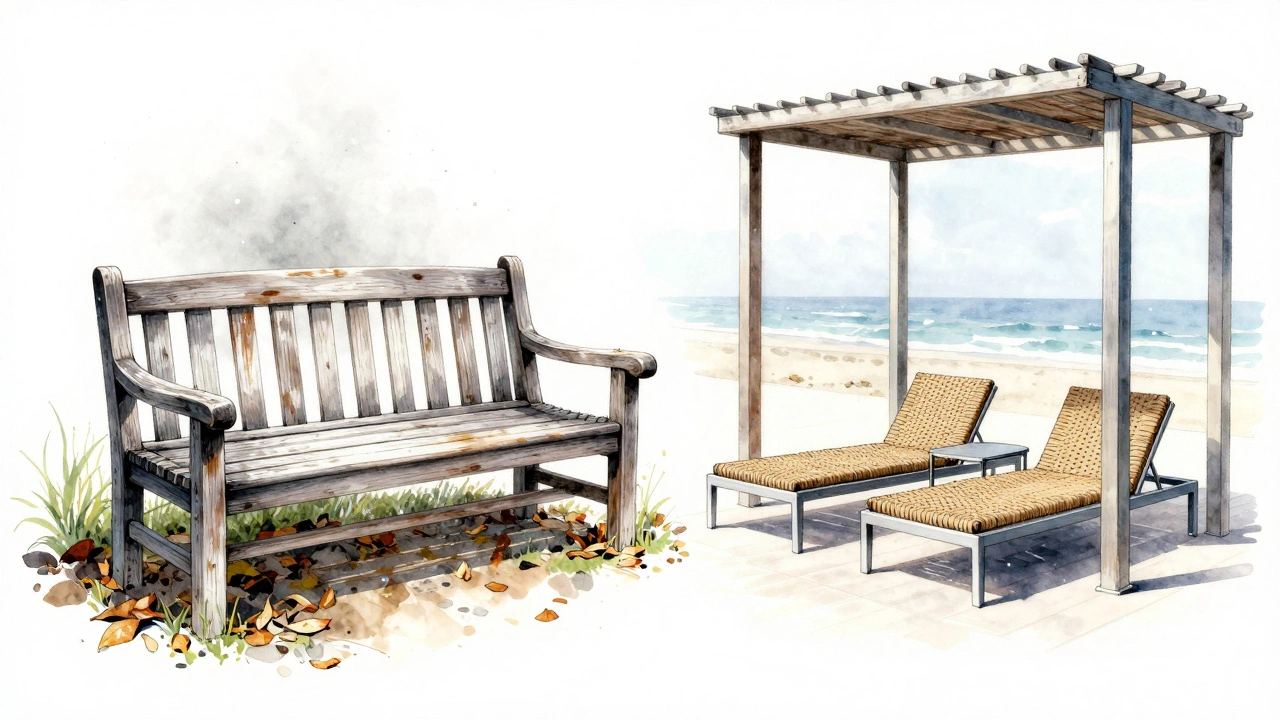
If you like the look of real wood but hate the upkeep, teak is the closest thing to POLYWOOD’s reliability-but with a totally different vibe. Teak is naturally oily, which makes it resistant to rot, insects, and moisture. High-grade teak from Indonesia or Myanmar can last 30+ years with just an annual oiling. Brands like Harbor Freight Teak, Brown Jordan, and Tropitone offer solid teak sets that look luxurious and age gracefully into a silvery gray.
But here’s the catch: teak costs more upfront than POLYWOOD. A teak Adirondack chair runs $400-$600. A full 5-piece dining set? $3,000-$5,000. And unlike POLYWOOD, teak needs occasional cleaning and oiling. If you’re okay with that, it’s a beautiful, sustainable option-especially if you source FSC-certified wood.
Aluminum: Lightweight and Modern
Aluminum outdoor furniture is the go-to for people who want sleek, modern lines and easy mobility. It’s lightweight, rustproof (if powder-coated), and often paired with weather-resistant woven resin or Sunbrella fabric cushions. Brands like CaliRattan, Argos Outdoor, and Gloster dominate this space.
Aluminum doesn’t have the heft of POLYWOOD, so it can feel less premium. Wind can move it. It gets hot in direct sun. But it’s the most affordable high-end option-sets start around $800, and you can find quality pieces at retailers like Wayfair or Amazon. It’s also 100% recyclable, which appeals to eco-conscious buyers who don’t care about recycled plastic.
Recycled Plastic: POLYWOOD’s Direct Rivals
Here’s where it gets interesting. POLYWOOD isn’t the only company making furniture from recycled HDPE. In fact, there are at least five solid competitors that use the exact same material, same process, and same warranty structure.
- Trex Outdoor Furniture-yes, the decking giant. Their line is nearly identical to POLYWOOD in material, color options, and durability. They even use the same recycled plastic sources. The big difference? Trex’s designs are more minimalist, and their pricing is often 15-20% lower.
- Landscape Structures-a company that started making playsets and scaled into outdoor furniture. Their pieces are chunkier, more rustic, and slightly cheaper. They also offer custom colors.
- Polywood’s own lesser-known sibling: Recycled Plastic Furniture Co. (based in Ohio). They don’t have the brand recognition, but their 20-year warranty is identical, and their chairs are made in the USA. You’ll find them on Etsy and niche outdoor retailers.
- Highwood-a Canadian brand that’s been around since the 90s. Their furniture is UV-stabilized, made from recycled plastic, and designed for extreme cold. If you live in the northern U.S. or Canada, Highwood is often the preferred choice.
- Yardistry-a budget-friendly option sold at Home Depot. Their recycled plastic line is decent for the price ($200-$350 per chair), but the warranty is only 5 years. It’s good for renters or temporary setups.
These brands are the real competition-not teak or aluminum. They’re the same material, same durability, same eco-credentials. The only differences are design, price, and where you buy them.
Wicker and Rattan: The Aesthetic Choice
Wicker and synthetic rattan (PE rattan) are the most popular outdoor styles in the UK and Europe. Brands like Gloster, Garden Trading, and Outsunny offer woven sets that look like natural fiber but are made from UV-resistant polyethylene. These are perfect if you want a cozy, boho feel.
But here’s the downside: woven furniture has seams, crevices, and joints where moisture can get trapped. Mold and mildew can form if not cleaned regularly. It also doesn’t last as long as solid plastic-expect 5-10 years with good care. It’s beautiful, but it’s not built to outlive your kids.
What You Should Choose Based on Your Needs
Let’s cut through the noise. Here’s a simple guide:
| Brand/Type | Material | Price Range (Per Chair) | Lifespan | Maintenance | Best For |
|---|---|---|---|---|---|
| POLYWOOD | Recycled HDPE | $400-$700 | 20+ years | None | Permanent, low-effort patios |
| Trex Outdoor | Recycled HDPE | $320-$550 | 20+ years | None | Same as POLYWOOD, but cheaper |
| Teak Wood | Hardwood | $400-$600 | 30+ years | Annual oiling | Luxury, natural look |
| Aluminum | Powder-coated metal | $200-$450 | 15-20 years | Occasional cleaning | Modern style, easy to move |
| PE Rattan | Woven polyethylene | $150-$350 | 5-10 years | Regular cleaning | Cozy, decorative spaces |
| Yardistry | Recycled HDPE | $200-$350 | 5-8 years | None | Renters, temporary use |
Why Most People Stick With POLYWOOD
Even with cheaper options, most buyers still choose POLYWOOD. Why? Because they’ve seen what happens to other furniture.
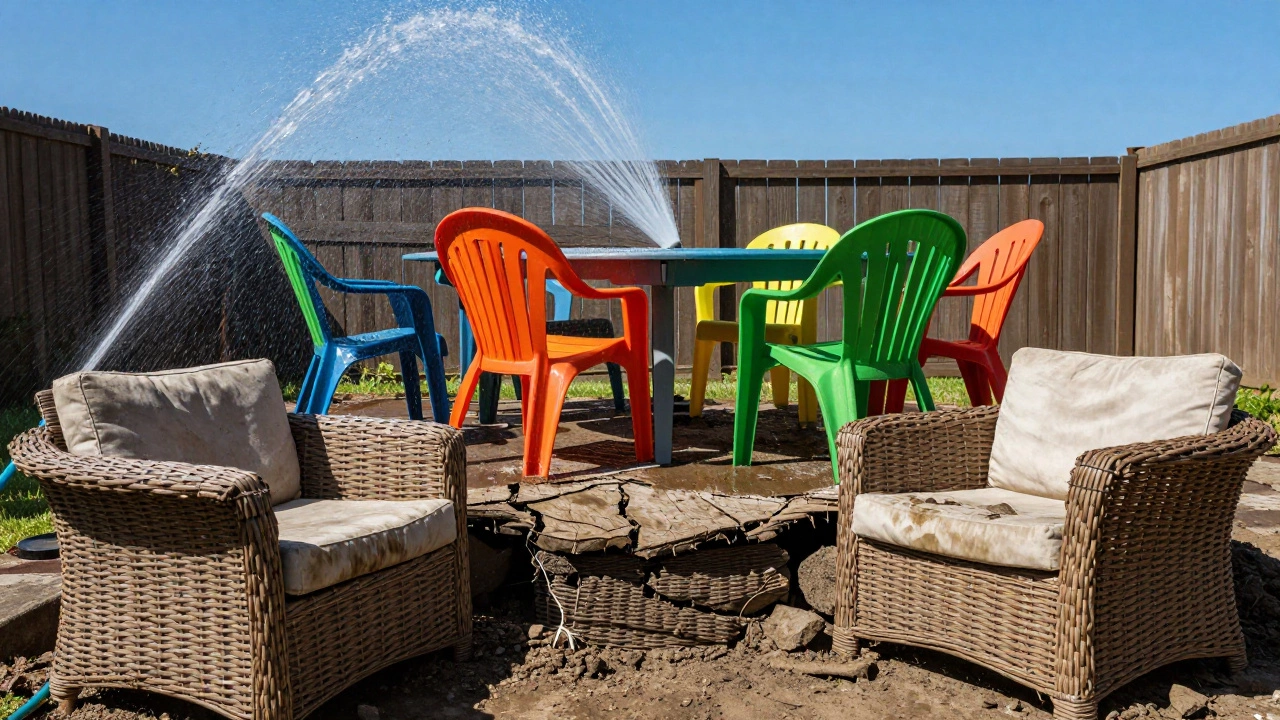
That aluminum set you bought on sale? The powder coating peeled after two winters. The wicker chairs? Mold grew in the weave, and the cushions faded to beige. The teak bench? You forgot to oil it, and now it’s cracked along the grain.
POLYWOOD doesn’t do that. It just sits there. You hose it off once a year. You never think about it again. That peace of mind? It’s worth the extra $100 a chair.
But if you’re shopping on a budget, renting, or just want a different look, you’ve got plenty of good options. The key is knowing what you’re trading off.
Where to Buy These Alternatives
You won’t find Trex or Highwood at your local big-box store. You’ll need to go online:
- Trex Outdoor - trexoutdoorfurniture.com
- Highwood - highwood.com (ships to the U.S. and Canada)
- Landscape Structures - landscapestructures.com
- Yardistry - Home Depot (in-store and online)
- PE Rattan - Amazon, Wayfair, Garden Trading (UK)
- Teak - Brown Jordan, Telescope Casual, or local outdoor furniture specialists
Always check the warranty. If it’s less than 10 years for recycled plastic, you’re getting a lower-grade product. If it’s under 5 years for teak or aluminum, you’re paying for style, not substance.
Final Verdict: Who Really Competes With POLYWOOD?
Real competition? Trex Outdoor and Highwood. They use the same plastic, offer the same warranty, and make furniture that lasts longer than most people live in their homes. If you want to save money without sacrificing durability, these are your best bets.
Teak is the premium natural alternative. Aluminum is the modern lightweight pick. Wicker is for style over substance. Yardistry is a budget stopgap.
But if you want furniture that truly outlives trends, weather, and neglect-POLYWOOD still has no equal. Just know you’re not locked in. There are other ways to get the same result, and sometimes, you can get it cheaper.
Is Trex Outdoor Furniture really as good as POLYWOOD?
Yes. Trex uses the same recycled HDPE plastic, same manufacturing process, and same 20-year warranty. The only differences are design style and price-Trex is usually 15-20% cheaper. Many people buy Trex and never notice the difference.
Can I find POLYWOOD alternatives at Home Depot or Lowe’s?
Yes, but only Yardistry. Their recycled plastic line is sold exclusively at Home Depot. It’s lower quality than POLYWOOD, with a 5-year warranty, but it’s affordable and easy to return. You won’t find POLYWOOD, Trex, or Highwood in these stores.
Is recycled plastic furniture truly eco-friendly?
Yes, if it’s made from post-consumer recycled plastic like HDPE. POLYWOOD, Trex, and Highwood each use 90-100% recycled content. That’s far better than teak, which requires cutting down slow-growing trees, or aluminum, which uses massive energy to produce. Recycled plastic furniture keeps millions of bottles out of landfills every year.
Why does POLYWOOD cost so much more than other plastic furniture?
POLYWOOD uses thicker, denser plastic and has a more precise molding process. Cheaper brands use thinner walls and recycled material that includes lower-grade plastics, which can become brittle over time. You’re paying for longevity. A $200 plastic chair might last 5 years. A $500 POLYWOOD chair lasts 25.
Do POLYWOOD competitors offer the same color options?
Most do. POLYWOOD has 24 standard colors. Trex offers 18, Highwood has 15, and Yardistry has 8. The color range is slightly smaller on competitors, but the most popular shades-charcoal, driftwood, and slate-are all available. Custom colors are rare across all brands.
Is aluminum furniture safe for coastal areas?
Only if it’s powder-coated and marine-grade. Regular aluminum can corrode near saltwater. Brands like Gloster and Brown Jordan use marine-grade aluminum with a special coating. For beach homes, recycled plastic (POLYWOOD, Trex) is still the safest bet-no corrosion risk at all.
Write a comment