
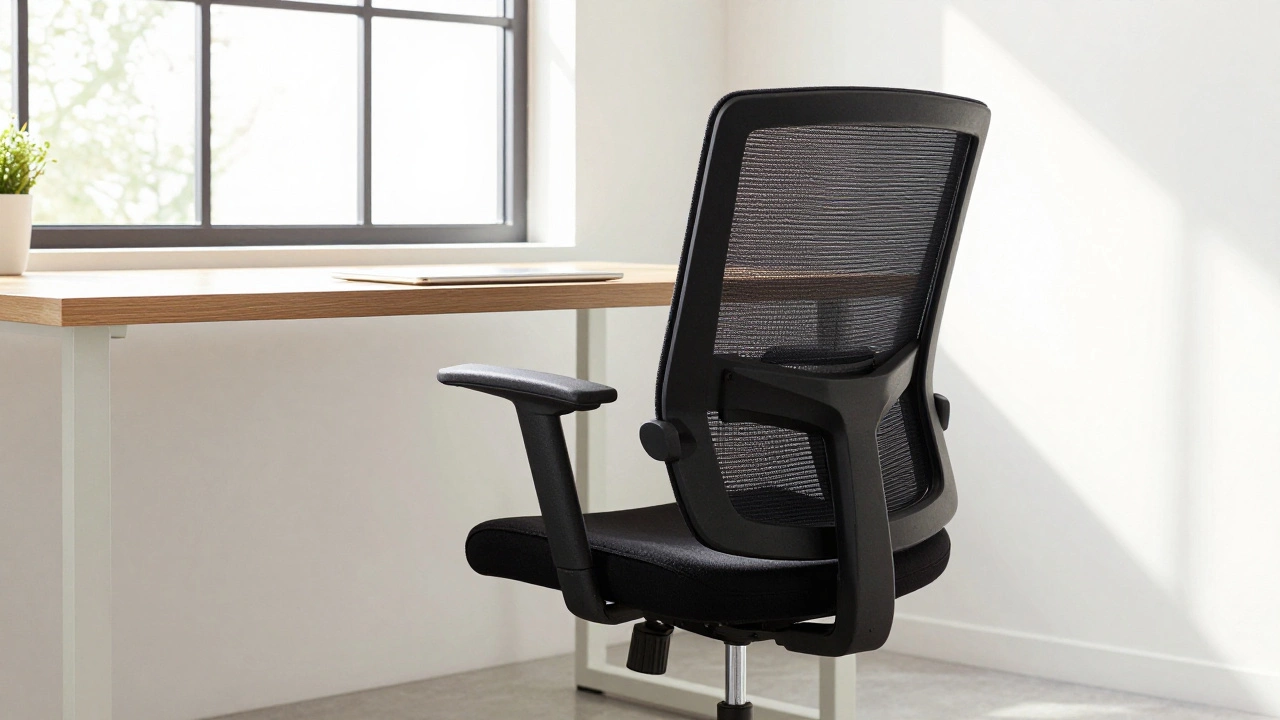
Quick Takeaways:
- Ikea chairs meet basic international safety standards for stability and load-bearing.
- Budget models are great for short bursts, but long-term use requires their high-end ergonomic lines.
- The biggest 'safety' risk isn't a break in the frame, but poor posture from lack of lumbar support.
- Assembly errors are the most common cause of structural failure-tighten those bolts.
The Reality of Structural Safety
When we talk about safety, most people worry about the chair snapping or the gas lift failing. For Ikea is a Swedish-founded multinational conglomerate that designs and sells ready-to-assemble furniture, their products undergo rigorous testing. They follow standards similar to BIFMA (the Business and Institutional Furniture Manufacturers Association), which ensures a chair can handle a specific weight limit and repeated stress on the armrests and seat.
If you buy a basic model like the Markus or the Jarviken, you aren't going to suddenly fall through the floor. Ikea uses reinforced plastics and steel frames that are designed to support the average adult. However, safety often comes down to how you put the thing together. Because these are flat-pack items, a single loose bolt in the base can lead to a wobble that eventually wears down the metal, potentially leading to a tilt that feels unsafe.
Ergonomics vs. Basic Safety
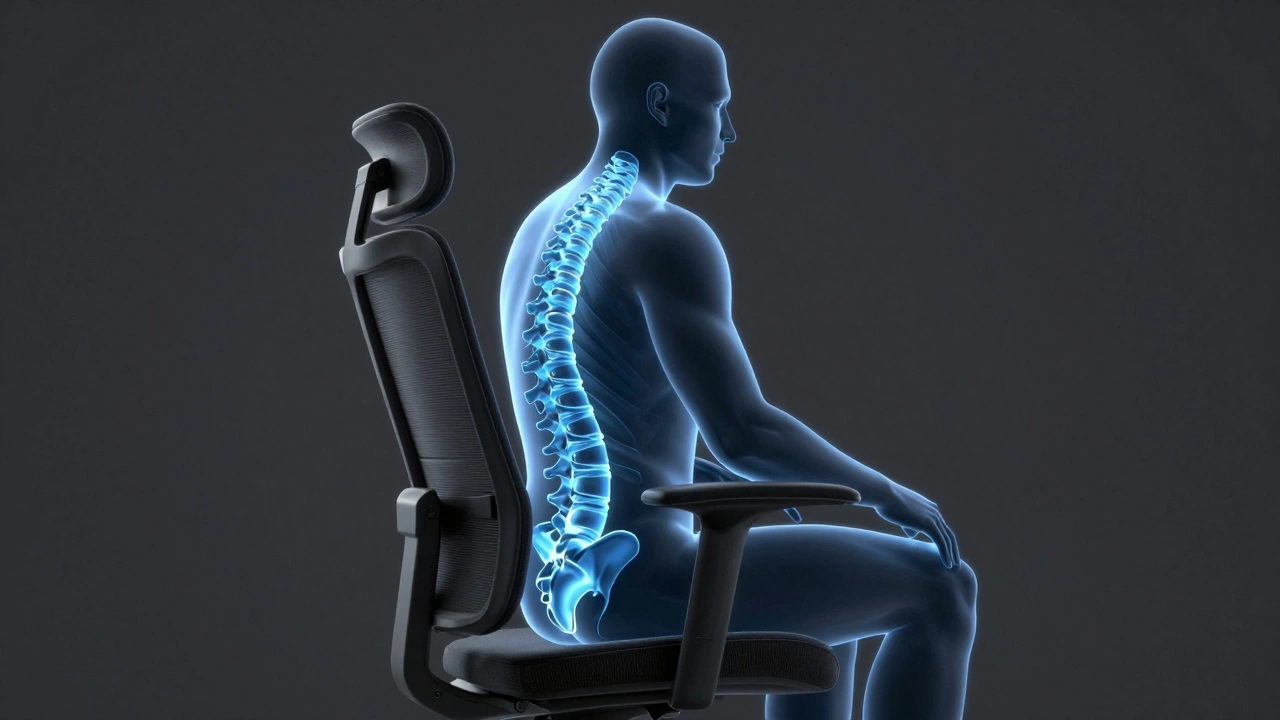
There is a massive difference between a chair being 'structurally safe' and 'ergonomically safe.' A wooden kitchen chair is structurally safe, but sitting in it for ten hours of coding will wreck your lower back. This is where many office chairs from budget retailers fail. To keep your body safe, you need a chair that supports the natural S-curve of your spine.
Many entry-level Ikea chairs lack adjustable lumbar support. If the chair forces your lower back to flatten against the backrest, you're risking long-term disc compression. For someone working a full 40-hour week, the Ikea office chairs safety profile depends entirely on the model. A chair with a fixed backrest is a risk for a tall person, while a chair with too much tension in the tilt might cause muscle strain for someone smaller.
| Feature | Budget Series (e.g., Flintan) | Mid-Range (e.g., Markus) | Premium/Ergo (e.g., Graturny) |
|---|---|---|---|
| Weight Capacity | Standard | High | High |
| Lumbar Support | Minimal/Fixed | Built-in/Fixed | Adjustable |
| Material Safety | Standard Foam | Mesh/Breathable | High-Density Foam |
| Ideal Use Case | 1-3 hours/day | 4-6 hours/day | 8+ hours/day |
The Gas Lift and Pneumatic Risks
One of the most common fears is the gas lift-the cylinder that lets you adjust the height. You might have heard horror stories about these exploding. In reality, modern pneumatic cylinders used by major brands are incredibly safe. They use nitrogen gas, which is stable. The risk only occurs if someone uses an industrial torch on the cylinder or buys a dangerously cheap, non-certified replacement part from a random third-party seller.
The more likely 'safety' issue you'll encounter is 'cylinder creep,' where the chair slowly sinks over time. This isn't a danger to your life, but it is a danger to your posture. When your chair sinks, your knees end up higher than your hips, which puts pressure on your lower back and restricts blood flow to your legs. If your Ikea chair starts sinking, replace the cylinder immediately; don't just prop it up with books.
Material Safety and Chemical Off-gassing
Safety isn't just about whether the chair holds your weight; it's about what's in the fabric. Many people worry about VOCs (Volatile Organic Compounds) or formaldehydes often found in cheap furniture. Ikea has been quite aggressive about moving toward non-toxic materials. They generally avoid PVC and have strict rules about the glues and finishes they use.
If you have a strong scent when you first unbox your chair, that's usually the factory finish settling. To make it 'safer' for your indoor air quality, leave the chair in a well-ventilated room or near an open window for 48 hours before you spend your whole day in it. This reduces the chance of headaches or respiratory irritation for people with chemical sensitivities.
Common Pitfalls and How to Avoid Them
Most 'unsafe' experiences with Ikea chairs stem from user error rather than manufacturing flaws. To ensure your setup is actually safe, follow these rules of thumb:
- Don't Over-tighten: Using a power drill to tighten screws into particle board or soft metal can strip the threads. Once the screw is stripped, the structural integrity is gone, and the chair can collapse under a sudden shift in weight.
- Check the Bolts Monthly: Because these chairs have moving parts (swiveling, tilting, reclining), the vibrations and movement naturally loosen the bolts over time. A quick 5-minute check every month prevents the 'lean' that leads to instability.
- Match the Chair to Your Height: If you are 6'4" and buy a chair designed for someone 5'6", the lumbar support will hit you in the mid-back instead of the lower back. This creates a safety hazard for your spine over time.
- Avoid 'Modification' Hacks: Adding your own cushions or modifying the base to make it 'sturdier' can often throw off the center of gravity, making the chair more likely to tip over.
The Verdict: Should You Trust Them?
If you are looking for a chair that won't break, yes, Ikea chairs are safe. They are engineered to meet global safety standards and are far safer than unbranded, generic imports from unknown factories. However, if you are looking for a chair that protects your health over a decade of professional work, you have to be picky. The ultra-cheap options are for guests or light use. For a primary workstation, look for models with breathable mesh and high-back support.
When you're shopping, don't just sit in the chair for 30 seconds in the showroom. Lean back, shift your weight from side to side, and feel where the lumbar support hits. If it feels like a gap is missing between the chair and your lower back, it's not a 'safe' choice for your long-term health, regardless of how strong the steel legs are.
Do Ikea chairs have a weight limit?
Yes, every model has a specific weight limit, usually found in the assembly manual. Most standard office chairs are rated for around 250-300 lbs (113-136 kg), but high-end models may support more. Exceeding this limit puts stress on the pneumatic cylinder and the base, which can lead to structural failure.
Are Ikea chairs better than cheap gaming chairs?
Generally, yes. Many cheap gaming chairs use 'racing style' buckets that actually push your shoulders forward and offer poor lumbar support. Ikea's ergonomic lines focus more on the natural curvature of the spine, making them a safer choice for your posture than generic gaming chairs.
How do I know if my office chair is failing?
Look for three main signs: audible creaking when you lean back, a noticeable tilt to one side when sitting centered, and the 'sinking' feeling where the seat height drops without you touching the lever. If you notice any of these, the chair is no longer structurally safe and should be repaired or replaced.
Can I replace the wheels on an Ikea chair for more safety?
Yes. Replacing hard plastic wheels with 'rollerblade style' rubber wheels is a great move. It prevents the chair from sliding too easily on hard floors, which reduces the risk of accidental falls or slips when you're pushing back from your desk.
Is the mesh material on Ikea chairs safe for skin?
The mesh used in models like the Markus is designed for breathability and is made from synthetic polymers that are skin-safe. However, if you have extremely sensitive skin, the coarse texture of some meshes can cause irritation over long periods. Testing the fabric in-store is the best way to be sure.
Next Steps for a Safer Workspace
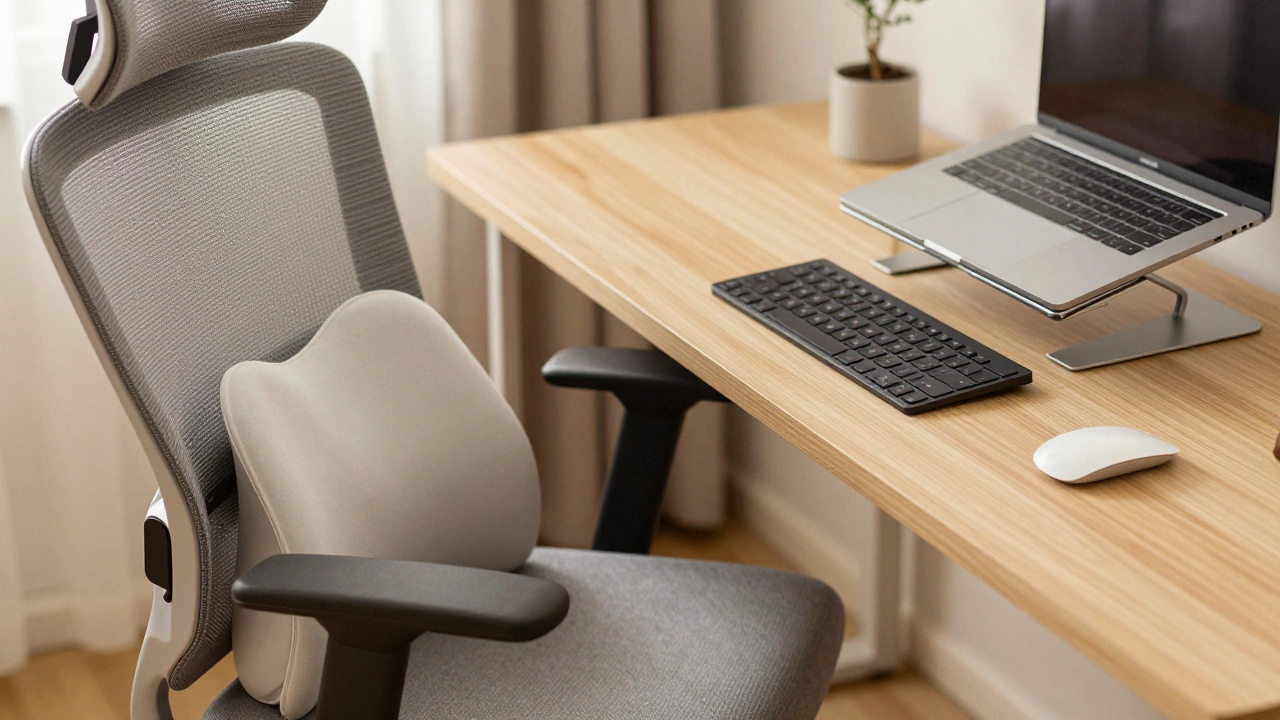
Once you've picked your chair, don't stop there. A safe chair in a bad environment is still a problem. If you're using a laptop, pair your Ikea chair with a laptop stand and an external keyboard. This keeps your neck straight and prevents 'tech neck,' which no amount of lumbar support can fix if you're staring down at a screen for eight hours.
If you find that your chair is still causing discomfort after two weeks, don't try to 'tough it out.' Use a small lumbar pillow or a seat cushion to fill the gaps. The goal is to have the chair adapt to your body, not for your body to deform to fit the chair.
Write a comment