
Office Chairs: Your Guide to Comfort and Productivity
Spending hours at a desk can wear you out if your chair doesn’t support you. A good office chair isn’t a luxury; it’s the backbone of a healthy workday. Below you’ll find straight‑forward tips that help you pick a seat that actually works for you.
Why ergonomics matters
Ergonomic design keeps the spine in a natural curve, reduces pressure on the lower back, and lets your shoulders relax. When a chair matches the shape of your body, you’ll notice less fatigue after a few hours. Simple adjustments – like seat height, lumbar support, and armrest placement – can make a huge difference in how you feel at the end of the day.
Many people ignore these details and end up with back pain, neck strain, or restless legs. The good news is you don’t need a pricey specialist to fix it. Most mid‑range chairs let you tweak height, tilt, and back tension with just a lever or knob. Test each setting while you sit; if you can keep your feet flat, knees at a 90‑degree angle, and elbows close to your body, you’re on the right track.
Choosing the right office chair for you
Start by thinking about how you move. Do you like to swivel often, or do you stay mostly still? If you need freedom, a chair with a smooth‑rolling base and 360° swivel helps you reach for items without straining. If you’re more stationary, a stable base with solid casters is fine.
Armrests can be a blessing or a curse. They’re great for supporting your forearms during typing, but they can interfere with close‑quarters work or limit movement. Try a chair with adjustable or removable arms; you’ll decide fast whether you need them.
Material matters, too. Mesh backs offer breathability on hot days, while padded leather gives a plush feel but can trap heat. For a balanced option, look for a breathable fabric with enough cushion to keep you comfortable for long stretches.
Don’t forget the floor. Heavy‑duty rubber wheels work on carpet, while softer rollers protect hard wood. If you have a mixed floor, a universal wheel set is a safe bet.
People with ADHD often benefit from subtle color choices and tactile feedback. Soft blues or muted greens can calm the mind, while a seat that gently rocks or lets you shift weight can reduce restlessness without a full standing desk.
Finally, set a budget and stick to it. You’ll find reliable options between £150 and £300 that cover most ergonomic basics. Spend a little more if you need advanced lumbar adjustments or a customized seat depth, but avoid the hype of ultra‑expensive “gaming” chairs unless you truly need the extra features.
Take the chair for a test‑sit if you can. Sit for at least five minutes, adjust each lever, and notice how your back feels. If you walk away feeling better than when you arrived, you’ve likely found a winner.
With the right office chair, you’ll notice sharper focus, fewer aches, and a smoother workflow. It’s a small investment that pays off in daily comfort and long‑term health.
The Truth About Sitting Positions and Belly Fat: Ergonomics vs. Weight Loss
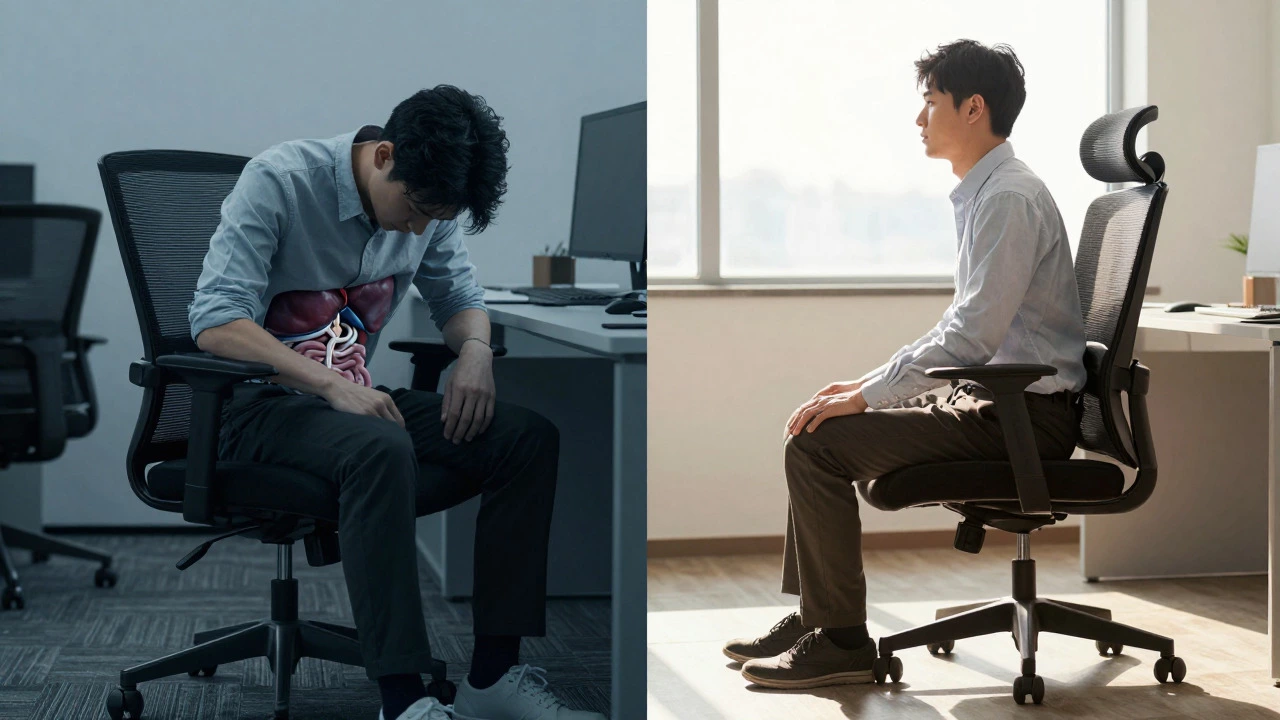
Discover why no sitting position burns belly fat directly, but how proper ergonomics in office chairs boosts metabolism, improves digestion, and supports core strength for a flatter stomach.
MoreWhat Is the Most Unhealthy Sitting Position? Ergonomic Guide for Office Chairs
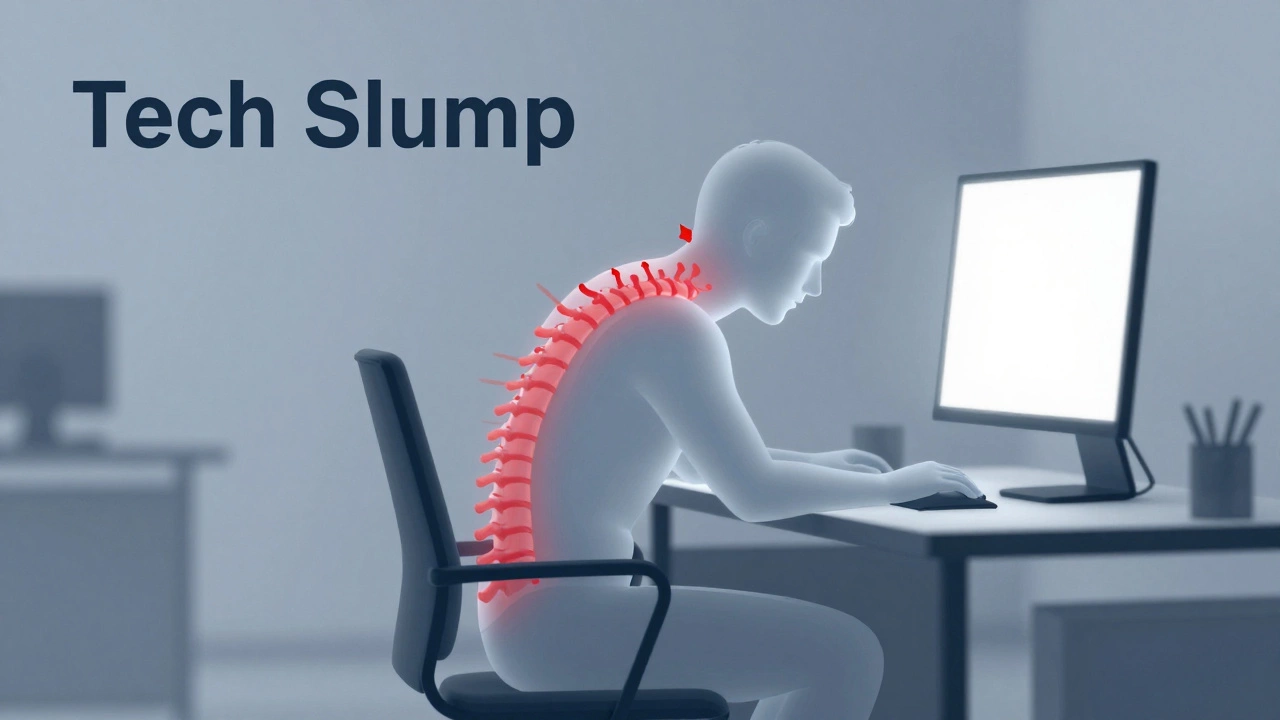
Discover the most unhealthy sitting position and how it damages your spine. Learn ergonomic tips, chair adjustments, and posture fixes to prevent back pain and improve long-term health.
MoreWhat Chairs Are Bad for Posture? The Top 7 Worst Seats to Avoid
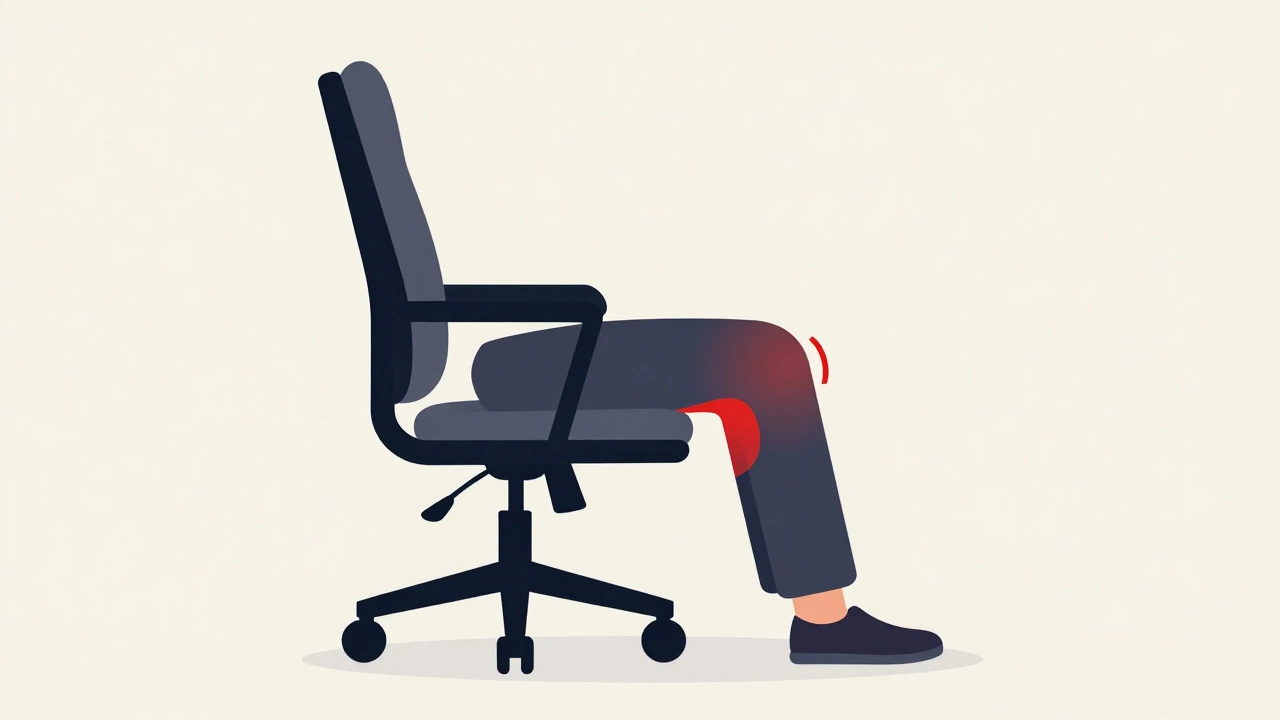
Discover which chairs ruin your posture and cause back pain. Learn to avoid deep seats, hard surfaces, and missing lumbar support for better spinal health.
MoreAre Ikea Office Chairs Safe? Quality, Ergonomics, and Durability Guide
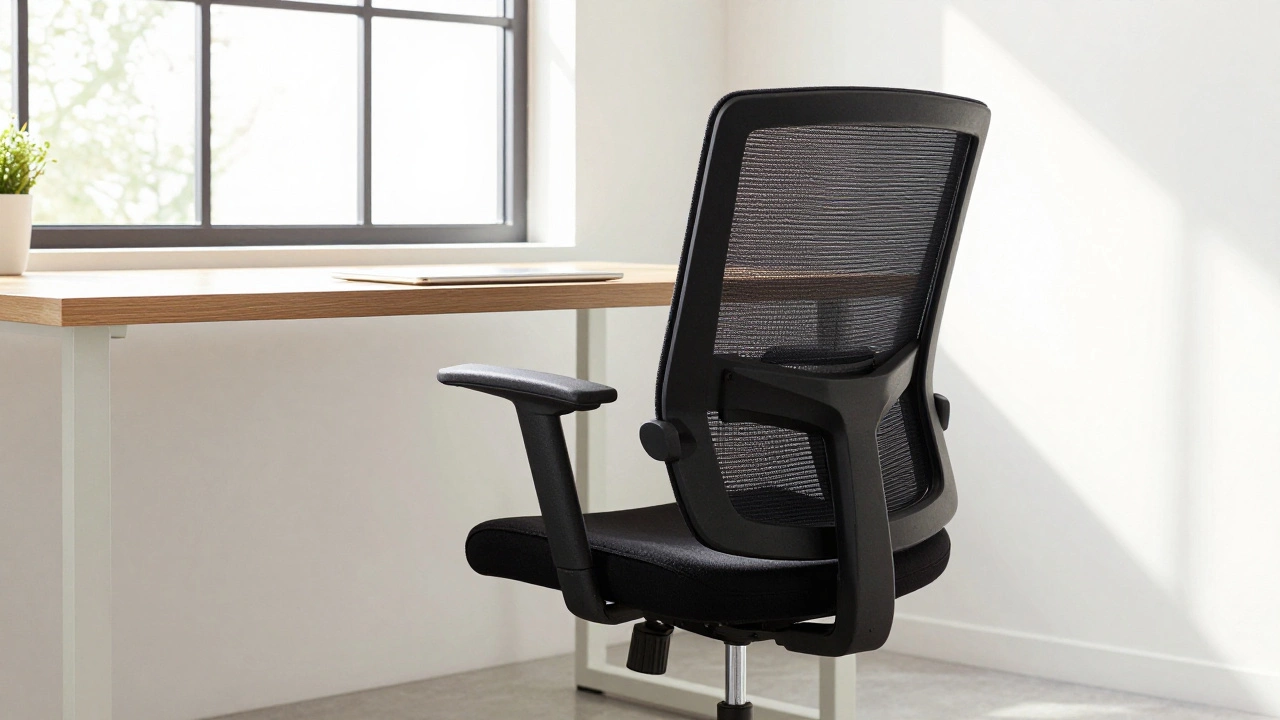
Are Ikea office chairs safe? We analyze the structural stability, ergonomic impact, and material safety of Ikea's seating to help you choose the right chair.
MoreHow ADHD Affects Seating Comfort and Office Chair Choices
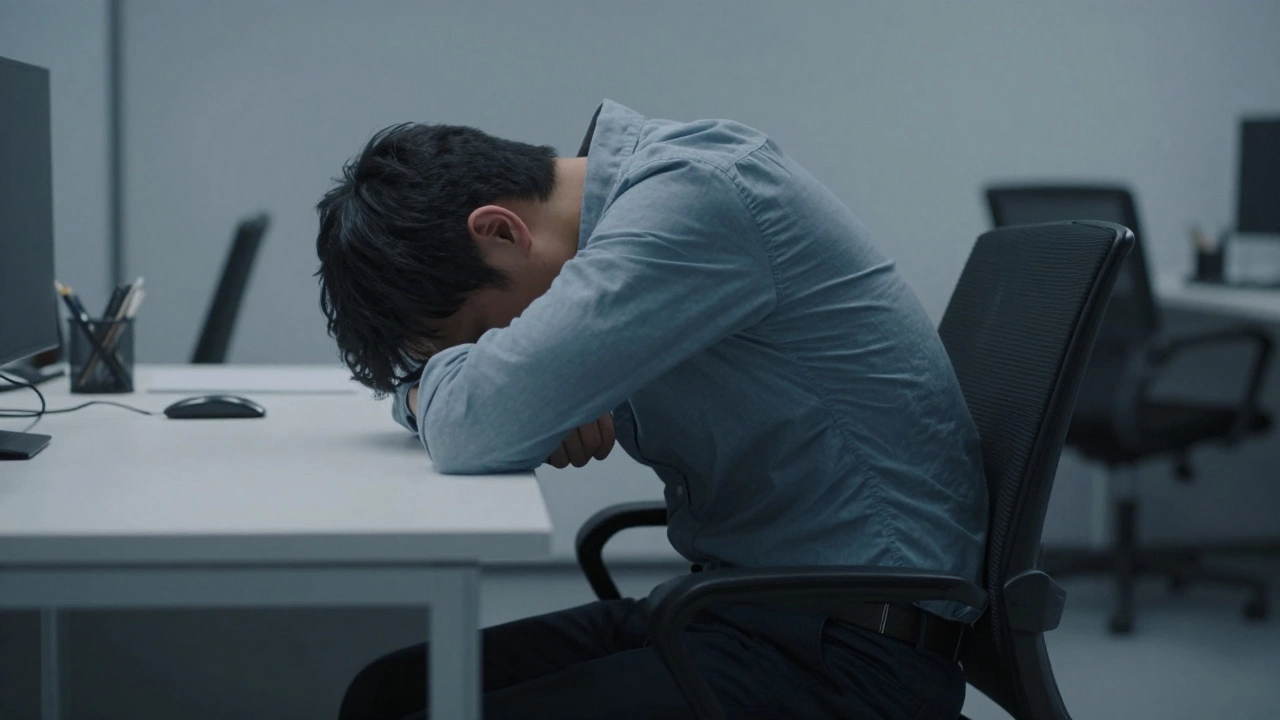
Discover how ADHD symptoms influence seating needs and why the right office chair matters for focus and comfort.
MoreWhat Is the Healthiest Way to Sit in an Office Chair?
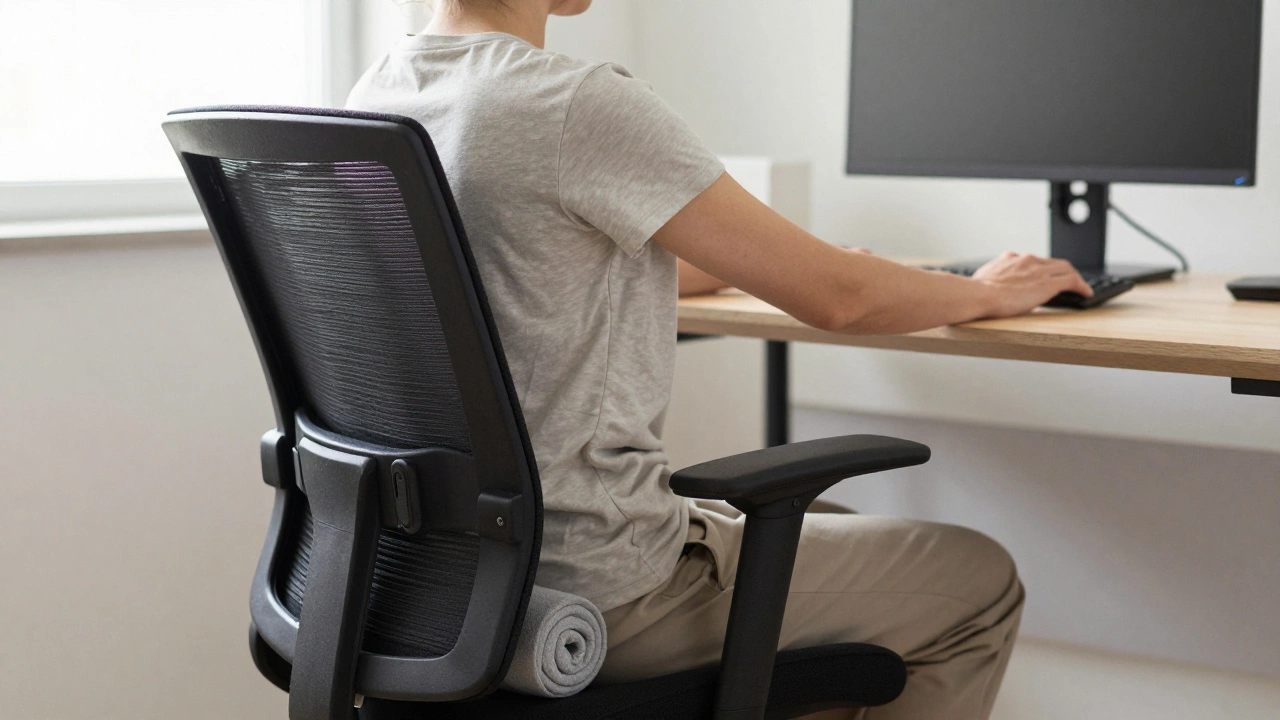
The healthiest way to sit in an office chair isn't about expensive gear-it's about supporting your spine's natural curves, keeping your feet flat, and moving regularly. Small adjustments prevent pain and long-term damage.
MoreWhat Kind of Chair Is Best for Back Pain? Office Chair Guide 2026
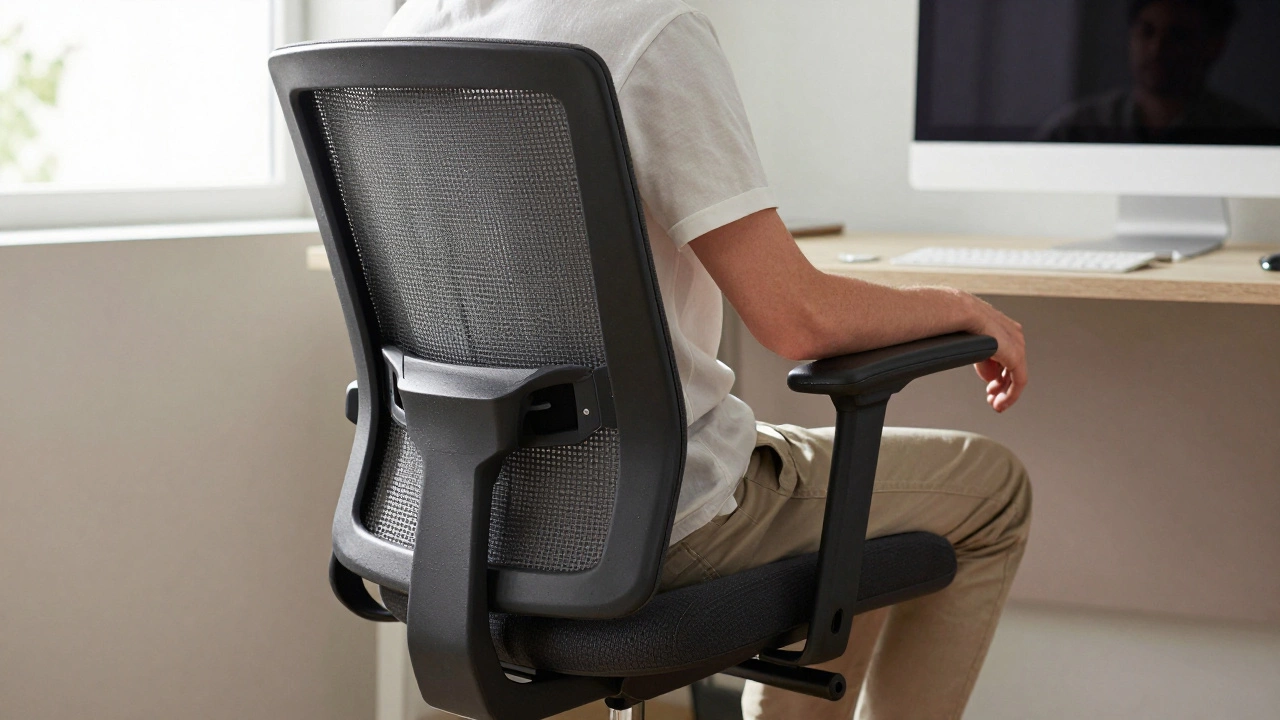
Find out what kind of office chair is best for back pain in 2026. Learn what features actually help, which models top expert tests, and how to choose one that fits your body-not just your budget.
MoreIs Sitting on a Stool Bad for Your Back? The Real Truth About Stools and Spinal Health
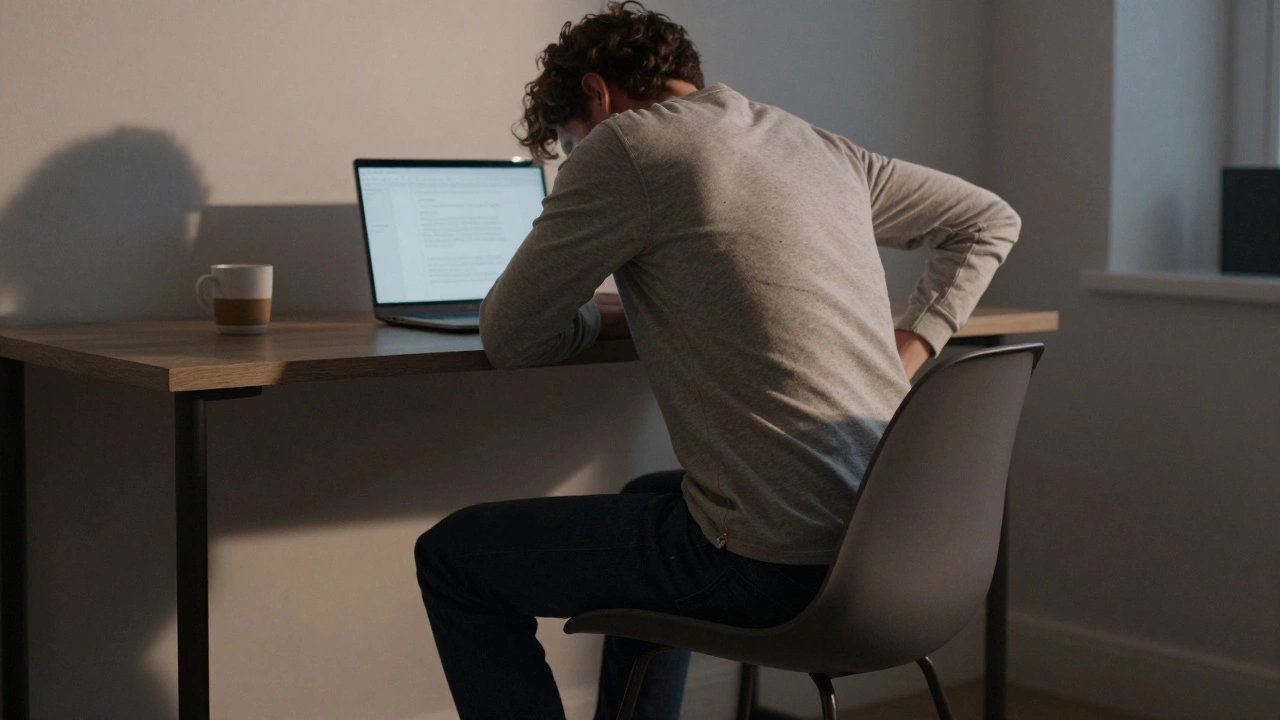
Sitting on a stool isn't automatically bad for your back-but using one all day without support can cause pain. Learn when stools help, when they hurt, and what to use instead for long-term spine health.
MoreIs It Okay to Sit on a Stool All Day? The Real Impact on Your Back and Posture
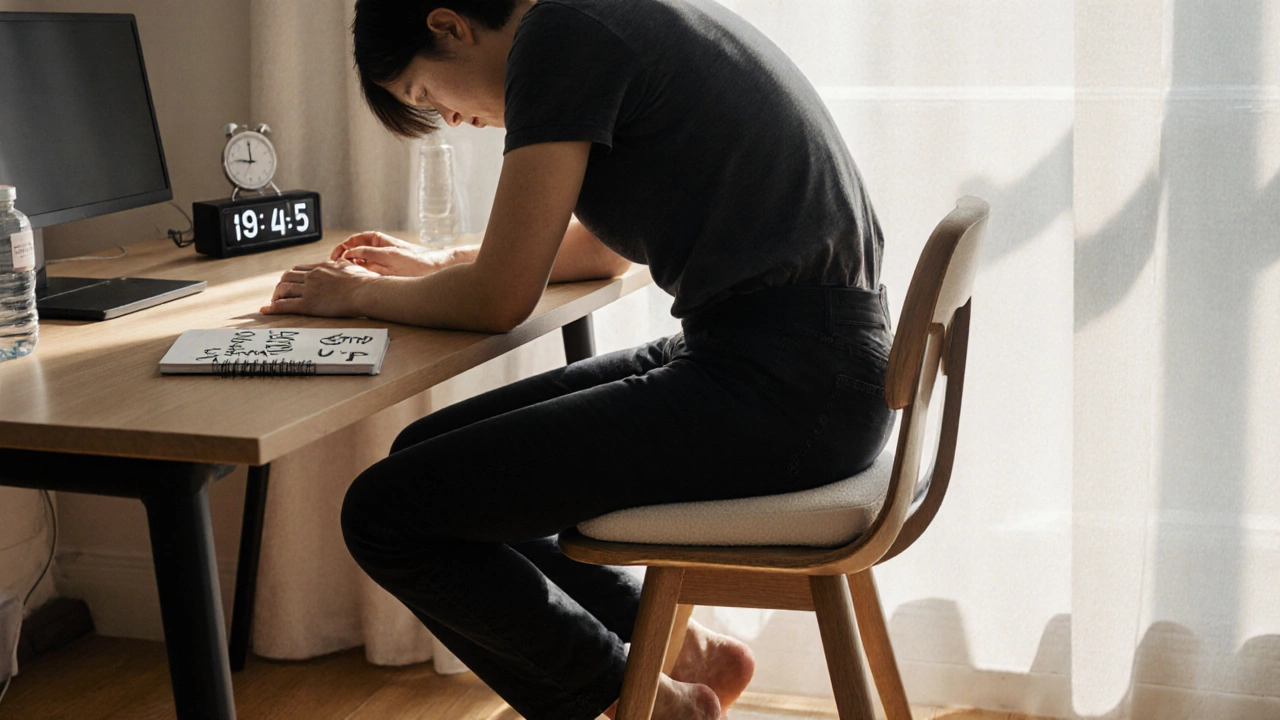
Sitting on a stool all day can cause back pain and poor posture. Learn why office chairs are better for long hours and how to use stools safely without hurting your spine.
MoreADHD Walk Explained - Active Office Chair Guide

Discover what the ADHD walk is, why it matters at work, and how an active office chair can turn restlessness into focus. Learn setup tips, common pitfalls, and real‑world examples.
MoreHow Long Should a Good Office Chair Last? A Practical Guide
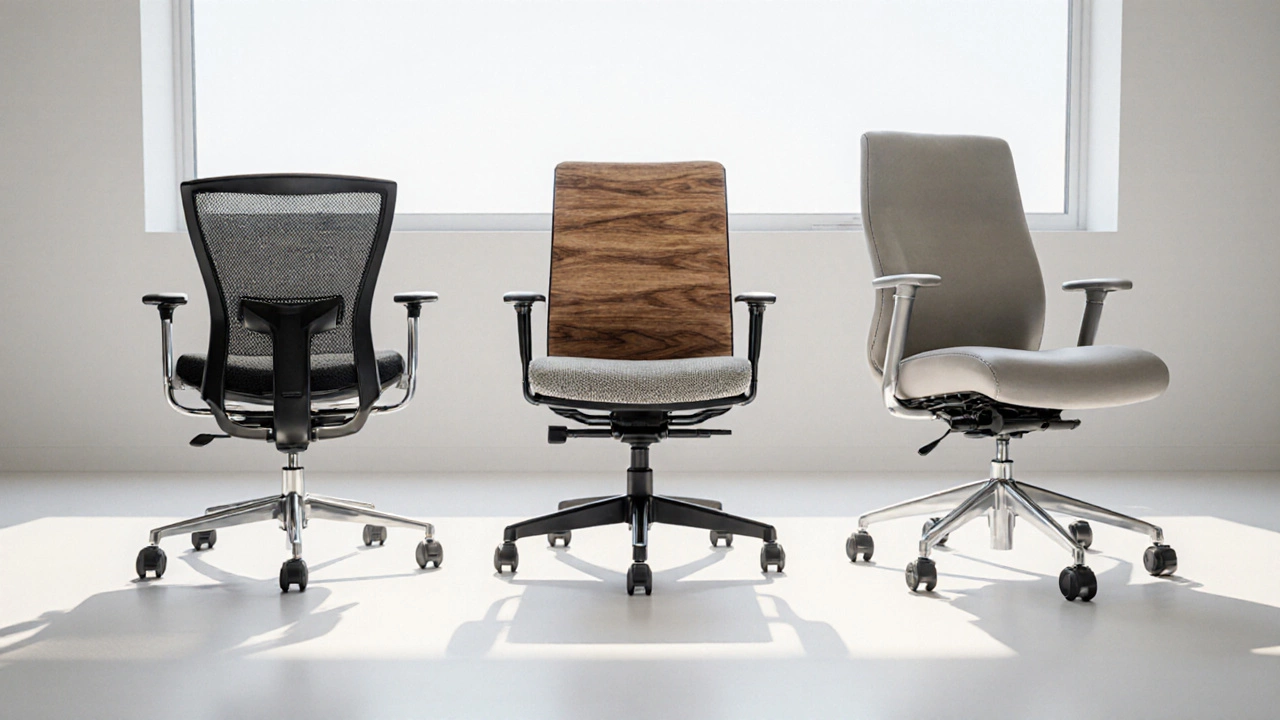
Discover how many years a quality office chair should last, what affects its durability, maintenance tips, warranty insights, and when to replace it.
MoreBest Alternatives to an Office Chair: Seating Solutions for Home and Work

Swap your office chair for a yoga ball, standing desk, or a kneeling chair. Discover surprising alternatives for ultimate comfort and better posture while you work.
More