
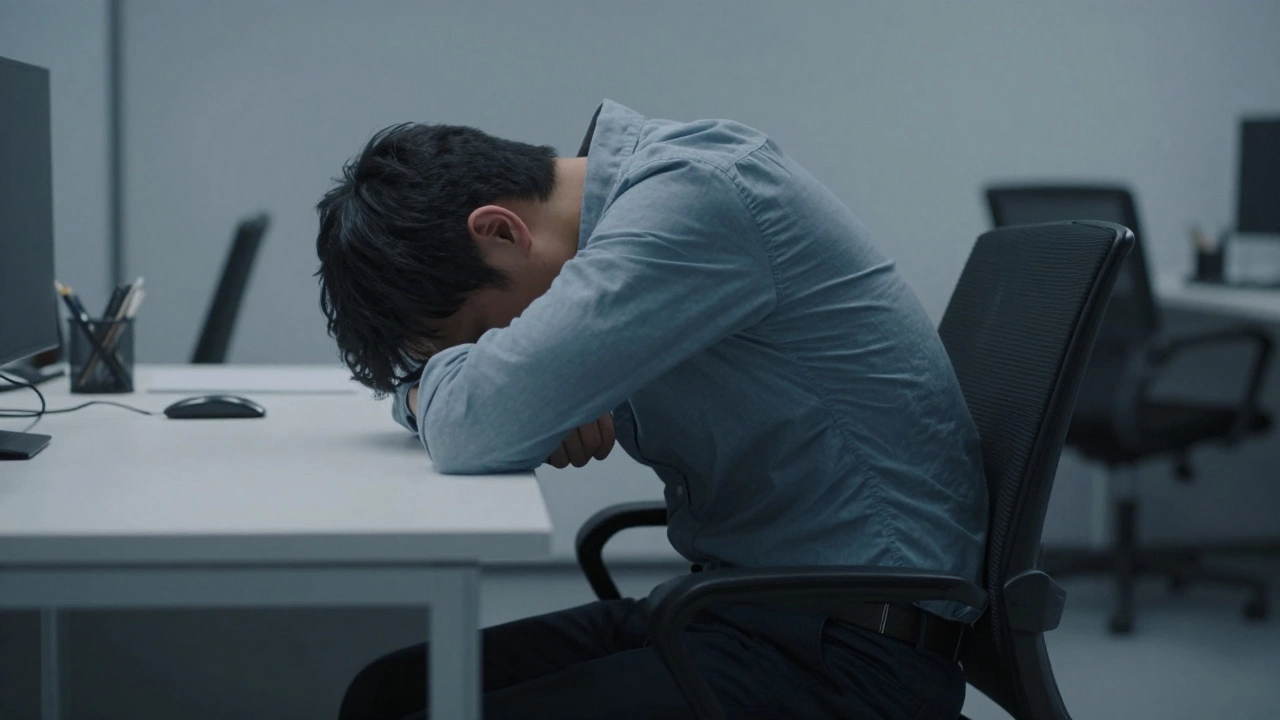
ADHD Workspace Ergonomics Audit
Discover if your current chair supports your unique brain or fights against it.
Step 1: Your Needs & Symptoms
Step 2: Your Current Chair Features
Select all features that apply to your current main desk chair.
Compatibility Analysis
Why this matters for you:
Specific diagnosis here.
Recommended Adjustments:
Understanding the ADHD Connection to Seating
When you have ADHD, finding the right spot to sit down isn't just about comfort; it's about managing energy and focus. You might have heard questions about how we behave in bed or during sleep, but the same principles apply when you move to your desk. The restless nature of an ADHD brain seeks constant sensory regulation. Sitting still for hours on end feels impossible without the right physical cues.
If your office chair doesn't provide the correct type of pressure or movement, your mind wanders faster. Think of it like trying to read a book in bright sunlight versus soft light. The environment dictates the ability to engage. For many with Attention Deficit Hyperactivity Disorder, the
becomes a barrier to productivity.
Challenge Impact on Focus Poor Posture Increases fatigue Lack of Movement Reduces mental alertness
Why Standard Chairs Fail Neurodivergent Workers
Most standard Office Chairs are static pieces of furniture designed for average anatomical structures and limited movement patterns. They assume you will sit upright, hands on keyboard, back straight. That is not reality for everyone. If you tend to fidget, shift weight constantly, or prefer leaning forward while working, a rigid bucket seat fights against your natural movements.
This friction causes pain. When your body hurts, your executive function drops. You lose track of tasks not because you aren't trying, but because your physiology is distracting you. This is where Ergonomics becomes more than just a buzzword. It is the study of designing environments to fit the user, not forcing the user to fit the environment.
Critical Features for ADHD-Friendly Seating
You need features that accommodate movement rather than restrict it. First, consider Tilt Tension. A mechanism allowing the chair back to lean backward with resistance. This lets you rock slightly without losing support. Rocking triggers proprioceptive feedback, calming the nervous system. Without adjustable tension, you either fight the stiff lock or fall too far back, breaking your workflow loop.
Next, look at
Mechanical Armrests.
Support pads that slide up/down and side-to-side. High armrests block space for a laptop or force shoulders up. Low ones leave wrists unsupported. Being able to adjust them dynamically helps you maintain proper height relative to the desk surface, preventing strain.
The Role of Material and Sensory Feedback
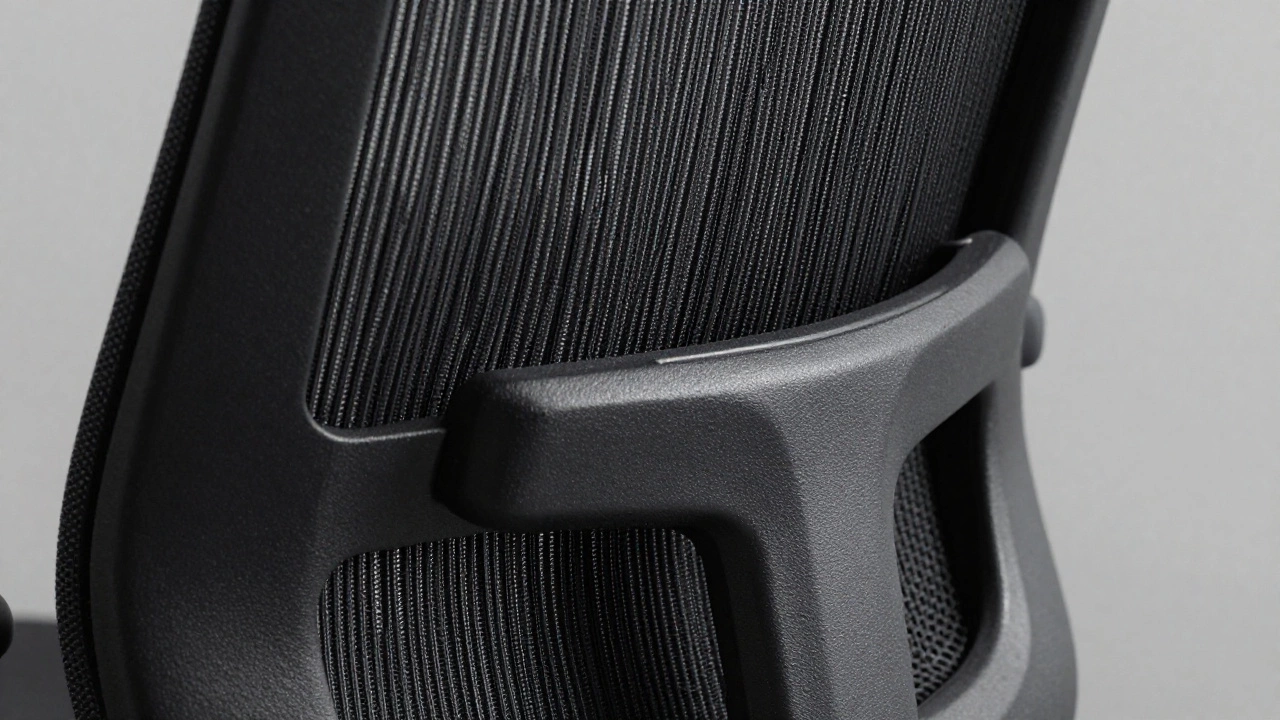
Sensory processing plays a huge role. Some people love sinking into thick foam, like a Sofa Bed or mattress, but that is not sustainable for eight-hour workdays. Soft materials flatten out, leading to spinal misalignment. Mesh Fabric offers breathable support with slight give. The tactile sensation of mesh keeps you cooler, preventing distraction from overheating. Breathability ensures you don't feel sticky, which is another common focus killer.
Alternatively, some require plush cushioning to feel secure. The key is matching material to your specific sensory threshold. If touch sensitivity is high, check seams and stitching. Rough textures can trigger irritation loops that pull attention away from your project.
Active Sitting and Fidgeting Solutions
We are told to "sit still" at work, but that biological imperative is unrealistic for an active brain. Active sitting encourages small shifts. Look for chairs that allow Multidirectional Movement. The ability to pivot, sway, or rotate without disengaging from your work. Some modern designs offer swivel bases with less resistance or movable lumbar pads.
Fidgeting is often a coping mechanism for boredom. Instead of fighting it, use the chair to channel that energy. Leaning on the arms, shifting hips, or rocking the torso releases excess physical energy without requiring you to stand up every ten minutes. This maintains blood flow to the brain, aiding concentration.
Lumbar Support and Spinal Alignment
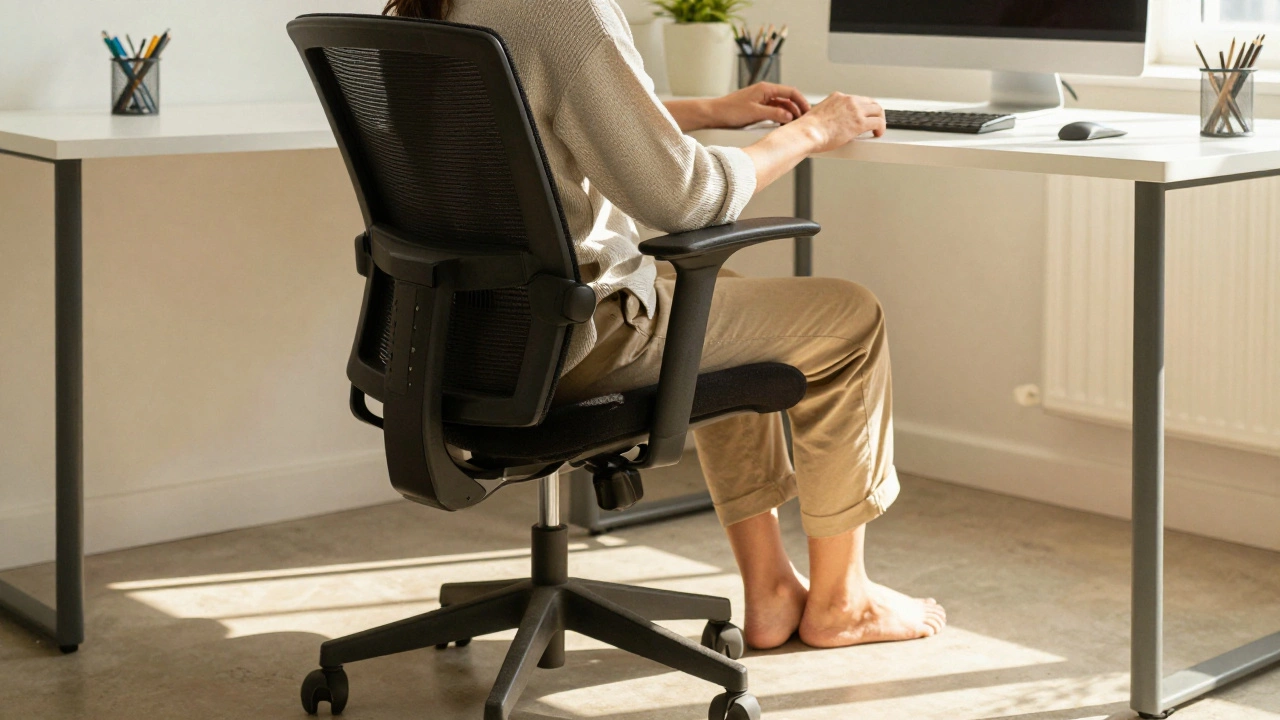
Your spine needs consistent backing. Lumbar Support provides curved padding targeting the lower back curve. Without it, slouching creeps in. Slouching compresses lungs, reducing oxygen to the brain, making foggy thinking worse. Adjustable lumbar pads let you hit the sweet spot for your specific curvature, keeping your spine stacked vertically.
This vertical alignment reduces cognitive load. You don't have to expend energy holding yourself upright physically, freeing up mental bandwidth for complex tasks. It is essentially offloading structural maintenance to the chair.
Transitioning Between Work and Rest
The boundary between professional and personal space is blurred. While you spend time in bed for sleep, you spend significant hours in your chair. If that chair is uncomfortable, recovery suffers. Good seating preserves your energy reserves so you aren't exhausted before bed.
This creates a cycle: Better chair → Less afternoon fatigue → Better sleep quality → Higher next-day focus. Investing in proper Home Furniture components like chairs acts as long-term health management.
Selecting the Right Fit
Choosing the right model involves trial and error. Most big-box stores have display models. Sit in them for at least five minutes. Do you feel stable? Can you reach your legs under the desk comfortably? Does the material feel okay against skin?
Compare options based on adjustment range. A chair with fewer buttons might look clean, but lack the necessary customization. Prioritize function over aesthetics. You want tools that adapt to your changing needs throughout the day, not static decorations.
Summary of Benefits
- Increased Focus: Physical stability supports mental clarity.
- Reduced Pain: Proper alignment prevents chronic stiffness.
- Better Energy: Circulation stays active through micro-movements.
- Sensory Balance: Materials and texture regulate input.
Is a mesh chair good for ADHD?
Yes, mesh provides breathability and slight give. This helps temperature regulation, which is crucial for maintaining focus without distraction from sweating or discomfort.
Do ergonomic chairs help with anxiety?
Physical support reduces stress signals. Proprioreceptive feedback from a well-fitted chair can ground you, lowering overall anxiety levels associated with poor posture or discomfort.
How much should I spend on a chair?
Invest in mid-to-high range options. Cheap chairs break quickly and lack adjustments. Paying more upfront often saves money on future back pain treatments and replaces costs.
Can I use an exercise ball as a desk chair?
Exercise balls offer active movement but lack lumbar support for long sessions. They are good for short bursts, but a dedicated office chair is safer for full-time sitting.
Does color matter for seating?
While not functional, visual clutter affects mood. Neutral colors often blend better in focused environments, whereas bold colors might stimulate or distract depending on individual preference.
Write a comment