
Furniture Storage Moisture Risk Checker
Storing furniture isn’t just about tucking it away-it’s about keeping it alive. If you’ve ever opened a storage unit to find warped wood, musty fabric, or rusted metal, you know moisture doesn’t care how expensive your sofa is. Water damage doesn’t always come from floods. It sneaks in through humidity, condensation, and even the air itself. The good news? Waterproofing furniture for storage isn’t complicated. You don’t need fancy gear or a professional crew. Just a few smart moves can save your pieces from ruin.
Know What You’re Up Against
Moisture doesn’t just make wood swell or fabric mildew. It triggers a chain reaction. High humidity causes wood to expand, then contract as it dries. That constant movement cracks finishes, loosens joints, and warps frames. Metal parts like legs, springs, or screws rust. Upholstery traps moisture, turning into a breeding ground for mold and mildew. Even leather dries out and cracks if it’s not breathing properly. Storage units aren’t climate-controlled by default. Even in Birmingham, where winters are damp and summers can get sticky, humidity levels inside metal or concrete units often hit 70% or higher. That’s worse than a bathroom after a hot shower. If your furniture sits on a concrete floor, moisture rises up through capillary action-like a sponge soaking up water from below.Start with the Right Location
Before you even wrap a single piece, pick the right storage spot. Not all units are equal. Look for facilities with:- Concrete floors with a vapor barrier underneath
- Good ventilation or airflow
- Climate control (ideally 50-60% humidity, 60-75°F)
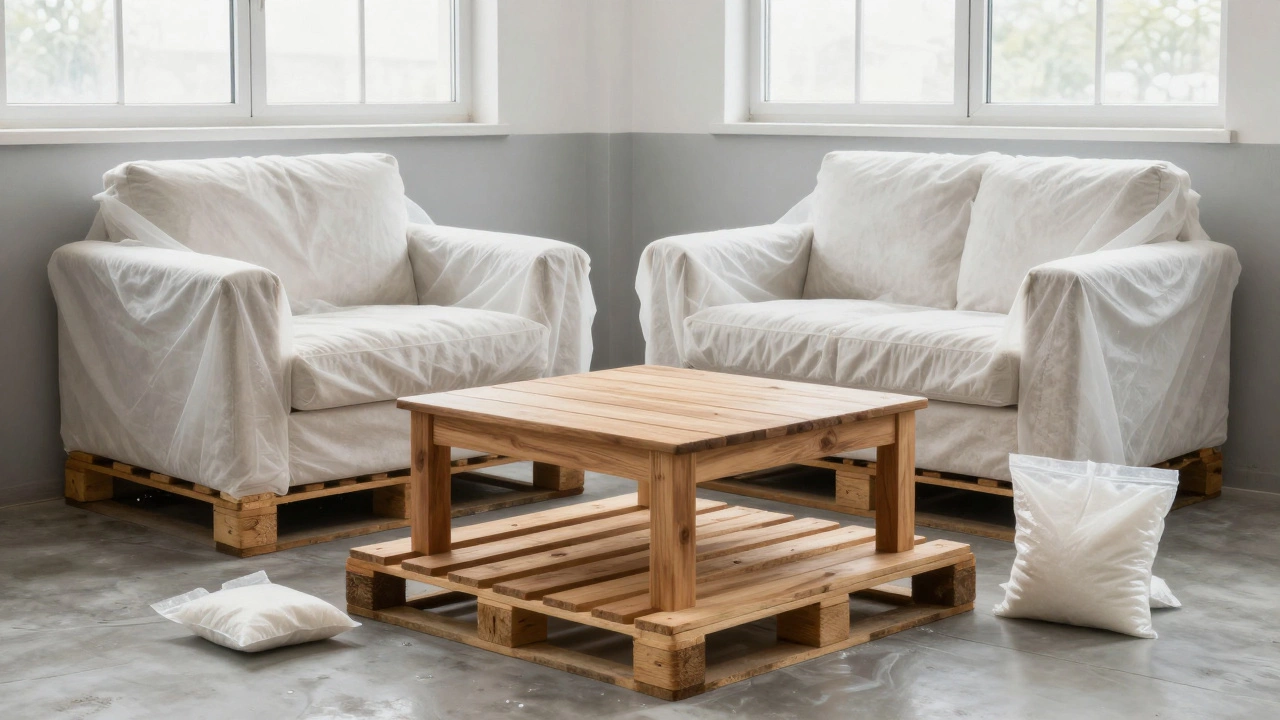
- Elevated pallets or platforms to lift furniture off the ground
Disassemble What You Can
Bigger isn’t better when it comes to storage. Take apart tables, shelves, bed frames, and cabinets. Remove legs, drawers, and doors. This does two things:- Reduces surface area exposed to humidity
- Prevents stress on joints and hinges
Clean Everything First
Dirty furniture attracts moisture like a magnet. Dust, oils, and food crumbs hold water. Before wrapping anything:- Wipe down wood with a damp cloth and mild soap. Dry immediately with a microfiber towel.
- Vacuum fabric and upholstery thoroughly. Use the brush attachment to get into seams.
- For leather, use a damp cloth and a pH-balanced cleaner. Never use household cleaners-they strip protective coatings.
- Let everything air dry completely. Even a little dampness trapped under plastic will rot your furniture.
Use Breathable Covers, Not Plastic
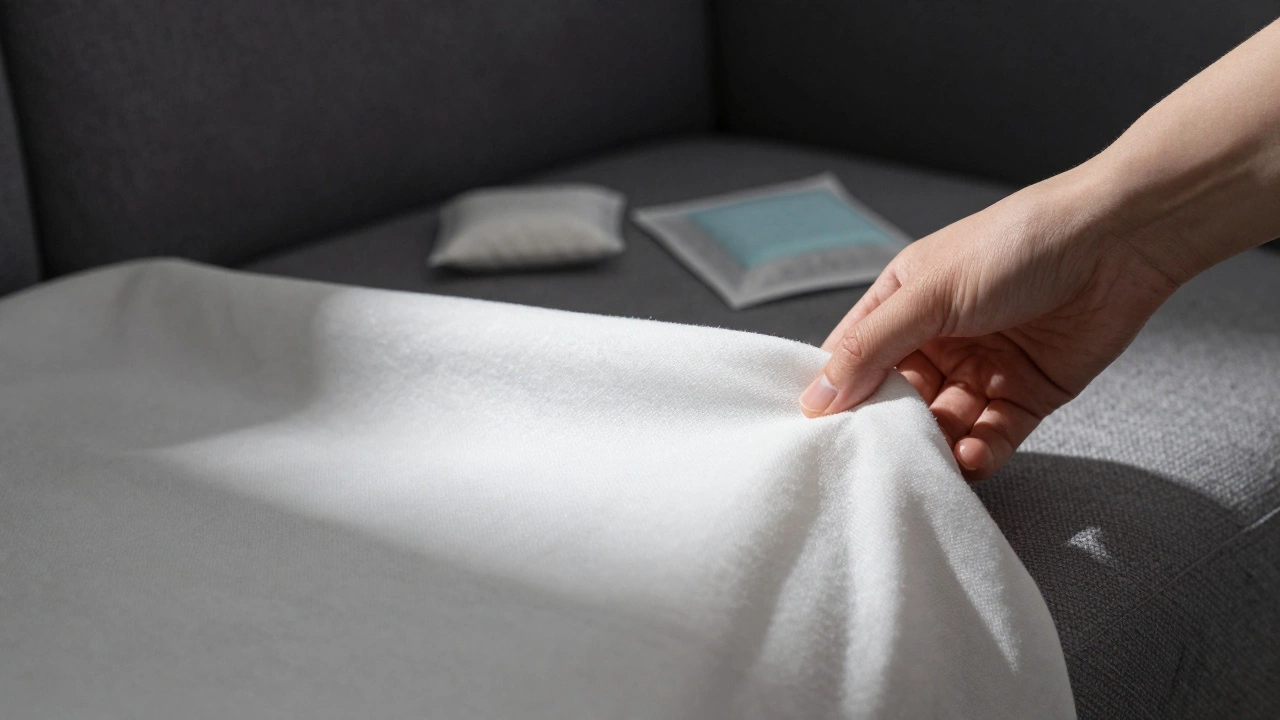
Plastic wrap seems like the obvious choice. But it’s the worst thing you can do. Plastic traps moisture inside and turns your furniture into a steam chamber. Condensation forms on the inside, soaking your pieces from all sides. Instead, use cotton furniture covers or breathable moving blankets. These let air circulate while keeping dust and minor spills off your items. You can find them at hardware stores or online for under £20 each. If you’re storing a couch or armchair, drape it loosely-don’t stretch it tight. Leave room for airflow.Use Silica Gel Packs and Moisture Absorbers
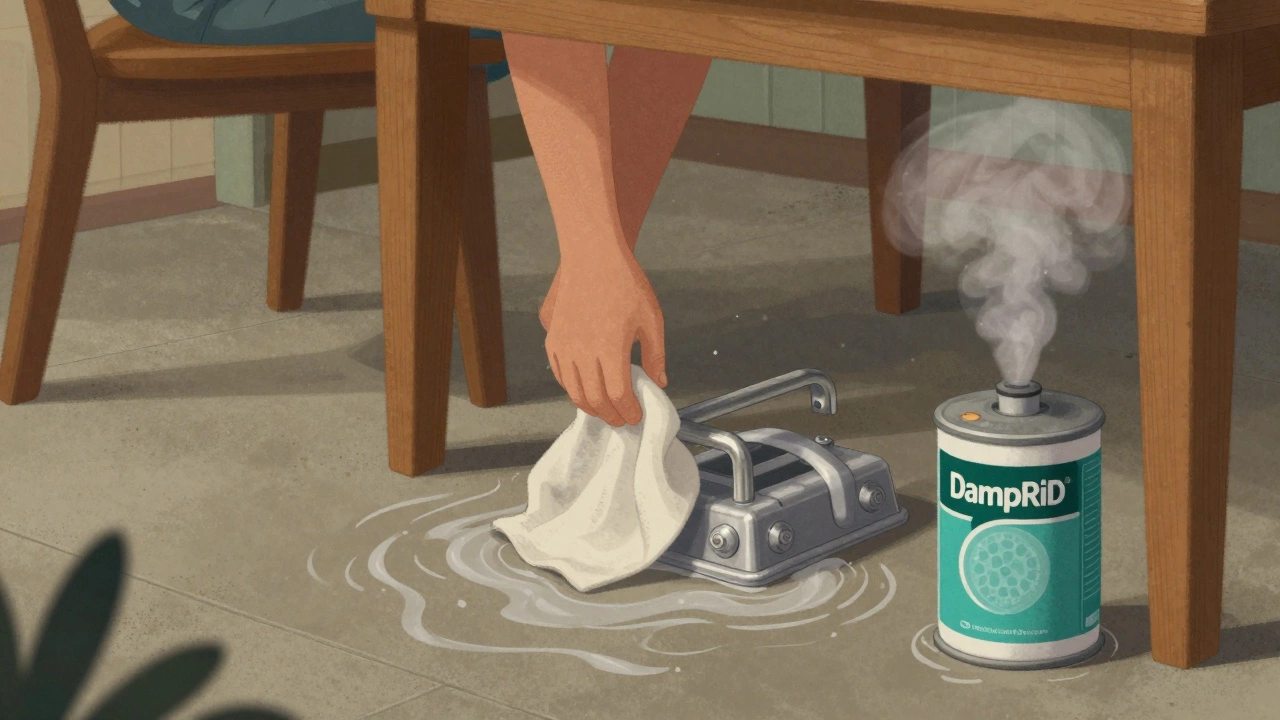
Even with breathable covers, humidity lingers. That’s where desiccants come in. Silica gel packs (the little bags you find in shoeboxes) are cheap and effective. Buy them in bulk online-look for 50g or 100g packs. Place one every 2-3 feet inside your storage unit, especially near furniture. For larger spaces, use canister-style moisture absorbers like DampRid or Eva-Dry. These sit on the floor and pull moisture from the air. They refillable and last 3-6 months. Put one near each major piece. You’ll see the water collect in the bottom-proof it’s working.Don’t Stack or Squeeze
It’s tempting to cram everything in tight. But pressure damages finishes and warps frames. Leave at least 6 inches between pieces. Don’t stack chairs on tables or put heavy boxes on sofas. If you must stack, use flat, rigid boards (like plywood sheets) as dividers to distribute weight evenly. For bookshelves, remove all books. Empty shelves are less likely to warp. Store books separately in sealed plastic bins.Check Monthly-Even If You Can’t See It
Set a reminder on your phone. Once a month, open the unit and do a quick check. Look for:- Condensation on walls or floor
- Musty smells
- Discoloration on wood or fabric
- Moisture absorbers that are full
What Not to Do
Here are common mistakes that ruin furniture in storage:- Using trash bags-they’re not breathable and trap moisture.
- Storing on carpet-even if it’s in a garage or shed, carpet holds moisture like a sponge.
- Leaving cushions on sofas-they trap air and moisture. Store them separately in breathable bags.
- Using wax or polish-these can attract dust and trap humidity. Clean, then leave bare.
- Storing in attics or basements-these spaces are the worst for humidity and temperature swings.
Write a comment