
Wood Furniture Storage: How to Protect and Organize Your Pieces
When you store wood furniture, solid wood pieces like dressers, wardrobes, and tables that can last decades if cared for properly. Also known as solid timber furniture, it’s more than just storage—it’s an investment in quality and craftsmanship. But storing it wrong? That’s how a $1,500 dresser becomes a warped, moldy mess in six months. You don’t need a climate-controlled vault. You just need to understand how wood reacts to damp, heat, and poor air flow.
Storage humidity control, the practice of managing moisture levels around wooden items to prevent swelling, cracking, or mold. Also known as environmental regulation for furniture, it’s the single most important factor in keeping your pieces intact. In the UK, where damp winters and fluctuating temperatures are normal, this isn’t optional. A basement? Bad idea. An attic with no ventilation? Even worse. Wood breathes. If you trap it in a sealed plastic bag or push it against a cold concrete wall, it’ll absorb moisture like a sponge. That’s how furniture mold prevention, a set of simple habits to stop fungi from growing on wood surfaces. Also known as mold-free storage, it’s not about fancy products—it’s about airflow and dryness. Clean your pieces before storage. Wipe them down with a dry cloth. Use breathable cotton sheets, not plastic wrap. Place silica gel packs or a small dehumidifier nearby. These aren’t tricks—they’re basics.
And don’t forget wooden storage tips, practical, everyday actions that keep your furniture safe during moves, renovations, or seasonal changes. Also known as furniture care routines, they’re easy to follow if you know what to avoid. Never stack heavy items on top of wooden surfaces. Leave space between pieces so air can circulate. Elevate them off the floor with wooden blocks or pallets. Keep them away from radiators, windows, and outside walls. These aren’t suggestions from a magazine—they’re rules proven by people who’ve lost furniture to damp and heat.
Look at the posts below. You’ll find real stories from people who learned the hard way—like the one who stored a wooden wardrobe in a garage and woke up to black spots. Or the one who used bubble wrap for months and ended up with scratches and trapped moisture. The solutions aren’t complicated. They’re simple, consistent, and cheap. What you’ll find here isn’t theory. It’s what works when the weather turns, the move happens, or the basement floods. This isn’t about buying new furniture. It’s about keeping what you already have—and making sure it lasts.
Does Wood Furniture Get Ruined in Storage? Here’s What Really Happens
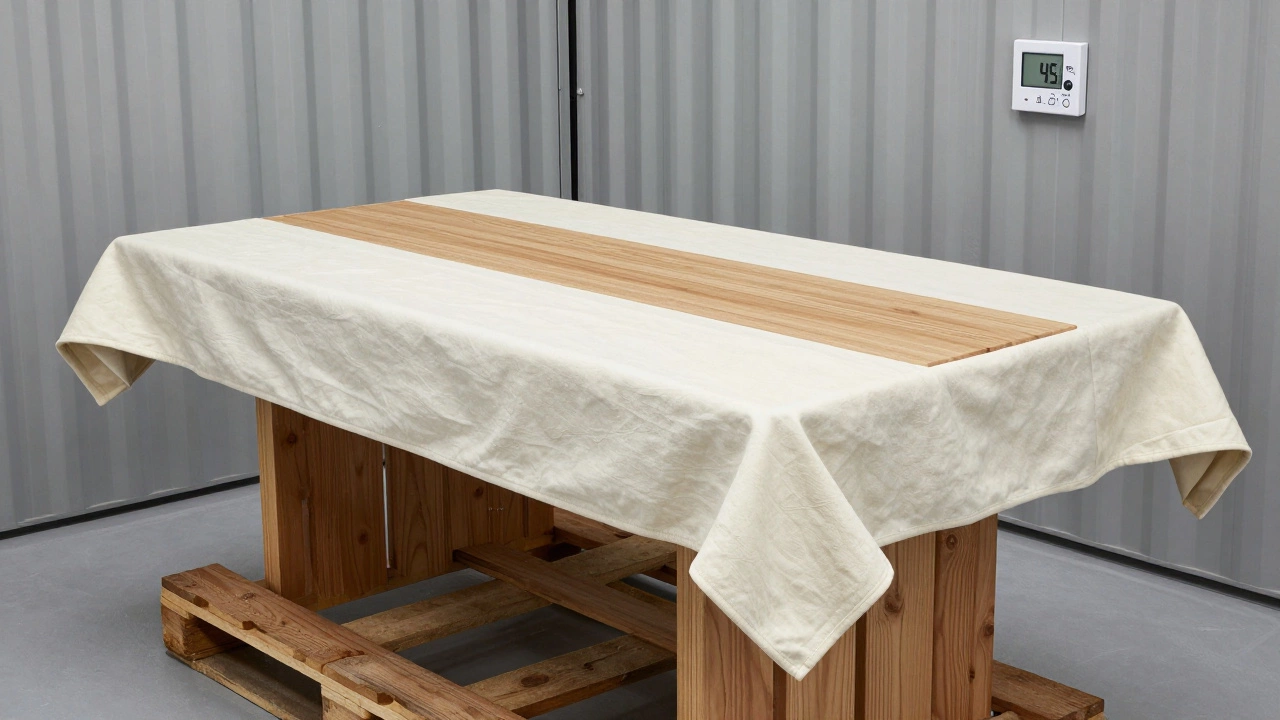
Wood furniture doesn't just get ruined in storage-it reacts to humidity, temperature, and pests. Learn how to store it safely so it lasts for years, not just months.
MoreHow Long Can Furniture Last in Storage? Real-World Expectations by Material and Condition
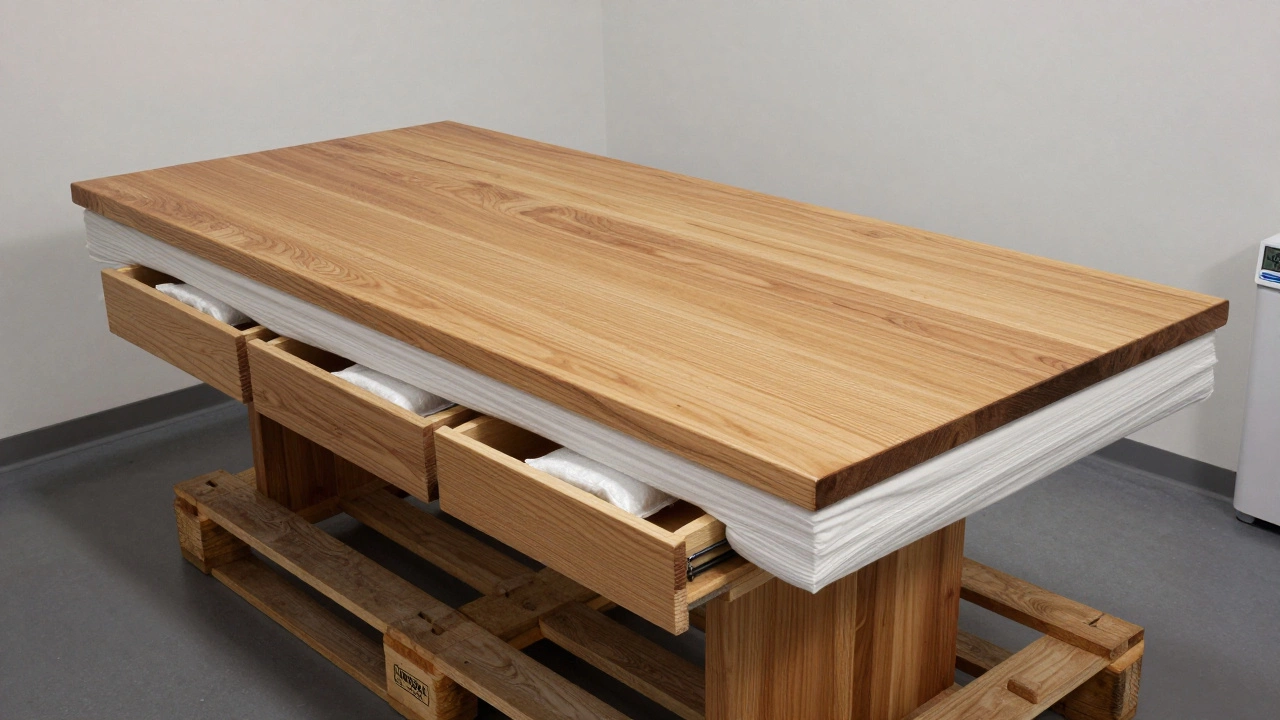
Learn how long different types of furniture last in storage based on material, humidity, and storage conditions. Get real tips to prevent damage from mold, rust, and warping.
More