
Furniture Mouse Vulnerability Calculator
Step 1: What type of furniture are you protecting?
Quick Reference Guide
Refresh every 3-5 days on cotton balls
Stuff into holes smaller than a dime
Use used litter near entry points
Switch to plastic bins for storage
Did You Know?
Mice can squeeze through openings as small as the width of a dime (about 1/4 inch). Their teeth grow continuously, so they must chew constantly to file them down.
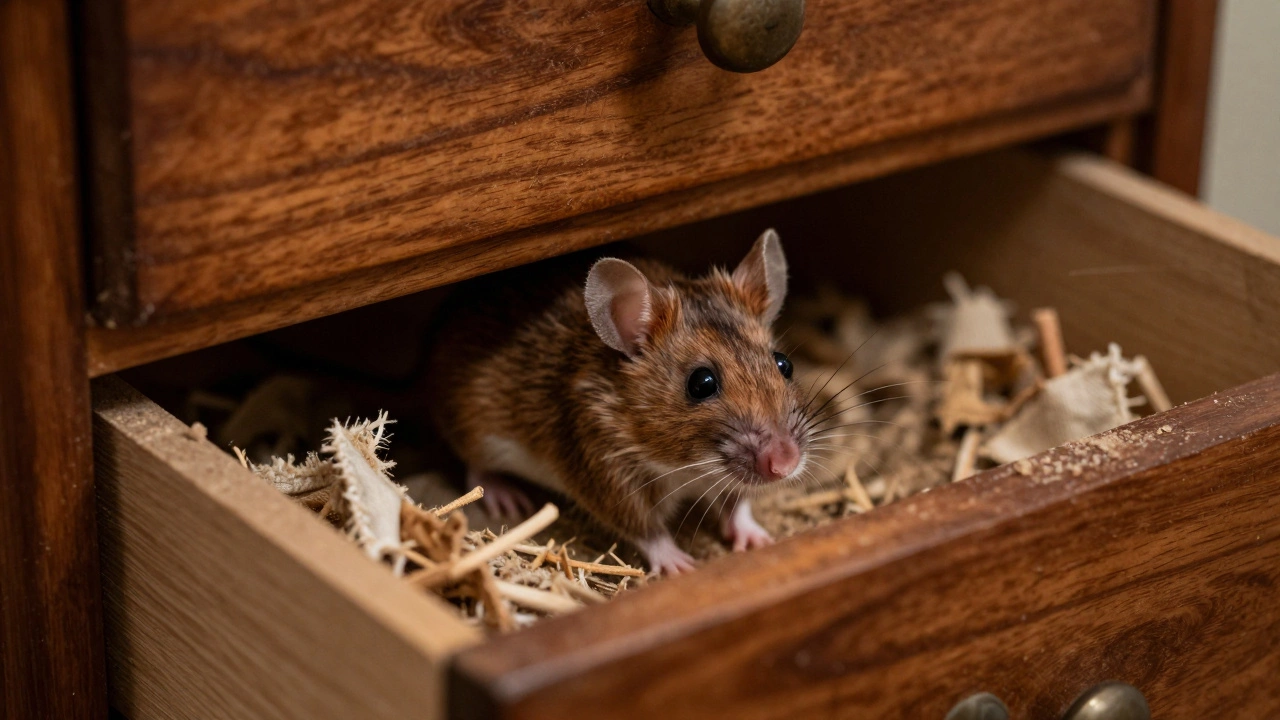
There is nothing quite as frustrating as finding shredded fabric inside your favorite ottoman or hearing scratching sounds coming from your hollow-core wardrobe late at night. Mice are not just a nuisance; they are destructive pests that can ruin expensive storage furniture made of wood, fabric, and foam. If you have tried trapping them without success, it is time to change tactics. Instead of waiting for them to bite bait, you need to make your home-and specifically your furniture-uninviting. But what do mice hate the most? The answer lies in their sensitive senses and instinctual fears.
The Power of Strong Scents: What Smells Repel Mice?
Mice rely heavily on their sense of smell to navigate their world. To them, strong odors are overwhelming and signal danger. Unlike humans, who might find a scent pleasant, mice interpret certain pungent smells as threats. This makes odor-based repellents one of the most effective first lines of defense for protecting your storage units.
Peppermint oil is a potent essential oil that masks food scents and irritates a mouse's sensitive nasal passages. It is widely considered the gold standard for natural repellents. You can soak cotton balls in pure peppermint oil and place them inside drawers, under sofa cushions, or near the legs of your coffee tables. The key is consistency; the scent fades quickly, so you must replace the cotton balls every few days to maintain the barrier.
Beyond peppermint, several other scents are highly effective:
- Eucalyptus oil: Similar to peppermint, its sharp, medicinal aroma is repulsive to rodents.
- Cayenne pepper: The capsaicin in chili peppers creates an irritating sensation that mice avoid. Sprinkling a small amount around the base of furniture can deter them from climbing up.
- Ammonia: This chemical smells like predator urine to mice. However, use it with caution, as it can damage some wood finishes and fabrics if spilled directly on your furniture.
- Castor oil: Often used in commercial repellents, castor oil has a distinct smell that discourages nesting.
While these scents work well for immediate deterrence, they are not permanent solutions on their own. They mask attractants but do not address the root cause of why mice are entering your space in the first place.
Why Storage Furniture Is a Target for Mice
To effectively protect your home, you need to understand why mice target storage furniture specifically. Items like ottomans, trunks, and hollow-leg chairs offer the perfect combination of shelter, warmth, and insulation materials. Mice are nesters. They seek out enclosed spaces where they can feel safe from predators and environmental elements.
Fabric-covered furniture is particularly vulnerable. The stuffing inside sofas, armchairs, and storage benches provides excellent material for building nests. Once a mouse finds a comfortable spot, it will begin to chew through the fabric to access the interior. This chewing is not just about creating a home; it is also a biological necessity. A mouse's teeth grow continuously throughout its life. Chewing on wood, fabric, and even electrical wires helps them file down their incisors to prevent overgrowth.
Wooden furniture, especially pieces made from softer woods like pine or plywood, is also at risk. Termites get all the press, but mice can cause significant structural damage by gnawing through drawer sides, cabinet frames, and table legs. If you hear scratching noises coming from your wardrobe or chest of drawers, it is likely too late-the mouse has already moved in.

Natural Predators and Their Scents
In the wild, mice are prey animals. Their survival instincts are hardwired to detect the presence of predators. In a domestic setting, we can mimic these threats to keep mice away from our furniture. One of the most effective methods is using the scent of natural predators.
Cat litter is a common household item that carries the pheromones and scent of cats, which mice instinctively fear. Even if you do not own a cat, placing a small bowl of used cat litter (not fresh) near entry points or under large pieces of furniture can be surprisingly effective. The scent signals to the mouse that a predator is nearby. Similarly, some people use dried owl pellets or coyote urine, though these are less practical for indoor use due to their strong odor.
If you do have pets, encourage your cat to spend time near your storage furniture. Cats are natural hunters, and their presence alone is often enough to keep mice at bay. Even a lazy house cat will investigate new sounds and movements, providing an active deterrent that no spray can replicate.
Physical Barriers and Exclusion Methods
Repellents only work if mice cannot easily bypass them. For long-term protection, physical exclusion is necessary. Mice are incredibly flexible and can squeeze through openings as small as the width of a dime. Inspect your storage furniture for any gaps, cracks, or holes.
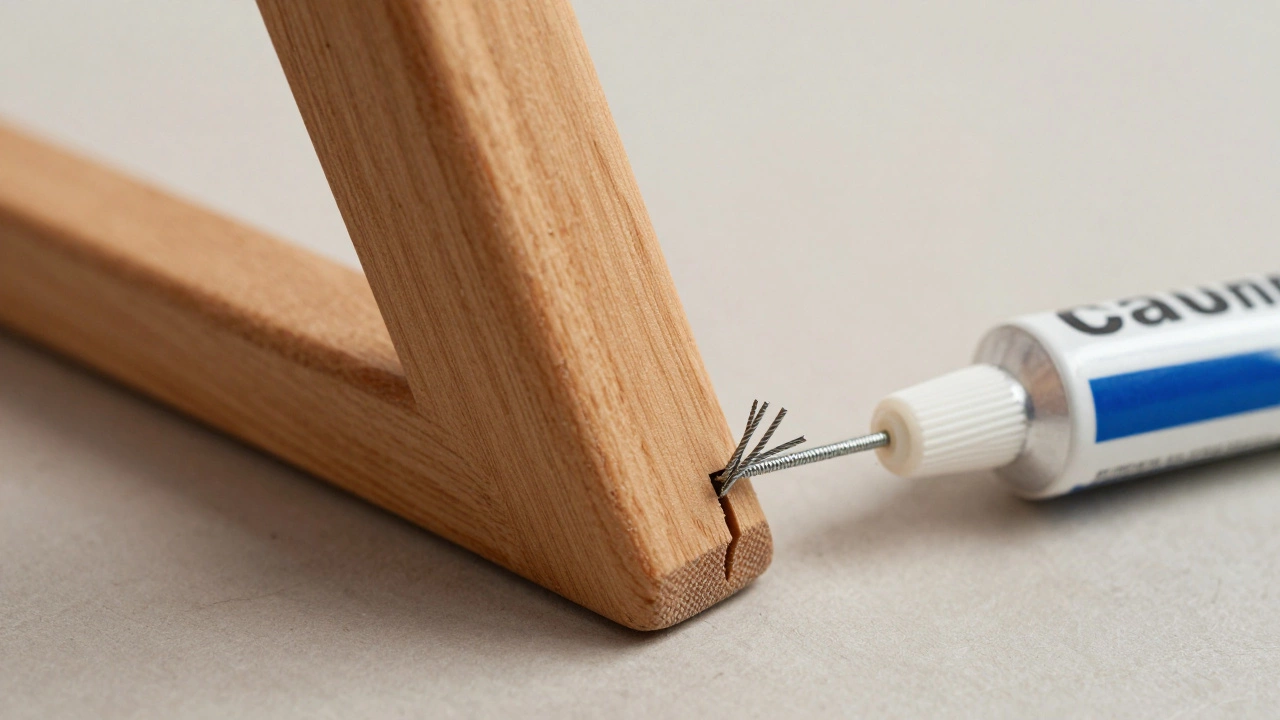
Steel wool is a fantastic material for blocking these entry points. Unlike plastic or wood, steel wool cannot be chewed through by mice. Stuff small holes in the legs of chairs, the backs of cabinets, or the undersides of desks with steel wool. You can seal it in place with caulk for a more permanent fix. This method is particularly useful for older furniture that may have developed cracks over time.
Additionally, consider the placement of your furniture. Avoid pushing large pieces directly against exterior walls if possible, or ensure there are no gaps between the wall and the furniture where mice could hide. Elevating furniture off the floor using sturdy blocks can also help you inspect underneath regularly and reduce the likelihood of nesting.
| Method | Effectiveness | Duration | Safety for Furniture |
|---|---|---|---|
| Peppermint Oil | High (Short-term) | 3-5 Days | Safe (Use diluted) |
| Steel Wool | Very High | Permanent | Safe |
| Ultrasonic Devices | Low/Mixed | Continuous | Safe |
| Cayenne Pepper | Moderate | 1-2 Weeks | Risk of Staining |
| Traps | High (Removal) | Until Caught | Safe (If placed carefully) |
The Myth of Ultrasonic Repellents
You will often see advertisements for ultrasonic mouse repellents that claim to emit high-frequency sounds painful to mice but inaudible to humans. While the theory is sound, the reality is disappointing. Studies have shown mixed results, and many experts believe these devices are largely ineffective for established infestations.
Sound waves do not penetrate solid objects well. If you place an ultrasonic device in one corner of the room, it will not protect the mouse hiding inside your heavy wooden wardrobe across the room. Furthermore, mice can habituate to the sound over time, realizing it poses no actual threat. Relying solely on ultrasonic technology to protect your storage furniture is a risky strategy. It is better to combine multiple methods, focusing on scent barriers and physical exclusion.
Maintenance and Prevention Habits
Preventing mice from targeting your furniture requires ongoing maintenance. Regularly vacuuming under and behind your storage units removes crumbs, dust bunnies, and potential nesting materials. Check your furniture monthly for signs of droppings, grease marks along baseboards, or shredded fabric.
If you store items in your furniture, keep them in sealed plastic bins rather than cardboard boxes. Cardboard is a treat for mice-it is easy to chew and great for nesting. Plastic containers provide a hard shell that mice cannot penetrate. Additionally, avoid storing food items in kitchen cabinets or pantry furniture unless they are in airtight glass or metal containers.
Finally, inspect your home’s exterior. Mice often enter homes through gaps around foundation cracks, window screens, or door frames. Sealing these entry points prevents mice from reaching your indoor furniture in the first place. Remember, a proactive approach is always cheaper and less stressful than dealing with a full-blown infestation and ruined furniture.
Do mice really hate the smell of peppermint?
Yes, mice have a very sensitive sense of smell, and the strong menthol scent of peppermint oil is overwhelming and unpleasant to them. It does not kill them, but it acts as a powerful deterrent when used consistently on cotton balls placed near entry points or inside furniture.
Can mice chew through wood furniture?
Absolutely. Mice need to gnaw on hard surfaces to keep their teeth filed down. They can easily chew through softwoods like pine, plywood, and particle board commonly found in affordable storage furniture. Hardwoods are more resistant but not immune to determined rodents.
Is steel wool safe to use on furniture?
Yes, steel wool is safe and highly effective. It is non-toxic and cannot be chewed through by mice. Simply stuff it into small holes or cracks in your furniture legs or frames. You can secure it with caulk if needed. Just ensure you use fine-grade steel wool to avoid scratching delicate finishes during application.
How often should I refresh peppermint oil repellents?
You should refresh the cotton balls soaked in peppermint oil every 3 to 5 days. The essential oil evaporates quickly, especially in warm or ventilated areas. If the scent becomes faint to your nose, it is likely too weak to repel mice effectively.
Do ultrasonic mouse repellents work on furniture?
Generally, no. Sound waves do not travel well through solid objects like wood or fabric. An ultrasonic device placed in a room will not effectively reach mice hiding inside closed cabinets, ottomans, or behind large furniture pieces. Physical exclusion and scent barriers are more reliable.
Write a comment