
Furniture Storage Cover Selector
Step 1: Select Furniture Type
Step 2: Select Storage Environment
Step 3: Storage Duration
Step 4: Final Check
When you’re storing furniture-whether it’s your sofa, dining table, or antique dresser-the biggest threat isn’t dust or dirt. It’s moisture, mold, and accidental scratches. You wouldn’t leave a car outside in winter without a cover, so why risk your furniture? The right covering makes all the difference. But what do you actually put over furniture in storage? It’s not just any sheet or plastic wrap. There’s a smarter, more effective way.
Why Covering Furniture in Storage Matters
Storage units aren’t climate-controlled by default. Even in a dry area like Birmingham, humidity rises in summer, and condensation builds on cold surfaces in winter. A wooden table left uncovered can warp. A leather sofa can crack. Fabric upholstery attracts mildew. A single damp night can ruin years of use.
According to the Storage Industry Association, over 60% of furniture damage claims in climate-uncontrolled units come from moisture-related issues-not theft or accidents. That’s not a fluke. It’s physics. When air hits cold surfaces, water droplets form. That’s condensation. And it settles on everything: wood, metal, fabric, and leather.
What Not to Use
Before we talk about what works, let’s clear up the most common mistakes.
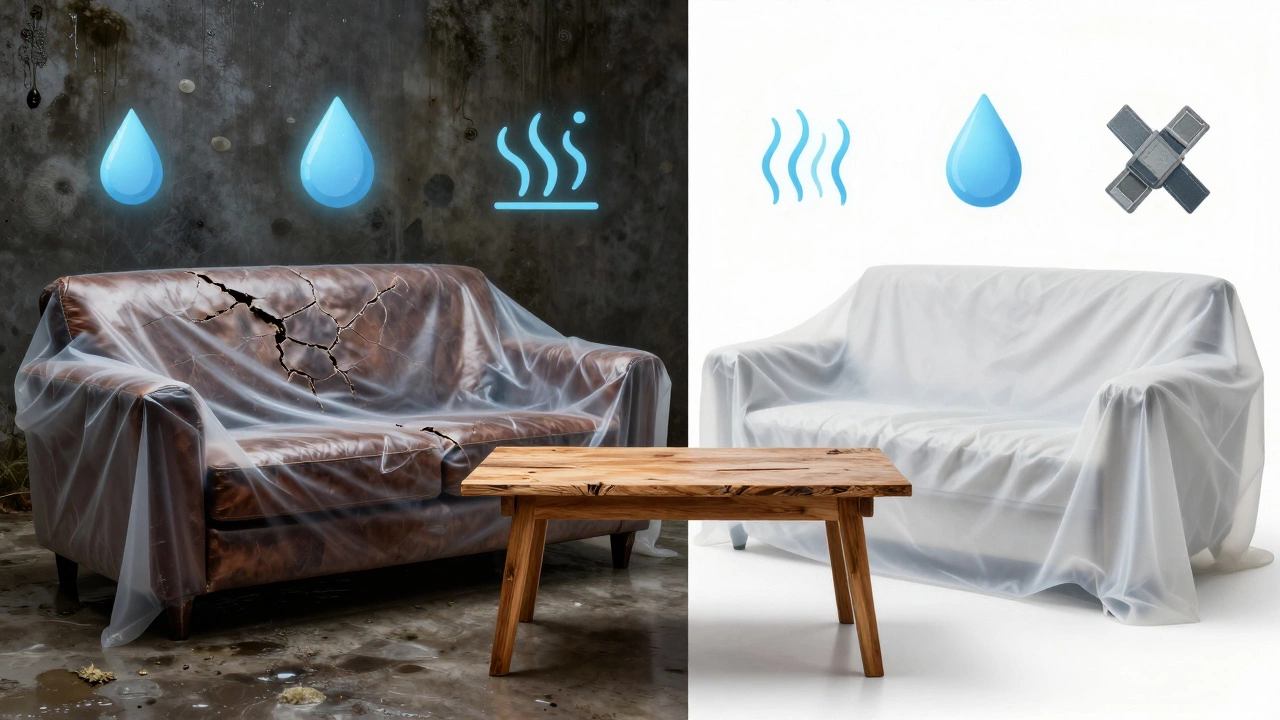
- Plastic sheeting-It traps moisture like a greenhouse. Condensation forms underneath and stays there, rotting fabrics and warping wood.
- Old bedsheets or towels-They absorb moisture but don’t let it escape. You end up with damp, smelly furniture.
- Garbage bags-Too thin, tear easily, and create static that pulls in dust. Plus, they look messy.
- Cardboard boxes-Great for small items, but not for large furniture. They break down if there’s any dampness.
These might seem like quick fixes, but they’re long-term risks. You’re trading convenience for damage.
The Right Materials: Breathable, Protective Covers
The gold standard is breathable fabric covers made from non-woven polypropylene or cotton-polyester blends. These are designed specifically for furniture storage. They let air move through while blocking dust, dirt, and minor spills.
Look for covers labeled as “storage-grade” or “climate-safe.” Brands like MovingMaster a leading brand in furniture storage solutions, offering breathable, water-resistant covers made from non-woven polypropylene and U-Haul Furniture Covers a widely available option made from thick, breathable fabric that protects against dust and light moisture are commonly used in professional moving services. They’re not cheap-but they’re cheaper than replacing a sofa.
For delicate items like antique wood or velvet upholstery, use a cotton slipcover. Cotton is natural, breathable, and gentle on surfaces. Avoid synthetic blends unless they’re labeled as moisture-wicking.
How to Cover Furniture Properly
Putting a cover on isn’t just draping it over. There’s a method.
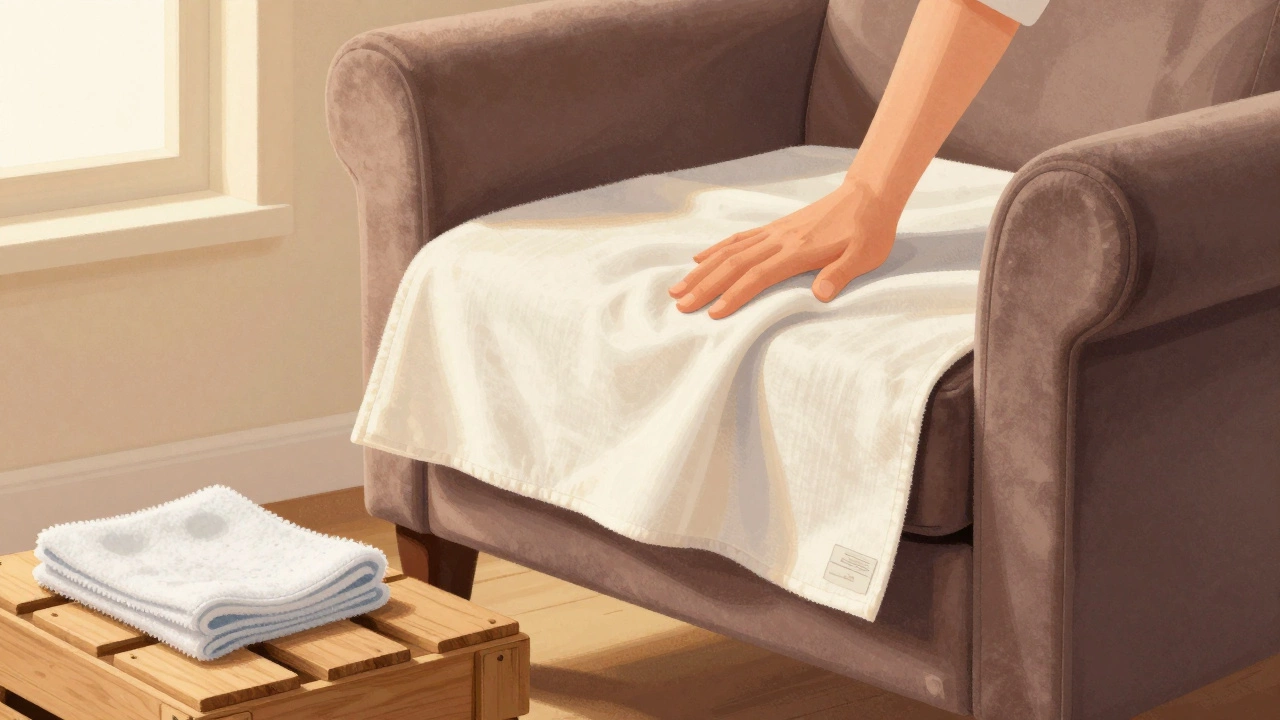
- Clean everything first. Dust, crumbs, and pet hair trapped under a cover become breeding grounds for mold. Wipe down wood with a dry microfiber cloth. Vacuum fabric surfaces.
- Use padding on sharp edges. Put foam corner guards or old towels over table legs, chair arms, and metal hardware. This prevents the cover from rubbing and wearing through.
- Loose fit only. Don’t stretch the cover tight. Air needs to circulate. A slightly baggy cover is better than a snug one.
- Secure with straps or ties. Most quality covers come with adjustable straps. Use them. A loose cover can shift and snag on other items.
- Leave space between pieces. Don’t stack furniture under a single cover. Give each piece room to breathe. If you must stack, put a breathable moving blanket between layers.
Special Cases: Leather, Wood, and Upholstery
Not all furniture reacts the same way.
Leather needs airflow but hates direct moisture. Use a cotton cover, never plastic. You can also apply a light coat of leather conditioner before storage-this keeps it supple and prevents cracking.
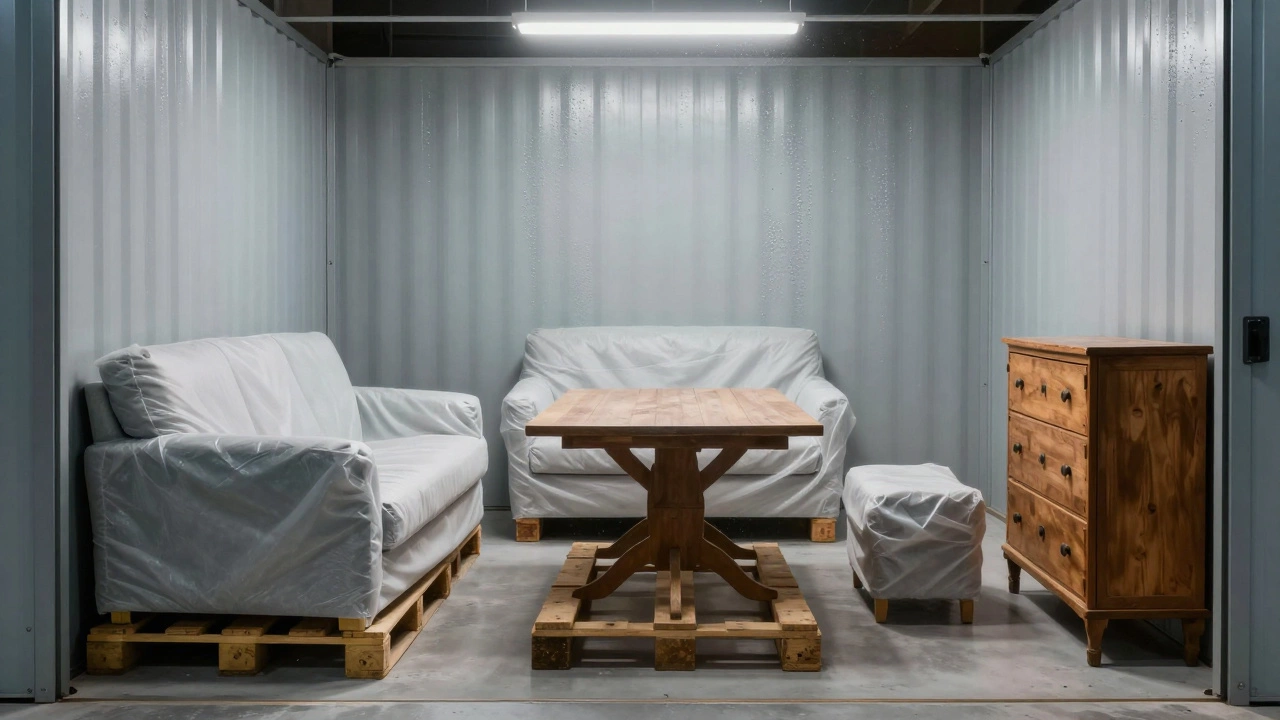
Wood (especially solid oak, walnut, or teak) swells and shrinks with humidity. Wrap legs and edges with felt pads. Then cover with a breathable fabric. Avoid placing wood directly on concrete floors-use wooden pallets or plastic furniture risers.
Upholstered pieces (sofas, armchairs) are the most vulnerable. Vacuum thoroughly. If the fabric is light-colored, consider a white cover to avoid dye transfer. Never use heat-sealed plastic on cushions-trapped moisture turns them into mildew farms.
Where to Store Furniture for Best Results
Even the best cover won’t save furniture if it’s stored poorly.
- Choose a climate-controlled unit if possible. These maintain humidity between 45% and 55%-ideal for wood and fabric.
- Keep furniture off the floor. Use pallets, plastic risers, or even stacked cardboard (if dry). Concrete draws moisture upward.
- Place items away from walls. Air needs to circulate on all sides. Leave at least 6 inches of space.
- Don’t store near vents, windows, or doors. Temperature swings happen there.
- Check monthly. Even if you don’t go in often, peek under the cover every 30 days. Look for damp spots, discoloration, or odors.
What About Moving Blankets?
Yes, they’re great for transport-but not ideal for long-term storage. Moving blankets are thick and absorbent, which sounds good. But they hold moisture like a sponge. If your unit gets damp, the blanket becomes the problem, not the solution.
Use them only as a secondary layer. For example: place a breathable storage cover over your sofa, then add moving blankets on top if you’re stacking other items. But never rely on them alone.
How Long Can Furniture Stay Covered?
There’s no expiration date, but time matters. If you’re storing for under 3 months, a good cover is enough. For 6 months to a year, check for condensation every 60 days. Beyond a year, consider repositioning items, flipping cushions, and airing them out for a few hours every few months.
One homeowner in Birmingham stored a mid-century dining set for 18 months. She used breathable covers, kept it off the floor, and checked it every two months. When she pulled it out, it looked brand new. The same set, stored under plastic by a neighbor, had mold spots on the legs and a musty smell.
Final Tip: Think Ahead
Storage isn’t a one-time task. It’s a system. The best thing you can do is plan before you move. Buy covers before you pack. Label everything. Take photos. Keep a checklist.
Protecting furniture isn’t about perfection. It’s about reducing risk. A $20 breathable cover saves you from a $1,000 replacement. That’s not an expense-it’s insurance.
Can I use plastic wrap over furniture in storage?
No. Plastic wrap traps moisture, which leads to mold, mildew, and warping. It may seem like a barrier, but it actually creates a damp environment right against your furniture. Always choose breathable covers instead.
What’s the best fabric for furniture storage covers?
Non-woven polypropylene is the top choice. It’s lightweight, water-resistant, and lets air flow through. Cotton blends are good for delicate fabrics like velvet or silk. Avoid polyester blends unless they’re specifically designed for moisture-wicking storage.
Should I cover furniture before or after cleaning it?
Always clean first. Dust, crumbs, and pet hair trapped under a cover will attract moisture and cause stains or mildew over time. Wipe down wood, vacuum fabric, and let everything dry completely before covering.
Can I store furniture in a garage?
Only if it’s dry, insulated, and off the concrete floor. Garages often have temperature swings and moisture buildup. Use breathable covers, elevate furniture on pallets, and check monthly. If your garage gets damp in winter, it’s not safe for long-term storage.
How often should I check on stored furniture?
Every 30 to 60 days. Even if you don’t touch anything, peek under the cover. Look for dampness, discoloration, or musty smells. If you spot anything, remove the cover, let the item air out for a few hours, then re-cover it.
Write a comment