
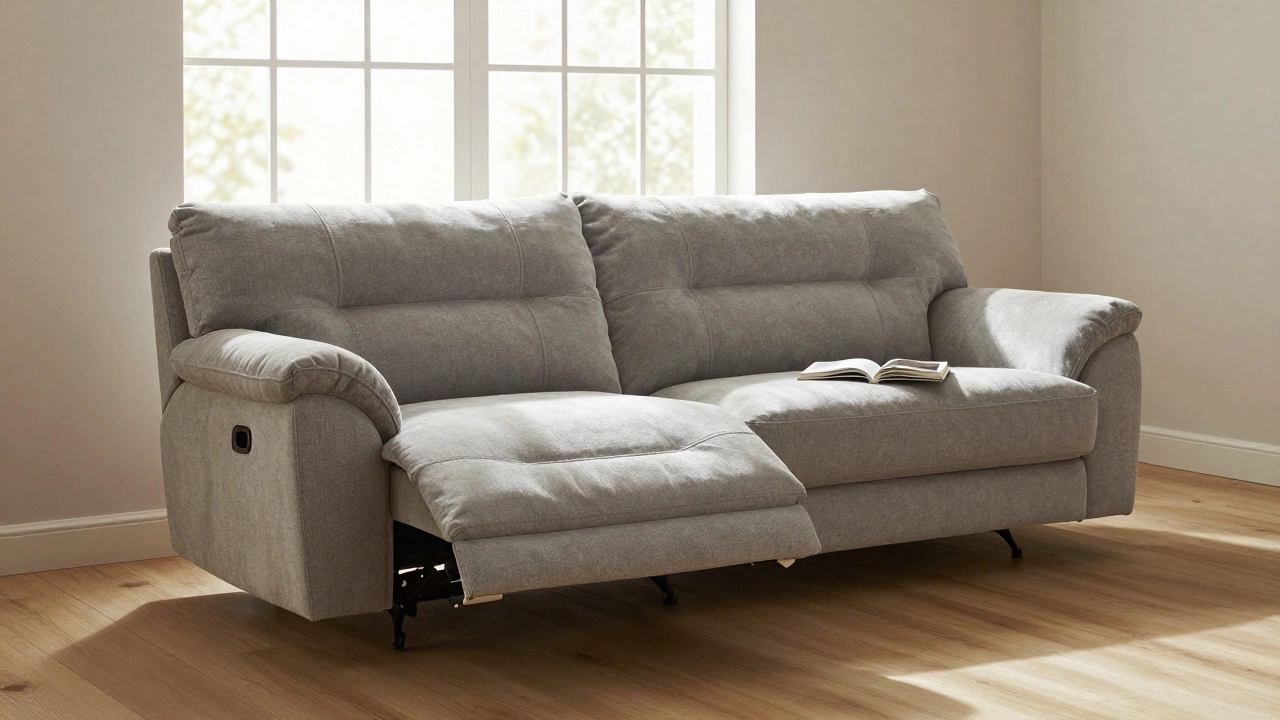
Recliner Alternative Finder
Find Your Perfect Seating Alternative
Answer a few quick questions to get a personalized recommendation based on your space, usage needs, and preferences.
Your Perfect Alternative
If you’re tired of your recliner chair - maybe it’s too bulky, outdated, or just doesn’t fit your space - you’re not alone. Many people are ditching traditional recliners for smarter, more flexible seating options that still deliver that deep, sink-in comfort. The good news? There are plenty of alternatives that don’t sacrifice coziness, style, or support. You don’t need to settle for one-size-fits-all when your living room deserves something better.
Why People Are Moving Away from Recliners
Recliners have been a staple in homes for decades, but they come with real downsides. Most are heavy, hard to move, and take up a lot of floor space. If you have a smaller living room, a recliner can make the whole area feel cramped. They’re also not great for multi-use spaces. Want to watch TV, read, and have guests over? A recliner often blocks movement or looks out of place when company comes.
Another issue? Many recliners are built for one specific posture - leaning back at a fixed angle. That’s fine if you’re always in the same position, but what if you like to stretch out one day and sit upright the next? Modern alternatives offer adjustability without the mechanical clutter.
Top Alternatives to a Recliner Chair
Here are the five most popular and practical replacements that actually outperform traditional recliners in real-life use.
1. Sectional Sofas with Power Recline
Think of a sectional as a recliner that grew up. Modern sectionals come with built-in power recliners in one or more seats, so you get the same footrest and back support - but with room for two or three people. Brands like Ashley Furniture and La-Z-Boy now offer modular sectionals where you can pick which seat reclines, and even add USB charging ports and storage consoles.
Unlike standalone recliners, sectionals adapt to your space. You can arrange them in an L-shape, U-shape, or even straight against a wall. They’re also easier to clean and maintain. If one cushion gets stained, you can usually remove and wash it. A single recliner? Not so much.
2. Lounge Chairs with Adjustable Backs
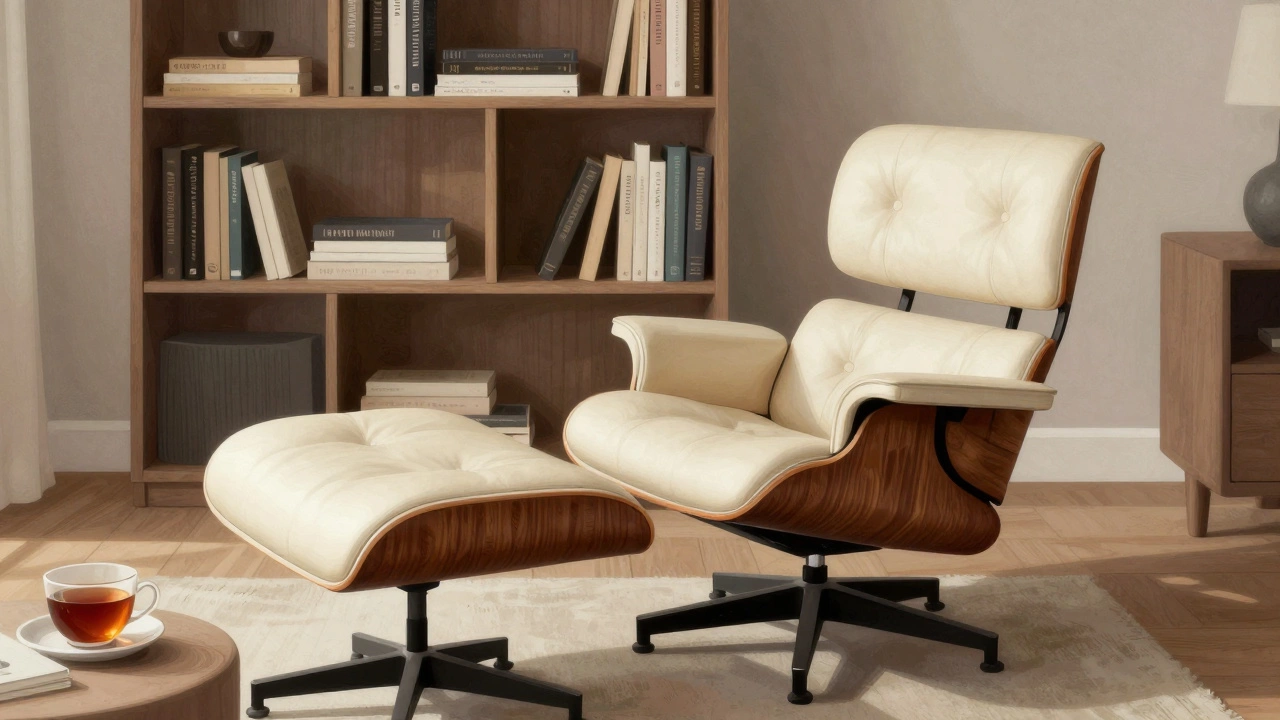
These are the sleeker, more stylish cousins of the recliner. Lounge chairs like the Eames Lounge Chair is a mid-century modern design with a padded seat, adjustable backrest, and ottoman or the Arco Floor Chair features a curved steel base and deep, cushioned seat that lets you lean back at any angle give you full control over your posture. No buttons, no levers - just your body weight shifting the backrest into the perfect position.
They’re lighter, easier to move, and look better in minimalist or Scandinavian-style homes. Many come with removable covers, so you can swap out fabric colors as trends change. A lounge chair doesn’t scream "old man chair" - it whispers "thoughtful design."
3. Modular Loungers and Bean Bag Chairs
For people who want total freedom of movement, modular loungers and high-end bean bags are game-changers. Brands like Lovesac offers Sactionals - foam cubes covered in removable, washable fabric that you can rearrange into a chaise, sofa, or full recliner-style setup let you build your own seating. You can sit upright, lie flat, or curl up sideways - all in the same piece.
Bean bag chairs have come a long way too. Modern versions use memory foam or shredded EPS beads that mold to your body like a cloud. They’re perfect for reading nooks, home theaters, or kids’ rooms. Unlike recliners, they don’t need space behind them. You can tuck one into a corner and still have room to walk around.
4. Adjustable Floor Seating (Zaisu, Tatami, and Floor Loungers)
If you’ve ever tried sitting on the floor with a pillow and realized how comfortable it was, you’re already halfway to this alternative. Floor seating - like Japanese Zaisu is a low-back chair with legs, designed for sitting on tatami floors with a cushioned seat and backrest or Western-style floor loungers are low-profile chairs with wide, padded seats and adjustable armrests for relaxed sitting - is gaining popularity in small apartments and minimalist homes.
They promote better posture by encouraging a neutral spine, reduce pressure on your hips, and free up floor space. Pair one with a low table and you’ve got a cozy reading corner that doesn’t dominate the room. Plus, they’re usually under $300 and easy to assemble.
5. Sofa Beds with Memory Foam Mattresses
Let’s be honest - a lot of people use recliners because they need extra sleeping space. But a sofa bed with a memory foam mattress? It’s way better. You get a full-length, supportive sleeping surface that doesn’t feel like you’re sleeping on a metal frame. Brands like Casper offers a sofa bed with a 6-inch memory foam mattress that’s designed for daily use, not just guests have made these nearly indistinguishable from real beds.
When you’re not sleeping, it’s a stylish sofa. When you need it, it becomes a bed. No more folding out a clunky pull-out or wrestling with a stiff mattress. And unlike a recliner, it doesn’t block the view of your TV or make guests feel like they’re sitting in a medical chair.
Comparison Table: Recliner vs. Alternatives
| Feature | Traditional Recliner | Sectional with Recline | Lounge Chair | Modular Lounger | Adjustable Floor Seating | Sofa Bed |
|---|---|---|---|---|---|---|
| Space Required | High (needs 2-3 ft behind) | Medium-High | Low | Low | Very Low | Medium |
| Adjustability | Fixed angle, mechanical | Power recline, customizable | Manual, body-weight based | Full customization | Posture flexibility | Seat to bed conversion |
| Multi-Person Use | No | Yes (2-4 people) | Usually one | Yes (configurable) | One or two | Yes (as sofa) |
| Best For | TV watching, single users | Families, media rooms | Reading, style-focused spaces | Small spaces, kids, renters | Minimalist homes, Zen spaces | Guests, small apartments |
| Price Range | $400-$1,200 | $1,500-$4,000 | $800-$2,500 | $600-$2,000 | $150-$500 | $1,000-$2,500 |
What to Consider Before Choosing
Not every alternative works for every home. Here’s what to ask yourself before buying:
- How big is your space? If you’re under 100 sq ft, skip the sectional. Go for a floor lounger or bean bag.
- Who uses it most? Seniors or people with back pain might still prefer a recliner’s mechanical support. Younger users or renters may prefer mobility and style.
- Do you need storage? Some sectionals and modular loungers have hidden compartments. Recliners rarely do.
- Are you renting? Look for removable covers, lightweight frames, and non-permanent setups.
- What’s your aesthetic? A sleek lounge chair fits a modern home. A chunky recliner might clash.
Real-Life Example: A Birmingham Flat Upgrade
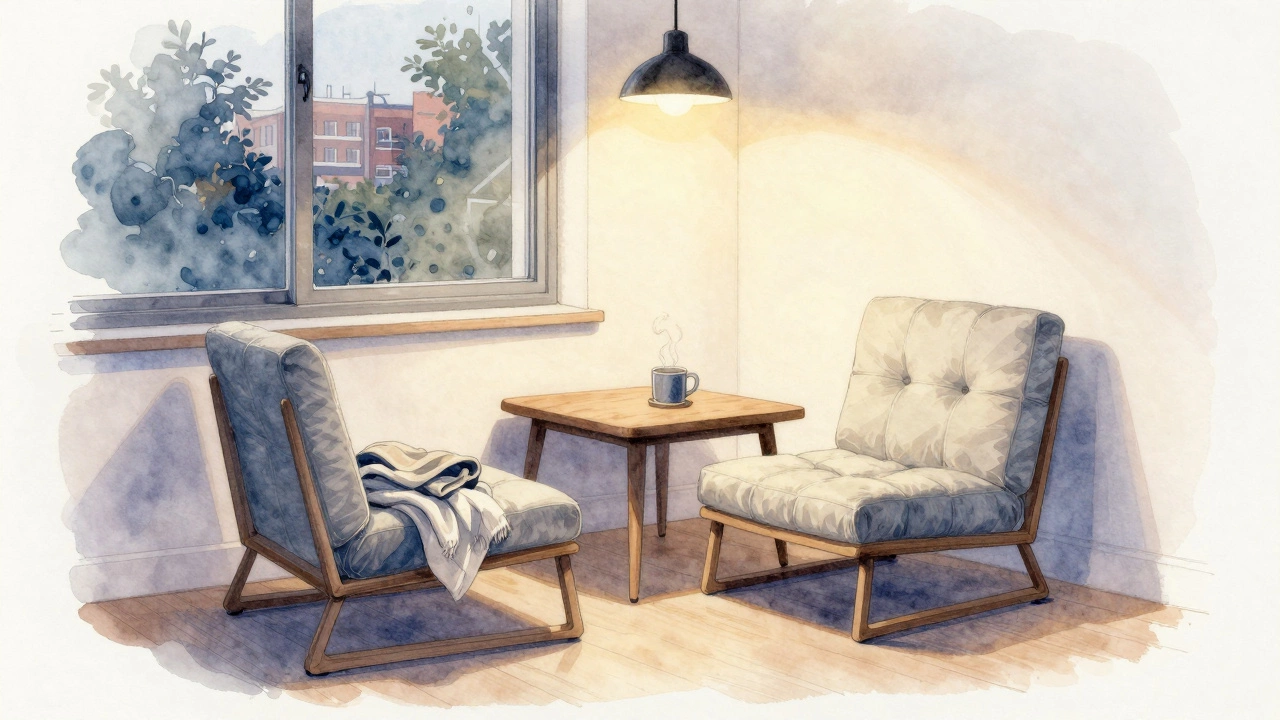
In a small two-bedroom flat in Edgbaston, a couple replaced their 1990s leather recliner with a Lovesac Sactional and a Zaisu-style floor chair. The recliner was too big for their TV nook and blocked the hallway. The Sactional now serves as their main seating - one side reclines for movie nights, the other stays upright for reading. The Zaisu chair sits by the window for morning coffee. They’ve doubled their usable floor space and got more comfort than before.
Final Thoughts
The best alternative to a recliner isn’t one single thing. It’s whatever fits your life. If you want luxury and space, go for a sectional. If you want simplicity and style, try a lounge chair. If you’re tight on space or on a budget, floor seating or a modular lounger might be your answer. The point isn’t to get rid of comfort - it’s to upgrade it.
Recliners aren’t gone - they’re just no longer the only option. And that’s a good thing.
Is a lovesac better than a recliner?
Yes, for most people. A Lovesac Sactional gives you the reclining function of a traditional chair but with the flexibility to rearrange it, clean it easily, and fit it into small spaces. It’s also more durable, easier to move, and works better for families. If you only sit alone and need deep, mechanical recline, a recliner might still win. But for versatility, comfort, and modern living, Lovesac is the upgrade.
Can a bean bag chair replace a recliner?
Absolutely - if you choose a high-end one. Modern bean bags with memory foam or shredded foam filling mold to your body like a recliner’s cushion. They’re great for lounging, napping, or watching TV. The downside? They don’t offer back support for long periods like a recliner does. So if you have chronic back pain, pair it with a lumbar pillow. For casual use, it’s a perfect replacement.
Are lounge chairs comfortable enough for all-day sitting?
It depends on the design. A well-made lounge chair like the Eames or Arco has enough cushioning and back support for hours of reading or relaxing. But they’re not designed for full-body reclining like a power recliner. If you want to lie flat, you’ll need an ottoman or footrest. For upright lounging - reading, working on a laptop, or chatting - they’re ideal.
Do floor chairs work for tall people?
Yes, but you need to pick the right height. Zaisu chairs and floor loungers come in different seat heights. Look for ones with a seat height of 14-16 inches - that’s about the same as a standard chair. Pair it with a low table, and your knees won’t be higher than your hips. Tall people often find floor seating more comfortable because it avoids the pressure on the thighs that recliners can cause.
What’s the cheapest alternative to a recliner?
Adjustable floor seating is the most affordable. You can find a quality Zaisu-style chair or a foam-filled floor lounger for under $200. High-end bean bags with memory foam start around $150. Both are cheaper than even the most basic recliner and offer more flexibility in how you use them.
Write a comment