
Sofa Protection Finder
Configure your household settings and click "Find My Ideal Protector" to get personalized recommendations.
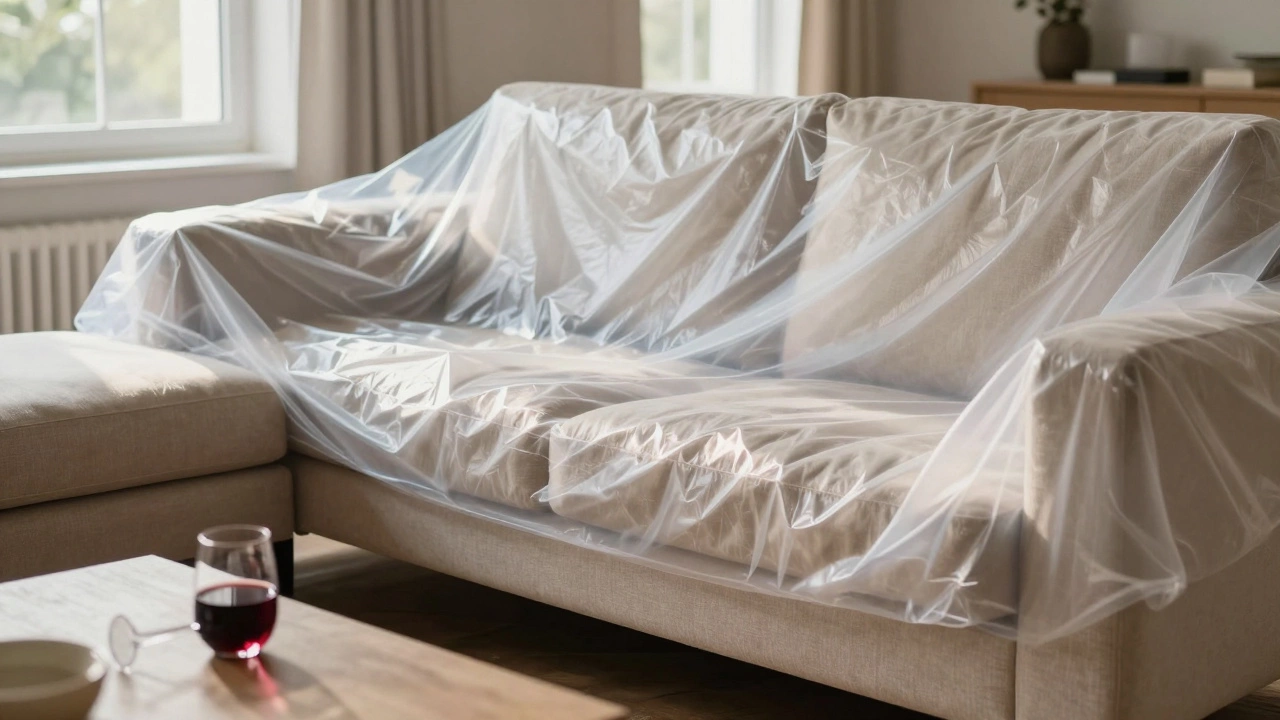
It looks messy. It looks temporary. And honestly, it can look a bit sad. You walk into a living room and see that crinkly, translucent layer of plastic draped over a brand-new sectional. Your first instinct might be to judge. But before you roll your eyes, consider this: that plastic is likely the only thing standing between a £2,000 investment and a ruined stain from a spilled red wine or a muddy paw print.
Keeping plastic on couches isn't just about laziness or poor interior design taste. For many households, it’s a calculated risk management strategy. Whether it’s a cheap disposable sheet or a high-tech breathable protector, the goal is the same: preserve the fabric underneath. Let’s break down why this trend persists, what types of protection actually work, and how to keep your sofa looking pristine without sacrificing comfort.
The Real Reasons Behind the Plastic
People don’t put plastic on their sofas because they want to live in a cafeteria. They do it because life happens. Spills happen. Pets shed. Kids eat cereal on the floor. The primary driver is furniture protection. A sofa is often the most expensive piece of furniture in a home. Replacing it is costly and inconvenient. Protecting it is cheap and easy.
- Pet Owners: Dogs and cats scratch, shed, and occasionally have accidents. Plastic provides an impenetrable barrier against urine, which can soak into foam and create permanent odors.
- Parents with Young Children: Juice boxes leak. Crumbs fall. Sticky hands touch everything. A plastic layer allows for quick wipes instead of deep steam cleaning.
- New Furniture Anxiety: That "new car smell" comes with new furniture anxiety. Many people wait until the warranty period expires or the initial excitement wears off before removing protective layers.
- Rental Properties: Tenants often use plastic to ensure they get their deposit back by keeping the landlord’s sofa in mint condition.
It’s not just about dirt; it’s about peace of mind. Knowing you can wipe away a disaster in ten seconds changes how relaxed you feel in your own home.
Not All Plastic Is Created Equal
If you’ve ever sat on a thin grocery bag taped to a chair, you know the problem: noise, heat, and discomfort. Modern couch covers have evolved significantly. The "plastic" you see today is rarely just polyethylene film anymore. It’s often a multi-layered composite designed for long-term use.
| Type | Material | Breathability | Durability | Aesthetic Appeal |
|---|---|---|---|---|
| Disposable Polyethylene | Thin plastic film | Poor (sweaty) | Low (tears easily) | Very Low |
| Polyurethane (PU) Coated | Fabric with plastic backing | Moderate | High | Medium |
| TPE (Thermoplastic Elastomer) | Flexible rubber-like plastic | Good | Very High | High (looks like leather) |
| Nano-Technology Sprays | Invisible liquid barrier | Excellent | Medium (wears off) | Perfect (invisible) |
The shift toward TPE and PU-coated fabrics means you no longer have to choose between protection and comfort. These materials mimic the feel of leather or suede while repelling liquids. They also reduce the static cling and loud crinkling sounds associated with old-school plastic sheets.
The Hidden Risks of Long-Term Plastic Use
While protecting your sofa is smart, leaving non-breathable plastic on for months can cause unintended damage. Here is where the science gets interesting. Fabric needs to breathe. When you trap moisture under a sealed plastic layer, you create a microclimate.
- Mold and Mildew Growth: If a small amount of moisture gets trapped (from humidity or sweat), it cannot evaporate. This leads to mold growth inside the cushion foam, which smells terrible and is hard to remove.
- Fabric Degradation: Some plastics contain chemicals that can react with certain dyes or fibers over time, causing discoloration or weakening of the fabric threads.
- Heat Retention: Plastic traps body heat. Sitting on a sealed couch in summer can be uncomfortably hot, leading to more sweat, which ironically increases the risk of stains if the plastic fails.
To mitigate these risks, experts recommend using breathable protectors or removing the plastic when not actively at risk of spills. If you must use plastic, choose one with ventilation holes or a woven texture that allows air circulation.
Better Alternatives to Traditional Plastic
If the look of plastic bothers you, there are several modern alternatives that offer similar protection without the visual downside. These options blend seamlessly with your decor while providing robust defense against everyday messes.
1. Invisible Water Repellents
Products like Scotchgard or specialized fabric guards create an invisible shield. Liquids bead up on the surface rather than soaking in. This is ideal for light spills but less effective against heavy abrasion or pet claws.
2. Removable Slipcovers
A well-fitted slipcover made of microfiber or cotton-blend offers full coverage. Unlike plastic, these absorb some moisture (which is good for breathability) but can be machine-washed. Look for elasticized fits that stay in place without slipping.
3. Leather or Faux Leather Panels
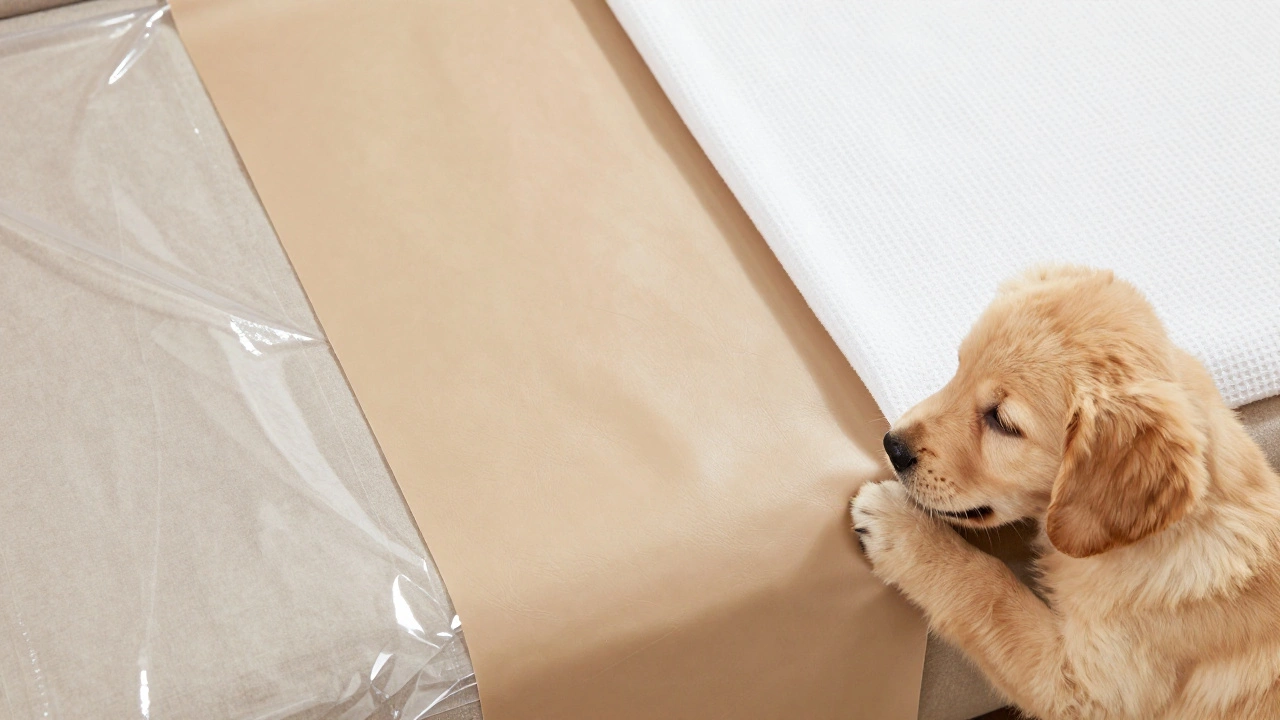
For specific high-risk areas, such as the armrests or the seat cushions where pets lie, you can attach removable leather panels. These are durable, easy to wipe clean, and add a stylish contrast to fabric sofas.
Pro Tip:
Combine methods for maximum protection. Use a nano-spray for overall stain resistance and keep a decorative throw blanket over the most used sections. This adds a layer of physical barrier that you can easily wash.
How to Choose the Right Protector for Your Lifestyle
Selecting the right sofa protector depends entirely on your household dynamics. Ask yourself these questions:
- Do you have pets? If yes, prioritize durability and tear-resistance. TPE or heavy-duty PU coated fabrics are best. Avoid thin plastics that claws can puncture instantly.
- Do you entertain frequently? If you host parties with wine and beer, go for full-coverage slipcovers that are machine washable. Quick removal and washing are key.
- Is aesthetics a priority? If your living room is open-plan and visible to guests, choose transparent TPE or patterned slipcovers that match your decor. Hide the protection, don’t display it.
- What is your budget? Disposable plastic costs pennies but needs frequent replacement. High-quality breathable protectors cost more upfront but last years.
Remember, the best protector is the one you will actually use. If it’s too uncomfortable, you’ll take it off, defeating the purpose.
Cleaning and Maintaining Your Protected Sofa
Even with protection, maintenance is required. Here is how to keep both your sofa and its cover in top shape.
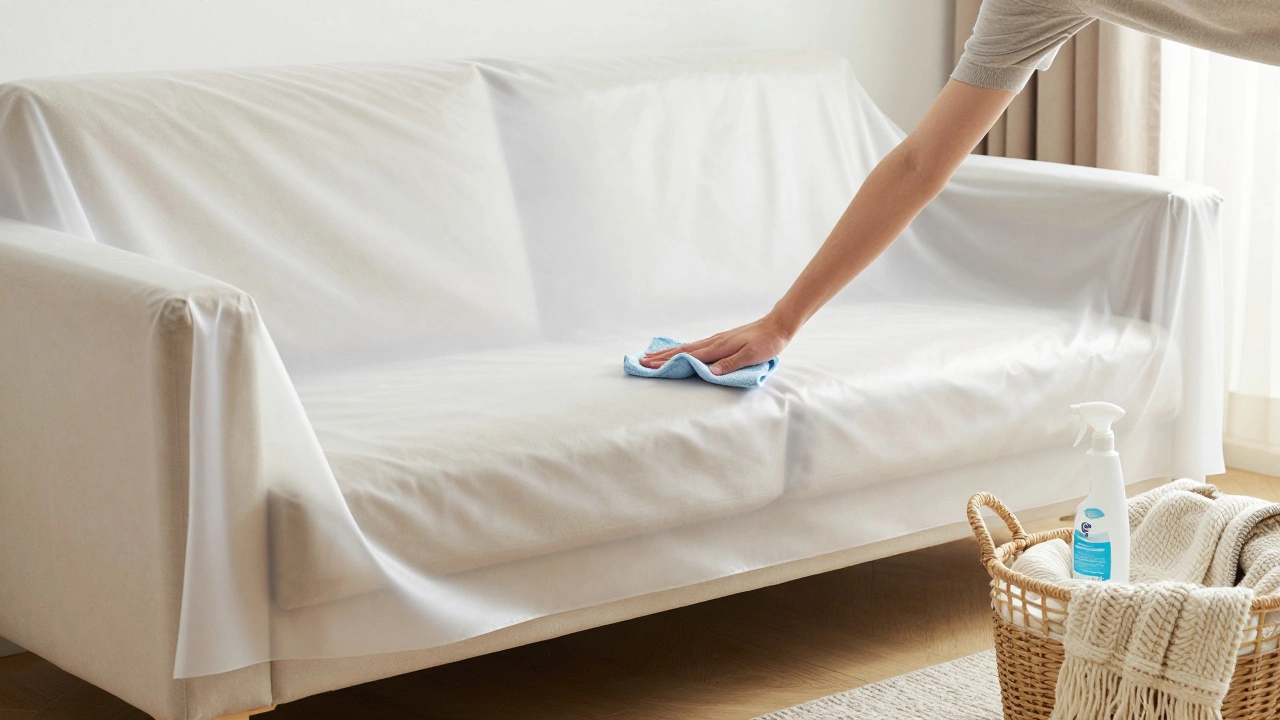
For Plastic/TPE Covers: Wipe down weekly with a damp cloth and mild soap. Avoid abrasive scrubbers that can scratch the surface. Check edges regularly for tears.
For Fabric Slipcovers: Wash according to the label instructions. Most modern slipcovers are machine washable on a gentle cycle. Air dry to prevent shrinkage. Iron on low heat if needed.
For the Sofa Underneath: Even with a cover, vacuum the crevices monthly to remove dust mites and debris. Ensure the sofa is completely dry before putting the cover back on to prevent mold.
When to Ditch the Plastic
There comes a point when protection becomes counterproductive. If your plastic cover is yellowing, cracking, or emitting a chemical odor, it’s time to replace it. Old plastic can degrade and stick to the fabric, potentially damaging the fibers when removed. Additionally, if you’ve moved past the high-risk phase (e.g., children are older, pets are trained), consider switching to lighter, less intrusive protection methods like throws or sprays.
Your sofa is a centerpiece of your home. It should invite relaxation, not fear of stains. By choosing the right type of protection, you can enjoy your furniture without the stress. Whether you opt for high-tech breathable barriers or simple washable covers, the goal is balance: protection that works, comfort that lasts, and a look that you love.
Does plastic damage fabric sofas over time?
Yes, non-breathable plastic can trap moisture and heat, leading to mold growth in the foam and potential degradation of fabric dyes. Always use breathable protectors or remove plastic covers periodically to let the sofa air out.
What is the best material for a dog-proof sofa cover?
TPE (Thermoplastic Elastomer) or heavy-duty Polyurethane (PU) coated fabrics are best. They are tear-resistant, waterproof, and easy to wipe clean. Avoid thin disposable plastics as they puncture easily.
Can I wash plastic sofa covers in the washing machine?
Most thick TPE or PU-backed covers are machine washable on a gentle cycle. However, thin disposable plastic sheets are not. Always check the manufacturer's label. Air drying is recommended to prevent warping.
Are invisible water repellents better than plastic covers?
Invisible repellents are better for aesthetics and breathability but offer less protection against large spills or pet accidents. Plastic covers provide a physical barrier that is easier to clean immediately after a major spill.
How do I stop my sofa protector from slipping?
Choose covers with elasticized bands or straps that secure under the sofa frame. Non-slip grip pads placed between the cushion and the cover can also help. Avoid loose-fitting sheets unless you re-tuck them daily.
Write a comment