
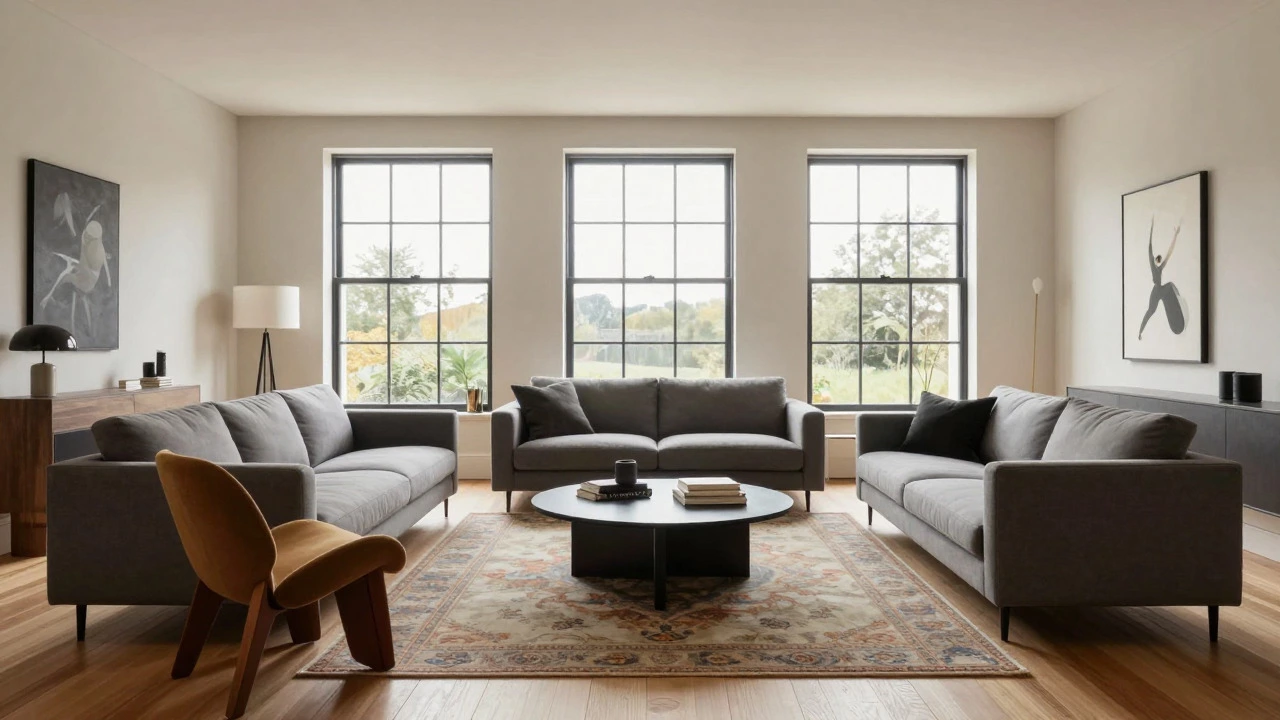
Couch vs. Sofa Set: Which Fits Your Lifestyle?
Answer 4 Questions
Choosing between a standalone couch and a full sofa set impacts your floor space, budget, and how easy it is to move later. This tool analyzes your specific needs.
Key Benefits for You:
Walk into any furniture store or browse an online catalog, and you’ll see two terms used almost interchangeably: couch and sofa set. It’s easy to assume they mean the same thing. After all, both are places to sit, relax, and watch TV. But if you’re planning to furnish your living room, mixing them up could lead to buying the wrong piece for your space. One might leave you with empty corners; the other might crowd your hallway.
The confusion isn’t just about semantics. It’s about function, layout, and how you actually live in your home. A single couch is a standalone piece of furniture. A sofa set is a coordinated collection designed to work together. Understanding this distinction helps you avoid costly mistakes and ensures your living room looks intentional rather than accidental.
The Core Definition: Couch vs. Sofa Set
Let’s start with the basics. When people say couch, they usually mean a single upholstered seat for two or more people. It’s a solitary item. You buy one, place it against a wall or in front of a TV, and that’s it. The term “sofa” is often used synonymously with couch, though some purists argue a sofa is slightly more formal. For our purposes, we’ll treat couch and single sofa as the same entity.
A sofa set, on the other hand, is a group of matching or coordinating pieces sold together. This usually includes a main sofa (the largest piece), a loveseat or armchair, and sometimes additional chairs or ottomans. The goal is uniformity. Every piece shares the same fabric, frame construction, leg style, and design language. If you buy a sofa set, you’re buying a complete ecosystem for your living room, not just a seat.
Why the Distinction Matters for Your Space
The difference between a single couch and a sofa set isn’t just academic-it dictates how you arrange your furniture. A single couch gives you flexibility. You can pair it with mismatched armchairs, a vintage bench, or modern accent seats. This eclectic approach works well in open-plan spaces where you want to define different zones without visual clutter.
A sofa set, however, demands symmetry and balance. Because every piece matches, it creates a strong visual anchor. This is ideal for traditional living rooms or formal reception areas where cohesion is key. If you have a large square or rectangular room, a sofa set fills the space efficiently. With a single couch, you’d need to source complementary pieces separately, which can be time-consuming and expensive.
Consider the logistics. Moving a single couch is manageable. Two adults can usually handle a standard three-seater through most doorways. Moving a full sofa set means coordinating multiple deliveries, ensuring each piece arrives intact, and arranging them simultaneously. If your home has narrow staircases or tight corners, a sofa set poses a significant logistical challenge.
Types of Sofa Sets and Their Configurations
Not all sofa sets are created equal. The composition varies based on room size and lifestyle needs. Here are the most common configurations:
- Two-Piece Set: Includes a main sofa (usually 3-seater) and a loveseat (2-seater). This is the most popular option for average-sized living rooms. It provides ample seating without overwhelming the space.
- Three-Piece Set: Adds an armchair to the two-piece configuration. Ideal for larger rooms or families who frequently host guests. The chair offers individual comfort while maintaining visual harmony.
- Four-Piece or Modular Set: May include two sofas, a loveseat, and chairs, or flexible modules that can be rearranged. These are best for open-concept homes or entertainment-focused spaces.
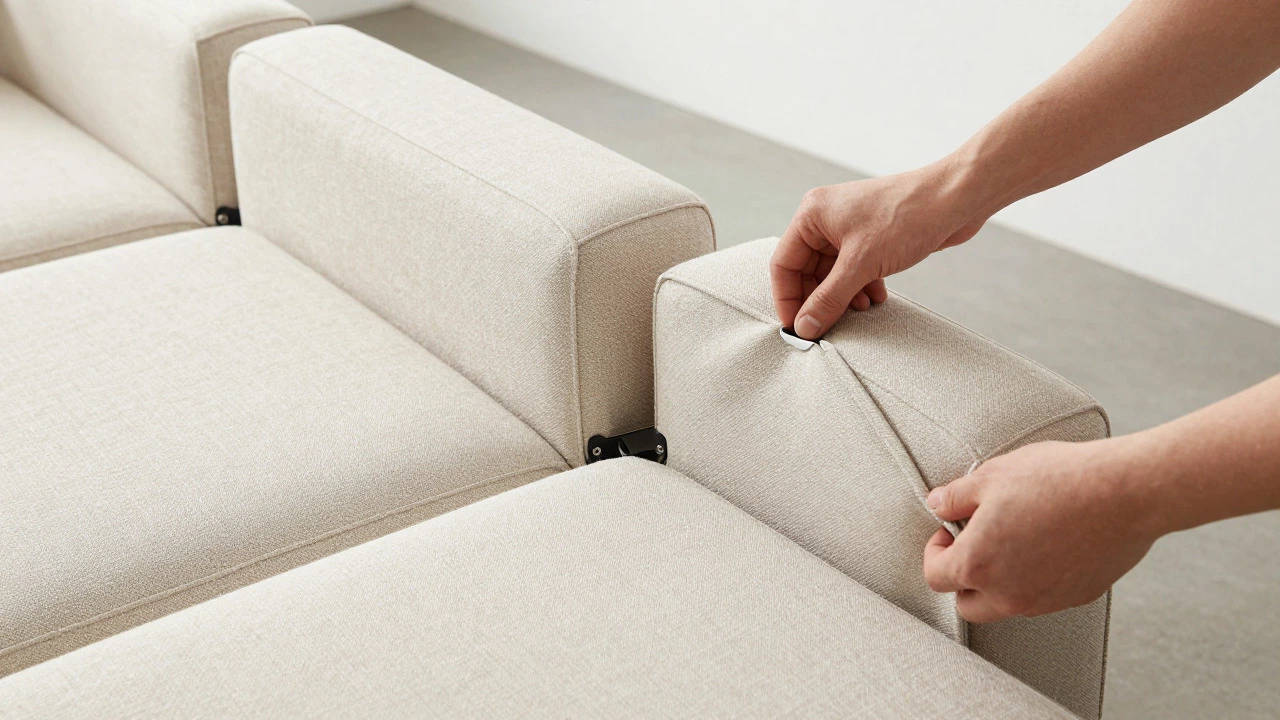
Modular sofa sets represent a newer trend. Unlike traditional fixed-piece sets, modular units consist of individual sections that connect magnetically or via brackets. You can start with a basic L-shape and add chaise lounges or corner units later. This bridges the gap between the flexibility of a single couch and the completeness of a sofa set.
Cost Comparison: Buying Separate vs. Buying a Set
Price is often the deciding factor. At first glance, a sofa set seems expensive. A high-quality three-piece set from a mid-range retailer might cost between £1,500 and £3,000. However, buying those same pieces individually rarely yields savings. Retailers offer discounts on sets because they move inventory faster. Plus, you save on delivery fees, which are often charged per item.
If you opt for a single couch, you might spend £800-£1,500 on the main piece. Then you need to find matching or complementary chairs. Each additional piece adds £400-£800. By the time you’ve assembled a cohesive look, you’ve likely spent more than a pre-packaged set-and you’ve endured weeks of hunting for compatible styles.
However, there’s a hidden cost to sofa sets: obsolescence. If one piece gets stained or damaged, replacing just that item is difficult. Manufacturers may discontinue the fabric or model, leaving you with an orphaned piece. With a single couch, you can replace or reupholster it independently without worrying about matching other furniture.
| Feature | Single Couch | Sofa Set |
|---|---|---|
| Seating Capacity | 2-3 people | 5-8+ people |
| Visual Cohesion | Low (requires styling) | High (pre-coordinated) |
| Flexibility | High (mix and match) | Low (fixed arrangement) |
| Delivery Complexity | Simple | Complex (multiple items) |
| Long-Term Cost | Potentially higher (piecemeal) | Lower upfront (bundle discount) |
| Replacement Ease | Easy | Difficult (matching issues) |
Choosing Based on Lifestyle and Room Layout
Your daily routine should guide your decision. If you entertain frequently, a sofa set makes sense. Guests appreciate having dedicated seats that don’t feel like afterthoughts. A coordinated set also signals hospitality. It shows you’ve invested in creating a welcoming environment.
For solo dwellers or couples who rarely host, a single couch is sufficient. You can always add temporary seating like floor cushions or folding chairs when needed. This approach keeps your space uncluttered and adaptable. Many young professionals in cities prefer this minimalist route. They value mobility and ease over permanent installations.
Room shape matters too. In long, narrow rooms, a single couch along one wall leaves ample walking space. A sofa set might block circulation paths unless carefully arranged. In square rooms, a sofa set can create a balanced perimeter. Place the main sofa against one wall, the loveseat opposite, and chairs in corners. This setup encourages conversation and maximizes seating without feeling cramped.
Lighting also plays a role. Large sofa sets absorb more light, especially in dark fabrics. If your room lacks natural light, a lighter-colored single couch with bright accent chairs might feel more airy. Dark, heavy sofa sets can make small rooms feel cavernous unless paired with mirrors and strategic lighting.

Maintenance and Longevity Considerations
Furniture isn’t static. Life happens-spills, pets, kids, moving houses. How you maintain your seating affects its lifespan. Sofa sets require consistent care across all pieces. If you clean the main sofa regularly but neglect the armchair, wear patterns become obvious. Matching fabrics age differently depending on sun exposure and usage frequency.
Single couches are easier to manage. You focus cleaning efforts on one item. Reupholstering a single couch is straightforward. Finding a tailor who can match a discontinued sofa set fabric is nearly impossible. This is why many interior designers recommend neutral tones for sofa sets-they hide wear better and allow easier future updates.
Warranty coverage differs too. Some retailers offer extended warranties only if you buy the full set. Others cover each piece individually. Check the fine print. A broken spring in one chair shouldn’t void the warranty on the entire set, but some companies try to bundle these terms.
When to Choose One Over the Other
Here’s a quick decision framework. Ask yourself these questions:
- How much floor space do I have? Under 200 sq ft? Go single couch. Over 300 sq ft? Consider a set.
- Do I host guests weekly? Yes → Sofa set. No → Single couch + occasional seating.
- Am I likely to move in the next 3 years? Yes → Single couch (easier to transport/sell). No → Sofa set (long-term investment).
- Do I prefer curated aesthetics? Yes → Sofa set. No → Mix-and-match freedom.
There’s no universal right answer. Your choice reflects your priorities. Convenience versus control. Uniformity versus variety. Budget efficiency versus adaptability. Weigh these factors honestly before clicking “buy.”
Common Mistakes to Avoid
Even experienced shoppers make errors. Don’t measure your doorway before ordering a sofa set. Assume all sets fit standard elevators. Ignore fabric durability ratings. Or forget to check return policies for multi-item orders. Some retailers charge restocking fees per piece, turning a simple return into a financial penalty.
Another pitfall: assuming “set” means identical pieces. Sometimes manufacturers use slightly different cushion densities or frame materials within the same collection. Always inspect product details. Look for terms like “matched upholstery” or “coordinated finish.” If vague, ask customer service directly.
Finally, don’t overlook delivery timelines. Sofa sets often ship from different warehouses. One piece might arrive in days; another takes weeks. Plan accordingly. Temporary seating solutions may be necessary during assembly periods.
Is a couch the same as a sofa?
In everyday language, yes. Both refer to upholstered seating for multiple people. Technically, some distinguish “couch” as casual and “sofa” as formal, but this isn’t strictly enforced. The real distinction lies between a single piece (couch/sofa) and a coordinated group (sofa set).
What does a typical sofa set include?
Most sofa sets contain a main sofa (3-seater), a loveseat (2-seater), and optionally an armchair. Some premium sets add ottomans, chaise lounges, or recliners. Always verify contents before purchase, as configurations vary by brand.
Can I mix a couch with a sofa set?
Yes, but it requires careful styling. Use color blocking, texture contrast, or shared design elements (like wood legs) to unify disparate pieces. Avoid clashing patterns or vastly different heights. Professional interior designers often blend sets with statement single pieces for dynamic looks.
Are sofa sets more expensive than buying pieces separately?
Usually not. Retailers offer bundle discounts on sofa sets, making them cheaper than purchasing equivalent pieces individually. Additionally, combined shipping reduces delivery costs. However, compare total prices including taxes and fees to confirm savings.
Which is better for small apartments?
A single couch is generally better for small apartments. It occupies less floor space, allows flexible arrangements, and simplifies moving. Opt for compact designs like sleeper sofas or love seats if you need extra functionality without bulk.
How do I decide between modular and traditional sofa sets?
Choose modular sets if you value customization and plan to rearrange furniture frequently. Traditional sets suit those who prefer stability and classic aesthetics. Modular options often cost more initially but offer long-term adaptability. Assess your lifestyle changes over the next 5-10 years before deciding.
Write a comment