
Acrylic Table Longevity Calculator
Table Settings
Estimated Clarity Lifespan
Adjust settings to see estimate.
Recommended Care Tips
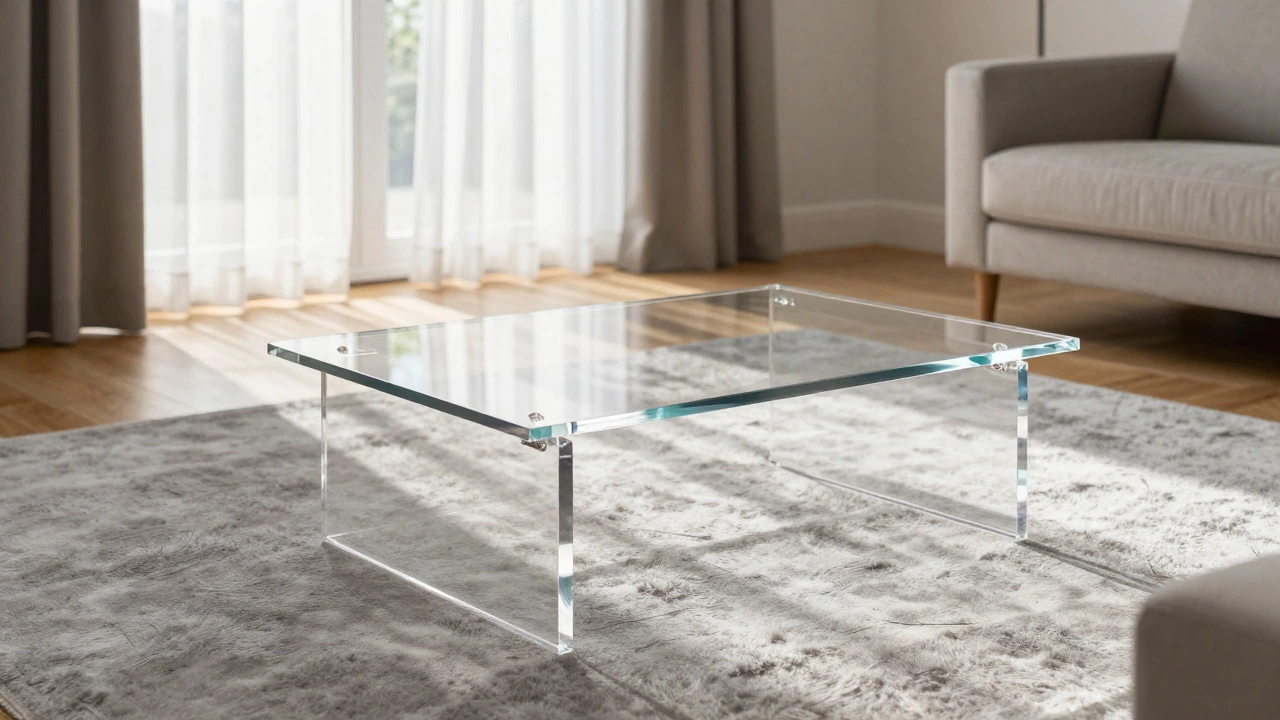
That moment when you buy a stunning, crystal-clear acrylic coffee table is pure magic. It looks like glass, but it’s lighter, safer, and often cheaper. You place it in your living room, maybe under a big window where the sunlight streams in, and for the first few months, it’s perfect. Then, slowly, you notice it. A faint tint. Not dirt, not a stain, but a subtle shift toward amber or haziness. Have your eyes been playing tricks on you, or has your beautiful piece of furniture actually changed color?
The short answer is yes. Acrylic tables can turn yellow, but it doesn’t happen overnight, and it isn’t inevitable if you know what triggers it. Unlike wood that warms with age or metal that might rust, acrylic-a type of plastic known chemically as polymethyl methacrylate (PMMA)-degrades differently. Understanding why this happens is the only way to stop it before your centerpiece becomes a regret.
Why Does Clear Acrylic Turn Yellow?
To understand the discoloration, we have to look at what acrylic actually is. It’s a thermoplastic polymer. In simple terms, it’s made of long chains of molecules held together by chemical bonds. When these bonds break down, the structure changes, and that change shows up as color.
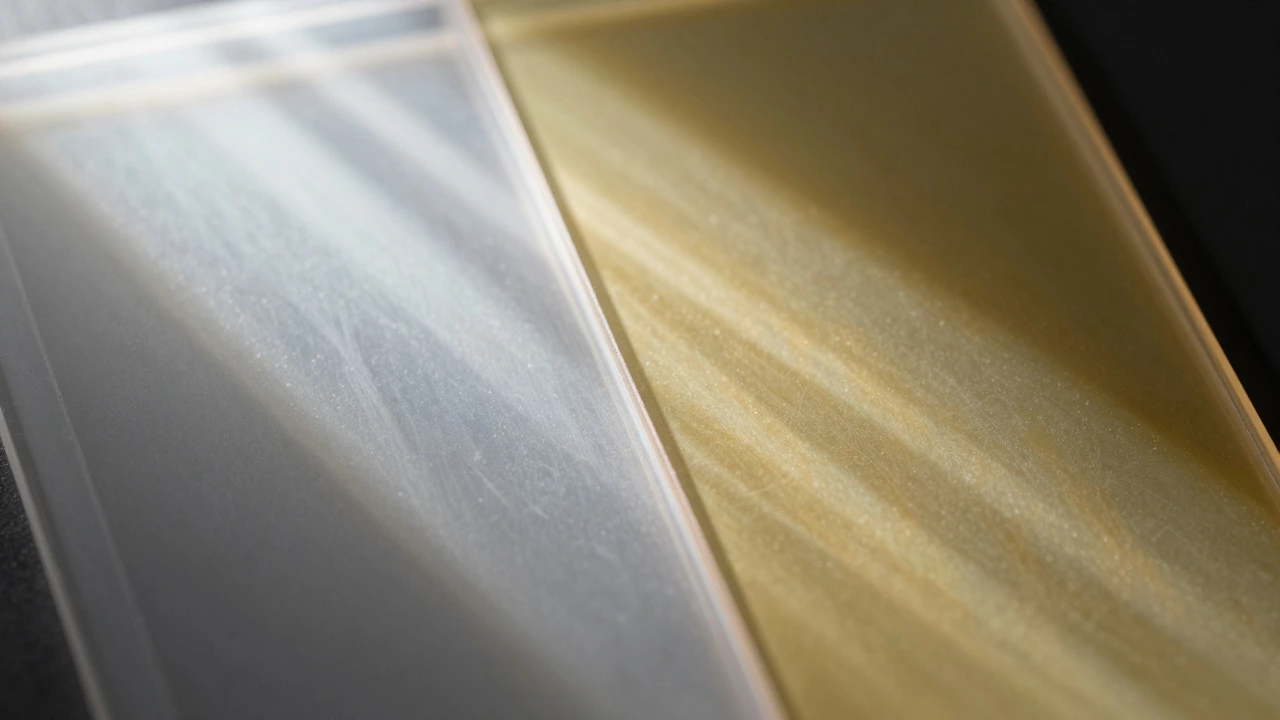
The primary culprit is ultraviolet (UV) radiation from the sun. This process is called photodegradation. When UV rays hit the acrylic surface, they carry enough energy to snap those molecular bonds. Once broken, the molecules rearrange themselves into new structures that absorb light differently. Instead of letting all visible light pass through (which makes it look clear), the degraded areas start absorbing blue light. When you remove blue from white light, what’s left looks yellow. It’s the same reason old newspaper turns brown or why plastic phone cases from five years ago look like tea bags.
However, the sun isn’t the only enemy. Heat accelerates the process. If your acrylic table sits near a radiator or in a hot room during summer, the thermal energy weakens the material further, making it more susceptible to UV damage. Oxidation also plays a role over time, as oxygen interacts with the exposed surface, though this is usually a slower process than direct sunlight exposure.
Is yellowing reversible?
Surface yellowing caused by oxidation can sometimes be polished out using specialized acrylic polishing kits. However, deep structural yellowing from UV degradation is permanent because the chemical bonds inside the material have changed forever. Polishing removes the top layer, revealing fresh material underneath, but it won't fix the entire thickness if the damage is deep.
Acrylic vs. Glass: The Clarity Trade-Off
Many people choose acrylic over glass because it’s less likely to shatter, which is great for homes with kids or pets. But there’s a trade-off regarding longevity and clarity. Glass is essentially frozen sand (silica). It is incredibly stable and does not degrade from UV light in any meaningful timeframe for household use. An antique glass table from 1900 still looks perfectly clear today.
Acrylic, being organic plastic, is inherently less stable. While high-quality cast acrylic is much better than extruded acrylic (the cheaper kind used for signs), it still has a lifespan regarding clarity. If you want something that will look identical in twenty years, glass is the winner. If you want safety, lightweight design, and modern aesthetics, acrylic is the choice-but you need to accept that it requires more maintenance to keep its initial sparkle.
| Feature | Acrylic (PMMA) | Glass (Tempered/Soda-Lime) |
|---|---|---|
| UV Resistance | Low to Moderate (depends on additives) | Very High |
| Weight | Light (approx. half the weight of glass) | Heavy |
| Scratch Resistance | Low (scratches easily) | High |
| Safety | Shatters into large, dull pieces | Tempered glass shatters into small cubes; regular glass is sharp |
| Long-term Clarity | May yellow without protection | Remains clear indefinitely |
How to Prevent Your Acrylic Table From Yellowing
You don’t have to move your table to a dark basement to save it. There are practical steps you can take to extend its life significantly. Prevention is always easier than restoration.
- Control Sunlight Exposure: This is the most critical step. If your table sits directly in a south-facing window, it will yellow faster. Use sheer curtains, blinds, or UV-filtering window film. Even reducing direct midday sun by 50% can double the life of the table's clarity.
- Choose UV-Stabilized Acrylic: Not all acrylic is created equal. When buying, ask the retailer if the table is made from "cast acrylic" rather than "extruded acrylic." Cast acrylic is generally thicker, clearer, and often includes UV inhibitors. Some manufacturers add specific stabilizers that absorb UV energy before it breaks the polymer chains. Look for terms like "weatherable" or "UV-resistant" in the product description.
- Avoid Harsh Chemicals: Many household cleaners contain ammonia, alcohol, or abrasives. These don’t just clean; they micro-scratch the surface. Micro-scratches scatter light, making the table look hazy or cloudy, which mimics yellowing. They also create rough spots where dirt and oxidants can settle, accelerating degradation. Stick to mild soap and water.
- Keep It Cool: Avoid placing hot mugs directly on the surface. While acrylic has a decent heat resistance, prolonged contact with very hot items can cause stress marks or slight warping, which affects how light passes through the material.
Cleaning Mistakes That Make Acrylic Look Old
Have you ever cleaned a pair of glasses with a paper towel and then realized they looked worse? That’s the same principle here. Acrylic is soft. On the Mohs hardness scale, it scores very low compared to glass or even quartz. This means almost anything can scratch it.
Using dry dusting cloths, especially those with lint or rough fibers, acts like fine sandpaper. Over months, these tiny scratches build up. To the naked eye, it doesn’t look like a scratch; it looks like a loss of transparency. The table appears milky or yellowish because the light is bouncing around inside the surface irregularities instead of passing straight through.
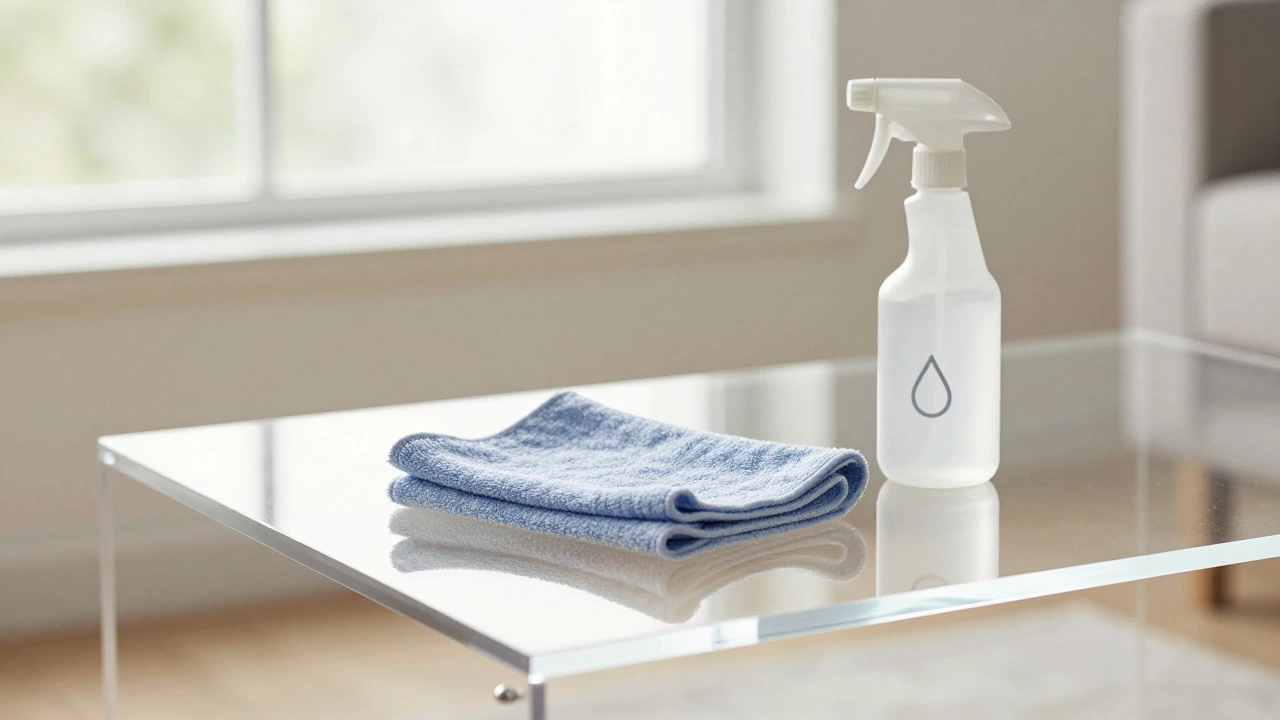
Always use a soft, lint-free microfiber cloth. Dampen it slightly with distilled water (tap water can leave mineral deposits) and a drop of gentle dish soap. Wipe gently. Never spray cleaner directly onto the table; let it drip down the sides and potentially get trapped in joints or seams, which can cause cloudiness later. Always dry with a separate clean microfiber cloth to prevent water spots.
Can You Fix a Yellowed Acrylic Table?
If your table has already started to show signs of aging, don’t panic yet. Depending on the severity, you might be able to restore some clarity.
For surface haze caused by cleaning mistakes or minor oxidation, polishing is effective. You can buy acrylic polishing compounds online. The process involves applying the compound with a soft cloth and rubbing in circular motions until the haze disappears. For deeper scratches, you might need a multi-step approach: wet sanding with increasingly fine grits of sandpaper (starting from 600 grit up to 2000 grit) followed by polishing. This is labor-intensive and risky if you’re not careful, as uneven pressure can create dips in the surface.
However, if the yellowing is deep within the material-meaning the core of the plastic has turned amber due to years of UV exposure-polishing will only help so much. You’ll polish away the top millimeter, revealing fresher material, but the yellow glow may persist from below. In severe cases, replacement is the only true fix. This is why prevention via UV protection is so vital.
Alternatives to Traditional Acrylic
If you love the look of clear furniture but are worried about maintenance, consider these alternatives:
- Polycarbonate: This plastic is stronger and more impact-resistant than acrylic. It also tends to have better inherent UV resistance, though it can still scratch and may require coatings. It’s often used for bulletproof windows, so it’s tough.
- Tempered Glass: As mentioned, glass doesn’t yellow. Modern tempered glass is safe and strong. If you fear breakage, tempered glass shatters into harmless blunt chunks rather than sharp shards.
- Marble or Stone: If you want durability and a premium feel, natural stone won’t yellow. It does require sealing to prevent stains from wine or oil, but its optical properties remain constant forever.
Making the Right Choice for Your Home
Deciding whether an acrylic coffee table is right for you comes down to your lifestyle and your expectations. If you live in a sunny apartment in Birmingham with large windows and you plan to keep the table for ten years, you need to commit to moving it seasonally or using heavy UV protection. If you prefer a "set it and forget it" piece of furniture, glass or stone might save you frustration down the line.
But if you value the modern, airy aesthetic that only clear plastic can provide, acrylic is still a fantastic option. Just treat it like a delicate car paint job rather than a rugged rock. Keep it out of the harsh sun, clean it gently, and inspect it regularly. With a little care, your acrylic table can stay crystal clear for many years, serving as a stylish centerpiece that enhances your living space without losing its shine.
Does acetone damage acrylic tables?
Yes, absolutely. Acetone dissolves acrylic. If you spill nail polish remover or paint thinner on your table, it will instantly craze (develop fine cracks) or melt into a sticky mess. Always check ingredient labels for solvents before cleaning.
How long does an acrylic coffee table last?
With proper care and limited UV exposure, a high-quality cast acrylic table can last 10-15 years while maintaining good clarity. Without protection in direct sunlight, significant yellowing can occur in as little as 3-5 years.
Is cast acrylic better than extruded acrylic?
Yes. Cast acrylic is produced in smaller batches and results in a clearer, stronger sheet with better UV resistance. Extruded acrylic is mass-produced, cheaper, and more prone to yellowing and brittleness over time. Always opt for cast acrylic for furniture.
Can I use Windex on my acrylic table?
No. Most glass cleaners like Windex contain ammonia, which causes acrylic to craze and become brittle over time. Use a dedicated acrylic cleaner or a mixture of mild dish soap and water instead.
What is the best way to remove scratches from acrylic?
For light scratches, use a plastic polish or toothpaste (non-gel) applied with a soft cloth in circular motions. For deeper scratches, professional wet sanding followed by machine polishing is required to restore full clarity.
Write a comment