
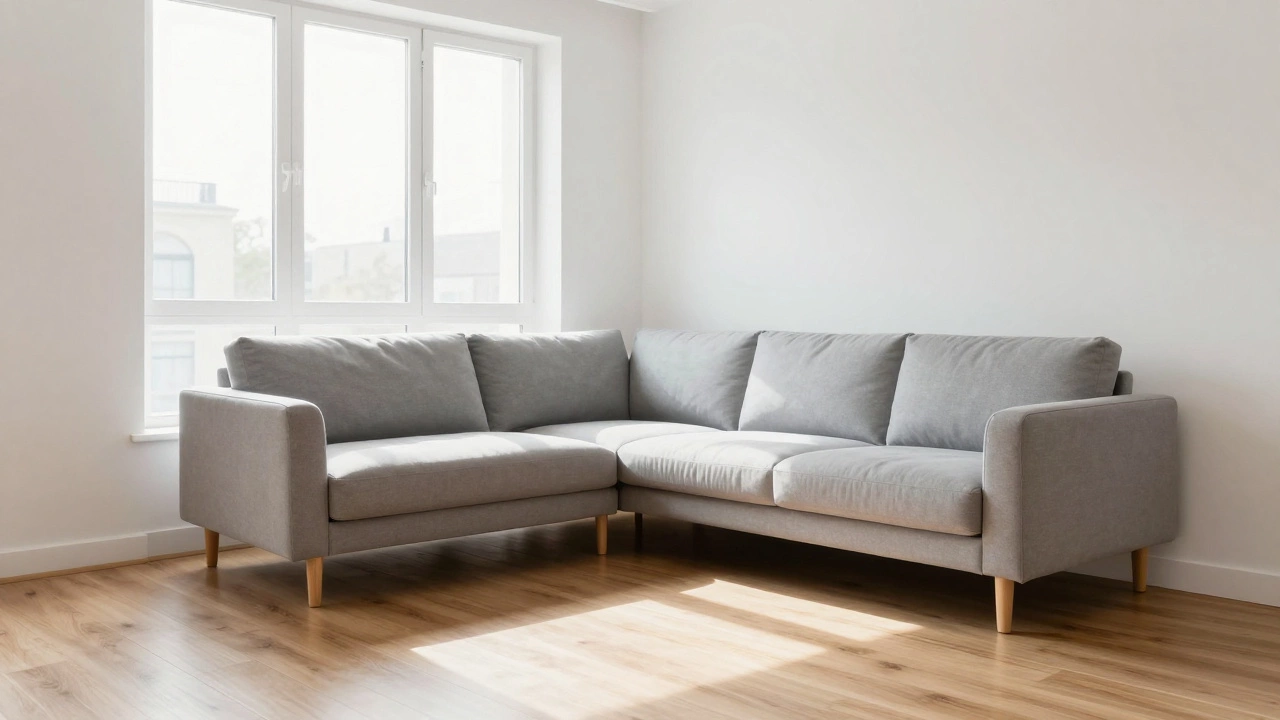
Corner Sofa Space Planner
Enter your room details below to find the perfect fit.
Visual Analysis
Picture this: you’ve finally found the perfect corner sofa, also known as an L-shaped sofa. It’s plush, it fits your budget, and it promises to seat half your family. But then you pause. You look at your living room. Is it big enough? Will this massive piece of furniture swallow the space whole?
This is the single biggest fear for anyone considering an L-shaped design. We’ve all seen those cramped apartments where the sofa dominates everything, leaving no room to walk. But here’s the twist: a corner sofa doesn’t have to shrink your room. In fact, if chosen correctly, it can make a small space feel more organized and functional than ever before.
The Myth of the Bulky Sofa
Why do we assume corner sofas are space hogs? It comes down to visual weight. A traditional three-seater sofa sits against one wall, leaving the rest of the floor open. An L-shaped unit occupies two walls. Psychologically, our brains register that extra chunk of furniture as "more stuff," which equals "less space."
However, size isn't just about square footage; it's about flow. If a large sofa blocks sightlines or creates narrow, awkward pathways, the room feels claustrophobic. But if the sofa anchors the corner without obstructing movement, the brain perceives the remaining open floor as usable space. The key isn't avoiding the shape-it's managing the scale.
Think of it like packing a suitcase. If you throw in a bulky winter coat (a huge, deep corner sofa) into a carry-on (a small studio), it won't fit. But if you fold that coat efficiently or choose a lighter jacket (a slim-profile chaise), everything slides in perfectly. The goal is efficiency, not avoidance.
Choosing the Right Scale for Your Space
Not all corner sofas are created equal. Some are gentle giants; others are behemoths. To prevent your room from looking smaller, you need to match the sofa’s dimensions to your room’s proportions.
| Room Size | Sofa Style | Max Depth | Key Feature |
|---|---|---|---|
| Small (< 12m²) | Slim Chaise | 85-90cm | Low back, exposed legs |
| Medium (12-20m²) | Standard L-Shape | 90-100cm | Balanced proportions |
| Large (> 20m²) | Modular Sectional | 100cm+ | Deep seating, ottomans |
If you live in a compact flat, avoid the "couch potato" style with thick, rolled arms and deep cushions. Instead, look for a slim chaise. These models often have a narrower footprint-sometimes only 85cm deep compared to the standard 100cm+. That 15cm difference might sound small, but in a tight hallway or near a window, it’s the difference between tripping over the armrest and walking past comfortably.
Another trick? Go for a reversible chaise. This allows you to flip the extended part to the left or right depending on where the door opens or where the TV sits. This flexibility ensures you aren't forced into a layout that bottlenecks traffic flow.
Visual Tricks to Keep the Room Airy
You don’t need an architect’s degree to make a corner sofa work in a modest room. There are simple design principles that trick the eye into seeing more space.
- Elevate the Base: Choose sofas with visible legs. When a sofa sits directly on the floor, it looks like a solid block, anchoring the room heavily. Legs create negative space underneath, allowing light to pass through and showing more of your flooring. This continuity makes the floor area appear larger.
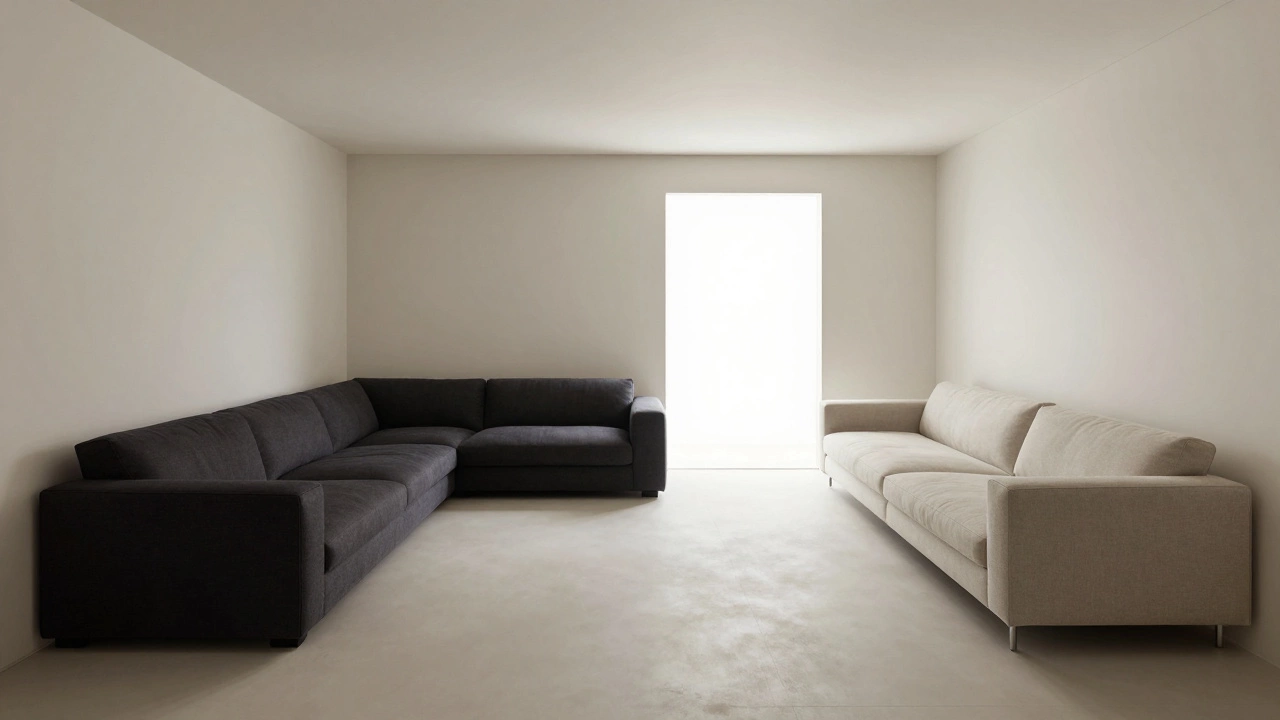
- Stick to Light Colors: Dark, heavy fabrics absorb light and recede visually, making the object feel denser. Light greys, creams, or soft blues reflect light and blend with walls, reducing the visual impact of the furniture. If you love dark colors, consider a light frame with dark cushions-a compromise that keeps the bulk feeling lighter.
- Keep Arms Narrow: Wide, padded arms add width without adding seating. Slim arms or armless designs reduce the overall footprint, giving you more legroom and less visual clutter.
Consider the fabric texture too. Smooth, tight weaves look sleeker and take up less visual space than chunky knits or bouclé, which add perceived volume. It’s like wearing a tailored suit versus a puffer jacket-the same body size, but very different silhouettes.
Layout Strategies That Work
Where you place the sofa matters just as much as the sofa itself. A common mistake is pushing the L-shape tightly into every corner, creating a fortress effect. Instead, try floating the sofa slightly away from the walls.
In medium-sized rooms, pulling the sofa out 5-10 centimeters from the wall creates a breathing gap. This prevents the "stuffed" look and allows air to circulate visually. It also makes cleaning easier, which is a practical bonus.
If your room has a bay window or an alcove, use it. Tucking the chaise section into an alcove utilizes dead space that would otherwise be wasted. This keeps the main living area open for other activities, like a dining table or a play zone. By zoning the room effectively, the sofa becomes a divider rather than an obstacle.
Also, think about the focal point. If the TV is on the opposite wall, ensure the chaise doesn’t force people to sit at awkward angles. Poor ergonomics lead to shifting positions, which disrupts the calm flow of the room. A well-positioned sofa encourages relaxed sitting, which psychologically makes the environment feel more spacious and comfortable.
When to Avoid the Corner Sofa
Is there any scenario where a corner sofa is a bad idea? Yes. If your room is long and narrow (like a hallway apartment), an L-shape can cut across the width, blocking natural light from windows at either end. In these cases, a straight sofa with a separate armchair or bench often works better. It maintains the linear flow of the room.
Additionally, if you have young children or pets who need to run around, a massive sectional might restrict their movement too much. Open floor plans benefit from flexible, movable pieces rather than fixed, bulky units. Listen to your lifestyle needs. If you rarely host guests, a huge sofa is unnecessary. If you love lounging, prioritize comfort over minimalism, but keep the scale in check.
Making the Most of Your Investment
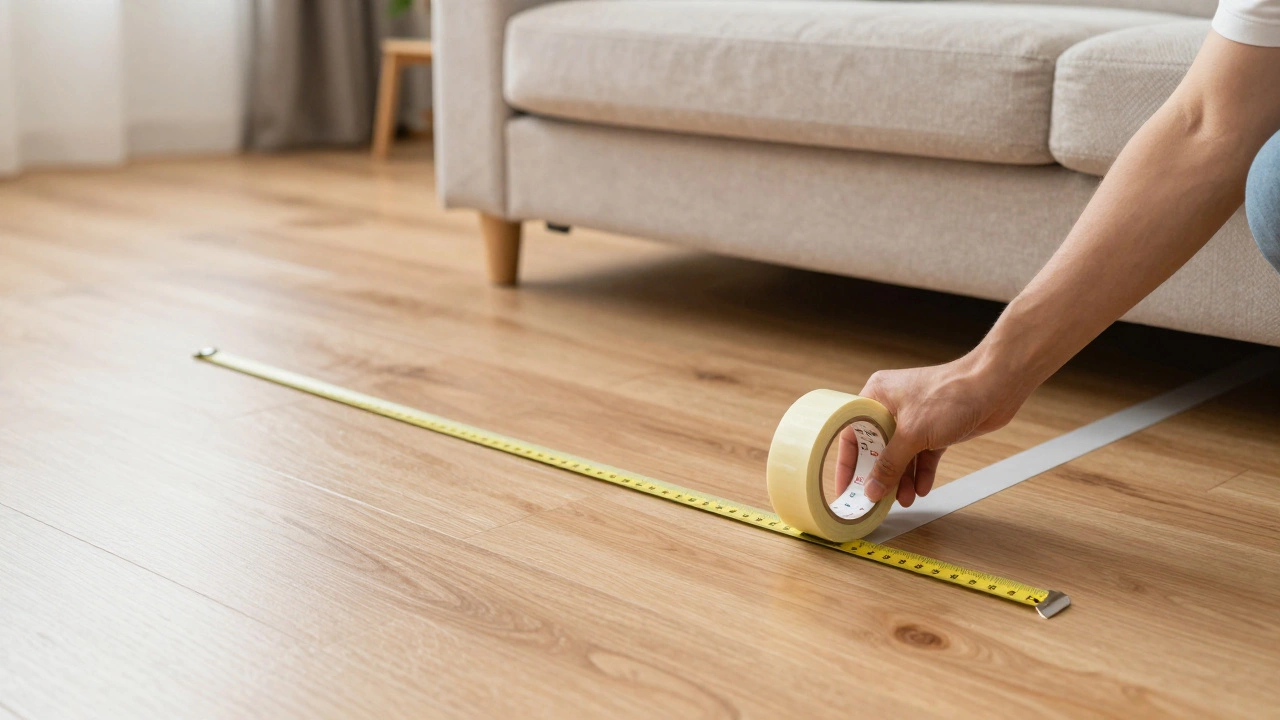
A corner sofa is a significant purchase. To ensure it enhances rather than diminishes your home, take time to measure twice. Use painter’s tape to mark the sofa’s dimensions on the floor before buying. Walk around it. Sit in it. Does it block the path to the kitchen? Does it hide the radiator?
Pair your sofa with proportional accessories. A tiny coffee table next to a huge sofa looks lost, while a massive rug under a small sofa looks overwhelming. Balance is key. Use mirrors to reflect light and create depth, especially if the sofa is placed against a dark wall.
Remember, furniture should serve you, not rule you. A corner sofa can be the heart of your living room, providing ample seating and comfort without sacrificing style or space. By choosing the right size, color, and layout, you’ll find that your room feels just as airy-and maybe even cozier-than before.
What is the best size corner sofa for a small living room?
For a small living room (under 12 square meters), aim for a slim chaise sofa with a depth of no more than 90cm. Look for models with exposed legs and narrow arms to maintain visual openness. Avoid deep-seated, modular sections that extend beyond 2.5 meters in total length.
Does a dark-colored sofa make a room look smaller?
Yes, dark colors tend to absorb light and make objects appear heavier and more dominant. In a small room, light-colored fabrics like beige, grey, or pastel tones help reflect light and blend with walls, creating an illusion of more space. If you prefer dark sofas, opt for a lighter frame to balance the visual weight.
Should I push my corner sofa against the wall?
In most cases, pulling the sofa 5-10cm away from the wall creates a sense of breathing room and prevents the space from feeling cramped. However, in very small rooms, pushing it flush against the wall may be necessary to maximize floor space for movement. Test both layouts to see what feels more comfortable.
Can a corner sofa fit in a rectangular room?
It depends on the proportions. If the room is very narrow, an L-shape might block light and flow. In wider rectangular rooms, placing the chaise along the longer wall can work well. Always measure the width of the room minus the sofa’s chaise extension to ensure at least 60-70cm of walking space remains.
How do I measure for a corner sofa?
Measure the width and depth of the two walls where the sofa will sit. Subtract 10-15cm from each dimension to allow for clearance and ease of movement. Also, measure the doorway and hallway widths to ensure the sofa can physically enter your home. Use painter’s tape on the floor to visualize the footprint before purchasing.
Write a comment