
Outdoor Furniture Covering Advisor
Answer a few quick questions and get a personalised recommendation on whether to cover your set right now.
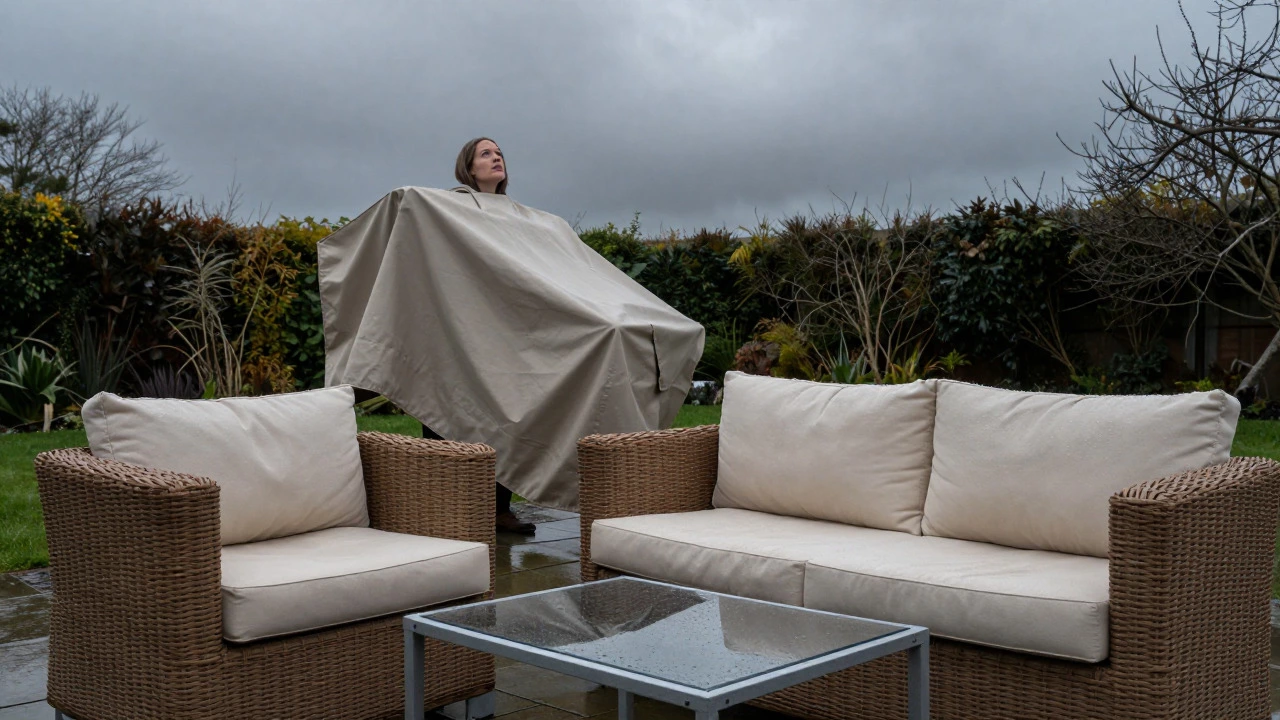
It’s raining again in Birmingham. The grey sky is pressing down on your patio, and you’re staring at that lovely wicker set or the cushioned lounge chairs you just bought. Do you really need to run outside, grab the heavy plastic sheet, and wrestle it into place? Or can you just let nature do its thing?
The short answer is: probably not for every single drizzle. But the long answer depends entirely on what your furniture is made of, how long the rain lasts, and whether you want that set to look brand new next summer or like a waterlogged relic by October. Outdoor furniture covers are a tool, not a rule. Using them correctly saves money; using them incorrectly can actually damage your pieces faster than leaving them bare.
Why Rain Is Different from Humidity
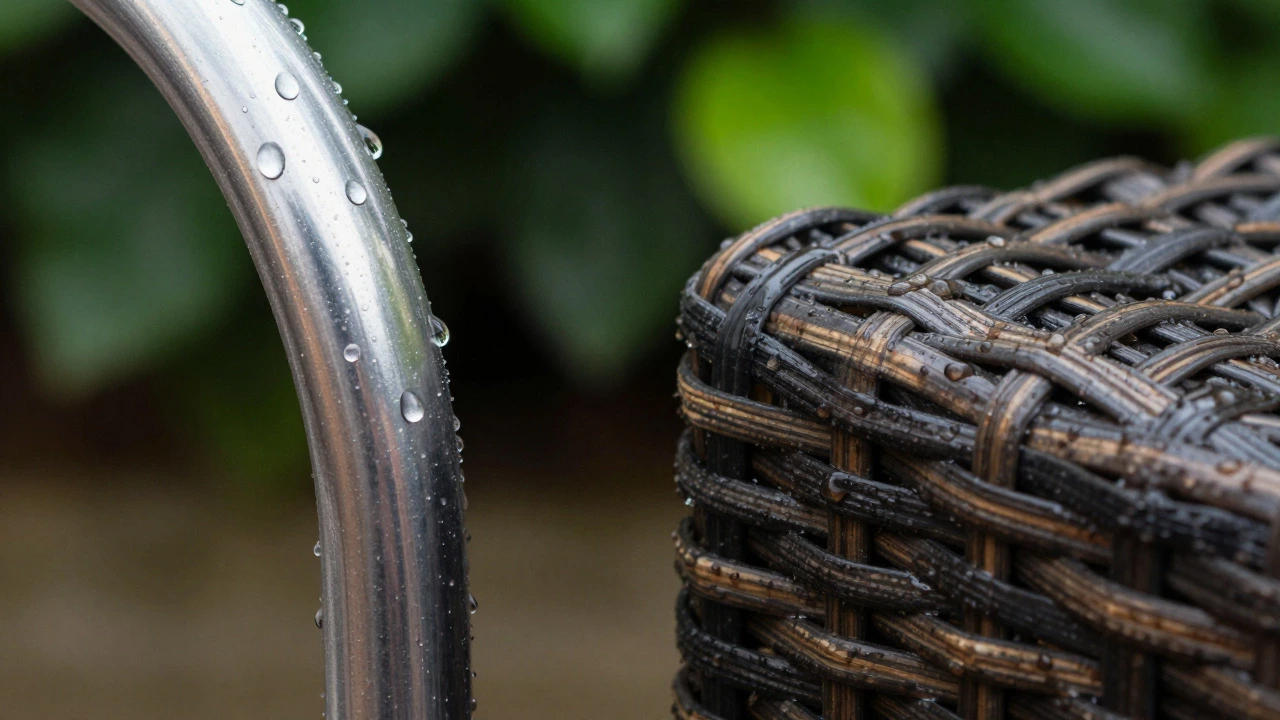
Most people assume rain is the enemy because it gets things wet. But in the UK, humidity is often the silent killer. When you cover furniture after a light shower but leave it covered for days while the air remains damp, you create a greenhouse effect. Moisture gets trapped underneath the cover. If the fabric hasn’t dried out completely, mold and mildew start growing. This is especially true for natural fibers like rattan or cotton cushions.
Rain itself isn’t always bad. In fact, occasional rainfall helps wash away pollen, bird droppings, and dust that can stain fabrics over time. The problem arises when water sits in pools or crevices for extended periods. So, before you panic-cover everything at the first drop, ask yourself: How long will this rain last? Is it a passing shower or a three-day storm?
Material Matters: What Can Take a Bath?
Not all garden furniture is created equal. Some materials shrug off moisture, while others absorb it like a sponge. Knowing what you own changes your strategy completely.
| Material | Rain Resistance | Covering Recommendation |
|---|---|---|
| Aluminum a lightweight metal alloy resistant to rust | High | Only for long-term storage (months) |
| Teak Wood a dense hardwood with natural oils that repel water | Medium-High | Optional; only if keeping indoors during winter |
| Wicker/Rattan synthetic or natural woven material prone to absorbing moisture | Low-Medium | Yes, if rain exceeds 4 hours or during high humidity |
| Polyester Fabric synthetic textile commonly used for cushions and umbrellas | Medium | Yes, if cushions remain wet overnight |
If you have an aluminum frame, you’re in luck. It doesn’t rust. A quick rinse and it’s good as new. You don’t need a cover unless you’re heading away for a month. Teak is similar; its natural oils make it highly resistant to rot. However, if you have synthetic wicker or delicate fabric cushions, those are your weak points. Wicker can crack if it dries too fast after soaking, and polyester cushions can develop mildew if they stay damp for more than 24 hours.
The "24-Hour Rule" for Covers
Here’s a simple heuristic I use in my own garden: If the rain is expected to last less than four hours, skip the cover. Let the furniture dry naturally. If the forecast shows continuous rain for more than six hours, or if it’s a humid day where drying takes longer than 24 hours, then put the cover on.
But here’s the catch: Never put a cover on wet furniture. Always wait until the frames and cushions are dry to the touch. If you trap moisture under a non-breathable plastic sheet, you’re inviting trouble. Look for covers made from breathable materials like polyester with a PU coating or canvas. They allow some vapor to escape, reducing the risk of condensation buildup inside.
When to Definitely Use a Cover
There are specific scenarios where covering is non-negotiable, regardless of the immediate weather:
- Long-Term Storage: If you’re moving furniture into a shed or garage for winter, use a cover to protect against dust and pests, even if it’s dry inside.
- Extended Absence: Going on holiday for two weeks? Cover it. You don’t want to come back to a patio full of leaves, twigs, and bird nests.
- Sensitive Fabrics: If you have linen or cotton cushions that aren’t specifically labeled as "weather-resistant," treat them like indoor pillows. Keep them dry at all costs.
- Storm Season: During late summer or early autumn storms, wind-driven rain can be abrasive. Covers act as a shield against flying debris.
Mistakes That Damage Furniture Faster Than Rain
Ironically, many people ruin their garden sets not by leaving them uncovered, but by covering them wrong. Here are the top pitfalls to avoid:
- Using Plastic Tarps: Cheap black plastic sheets hold heat and moisture. On a sunny day, the temperature under a tarp can spike, causing colors to fade and fabrics to degrade. Use purpose-made furniture covers instead.
- Tight Fitting: A cover that hugs the furniture tightly creates friction. Wind flaps against the fabric, wearing it thin. Ensure there’s enough slack for air circulation.
- Forgetting Vents: Good covers have vents or zippers. If yours doesn’t, consider adding a small vent or using a cover with mesh panels to allow airflow.
- Leaving Covers On Too Long: Even breathable covers should be removed periodically to check for hidden moisture or pests. Inspect your furniture once a month during the season.
Alternative Protection Strategies
If you hate the hassle of putting on and taking off covers, consider these alternatives:
Choose Weather-Resistant Materials: Invest in furniture designed for year-round outdoor use. Aluminum, HDPE (high-density polyethylene), and teak are low-maintenance options. Avoid untreated wood and natural fibers if you live in a rainy climate.
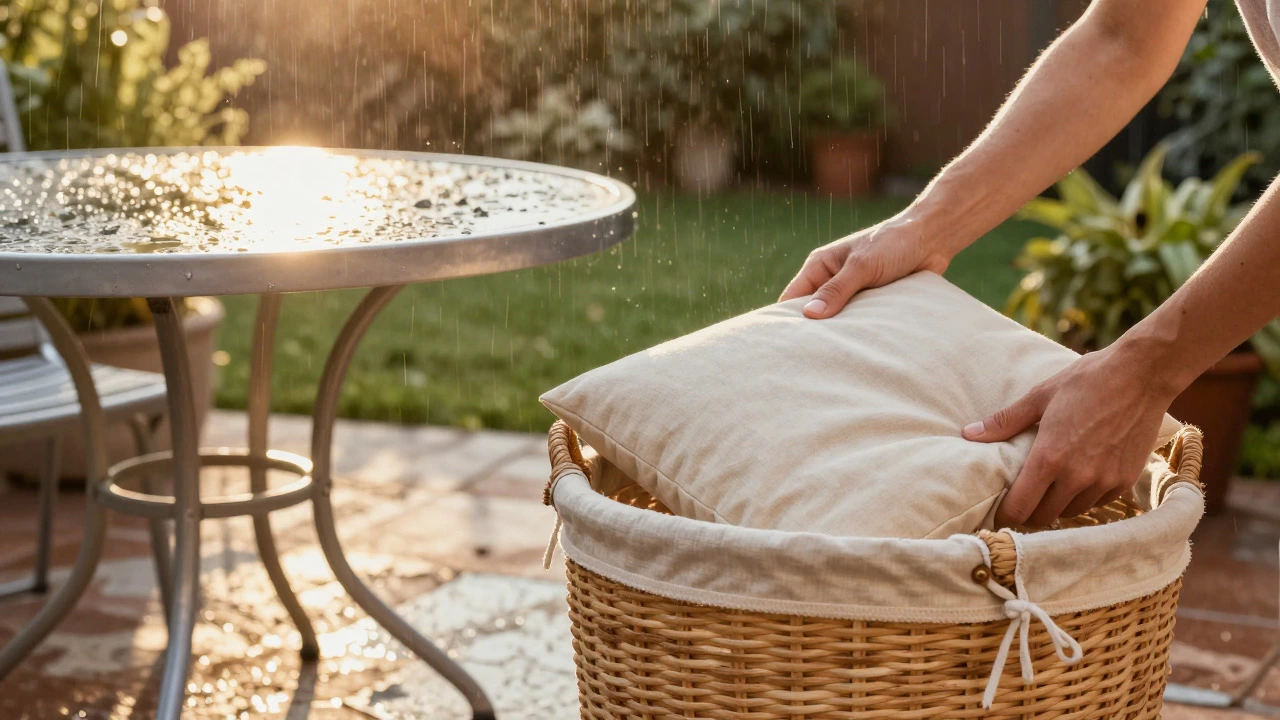
Use Removable Cushions: Instead of covering the whole chair, just remove the cushions and store them in a dry basket or box. The frame can handle the rain, but the fabric is vulnerable. This is much faster than deploying a full cover.
Apply Protective Sprays: For wooden furniture, applying a teak oil or sealant twice a year adds an extra layer of defense. For metal frames, a clear anti-rust spray can extend their life significantly.
FAQ
Is it bad to leave outdoor furniture in the rain?
Generally, no. Occasional rain helps clean the surfaces. The issue is prolonged exposure without drying time, which leads to mold, rust, or warping depending on the material. Aluminum and teak handle rain well; wicker and fabric cushions do not.
Should I cover my garden furniture every night?
No, unless the forecast predicts heavy rain or high humidity. Nightly covering traps moisture and accelerates wear. Only cover if the furniture won’t dry within 24 hours or if you’re away for an extended period.
What is the best type of cover for outdoor furniture?
Look for covers made from breathable polyester or canvas with a waterproof coating. Avoid cheap plastic tarps. Features like elastic hems, drawstrings, and ventilation zips help keep the cover secure and reduce condensation.
How do I prevent mold on outdoor cushions?
Ensure cushions are fully dry before storing or covering them. Use cushions with quick-dry foam and removable, machine-washable covers. Rotate cushions regularly to ensure even drying. If you see white spots, clean them with a mixture of water and vinegar.
Can I leave wicker furniture outside all year round?
Synthetic wicker (HDPE) can stay outside year-round with minimal care. Natural wicker should be brought indoors or covered during wet seasons to prevent cracking and rotting. Always check the manufacturer’s guidelines for specific advice.
Write a comment