
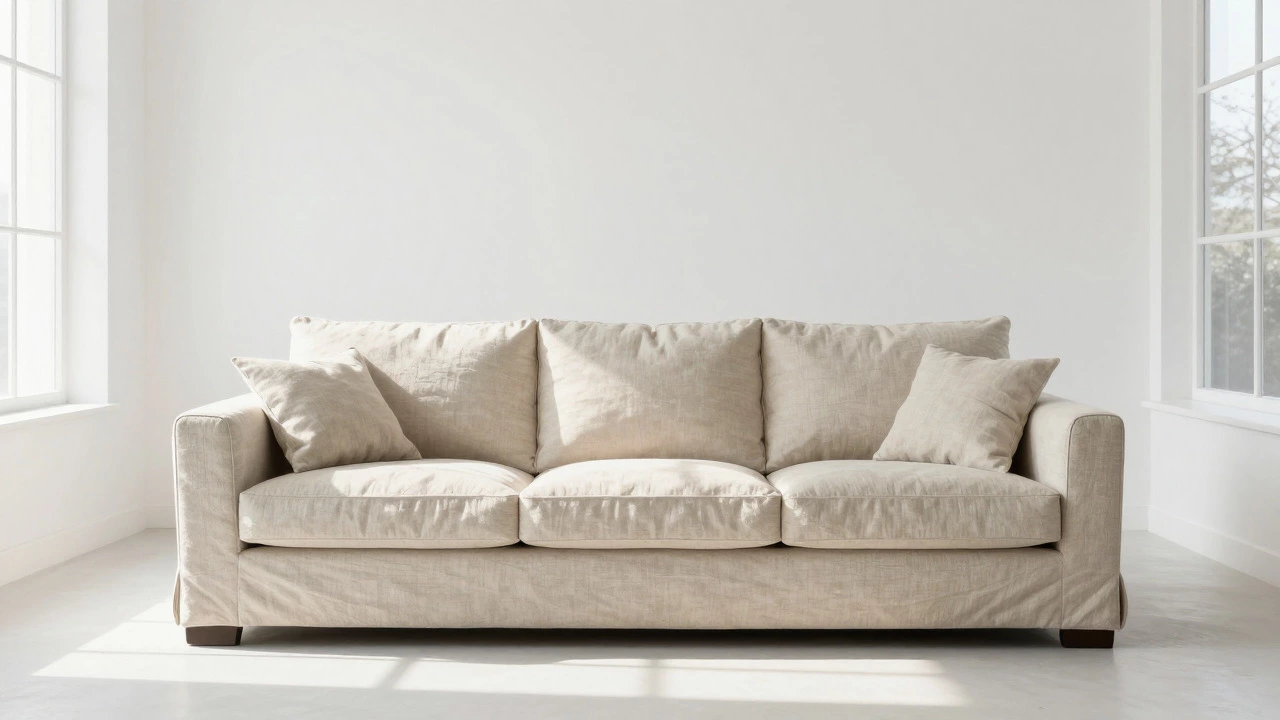
Beige & White Room Visualizer
Room Controls
Design Analysis
Contrast Level: Good
Visual Impact: Balanced
Recommended Accents: Dark wood furniture, navy cushions
Styling Tips:
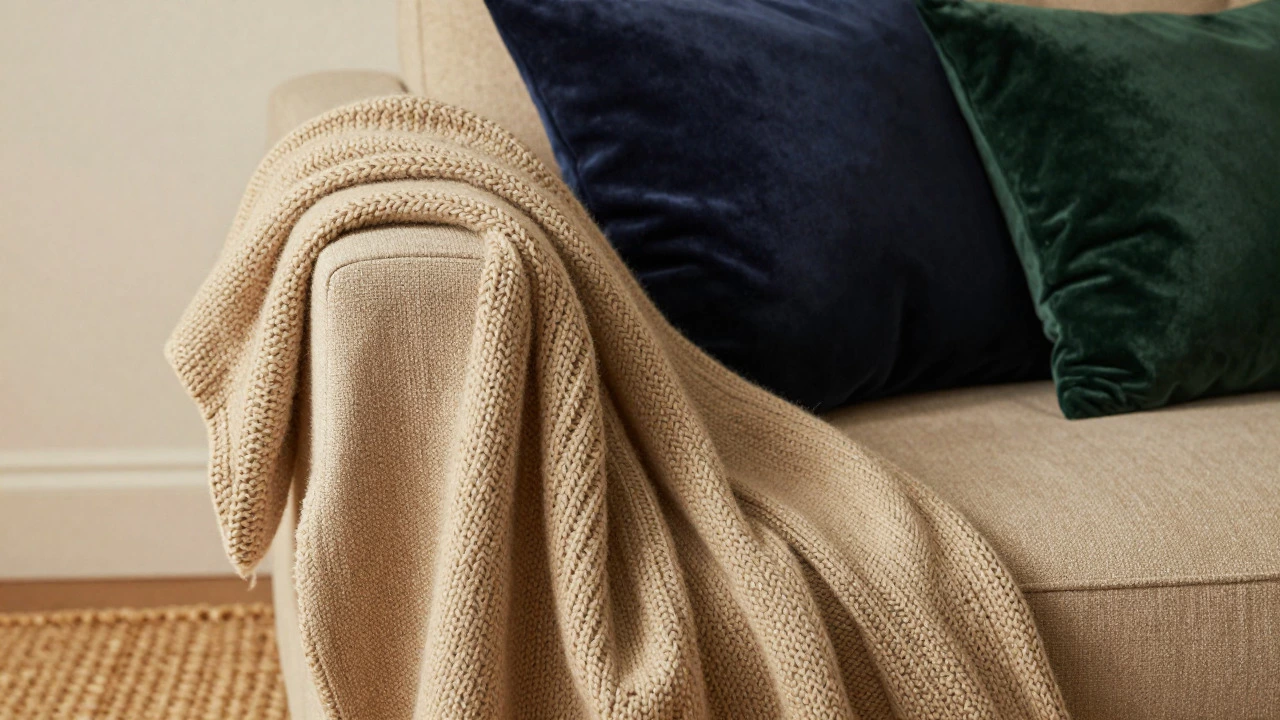
- ✓ Add texture with a chunky knit throw
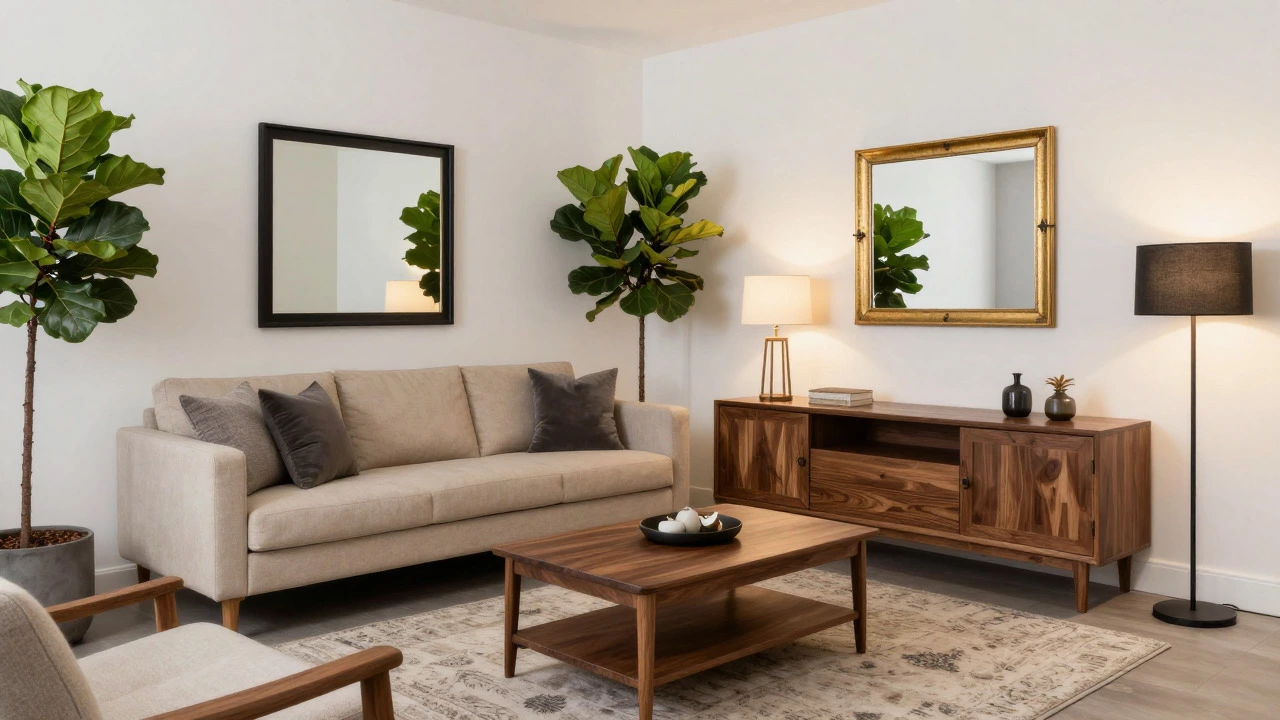
- ✓ Include indoor plants for natural contrast
- ✓ Use warm lighting (2700K-3000K) to enhance coziness
Picture this: you’ve just moved into a fresh new space. The walls are painted a crisp, clean white. You’re standing in the middle of the room, imagining where your biggest furniture piece will go. Your eyes land on a stunning beige sofa. It looks warm, inviting, and sophisticated. But then doubt creeps in. Will it disappear against the white background? Is it too boring? Or worse, will it clash?
I’ve spent years helping people in Birmingham sort out their living spaces, and this is one of the most common questions I hear. The short answer? Yes, absolutely. A beige sofa not only goes with white walls, but it also creates one of the most versatile and timeless foundations for interior design. However, pulling it off requires a bit more than just placing the furniture and walking away. You need texture, contrast, and intention.
Why This Combination Works So Well
At its core, pairing a beige sofa with white walls is about mastering neutrals. White isn’t just a color; it’s a canvas. It reflects light, makes rooms feel larger, and provides a blank slate that doesn’t compete for attention. Beige, on the other hand, brings warmth and grounding. Without it, all-white interiors can feel sterile or hospital-like. With it, you get a cozy, organic feel that feels lived-in and comfortable.
Think of white as the sky and beige as the earth. They naturally belong together. In design terms, this combination offers high flexibility. Because neither color dominates aggressively, you have total freedom to introduce bold accents later through cushions, rugs, or art. If you hate the look next year, you don’t need to repaint the walls or buy a new sofa. You just swap out the throw pillows.
| Benefit | Impact on Room |
|---|---|
| Light Reflection | White walls bounce natural light, making the beige sofa appear brighter and cleaner. |
| Visual Warmth | Beige adds organic warmth that prevents the white walls from feeling cold or clinical. |
| Flexibility | Easily transition between styles (Scandinavian, Bohemian, Modern) by changing accessories. |
| Resale Value | Neutral palettes appeal to the widest range of potential buyers or renters. |
The Importance of Texture
If there is one rule to follow when mixing these two tones, it is this: texture is your best friend. Since you aren’t relying on color contrast to create visual interest, you must rely on material contrast. A smooth leather beige sofa against flat matte white walls might look a bit plain. But change that up, and the dynamic shifts entirely.
Consider the materials. A chunky knit wool throw draped over a linen-beige sofa creates immediate depth. A jute rug underfoot adds roughness against the softness of the upholstery. Velvet cushions bring in a subtle sheen that catches the light differently than the matte paint on your walls. These variations prevent the eye from gliding over the room without stopping. They give the space character and soul.
In my experience, clients who stick to one fabric type-say, all cotton or all synthetic blends-often end up with a room that feels flat. Mix it up. Combine nubby linens, sleek leathers, rough woods, and soft metals. This layering technique is what turns a simple color scheme into a sophisticated design statement.
Choosing the Right Shade of Beige
Not all beiges are created equal. This is where many people trip up. "Beige" covers a huge spectrum, ranging from pale cream to deep camel. The specific undertone matters significantly when paired with white walls.
First, look at your white paint. Is it a cool white with blue or gray undertones, or a warm white with yellow or pink hints? If your walls are cool-toned, a beige with strong yellow or orange undertones might look muddy or dirty by comparison. Instead, opt for a greige (a mix of gray and beige) or a cooler taupe. Conversely, if your walls are warm whites, you can lean into richer, golden beiges or tans without fear of clashing.
For those considering corner sofas large L-shaped seating arrangements ideal for open-plan living areas, the volume of fabric is substantial. A dark camel corner sofa will anchor a large room heavily, while a light oatmeal shade will keep it airy. Measure your space. In smaller rooms, lighter beiges help maintain the sense of openness provided by the white walls. In larger spaces, deeper beiges add necessary weight and coziness.
Adding Contrast and Color Accents
While beige and white are beautiful together, they can sometimes lack punch. To keep the room from feeling monotonous, introduce contrast through darker elements or vibrant pops of color. This doesn’t mean you need to overhaul the palette. Small changes yield big results.
Dark wood furniture, such as an espresso coffee table or walnut sideboards, provides a striking contrast against both the white walls and the beige sofa. Black metal accents, like lamp bases or picture frames, also work wonders to define edges and add modernity. If you prefer color, consider deep navy, forest green, or terracotta. These colors sit opposite beige on the emotional spectrum-calm versus energetic-and create a balanced, engaging environment.
Plants are another excellent tool. The vibrant green of houseplants stands out beautifully against neutral backdrops. A large fiddle leaf fig or a hanging pothos adds life and movement, breaking up the static nature of the furniture and walls. It’s a low-commitment way to test different color vibes before committing to painted furniture or large artworks.
Lighting Considerations
Lighting plays a crucial role in how beige and white interact. Natural daylight reveals the truest tones, but artificial lighting in the evening can shift the perception dramatically. Warm white bulbs (around 2700K-3000K) enhance the cozy, golden aspects of beige, making the room feel intimate and welcoming. Cooler bulbs (4000K+) can make beige look grayish and white look stark, which might not be the vibe you’re going for.
Layer your lighting. Use floor lamps to cast upward light onto the white walls, creating a glow that highlights the texture of the wall paint and the sofa. Table lamps on side tables provide focused task lighting and add decorative elements. Avoid relying solely on overhead ceiling lights, which can create harsh shadows and flatten the room’s aesthetic.
Styling Tips for Different Interiors
Your personal style should dictate the final touches. Here is how to adapt the beige-and-white base to various aesthetics:
- Scandinavian: Keep it minimal. Use light wood tones, simple geometric patterns, and plenty of white space. Stick to light beige sofas and avoid heavy textures.
- Bohemian: Embrace clutter in a curated way. Layer multiple patterned rugs, use colorful macramé wall hangings, and pile on embroidered cushions in bright hues.
- Modern Industrial: Introduce raw materials. Think exposed brick (if possible), metal pipe shelving, and distressed leather accessories. Keep the lines clean and sharp.
- Traditional: Add elegance with velvet cushions, ornate mirrors, and rich floral patterns. Darker wood tones and gold accents complement the warmth of the beige.
Remember, the beige sofa and white walls are the stage, not the performance. Let your personality shine through the props you choose to place on that stage.
Common Mistakes to Avoid
Even with a solid plan, pitfalls exist. One major error is matching the beige sofa too closely to other beige elements in the room, like curtains or rugs. If everything is the same shade, the room loses definition. Aim for variation. If your sofa is a medium tan, try a lighter cream rug and slightly darker brown wooden accents. This gradient effect guides the eye through the space.
Another mistake is neglecting maintenance. White walls show every scuff, and beige fabrics attract dust and stains. Choose washable slipcovers or stain-resistant fabrics if you have pets or children. Regularly vacuum your sofa and touch up wall marks promptly. A well-maintained neutral space looks intentional; a neglected one looks messy.
Will a beige sofa look dirty against white walls?
Not necessarily. The key is choosing the right shade of beige. Lighter creams or off-whites blend seamlessly and look clean. Darker tans or camels provide contrast and hide dirt better. Ensure your beige has enough saturation so it doesn't appear as a shadow or smudge against the white. Proper lighting also helps distinguish the two tones clearly.
What color rug goes with a beige sofa and white walls?
You have several great options. For a cohesive look, choose a natural fiber rug like jute or sisal, which adds texture without competing color. For contrast, a dark gray, navy, or black rug anchors the space. If you want warmth, a terracotta or rust-colored rug works beautifully. Avoid rugs that are too close in color to the sofa unless they have significant texture differences.
Is a beige sofa too boring for a modern home?
Only if you leave it bare. A beige sofa is a blank canvas. Its neutrality allows you to experiment with bold art, vibrant accessories, and unique furniture pieces without worrying about clashing colors. Many modern designers prefer neutral bases because they age better than trendy bright colors. It’s about styling, not the sofa itself.
Can I use a corner sofa in a small room with white walls?
Yes, but choose wisely. Opt for a corner sofa with slender legs to expose more floor space, which enhances the airy feel of white walls. Lighter shades of beige will also make the furniture recede visually, keeping the room feeling open. Avoid bulky, overstuffed models that can overwhelm a compact area.
How do I add warmth to a beige and white room?
Incorporate wood tones, especially medium to dark woods like oak or walnut. Add textiles like wool throws, faux fur pillows, and linen curtains. Use warm lighting with a color temperature around 2700K. Finally, include live plants, which bring organic vitality and soften the crispness of the white walls.
Write a comment