
Furniture Mold Risk Calculator
Select your storage conditions to calculate the likelihood of mold developing on your furniture.
Risk Assessment
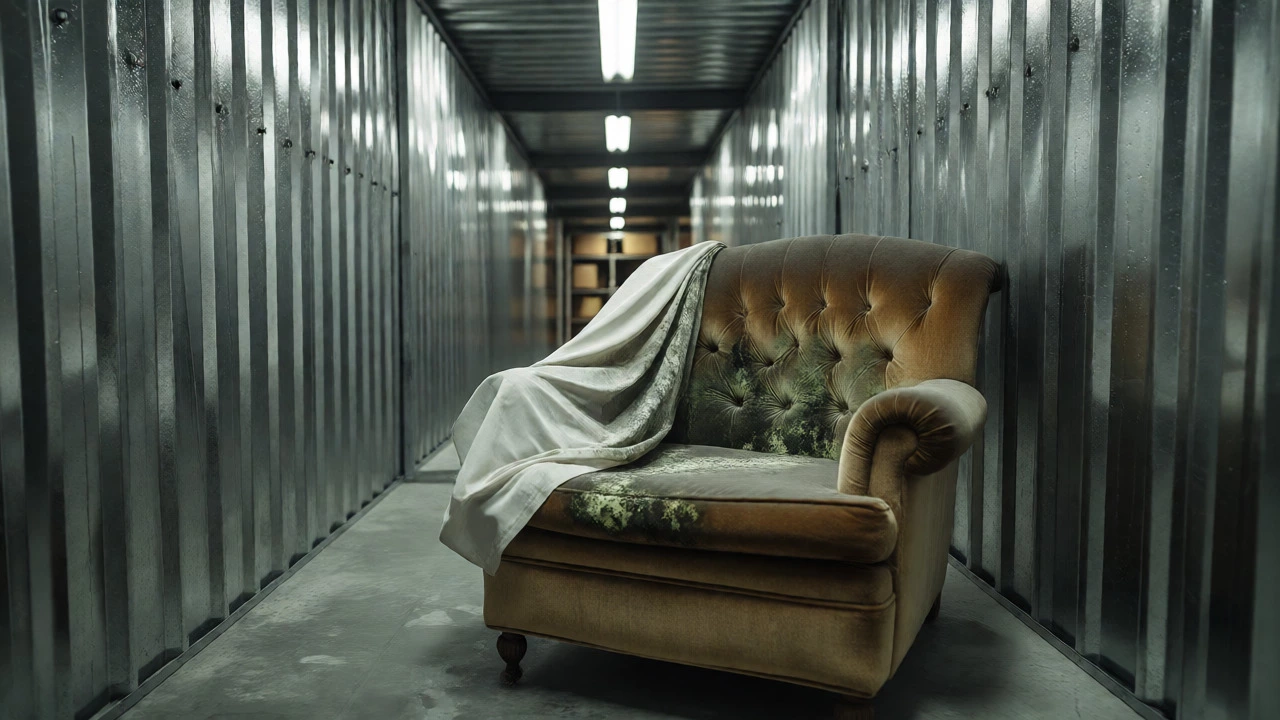
--You drop off your favorite armchair at a storage unit, pay the monthly fee, and forget about it for six months. When you finally return to retrieve it, that musty smell hits you before you even open the door. You pull back the dust sheet, and there it is: black or green spots creeping across the upholstery. It’s a nightmare scenario for anyone moving house or renovating. But does furniture actually mold in storage? The short answer is yes, but it rarely happens without a warning sign. Mold isn’t magic; it’s biology. It needs three things to thrive: moisture, organic material (like wood or fabric), and time. If you control just one of those factors, you can save your sofa.
| Material | Mold Susceptibility | Primary Moisture Source | Prevention Priority |
|---|---|---|---|
| Solid Wood | High | Absorbed humidity from air | Climate Control |
| Upholstered Fabric | Very High | Spills, sweat, ambient dampness | Cleaning & Sealing |
| Particle Board | Extreme | Water damage/swelling | Elevation off floor |
| Leather | Medium | Sweat/oils + high humidity | Conditioning |
| Metal Frames | Low (Rust instead) | Condensation | Anti-corrosion spray |
Why Your Storage Unit Becomes a Mold Magnet
Think of a standard non-climate-controlled unit as a sealed jar. In Birmingham, where I live, the weather swings wildly. One day it’s 15°C with rain; the next, it’s 25°C and humid. Inside a metal box, these temperature shifts cause condensation. This is the "dew point" effect. Cold surfaces meet warm, moist air, turning into water droplets. If your wardrobe sits directly on the concrete floor, it acts like a sponge. Concrete is porous and constantly wicks up ground moisture. Even if it hasn’t rained in weeks, that slab beneath your feet holds dampness. Combine that with poor ventilation-most units have no windows-and you’ve created a greenhouse for fungal spores.
It’s not just about rain leaking in. Most mold issues stem from humidity levels exceeding 60%. The average indoor home maintains 40-50% relative humidity. Storage facilities often hover around 70-80% unless they are climate-controlled. Fungal spores are everywhere, microscopic and invisible. They land on your velvet cushion and wait. Give them 48 hours of dampness, and they start colonizing. You won’t see it immediately, but the structural integrity of the fibers begins to degrade long before the first visible spot appears.
The Role of Climate-Controlled Units
This is where the debate usually starts. Is paying extra for climate-controlled storage worth it? For sensitive items, absolutely. These units regulate both temperature and humidity, typically keeping the environment between 13°C and 21°C with humidity below 55%. This range inhibits mold growth significantly. Standard units might be fine for plastic bins holding books, but wooden tables? Not so much.
If you’re storing antique oak dining chairs, the wood expands and contracts with every temperature fluctuation. Over time, this cracks the finish, allowing moisture to penetrate deeper into the grain. Once water gets inside the wood cells, mold feeds on the starches and sugars within. Climate control stabilizes this process. It doesn’t make the unit waterproof, but it stops the cycle of wetting and drying that stresses materials. If your budget allows, prioritize climate control for anything made of wood, leather, or natural fibers.
Preparation Steps Before You Pack
You can’t store dirty furniture and expect it to stay clean. Mold loves food sources. That means dust, skin cells, pet hair, and old crumbs trapped in the crevices of your sofa. Before loading anything, give it a thorough cleaning. Vacuum upholstered pieces with a HEPA filter attachment to remove spores already present. Wipe down hard surfaces with a mild detergent solution, then dry them completely. Do not skip the drying step. Storing slightly damp wood is an invitation for disaster.
- Deep Clean: Remove all loose debris, dust, and potential food residues.
- Dry Thoroughly: Let items air-dry for at least 24 hours after cleaning.
- Treat Wood: Apply a sealant or polish to create a moisture barrier.
- Check Joints: Ensure no hidden water damage exists in undersides or backs.
For upholstered items, consider using a fabric protector spray. Products containing fluorochemicals repel liquids and prevent stains from setting, which also reduces the nutrient base for mold. However, test any product on a hidden area first to ensure it doesn’t discolor the fabric. If you’re dealing with vintage pieces, consult a specialist rather than experimenting with harsh chemicals.
Packing Strategies That Prevent Damage
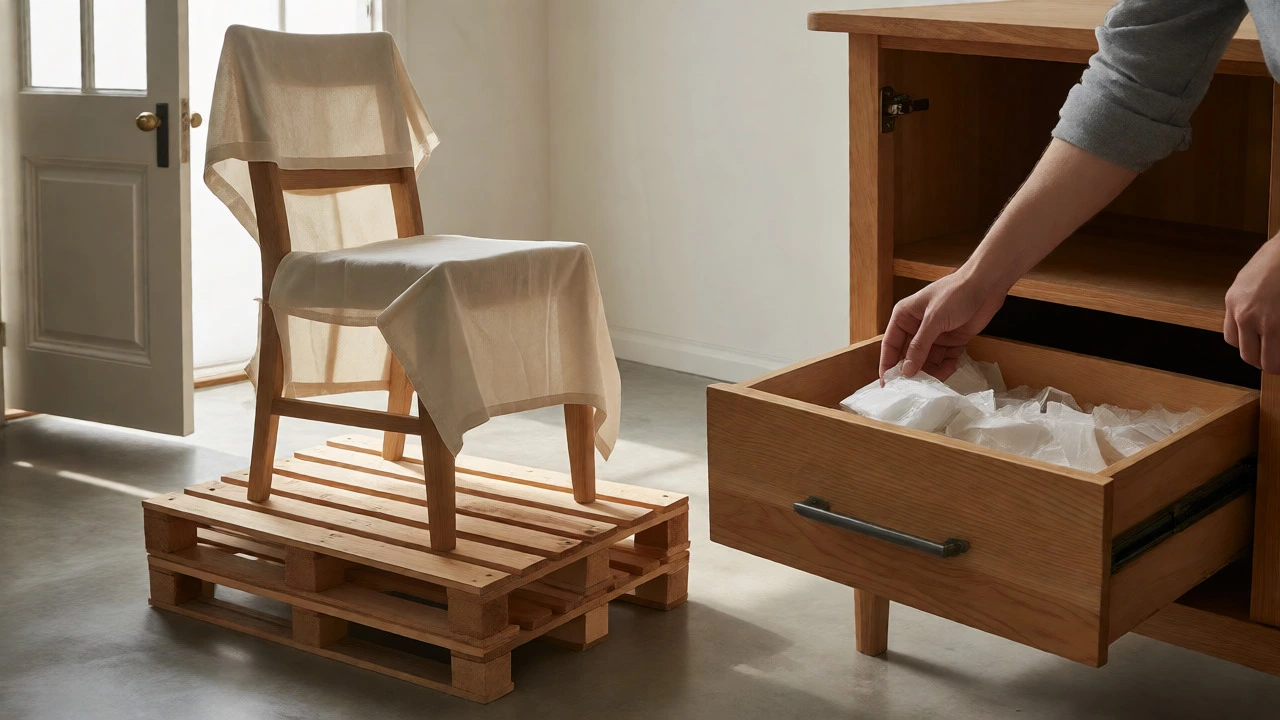
How you pack matters as much as what you pack. Never wrap furniture in plastic sheets alone. Plastic traps moisture against the surface. If condensation forms inside the plastic, your item stays wet for days. Instead, use breathable covers. Old cotton bedsheets, canvas drop cloths, or specialized breathable garment bags allow air circulation while blocking dust. If you must use plastic for protection against pests, leave small gaps for airflow or use perforated plastic film.
Elevation is critical. Keep everything off the floor. Use wooden pallets or plastic risers to lift furniture at least four inches above the concrete. This creates an air gap that prevents capillary action from drawing moisture upward. Stack heavier items at the bottom and lighter ones on top, ensuring stability so nothing collapses and traps pockets of stagnant air. Leave space between items and the walls. Air needs to move. If you push a wardrobe flush against the exterior wall, you block airflow and create a cold bridge where condensation forms rapidly.
Monitoring and Maintenance During Storage
Set it and forget it works for some things, but not for long-term storage. Visit your unit periodically. Check for signs of moisture, such as warping wood or musty odors. Place silica gel packets or moisture absorbers (like DampRid) inside cabinets and drawers. Replace these desiccants every few months, especially during wet seasons. In the UK, autumn and winter bring higher ambient humidity, so increase monitoring during October through February.
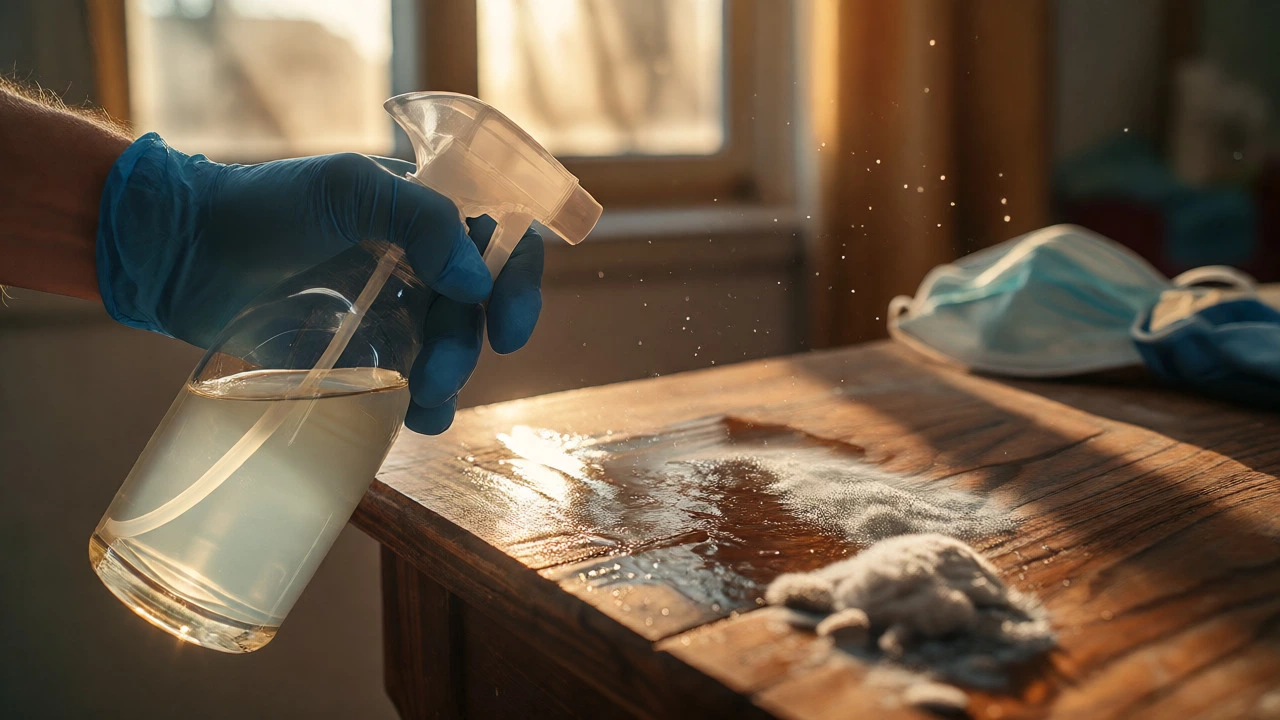
If you notice a faint musty smell upon opening the unit, don’t panic. Open the doors and let fresh air circulate for an hour. Often, this dissipates the odor. If you find early-stage mold-small white or grey powdery spots-clean it immediately. Mix one part distilled white vinegar with one part water. Spray the affected area lightly, let it sit for ten minutes, and wipe with a microfiber cloth. Vinegar kills most common household molds without damaging finishes. Avoid bleach on wood, as it raises the grain and can cause further cracking.
What to Do If Mold Has Already Set In
If you discover established mold-black, fuzzy patches that smell strongly of earth-you need to act fast. Move the item outside into direct sunlight if possible. UV light helps kill remaining spores. Wear a mask and gloves during cleanup. For fabric items, brush off dry spores outdoors before bringing them inside. Then, treat with a mixture of hydrogen peroxide (3%) and water. Test for colorfastness first. For wooden surfaces, sand away the moldy layer once dry, then reseal.
Remember that mold weakens structural integrity. A chair leg covered in deep-rooted mold may look fine but could be brittle. Inspect load-bearing parts carefully. If the infestation is severe and widespread, professional restoration might be cheaper than replacing the item. Restoration experts use ozone generators and specialized antimicrobial treatments to sanitize items thoroughly. This is particularly useful for sentimental heirlooms or expensive designer pieces.
Can I prevent mold without climate-controlled storage?
Yes, but it requires more effort. Use dehumidifier packs inside enclosed spaces like wardrobes, keep items elevated on pallets, ensure good airflow by leaving gaps between stacks, and visit regularly to check for moisture buildup. Breathable covers are essential to avoid trapping condensation.
How quickly does mold grow on stored furniture?
Under ideal conditions for mold (high humidity, warmth, darkness), visible growth can appear within 48 to 72 hours. However, initial colonization starts sooner. Regular inspections every 4-6 weeks help catch issues before they become visible damage.
Is it safe to store leather furniture in a non-climate unit?
Leather is durable but susceptible to mold if too damp and cracking if too dry. Non-climate units pose a risk due to humidity fluctuations. Condition the leather thoroughly before storage and use breathable covers. Monitor closely for white powdery mold, which is easier to clean than deep-set black mold.
Should I cover my furniture with plastic?
Avoid sealing furniture entirely in plastic. Trapped moisture leads to condensation, creating a perfect breeding ground for mold. Use cotton sheets, canvas, or breathable fabric covers instead. If you must use plastic, ensure it is loosely draped or perforated to allow air exchange.
What is the best way to clean mold off wooden furniture?
Mix equal parts distilled white vinegar and water. Spray lightly, let sit for 10 minutes, and wipe with a soft cloth. Dry thoroughly afterward. For stubborn stains, gently sand the area after it dries and apply a new coat of sealant or polish to protect the wood.
Write a comment