
La-Z-Boy Recliner Lifespan Estimator
Enter details about your recliner to estimate how many more years it might last.
Estimated Remaining Life
--
Years before major failure likely occurs
Total Expected Lifespan
--
Based on current condition and history
Fill out the form to estimate your recliner's future.
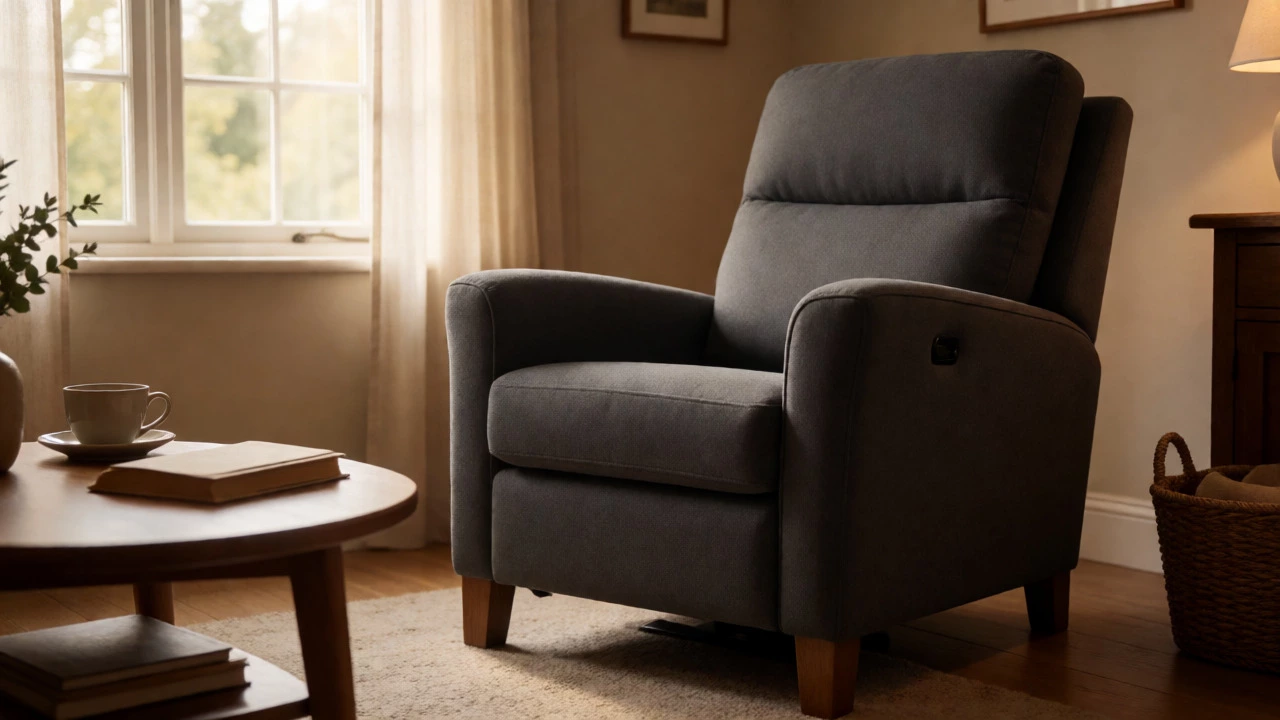
You just spent a decent chunk of change on a La-Z-Boy recliner. It’s the throne of your living room, the spot where you binge-watch series and nap through Sunday afternoons. But here is the question that keeps popping up when you see a spring poke through or hear a squeak: how long should this thing actually last?
The short answer? A well-made La-Z-Boy recliner typically lasts between 7 to 15 years. Some lucky owners get 20+ years with heavy use, while others replace them in 3-5 years due to abuse or poor build quality. The difference usually comes down to three things: usage intensity, material choice, and whether you respected the mechanics.
The Realistic Lifespan Breakdown
Not all recliners are created equal, even within the same brand. Your specific model dictates its longevity more than the logo on the side.
| Model Tier | Expected Lifespan (Years) | Common Failure Points |
|---|---|---|
| Entry-Level (e.g., Kirkland) | 5-8 | Fabric pilling, weak springs, motor burnout |
| Mid-Range (e.g., Studio Series) | 8-12 | Cushion compression, frame joint loosening |
| Premium (e.g., Signature Design) | 12-20+ | Leather cracking (if neglected), cosmetic wear |
Why the big gap? Entry-level models often use lighter frames and synthetic blends that degrade faster under daily stress. Premium lines use kiln-dried hardwoods and higher-density foam cores that resist "bottoming out." If you’re buying for a high-traffic family room, skimping on the tier will cost you double in replacements within a decade.
What Actually Kills a Recliner First?
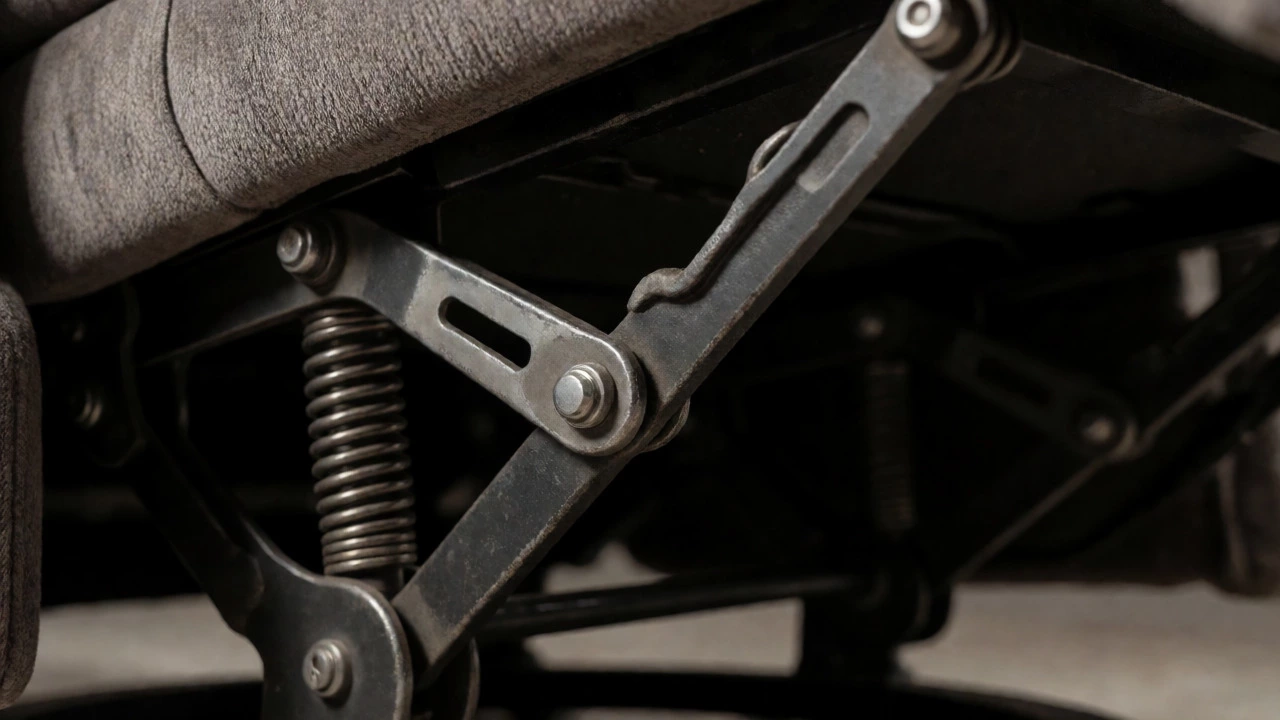
People assume the fabric rips first. Wrong. In my experience repairing chairs in Birmingham homes, the mechanism fails before the upholstery does. Here’s what breaks:
- The Mechanism: The steel linkage system is the heart of the chair. Grease dries out, joints loosen, and suddenly your footrest sticks halfway up. This is fixable but annoying.
- Suspension Springs: Most modern La-Z-Boys use sinuous springs or webbing. Over time, metal fatigue causes them to sag. You’ll feel it as a "hammock" effect in the seat cushion.
- Foam Density: Cheap polyurethane foam loses resilience quickly. After 5 years of nightly use, it flattens permanently. High-resilience (HR) foam lasts twice as long.
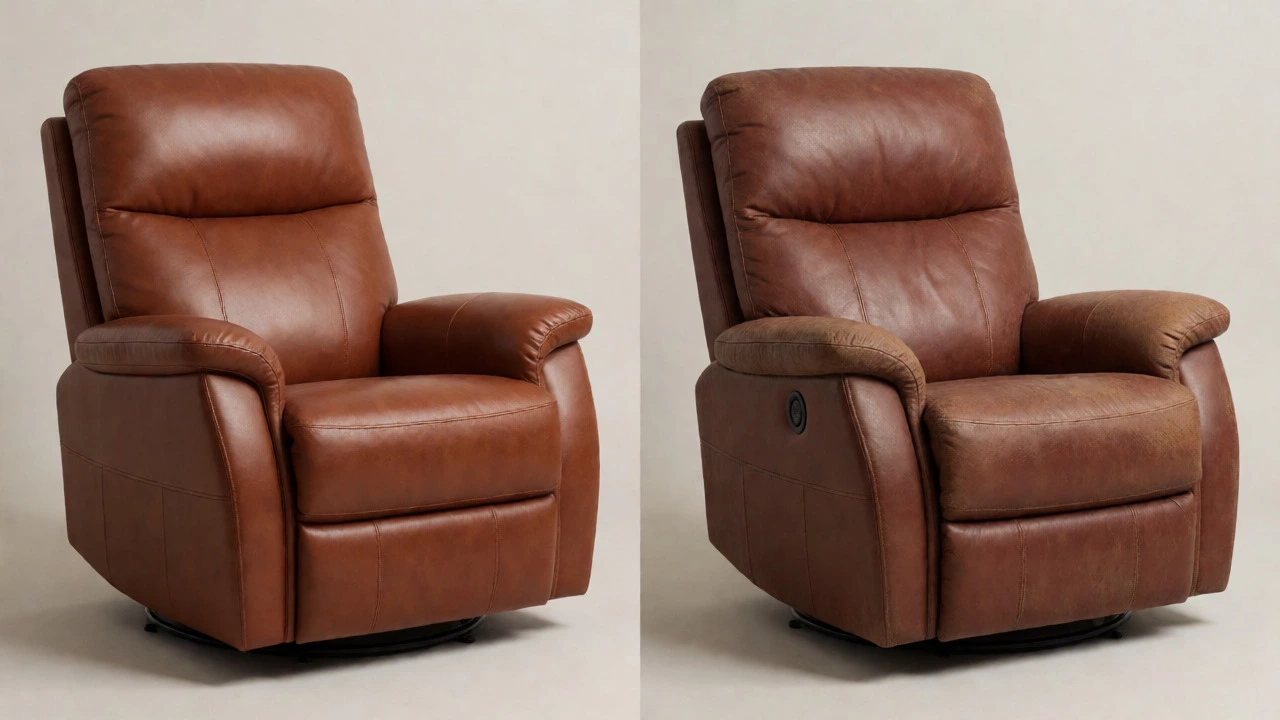
- Upholstery Wear: Leather cracks if not conditioned; fabric pills at contact points (arms, headrest). This is cosmetic until the backing tears.
If your chair feels unstable or makes grinding noises, the mechanism is crying for help. Ignoring it leads to broken gears, which are expensive to replace compared to simple lubrication.
Usage Habits That Shorten Life
Do you eat dinner in your recliner? Do you let the kids jump off the back? These habits cut lifespan in half. Here’s the brutal truth about usage patterns:
Daily Use vs. Occasional Use: A chair used 4 hours a day will fail 3x faster than one used once a week. If you have multiple recliners, rotate who sits where. Don’t let one chair take all the punishment.
Pet Damage: Cats love scratching armrests. Dogs dig into cushions. One claw can unravel a seam. If you have pets, choose performance fabrics like Crypton or microfiber over standard cotton blends. They resist stains and claws better.
Weight Limits: Every La-Z-Boy has a weight capacity (usually 300-500 lbs). Exceeding it stresses the frame joints. I’ve seen premium chairs collapse because they were treated as storage units for heavy boxes, not seating.
Maintenance: How to Double Your Lifespan
You don’t need a professional every year. Simple quarterly checks keep things running smoothly. Here’s your checklist:
- Lubricate the Mechanism: Once a year, spray silicone lubricant on the moving metal parts under the chair. Avoid WD-40-it attracts dust and gums up gears later.
- Vacuum Deeply: Dust accumulates in crevices and acts like sandpaper on fabric fibers. Use an upholstery attachment monthly.
- Rotate Cushions: If your seat cushions are removable, flip and rotate them weekly. This evens out compression.
- Condition Leather: Every 6 months, apply a pH-neutral leather conditioner. Dry leather cracks; conditioned leather bends.
Pro tip: Check the bolts under the chair annually. Vibration from sitting tightens and loosens screws over time. A loose bolt causes wobble, which stresses the wood frame. Tighten them with a screwdriver-takes two minutes, saves hundreds.
Repair vs. Replace: When to Call It Quits
At some point, repairs stop making financial sense. Use this decision tree:
- Fix it if: The problem is isolated (one broken spring, torn seam, stuck motor). Repair costs should be under $150. The frame must still be solid.
- Replace it if: Multiple failures occur simultaneously (cushions flat + mechanism noisy + fabric worn). Or if the wooden frame itself is cracked or warped.
A new mid-range recliner costs £400-£600. A full reupholstery plus mechanism repair might hit £300. If the chair is already 10 years old, put that money toward a new model with better tech features (like USB ports or power headrests).
Beyond the Chair: Related Furniture Care
Your recliner doesn’t exist in a vacuum. Its neighbors matter too. Place it away from direct sunlight to prevent fading. Keep it 6 inches from walls so heat vents (in powered models) don’t overheat. And pair it with a durable Coffee Table that won’t scratch the arms when you bump into it.
If you own matching sets, remember that sofas endure different stresses than recliners. Sofas face lateral pressure from people slouching sideways, while recliners face vertical compression. Their lifespans differ slightly, so don’t expect them to age identically.
Do La-Z-Boy warranties cover normal wear and tear?
No. Warranties typically cover manufacturing defects in frames and mechanisms for 1-5 years. Fabric fading, pet damage, and cushion softening are considered normal wear and aren't covered. Always read the fine print before assuming free repairs.
Can I replace just the mechanism in my La-Z-Boy?
Yes, but it's tricky. Universal mechanisms exist, but they may not fit perfectly without modification. Professional upholsterers often charge more for labor than the part itself. Sometimes replacing the whole chair is cheaper than a custom mechanism swap.
Which fabric lasts longest in a recliner?
Performance fabrics (like Crypton or Sunbrella) and top-grain leather offer the best durability. Microfiber is also tough against scratches. Avoid linen and velvet in high-use areas-they stain easily and pill quickly.
How do I know if the frame is broken?
If the chair rocks violently when you sit, or if you hear wood snapping sounds, check underneath. Cracks in the hardwood base mean structural failure. At this stage, replacement is usually safer and more cost-effective than repair.
Does using the power feature shorten lifespan?
Power recliners add electrical components that can fail (motors, remotes). However, they reduce manual strain on the user, meaning less aggressive pulling on the lever. Overall, lifespan is similar to manual versions if maintained properly, though electronics add another potential failure point.
Write a comment