
Garden Furniture Longevity Calculator
Configuration
Check the boxes that apply to your routine:
Estimated Lifespan
Expert Tip:
Start by selecting your material. Remember, even the best wood needs proper preparation before sealing to ensure longevity.
There is nothing worse than spending a fortune on a beautiful wooden dining set, only to watch it turn grey, soft, and crumbly after one rainy British summer. If you live in Birmingham or anywhere with unpredictable weather, keeping your garden furniture from rotting feels like an uphill battle against nature. But it doesn’t have to be.
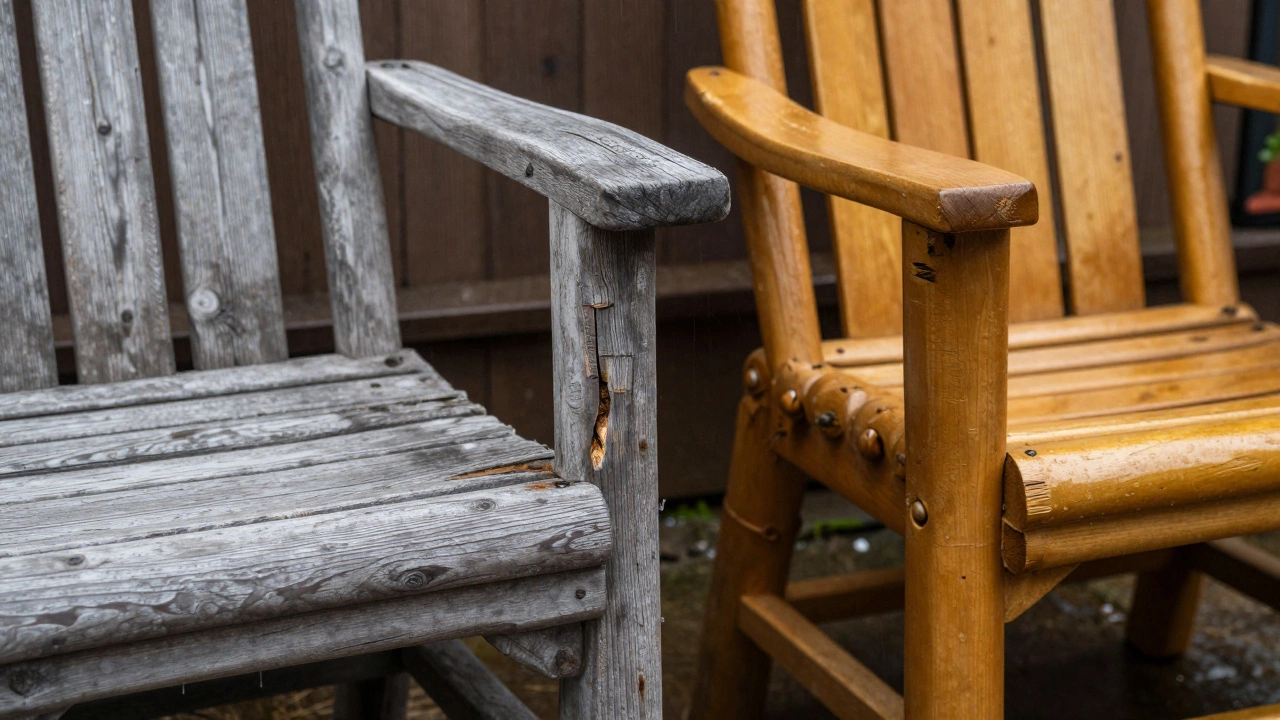
Rot isn’t just unsightly; it’s structural failure. It happens when moisture gets trapped inside the wood fibers, allowing fungi to break down the cellulose that holds the timber together. Once that process starts, you can’t reverse it-you can only slow it down or replace the piece. The good news? With the right materials, simple preparation steps, and a bit of seasonal care, your outdoor furniture can last for decades instead of seasons.
Choosing Materials That Resist Decay Naturally
The first line of defense against rot is choosing the right material. Not all wood is created equal when it comes to outdoor durability. Softwoods like pine or spruce are affordable, but they absorb water quickly and lack natural oils to repel decay. Unless you plan to treat them heavily every year, they are risky choices for permanent garden installations.
Hardwoods, on the other hand, often contain natural preservatives. Teak is a dense tropical hardwood rich in natural oils and rubber that make it highly resistant to water, insects, and rot. It is the gold standard for outdoor furniture because it does not require painting or varnishing to survive the elements. However, teak is expensive. If budget is a concern, look at Eucalyptus or Akoya, which are more affordable alternatives with decent natural resistance, though they will need more frequent sealing than teak.
If you want zero maintenance, consider non-wood options entirely. Aluminum is a lightweight metal that does not rust if powder-coated correctly and requires no sealing. Similarly, Polywood or HDPE plastic lumber are recycled plastic composites that mimic wood grain but do not absorb water, splinter, or rot. These materials eliminate the rot risk completely, though some people miss the warmth and texture of real timber.
| Material | Natural Rot Resistance | Maintenance Level | Lifespan (Years) |
|---|---|---|---|
| Teak | Very High | Low | 15-20+ |
| Eucalyptus | Medium-High | Medium | 10-15 |
| Pine (Untreated) | Low | High | 3-5 |
| Aluminum | N/A (Metal) | Very Low | 10-20 |
| Polywood/HDPE | N/A (Plastic) | Very Low | 20+ |
Preparation Is Key: Before You Apply Any Finish
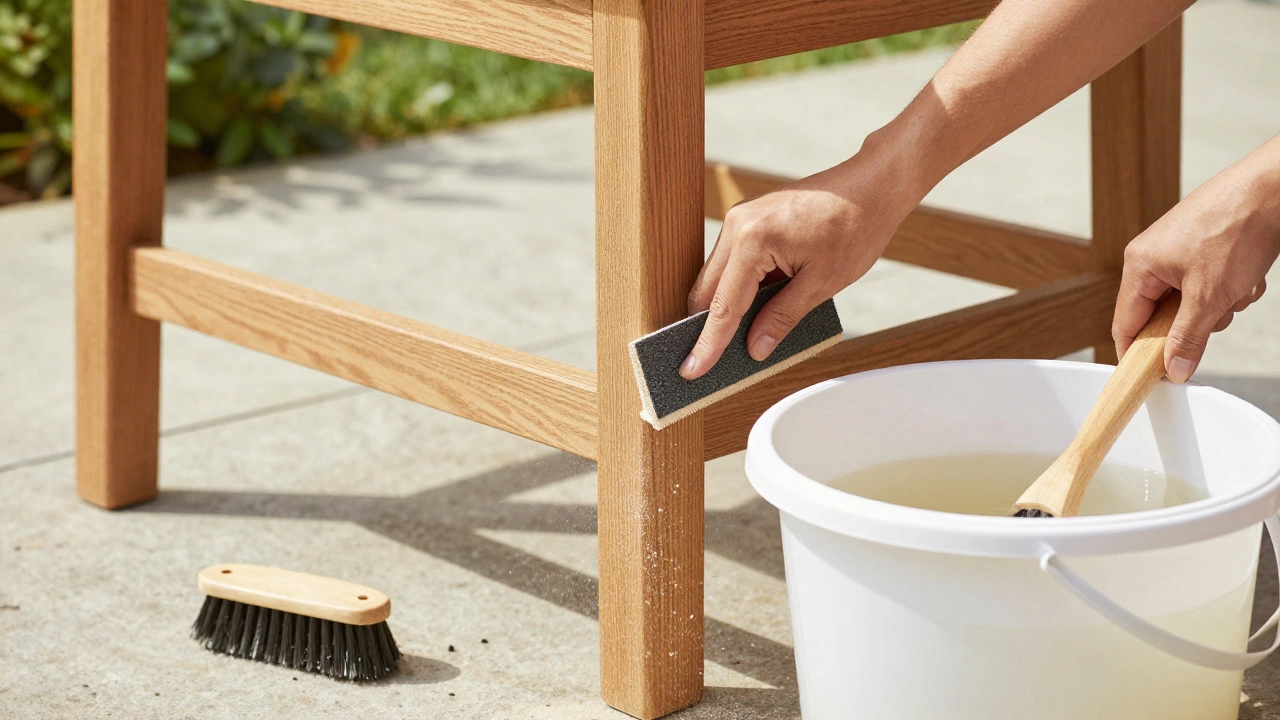
Applying oil or paint to dirty, damp wood is a waste of time. The finish will trap moisture underneath, accelerating rot rather than preventing it. Proper preparation takes longer than the application itself, but it makes the difference between a coat that lasts six months and one that lasts two years.
- Clean thoroughly: Use a stiff brush and a mixture of warm water and mild detergent to remove dirt, algae, and old flaking finishes. For stubborn mold, a solution of one part bleach to ten parts water works well, but rinse it off completely afterward.
- Sand the surface: Lightly sand the wood with medium-grit sandpaper (around 80-100 grit) to open up the pores. This helps the new finish penetrate deeper into the timber. Always sand in the direction of the grain to avoid scratches.
- Dry completely: This is the most critical step. Wood must be bone-dry before sealing. Leave the furniture out in the sun for at least 48 hours. If you apply oil to damp wood, you seal the moisture inside, creating a perfect environment for fungal growth.
Selecting the Right Protective Coating
Not all coatings work the same way. Choosing the wrong product can lead to peeling, cracking, or rapid degradation. Here is how the main options compare:
- Teak Oil: Despite the name, teak oil is not actually derived from teak trees. It is usually a blend of linseed oil, tung oil, and solvents. It penetrates the wood and enhances the grain but does not form a hard surface film. It needs reapplication every 6-12 months. It is ideal for maintaining the golden color of teak or eucalyptus.
- Exterior Varnish: Marine-grade spar varnish creates a hard, waterproof barrier on top of the wood. It protects well against UV rays and water, but it can peel over time as the wood expands and contracts with temperature changes. When it peels, you must strip it all off and start again. It is best for painted furniture or if you want a glossy, finished look.
- Wood Stain with Sealant: Semi-transparent stains offer a middle ground. They provide some UV protection and color while allowing the wood to breathe. Look for products labeled "water-repellent" or containing mildewcides. These typically last 2-3 years before needing touch-ups.
- Clear Water Repellent: For those who prefer the natural silver-grey patina that untreated wood develops, a clear water repellent with UV inhibitors can slow down the greying process without altering the appearance significantly. It prevents deep water absorption that leads to rot.
Smart Placement and Daily Habits
Even the best-treated wood will fail if it sits in standing water or constant shade. Where you place your furniture matters just as much as how you treat it.
Avoid placing wooden legs directly on soil or wet grass. Soil retains moisture and harbors fungi. Use concrete pavers, gravel, or a patio deck to ensure airflow underneath the furniture. If you must place chairs on grass, lift them slightly with small risers to allow air circulation around the base.
Shade is tricky. While direct sunlight fades wood and causes checking (small cracks), total shade keeps wood damp for longer periods after rain. Ideally, position furniture where it gets morning sun to dry out any dew or overnight rain, but is shaded during the hottest afternoon hours to prevent thermal expansion stress.
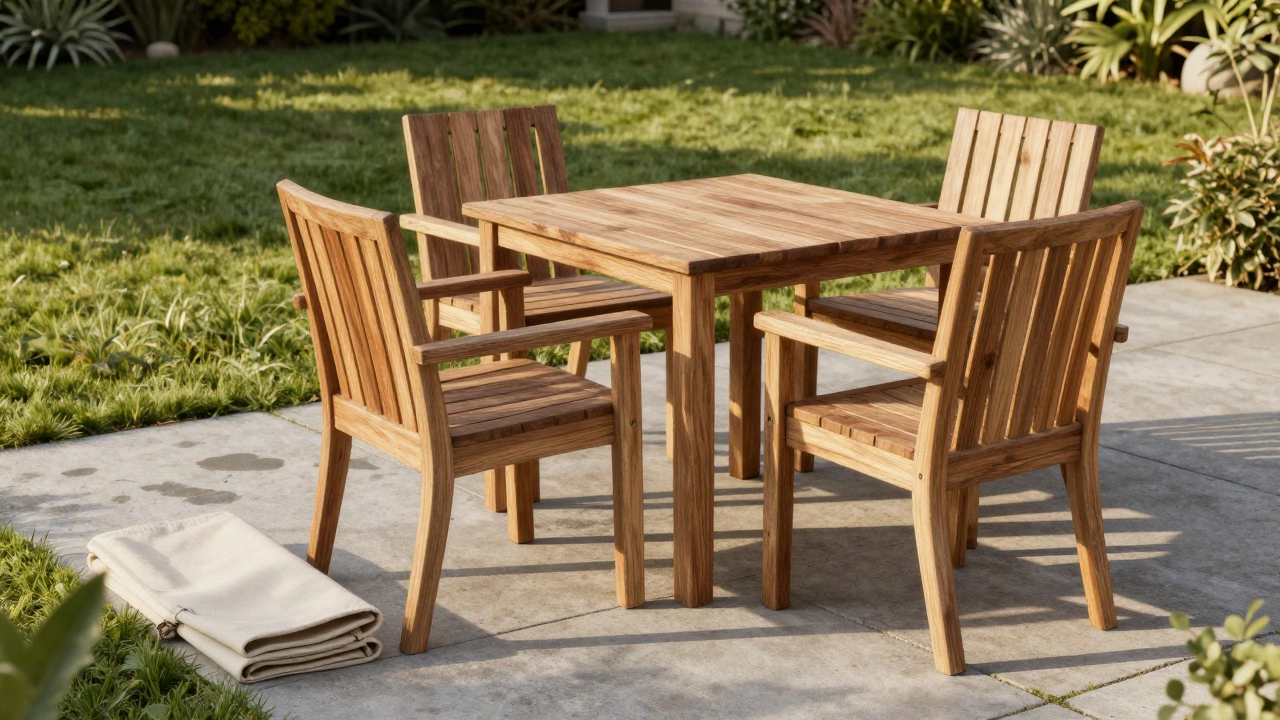
Covering furniture is a common habit, but it can backfire. Plastic covers trap condensation against the wood surface, especially if the cover is tight-fitting. If you use covers, choose breathable canvas or specialized outdoor fabrics that allow moisture to escape. Better yet, remove covers periodically to let the furniture air out.
Seasonal Maintenance Routine
Rot prevention is not a one-time task; it is a cycle. Adopting a simple seasonal routine ensures issues are caught early before they become costly repairs.
Spring: Inspect for signs of wear. Check joints for looseness and surfaces for cracks. Clean off winter debris and apply a fresh coat of oil or sealant if needed. Repair any minor splits with exterior-grade wood filler to prevent water ingress.
Summer: Wipe down furniture regularly to remove bird droppings, pollen, and sap, which can stain and degrade finishes. Monitor for mold spots, especially in humid areas, and spot-clean them immediately.
Autumn: As temperatures drop and humidity rises, prepare for the worst. Apply a heavier coat of protector if you plan to leave furniture outside. Consider moving heavy pieces to a shed or garage if space allows. If left outside, elevate them on blocks to keep feet off wet ground.
Winter: In colder climates, freeze-thaw cycles can crack wood. Snow accumulation adds weight and moisture. If possible, store cushions indoors-they are magnets for mold and mildew. For wooden frames, a breathable cover is sufficient if they are elevated and dry.
When to Repair vs. Replace
Not all damage means the end of your furniture. Surface rot, where the wood feels soft but only on the outer layer, can sometimes be sanded away and resealed. However, if the wood crumbles easily or shows black streaks deep within the grain, the structural integrity is compromised. At this point, repair is rarely cost-effective or safe.
For minor cracks, use an exterior epoxy wood filler mixed with sawdust from the same piece for a seamless repair. Sand smooth and reseal. For loose joints, disassemble and re-glue with waterproof polyurethane adhesive, then clamp until cured. These small interventions can extend the life of your furniture by several years.
Does teak furniture really never rot?
Teak is highly resistant to rot due to its natural oils, but it is not immune. Over many decades, even teak can degrade if constantly exposed to extreme moisture without drainage. However, compared to other woods, it has an exceptionally long lifespan and rarely suffers from structural rot under normal conditions.
Can I use indoor wood polish on garden furniture?
No. Indoor polishes are not designed to withstand UV radiation, rain, or temperature fluctuations. They will wash away quickly or create a slippery, unsafe surface. Always use products specifically labeled for exterior or marine use.
How often should I re-oil my wooden garden furniture?
Generally, every 6 to 12 months depending on exposure. If water beads up on the surface, the oil is still working. If the wood looks dull and absorbs water quickly, it is time to reapply. Teak may go longer without oiling if you prefer the silver-grey weathered look.
Is it better to leave wood uncovered or covered in winter?
It depends on the climate. In mild, dry winters, leaving it uncovered allows better airflow. In wet, snowy regions, a breathable cover is safer to prevent water saturation. Never use non-breathable plastic tarps as they trap moisture and promote mold growth.
What is the best wood for garden furniture in rainy climates?
Teak is the best choice for rainy climates due to its high natural oil content. Eucalyptus and Accoya are also excellent, durable alternatives that perform well in wet conditions when properly sealed. Avoid untreated pine or fir in consistently damp environments.
Write a comment