
Outdoor Furniture Mold Risk Calculator
Assess Your Setup
Why Calculate?
Understanding your specific risk helps you prioritize cleaning efforts and choose the right materials for your climate.
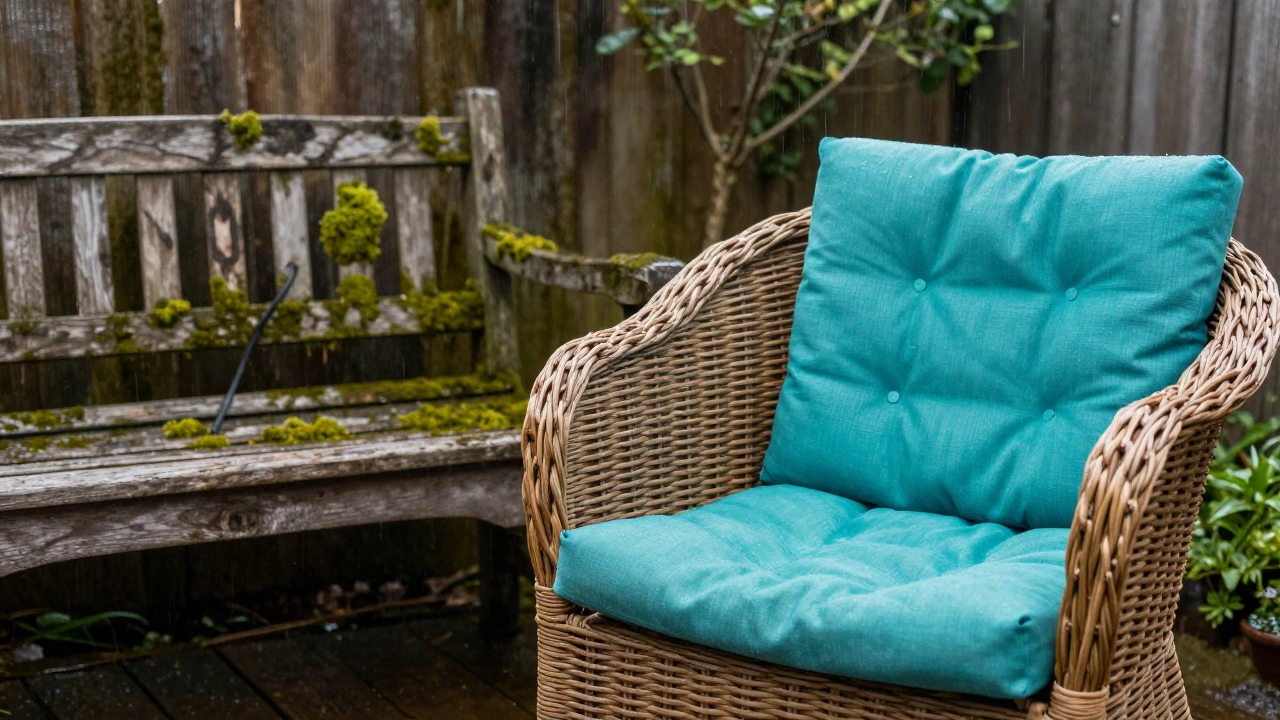
There is nothing worse than spending a warm Saturday afternoon planning to relax in your backyard, only to find that your favorite patio chair has turned into a green, fuzzy hazard. Mold and mildew are not just unsightly; they can ruin expensive materials, cause allergic reactions, and make your outdoor space feel neglected. Living in a place like Birmingham, where the rain seems to have its own permanent zip code, I know this struggle well. The damp air and frequent showers create the perfect breeding ground for these fungi.
You don't need to accept mold as an inevitable part of owning outdoor gear. With the right mix of daily habits, seasonal deep cleans, and smart storage choices, you can keep your garden furniture looking fresh and inviting all year round. This guide breaks down exactly how to stop mold before it starts, how to remove it if it does appear, and which materials hold up best against the British weather.
Why Does Mold Grow on Outdoor Furniture?
To fight mold, you first need to understand what it wants. Mold is a type of fungus that thrives in environments with three specific conditions: moisture, organic matter, and warmth. While your metal frame might seem sterile, the fabric on your cushions, the weave of your rattan chairs, or even the grain of untreated wood provides plenty of food for spores. When rain leaves water trapped in crevices or when humidity stays high overnight, those spores wake up and start multiplying.
In the UK, our climate is particularly hostile to outdoor textiles. We experience high relative humidity even when it isn’t actively raining. This means that dew forms on surfaces every morning, keeping things damp longer than you might expect. If your furniture sits in a shaded corner of the garden, it dries even slower. Sunlight contains UV rays that naturally kill mold spores, so shaded areas become hotspots for growth. Understanding this helps you realize that prevention isn't just about cleaning-it's about managing moisture and airflow.
The Best Materials for Mold Resistance
If you are buying new furniture, the material choice is your first line of defense. Not all outdoor fabrics are created equal. Here is how different materials stack up against mildew:
- Polypropylene (Olefin): This is arguably the best fabric for damp climates. It is synthetic, meaning it doesn't absorb water like cotton or linen. Brands often market this as "solution-dyed" acrylic or polyester blends. These fibers repel water and dry quickly, leaving little time for mold to take hold.
- All-Weather Wicker (PE Rattan): Unlike natural rattan, polyethylene wicker is plastic-based. It won't rot, but dirt and pollen can get stuck in the weave. If left dirty, that organic buildup can attract moisture and eventually lead to surface mold. Regular brushing is key.
- Teak Wood: Teak contains natural oils that resist water and insects. However, if teak is left untreated, it will turn grey and develop a thin layer of algae or mold on the surface. This is cosmetic and easy to scrub off, but it shows neglect.
- Cushion Foam: This is the weak link. Even if the cover is waterproof, cheap foam inside can absorb moisture through zippers or seams. Once the foam gets wet, it rarely dries completely from the inside out, leading to a musty smell and internal mold growth.
| Material | Water Absorption | Mold Risk Level | Maintenance Effort |
|---|---|---|---|
| Polypropylene Fabric | Very Low | Low | Low (Rinse occasionally) |
| Natural Cotton/Linen | High | Very High | High (Frequent washing/drying) |
| Teak Wood | Medium | Medium (Surface only) | Medium (Scrubbing/Oiling) |
| PE Rattan | Low | Low-Medium | Medium (Brushing debris) |
| Foam Cushions | High (Internal) | High | High (Must stay dry) |
Daily Habits to Stop Mold Before It Starts
Prevention is always easier than removal. You don't need to spend hours every day, but small habits make a massive difference. Think of it like brushing your teeth-quick, routine actions prevent bigger problems later.
- Shake Off Debris: Pollen, leaves, and bird droppings are organic matter. When they mix with rain, they create a nutrient-rich sludge that feeds mold. Give your chairs a quick shake or brush with a soft broom once a week to remove this layer.
- Ensure Airflow: Mold hates circulation. Don't stack chairs tightly together in a dark shed. Leave space between them so air can move. If you have a table, flip it upside down during heavy rain spells so water doesn't pool on the surface.
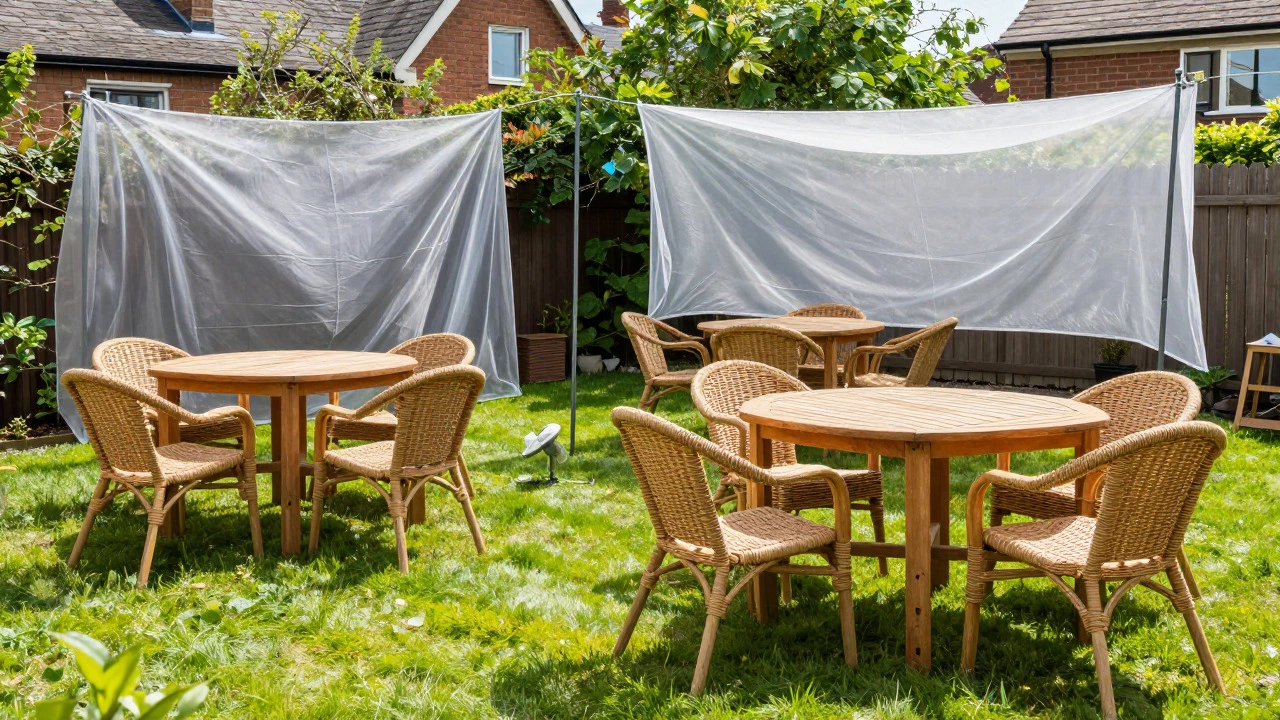
- Use Covers Wisely: Many people buy covers thinking they are a silver bullet. They aren't. If you put a cover on damp furniture, you trap the moisture inside, creating a sauna effect for mold. Always ensure furniture is completely dry before covering it. Better yet, use breathable covers rather than plastic tarps, which condense water on the underside.
- Move for Sunlight: If possible, position your seating area in a spot that gets at least a few hours of direct sun. UV light is a natural disinfectant. If your patio is fully shaded, consider using a portable fan occasionally to speed up drying after rain.
How to Clean Existing Mold and Mildew
If you’ve missed a spot and see green or black spots appearing, don't panic. You can usually save the piece if you act fast. The method depends on the material.
For Fabrics and Cushions
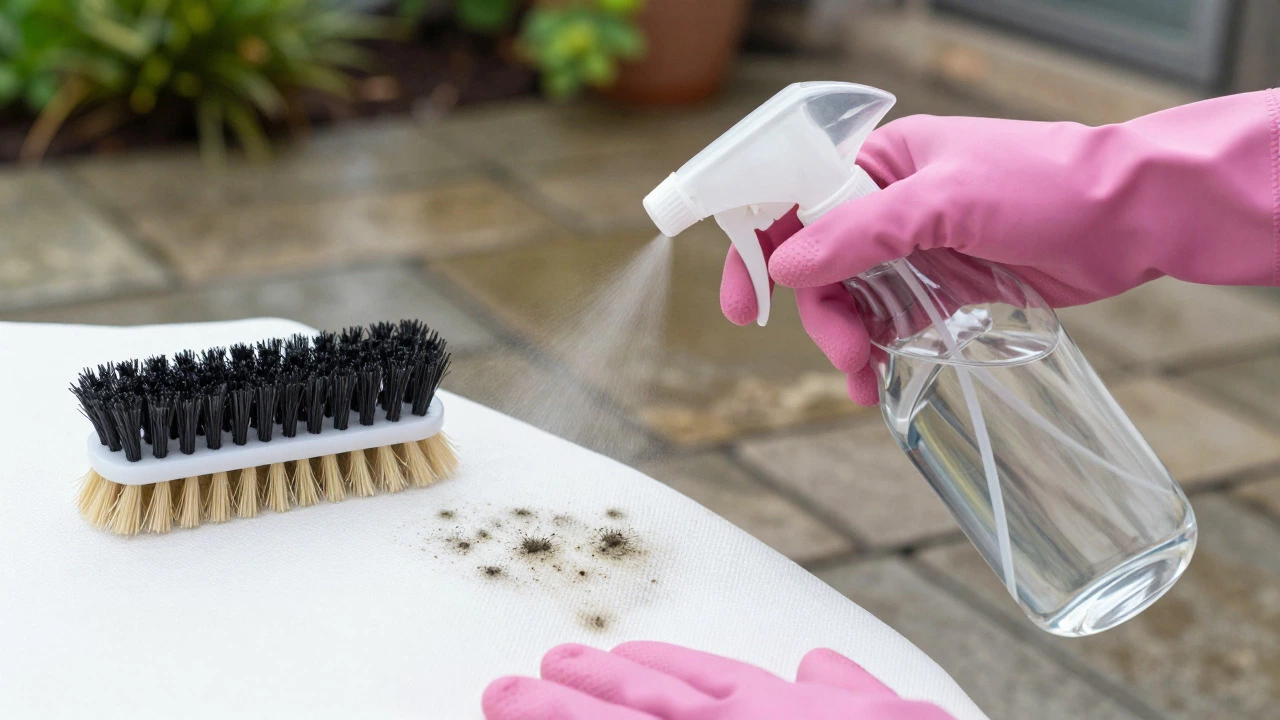
Start by taking the cushions outside. Beat them firmly to dislodge dry spores. Do not wipe them yet, as wiping pushes the mold deeper into the fibers. Mix a solution of one cup of white vinegar with one gallon of warm water. Vinegar is acidic enough to kill most common household molds without damaging synthetic fabrics. Spray the solution generously and let it sit for 15-20 minutes. Then, scrub gently with a soft-bristled brush. Rinse with a hose and allow to dry in direct sunlight. Never put a cushion back while it is still damp.
For Hard Surfaces (Wood, Metal, Plastic)
For hard surfaces, a mixture of baking soda and water works wonders. Make a paste with two parts baking soda to one part water. Apply it to the moldy areas and let it sit for an hour. Baking soda is abrasive enough to lift stains but gentle enough not to scratch powder-coated aluminum or stained wood. Scrub with a sponge, rinse thoroughly, and dry with a microfiber cloth. For stubborn algae on stone or concrete bases, a diluted bleach solution (1 part bleach to 10 parts water) can be used, but rinse extremely well to avoid damaging nearby plants.
For PE Rattan
Rattan weaves are tricky because dirt hides inside. Use a soft brush attachment on a vacuum cleaner to suck out loose debris first. Then, use a mild soap and water solution with a soft cloth. Avoid high-pressure washers, as they can force water into the core of the rattan strands, causing them to rot from the inside. Dry with a towel and let air dry completely.
Storage Strategies for Winter and Wet Seasons
In the UK, winter means months of low light and constant rain. Leaving furniture out year-round invites damage. If you have the space, bringing cushions indoors is non-negotiable. Store them in a dry cupboard or under a bed, away from damp walls.
If you must leave frames outside, invest in quality, breathable furniture covers. Look for covers with vents or mesh panels that allow moisture to escape. Stack chairs vertically if possible, rather than horizontally, to reduce contact points where moisture can get trapped. Place them on pallets or bricks rather than directly on soil or grass, which radiates moisture upward.
Before storing anything for long periods, give everything a thorough clean. Storing dirty furniture guarantees that mold will grow in the dark, damp environment of a garage or shed. Check stored items monthly during winter. If you notice any dampness, air them out immediately.
Natural Remedies vs. Chemical Cleaners
You might be tempted to grab a bottle of harsh chemical mold remover from the hardware store. While effective, these products often contain strong acids or bleaches that can fade colors, corrode metal finishes, or harm your garden plants. Natural alternatives are safer for both your furniture and the environment.
- White Vinegar: As mentioned, it kills about 82% of mold species. It’s cheap, non-toxic, and smells disappear once dry.
- Lemon Juice and Salt: Great for brightening faded wood and killing surface mold. The citric acid acts as a natural bleach, and salt provides abrasion. Let the sun do the work after applying this mix.
- Baking Soda: Excellent for absorbing odors and lifting stains. It raises the pH level, making it harder for mold to survive.
- Hydrogen Peroxide (3%): A good alternative to bleach for colored fabrics. It kills mold and whitens simultaneously. Test on a small hidden area first to ensure it doesn’t bleach the dye.
Avoid using undiluted bleach on porous materials like wood or natural fiber cushions. Bleach kills the visible mold but leaves the roots intact in some cases, and it degrades the fibers over time, making the fabric weaker and more prone to tearing.
When to Replace Your Furniture
Sometimes, prevention fails. If you open a cushion and find black mold growing deep inside the foam, there is no way to clean it safely. Inhaling those spores is dangerous for anyone with asthma or allergies. In this case, replace the foam inserts or the entire cushion. Similarly, if wooden frames show signs of structural rot-soft spots that squish when pressed-the integrity is compromised. No amount of sanding will fix deep rot. At that point, replacement is the only safe option.
Regular maintenance extends the life of your investment significantly. By treating your outdoor furniture with respect-keeping it dry, clean, and aired out-you’ll enjoy your garden for years to come, regardless of how much it rains.
Can I use bleach to clean mold off outdoor cushions?
It is generally not recommended to use straight bleach on outdoor cushions. Bleach can degrade the fibers of the fabric, causing them to become brittle and fade in color. It also may not penetrate deep enough to kill the root of the mold in thick fabrics. Instead, use a mixture of white vinegar and water, or a specialized outdoor fabric cleaner, which is safer for the material and equally effective at killing surface mold.
How do I stop mold from growing in my garden shed?
Mold in sheds is caused by poor ventilation and dampness. To prevent it, ensure your shed has adequate airflow through vents or windows. Keep furniture off the concrete floor by using pallets or rubber mats. Use a dehumidifier if the shed is particularly damp, and check stored items regularly for signs of moisture. Avoid storing cardboard boxes or paper directly on the floor, as these absorb moisture easily.
Is it better to cover outdoor furniture or bring it inside?
Bringing furniture inside is always the best option for long-term preservation, especially during winter. However, if that is not possible, using high-quality, breathable covers is the next best step. Ensure the furniture is completely dry before covering it, as trapping moisture underneath will accelerate mold growth. Cheap plastic covers often create condensation, which makes the problem worse.
What is the best fabric for outdoor furniture in rainy climates?
Polypropylene (also known as Olefin) is widely considered the best fabric for rainy climates. It is synthetic, meaning it does not absorb water, and it dries very quickly. Solution-dyed acrylics are another excellent choice because the color is embedded in the fiber, making it resistant to fading and mold. Avoid natural fibers like cotton or linen unless they are heavily treated with water-repellent coatings.
Can mold on outdoor furniture make me sick?
Yes, mold can cause health issues, particularly for people with allergies, asthma, or weakened immune systems. Symptoms can include sneezing, coughing, skin irritation, and eye irritation. Inhaling mold spores from heavily infested cushions or wood can trigger respiratory problems. It is important to clean mold promptly and wear a mask when disturbing large amounts of mold to avoid inhaling spores.
Write a comment