
Bookcase Anchor Strength Calculator
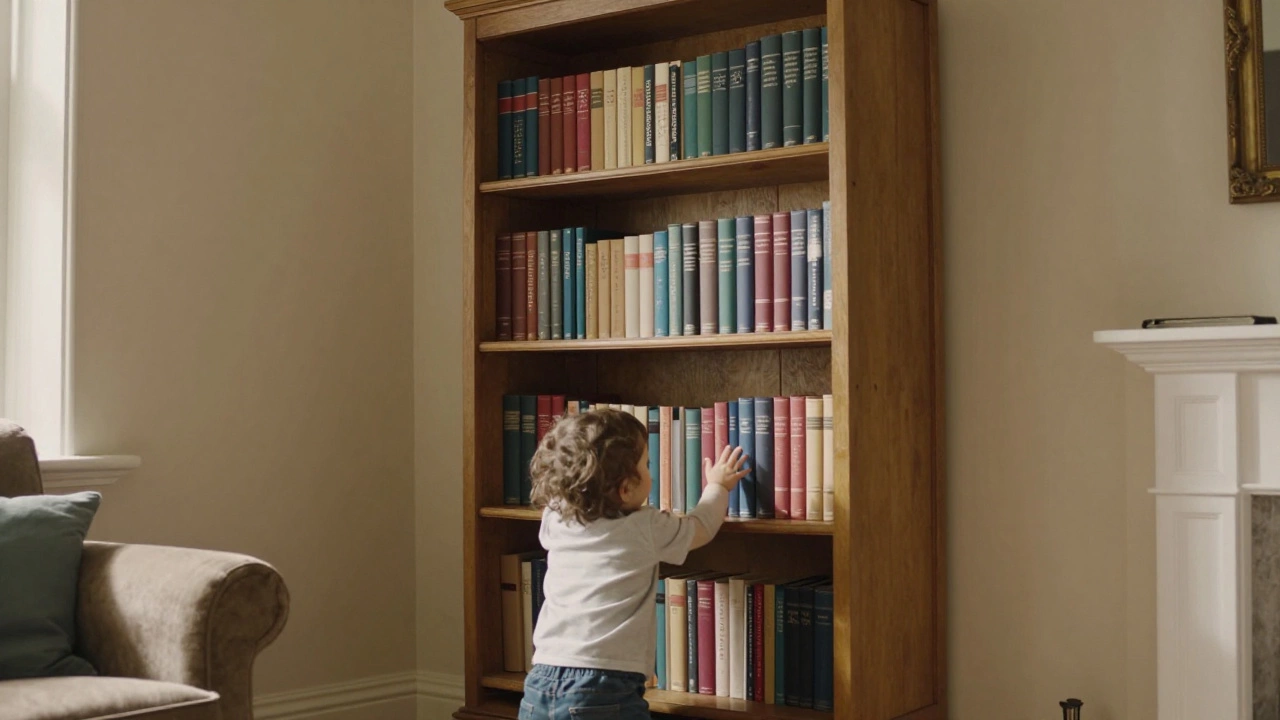
Imagine the sound of heavy timber crashing down. It’s not a scene from a movie; it’s a preventable household accident that happens far too often. A freestanding bookcase is a standalone storage unit designed to hold books and decorative items without being built into the structure of a home. While they look elegant and provide essential storage, their height-to-width ratio makes them naturally unstable. When loaded with heavy encyclopedias or pulled on by a curious toddler, physics takes over, and tipping becomes a serious risk.
You don’t need to be an engineer to fix this. You just need the right hardware and a bit of time. Securing your furniture isn't about ruining the aesthetic; it's about ensuring that your living space remains safe for everyone, especially children and pets. Let’s look at exactly how you can anchor your bookcase to the wall so it stays put, no matter what.
Why Your Bookcase Needs Anchoring
It might seem like paranoia, but unsecured tall furniture is one of the leading causes of non-fatal injuries in homes with young children. The center of gravity shifts when weight is added to the top shelves. If a child climbs up to reach a toy or pulls on the front edge, the entire unit can pivot forward. This is known as tip-over hazard.
Even if you don’t have kids, earthquakes or accidental bumps from vacuum cleaners can cause damage. In regions prone to seismic activity, anchoring is mandatory by building code. For the rest of us, it’s a simple insurance policy against broken bones and shattered belongings. The goal is to create a rigid connection between the back of the bookcase and the structural elements of your wall.
Gathering the Right Tools and Hardware
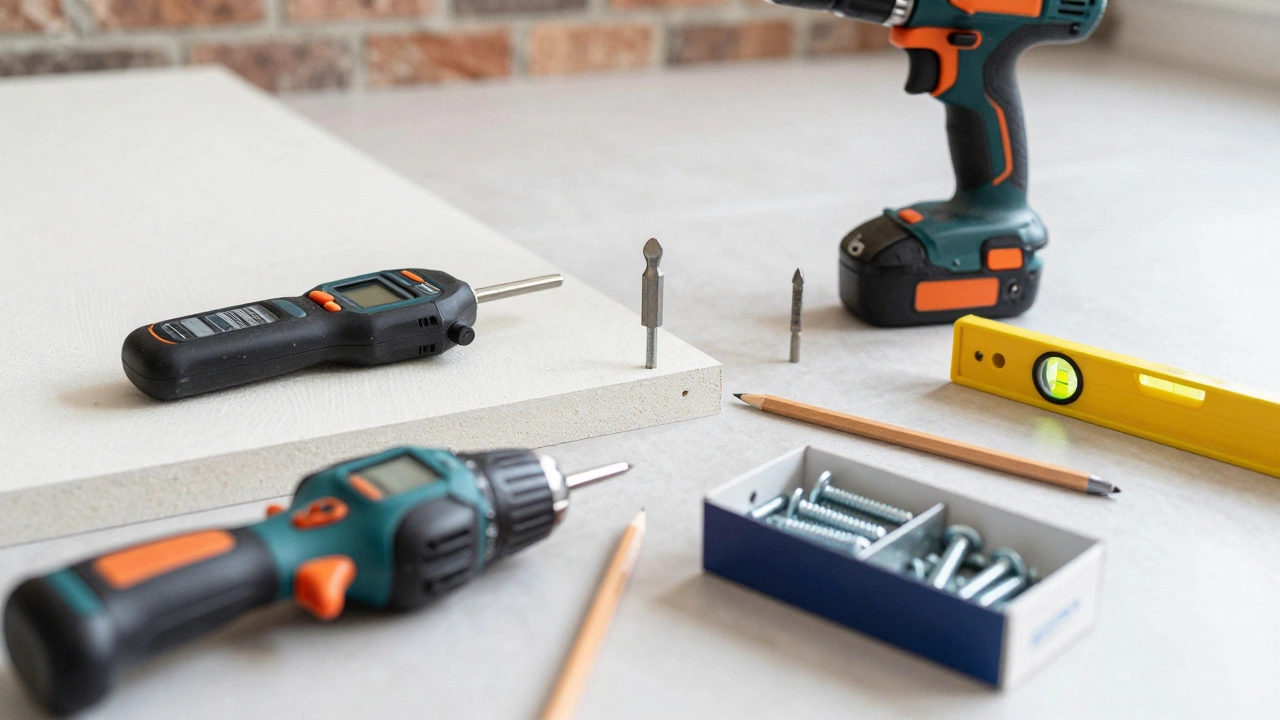
Before you start drilling, you need to know what you’re working with. Not all walls are created equal, and using the wrong anchor can lead to failure when it matters most. Here is what you will likely need:
- An Anti-Tip Kit: Most modern bookcases come with these. If yours didn’t, buy a universal furniture strap kit. These usually include metal brackets, screws, and either plastic anchors or toggle bolts.
- A Stud Finder: This electronic device helps you locate the wooden studs behind your drywall. Attaching to a stud is always stronger than attaching to drywall alone.
- A Power Drill: You’ll need bits for both wood (for the bookcase) and masonry or drywall (for the wall).
- Level and Pencil: To mark your drill holes accurately.
- Heavy-Duty Wall Anchors: If you can’t hit a stud, you need high-quality anchors like Snaptoggles or E-Z Ancor. Cheap plastic plugs will rip out under tension.
Check your bookcase manual first. Manufacturers often specify the exact type of bracket required. Using the original hardware ensures compatibility and maintains any warranty coverage you might have.
Step-by-Step Installation Guide
The process is straightforward, but precision matters. Follow these steps to ensure a secure installation.
- Empty the Bookcase: Remove all books and decor. You want the unit light enough to move slightly if needed, and you don’t want items falling on your feet while you work.
- Position the Bookcase: Place the bookcase exactly where you want it. Use a level to make sure it’s straight. Mark the position on the floor with painter’s tape so you can return it to the same spot after installation.
- Locate the Studs: Use your stud finder to scan the wall above the bookcase. Mark the center of each stud with a pencil. Ideally, you want to attach the bracket to at least one stud. If the bracket spans two studs, even better.
- Attach the Bracket to the Wall: Hold the wall plate of the anti-tip kit against the wall, aligned with your stud marks. Pre-drill pilot holes to prevent the wood or drywall from splitting. Secure the plate with long screws. If you’re hitting a stud, use 2-inch wood screws. If you’re only hitting drywall, use the heavy-duty anchors provided in your kit, following the manufacturer’s instructions carefully.
- Attach the Strap or Bracket to the Bookcase: Flip the bookcase onto its side (protect the floor with a blanket). Attach the other end of the anti-tip mechanism to the upper back panel of the bookcase. Ensure it’s tight and secure. Use wood screws appropriate for the thickness of the bookcase back.
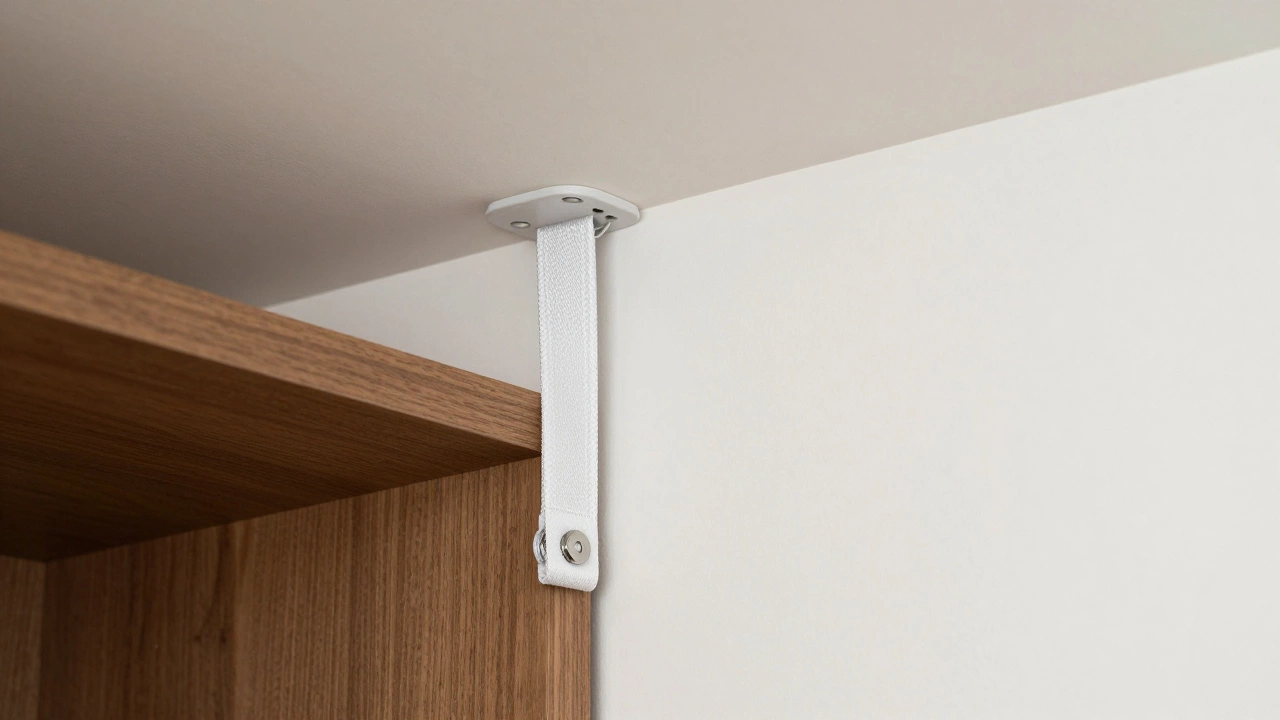
- Connect the Mechanism: Stand the bookcase back up. Align the bookcase bracket with the wall plate. Connect them using the provided chain, strap, or locking pin. Tighten everything until there is zero slack.
- Test the Security: Gently try to pull the top of the bookcase away from the wall. It should not move. If it wiggles, tighten the connections or check your anchors.
Dealing with Different Wall Types
Your wall material dictates your strategy. Drywall (gypsum board) is common in most homes, including here in Birmingham. It holds screws well only when backed by studs. Without studs, you rely entirely on anchors.
If you have brick or block walls, you’ll need a masonry bit and rawl plugs. Brick provides excellent holding power, but drilling into it requires more effort and care to avoid cracking the surface. For plaster walls, which are common in older Victorian houses, be cautious. Plaster can crumble around screw heads. Use wider washers or specialized plaster anchors to distribute the load.
| Wall Type | Best Attachment Method | Recommended Anchor/Screw | Holding Strength |
|---|---|---|---|
| Drywall (with stud) | Direct screw into wood | 2-inch Wood Screws | Very High |
| Drywall (no stud) | Toggle Bolt or Snap Toggle | 3/16" Toggle Bolts | High |
| Brick/Masonry | Masonry Bit + Rawl Plug | 6mm Masonry Screw | Very High |
| Plaster/Lath | Wide Washer + Anchor | Plaster Specific Anchor | Medium |
Aesthetic Solutions: Hiding the Hardware
We get it. Metal straps and chains can look industrial and clash with a cozy reading nook. Fortunately, there are ways to hide the security measures without compromising safety.
Cord Covers: Use a flexible cord cover that matches your wall color. Run the anti-tip strap through it. From a distance, it looks like a neat cable management solution rather than a safety restraint.
Decorative Tack Strips: Install a wooden tack strip near the ceiling. You can run a thin, nearly invisible wire from the bookcase to the strip. This method is popular in galleries and high-end homes because it’s virtually unseen.
Rear Mounting: Some kits allow you to mount the bracket directly to the back of the bookcase and the wall simultaneously, eliminating visible straps altogether. Check if your specific model supports this "hidden" installation style.
Maintenance and Regular Checks
Installing the kit isn’t a one-and-done task. Over time, vibrations from footsteps, settling of the house, or temperature changes can loosen screws. Make it a habit to check your bookcase anchors every six months.
Pull gently on the top shelf. If you feel any movement, tighten the screws immediately. Also, inspect the wall anchors. If the drywall around the anchor is cracking or crumbling, replace the anchor with a larger size or relocate the bracket to a stud. Don’t ignore small signs of wear; they are early warnings of potential failure.
Common Mistakes to Avoid
Using Command Strips: Adhesive strips are great for hanging pictures, but they are not designed for the dynamic load of a tipping bookcase. Never rely on adhesive alone for tall furniture.
Attaching Only to Drywall: If you can avoid it, don’t. Drywall anchors have a limit. If a child hangs from the bookcase, a cheap anchor will rip out instantly. Always prioritize studs or heavy-duty toggles.
Ignoring the Base: While anchoring the top is crucial, ensuring the base is stable is also important. Use felt pads on the feet to prevent sliding, but don’t let the bookcase slide away from the wall before you’ve anchored it.
Skipping the Level: An uneven bookcase puts extra stress on one side of the anchor points. Always level the unit before finalizing the screws.
When to Call a Professional
If you’re renting, check your lease agreement. Many landlords require tenants to repair any holes made in the walls. If you’re unsure about drilling, or if your walls are old and fragile, consider hiring a handyman. They can install anchors discreetly and ensure the job is done safely. It’s a small cost compared to the potential medical bills or property damage from a fall.
Also, if you have multiple tall pieces of furniture-bookcases, dressers, wardrobes-tackle them all at once. It’s easier to set up your workspace and buy bulk hardware. Consistency in safety practices protects your whole home.
Can I secure a bookcase without drilling into the wall?
For heavy or tall bookcases, drilling is the only reliable method. Adhesive solutions like Command strips are not strong enough to prevent tip-overs caused by climbing children or seismic activity. However, some freestanding bookcases come with weighted bases or wide footprints that improve stability, but they do not eliminate the risk entirely. If you cannot drill, consider using a lower, wider bookcase instead of a tall, narrow one.
What is the best type of anchor for drywall?
The best anchors for drywall are toggle bolts or snap toggles. These anchors expand behind the drywall, distributing the weight over a larger area. They can hold significantly more weight than standard plastic expansion anchors. Look for brands like Snaptoggle or E-Z Ancor, which are designed specifically for heavy loads like furniture anchoring.
Do I need to anchor my bookcase if I don't have kids?
Yes. Even without children, bookcases can tip due to accidental bumps, earthquakes, or improper loading. Pets, especially large dogs jumping on furniture, can also cause instability. Anchoring is a low-effort safety measure that protects your belongings and prevents injury from unexpected accidents.
How do I remove an anti-tip kit without damaging the wall?
To remove the kit, unscrew the brackets from the wall and the bookcase. For drywall anchors, you can often push the remaining anchor back into the hole. Fill the holes with spackle or joint compound, sand smooth, and repaint. If you used toggle bolts, you may need to cut the wings off inside the wall or pull them out carefully. Minor patching is usually sufficient to restore the wall’s appearance.
Where should I place the anti-tip bracket on the bookcase?
Place the bracket on the upper third of the bookcase, ideally near the top shelf. This position provides the maximum leverage to prevent tipping. Ensure the bracket is attached to a solid part of the bookcase frame, not just the thin back panel if possible. Follow the manufacturer’s instructions for specific placement guidelines.
Write a comment