
Sofa Quality Inspector
Use this tool to score a sofa in-store or online. Answer 5 key questions about the construction and materials to get an instant quality rating.
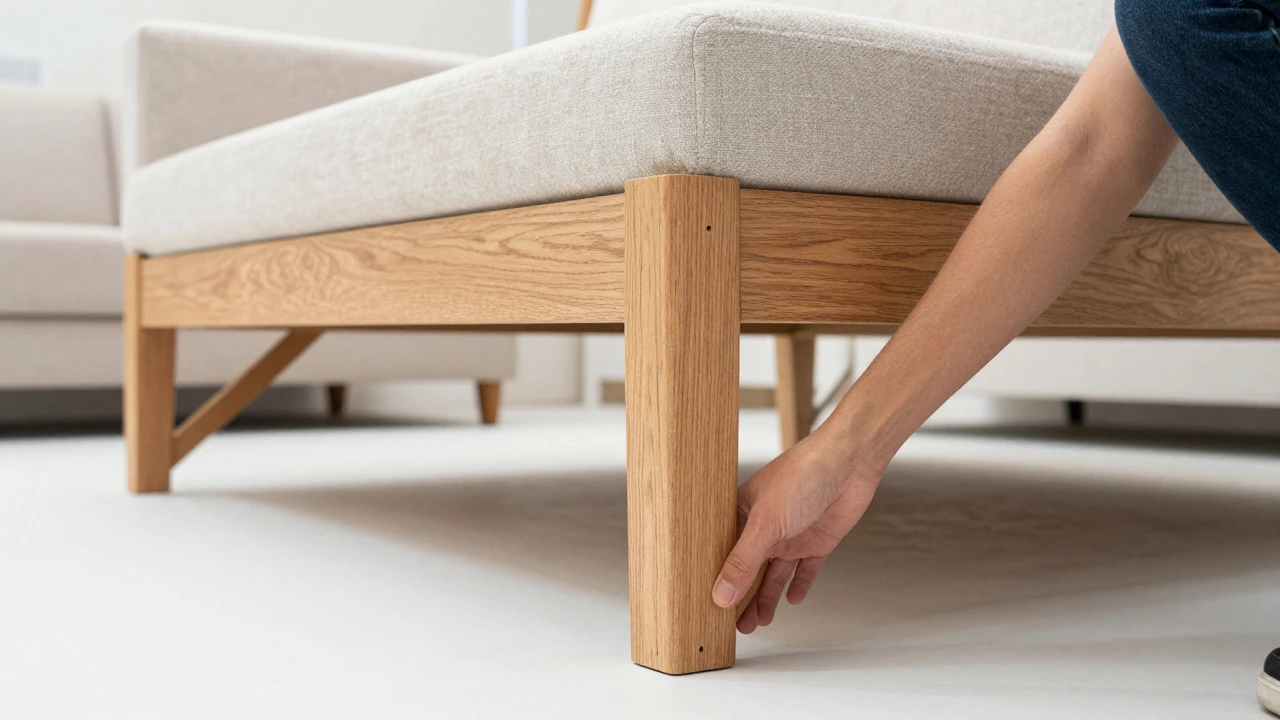
What is the frame made of? (Check underside if possible)
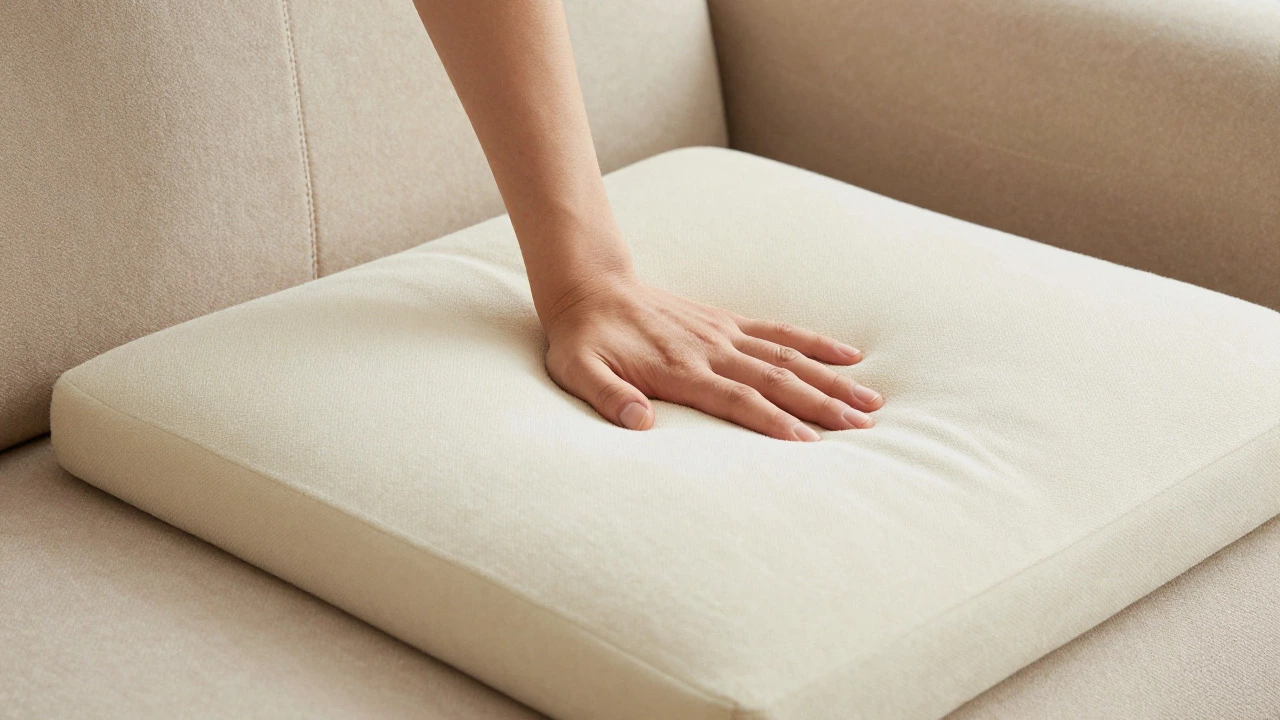
Press firmly into the seat. How does it react?
What is the fabric type or rub count?
Inspect the seams and edges closely.
Sit on the sofa and shift your weight side-to-side.
Quality Assessment
Strengths
Areas of Concern
Walking into a furniture store can feel overwhelming. You see rows of plush sofas, all looking comfortable from a distance. But once you sit down, some feel like they’re sinking into quicksand, while others offer firm, supportive comfort that lasts. The difference isn’t just about looks; it’s about what’s hidden inside the fabric. Knowing how to spot a high-quality couch saves you from buying a piece that sags after six months or one that sheds lint for years.
This guide breaks down exactly what to look for when inspecting a sofa. We’ll cover the frame, the cushions, the fabric, and the stitching. By the end, you’ll have a practical checklist to use in any showroom, whether you’re shopping for a two-seater in Birmingham or a large sectional for your living room.
The Frame: The Skeleton of Your Sofa
The frame is the most critical component of any sofa. If the frame is weak, no amount of good cushioning will save it. Most high-end sofas use kiln-dried hardwoods like oak, maple, or beech. These woods are stable and resistant to warping. Avoid frames made from particle board or plywood, as these materials tend to split under weight over time.
When inspecting a sofa in-store, ask the salesperson to let you check the underside. Look for corner blocks where the frame pieces join. Solid wood corner blocks are a sign of strength. If you see staples or glue alone holding the corners together, walk away. Also, check for diagonal cross-bracing between the front and back legs. This prevents the sofa from racking or leaning to one side over time.
- Material: Kiln-dried hardwood (oak, maple, beech) is best. Softwoods like pine are acceptable but less durable.
- Joinery: Doweled, screwed, or glued joints with corner blocks. Avoid loose screws or missing dowels.
- Bracing: Diagonal braces between legs add stability. Horizontal rails alone may not be enough for heavy use.
Cushions: Comfort vs. Support
Cushions determine how your sofa feels day-to-day. There are two main types: foam and down/feather. Foam is denser and provides more consistent support, making it ideal for everyday seating. Down or feather cushions feel luxurious and mold to your body, but they require frequent fluffing to maintain their shape.
If you choose foam, pay attention to the density. High-density foam (usually 1.8 lbs per cubic foot or higher) resists sagging better than low-density options. Press firmly into the seat cushion. If it springs back quickly and evenly, the foam quality is good. If it leaves an impression or feels lumpy, it may break down soon.
For back cushions, consider the fill. A mix of foam core with a layer of down on top offers both support and softness. Pure down cushions are great for occasional lounging but might not hold up well if you spend eight hours a day on the sofa.
Upholstery: Fabric, Leather, and Durability
The fabric covers your sofa and protects it from daily wear. When evaluating upholstery, focus on three factors: material, weave, and rub count.
Natural fibers like cotton and linen are breathable and comfortable but may wrinkle or stain easily. Synthetic fabrics like polyester and microfiber are more durable and easier to clean. For families with pets or children, look for performance fabrics treated against stains and water.
Rub count measures how many times a fabric can be rubbed before showing wear. For light use (guest rooms), 15,000 rubs is sufficient. For medium use (living rooms), aim for 30,000 to 40,000 rubs. Heavy-use areas need fabrics rated at 60,000 rubs or more. Ask the retailer for the rub count rating of the specific fabric you’re considering.
If you prefer leather, check the type. Top-grain leather is the highest quality, retaining its natural grain and developing a patina over time. Corrected grain leather has been sanded and embossed, which makes it more uniform but less breathable. Full-aniline leather is untreated and shows every imperfection, offering the most authentic look and feel.
Stitching and Construction Details
Stitching is often overlooked, but it reveals a lot about craftsmanship. Inspect the seams closely. Double-stitched seams are stronger than single-stitched ones. The stitches should be even, tight, and free of loose threads. Uneven or skipped stitches suggest rushed production or poor quality control.
Check the piping along the edges. It should lie flat and smooth, without puckering or gaps. Piping adds structure and protection to the edges, so if it’s poorly attached, it may come loose after a few months of use.
Also, examine the armrests. They should be sturdy and aligned with the seat height. If the arms wobble or feel detached, the internal structure may be compromised. Sit on the sofa and shift your weight from side to side. Listen for creaking or popping sounds, which indicate loose joints or weak connections.
Practical Checklist for In-Store Inspection
Use this simple checklist when you’re in the showroom. It takes only five minutes but can save you hundreds of pounds in the long run.
- Check the frame: Look for hardwood, corner blocks, and diagonal bracing.
- Test the cushions: Press firmly and observe the rebound. Ensure they spring back evenly.
- Inspect the fabric: Feel the texture, check the rub count, and look for consistent dyeing.
- Examine the stitching: Look for double-stitched seams, even spacing, and secure piping.
- Sit and move: Test for stability, listen for noises, and assess overall comfort.
| Component | High-Quality Option | Budget/Low-Quality Option | Lifespan Estimate |
|---|---|---|---|
| Frame Wood | Kiln-dried Oak or Maple | Plywood or Particle Board | 10+ years vs. 3-5 years |
| Seat Cushion Fill | High-Density Foam (1.8+ lbs/cu ft) | Low-Density Polyurethane Foam | 7-10 years vs. 2-4 years |
| Fabric Type | Performance Microfiber or Top-Grain Leather | Basic Polyester Blend | 5-8 years vs. 2-3 years |
| Stitching | Double-Stitched Seams | Single-Stitched Seams | Durable vs. Prone to Fraying |
Common Red Flags to Avoid
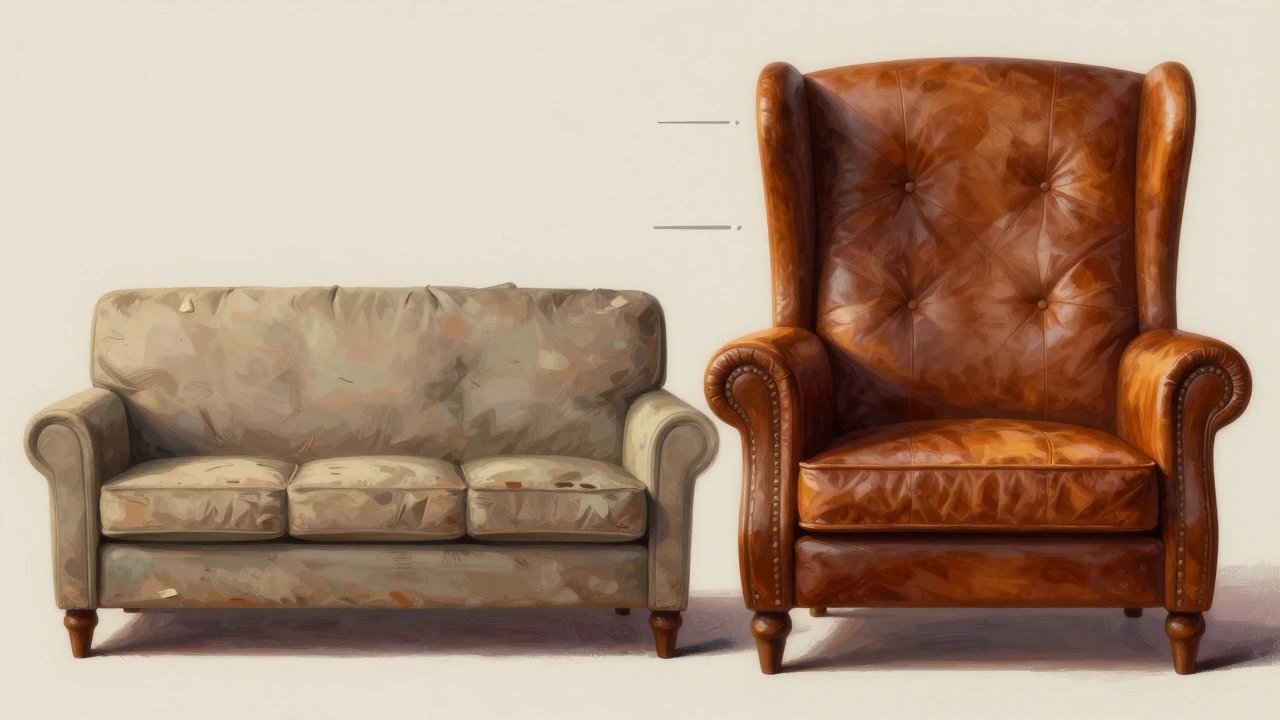
Some signs immediately disqualify a sofa from being considered high-quality. If you notice any of these, keep looking.
- Sagging cushions: If the seat cushion dips in the middle even before you sit on it, the foam is likely low-density.
- Loose arms: Wobbly armrests indicate poor frame assembly.
- Inconsistent color: Fading or uneven dyeing suggests cheap dyes that will fade further in sunlight.
- Thin fabric: If you can see the cushion pattern through the fabric, it’s too thin for daily use.
- No warranty: Reputable manufacturers offer warranties on the frame and mechanisms. Lack of warranty is a warning sign.
Why Quality Matters More Than Price
It’s tempting to choose the cheapest option, but a low-cost sofa often costs more in the long run. A budget sofa might last three years, while a high-quality one can last ten or more. When you factor in replacement costs, the premium price of a durable sofa pays off. Plus, a well-made sofa holds its value better if you ever decide to sell it second-hand.
Consider the total cost of ownership. A £1,000 sofa that lasts five years costs £200 per year. A £2,000 sofa that lasts ten years costs £200 per year as well, but with better comfort and durability throughout. Add in the stress of replacing furniture frequently, and the case for quality becomes clear.
Frequently Asked Questions
What is the best wood for a sofa frame?
Kiln-dried hardwoods like oak, maple, and beech are the best choices. They are strong, stable, and resistant to warping. Avoid softwoods like pine unless they are properly reinforced, as they are more prone to denting and splitting.
How do I test if sofa cushions are high-quality?
Press firmly into the center of the cushion. High-quality foam should spring back quickly and evenly without leaving a permanent indentation. If the cushion feels lumpy or slow to recover, the foam density is likely too low for long-term use.
What does rub count mean for sofa fabric?
Rub count measures the number of times a fabric can be rubbed back and forth before showing visible wear. Higher rub counts indicate greater durability. For family homes, look for fabrics with a minimum of 30,000 rubs. For heavy use, aim for 60,000 rubs or more.
Is leather always better than fabric for a sofa?
Not necessarily. Leather is durable and easy to clean, but it can be hot in summer and cold in winter. Fabric sofas offer more style options and are often more affordable. Choose based on your climate, lifestyle, and aesthetic preference. Top-grain leather is the highest quality option if you choose leather.
How long should a high-quality sofa last?
A well-made sofa with a hardwood frame, high-density foam, and durable fabric can last 10 to 15 years or more. Regular maintenance, such as rotating cushions and cleaning spills promptly, extends its lifespan significantly.
Write a comment