
Plastic Safety & Recycling Code Checker
You open your cupboard and see a stack of Tupperware. You grab a bin for the garage. Plastic is everywhere because it’s cheap, clear, and lightweight. But have you ever paused to wonder if that convenience comes with a hidden cost? The short answer is yes, it is generally okay to store things in plastic containers, but only if you know exactly what kind of plastic you are holding.
Not all plastics are created equal. Some are inert and safe for decades of use, while others can leach chemicals into your belongings or degrade when exposed to heat. Using the wrong container for the wrong item can ruin clothes, spoil food, or even pose health risks. Let’s break down how to tell which bins belong in your kitchen, which ones should go in the attic, and which ones need to be tossed entirely.
Understanding Plastic Recycling Codes
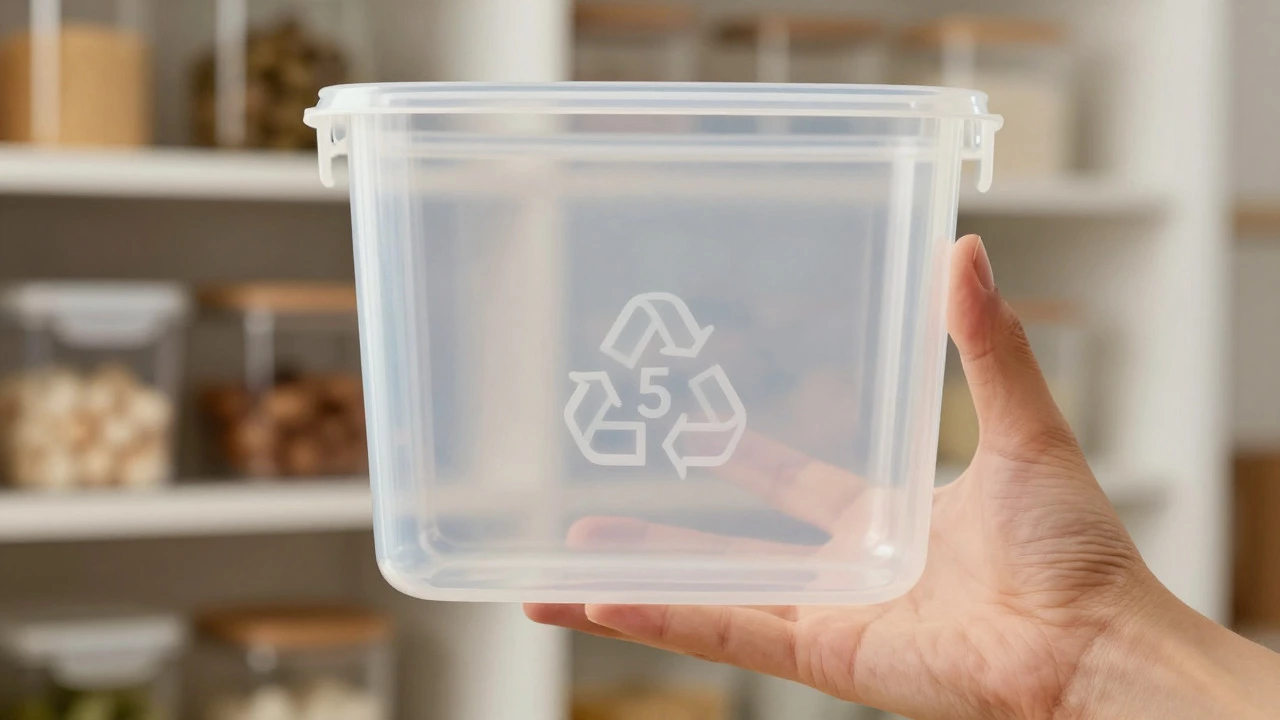
The first step in deciding if a container is safe is looking at the bottom. You will see a number inside a triangle of arrows. This is the Resin Identification Code. It tells you the chemical makeup of the plastic. Knowing these numbers is the single most important skill for safe storage.
| Code | Plastic Type | Common Uses | Safety Verdict |
|---|---|---|---|
| #1 | PET (Polyethylene Terephthalate) | Soda bottles, water bottles | Safe for single-use. Do not reuse long-term as bacteria build up in scratches. |
| #2 | HDPE (High-Density Polyethylene) | Milk jugs, detergent bottles, rigid storage bins | Very Safe. Non-porous, easy to clean, and resistant to chemicals. |
| #3 | PVC (Polyvinyl Chloride) | Shower curtains, some pipes, cling wrap | Avoid for food. Can release phthalates. Okay for dry, non-food items. |
| #4 | LDPE (Low-Density Polyethylene) | Plastic bags, squeezable bottles, lids | Safe. Often used for lids on #5 containers. |
| #5 | PP (Polypropylene) | Tupperware, yogurt cups, bottle caps | Very Safe. Heat resistant and microwave safe. Best for food. |
| #6 | PS (Polystyrene) | Styrofoam cups, disposable cutlery | Avoid. Can leach styrene, especially with hot liquids. |
| #7 | Other (PC, PLA, etc.) | Water cooler bottles, baby bottles | Check Label. May contain BPA. Look for "BPA Free" explicitly. |
If you are storing food, stick to #2 (HDPE) and #5 (PP). These plastics are dense and do not easily absorb odors or stains. If you are storing dry goods like craft supplies or winter clothes, #2 and #5 are still your best bets because they are durable and won’t become brittle over time.
The BPA Question: What You Need to Know
Bisphenol A, or BPA, is a chemical used to make certain plastics hard and clear. For years, it was found in water bottles and food containers. Studies have linked high levels of BPA exposure to hormonal disruptions. Because of this, many manufacturers switched to "BPA-free" alternatives.
Here is the catch: just because it says "BPA-Free" doesn't mean it's automatically harmless. Some replacements, like BPS or BPF, may have similar effects. However, for the average home user, sticking to HDPE (#2) and PP (#5) effectively sidesteps this issue because these types rarely use BPA in their production. Always look for the specific "BPA Free" label if you are buying new containers, especially for children’s lunchboxes or food prep bowls.
Food Storage: Preventing Leaching and Odors
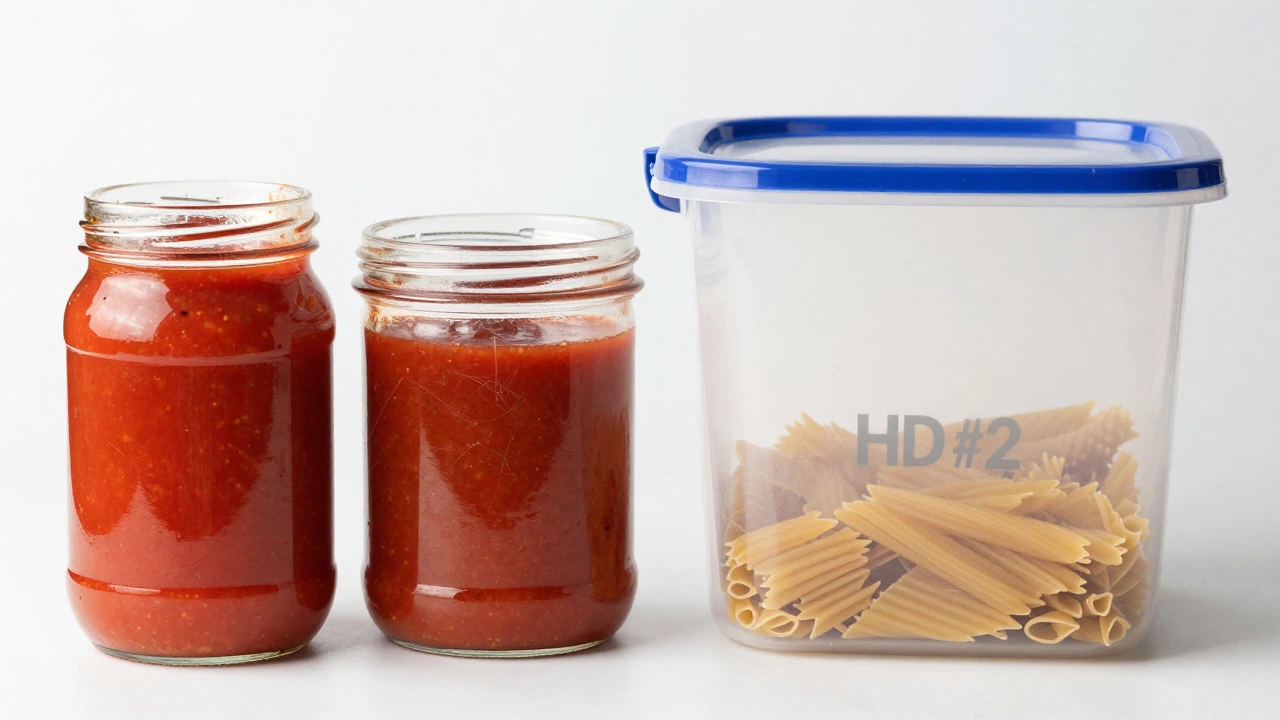
Storing food in plastic requires more care than storing toys. The biggest risk isn't usually immediate toxicity, but rather the slow migration of chemicals into fatty or acidic foods. Think about storing tomato sauce, lemon juice, or butter in a flimsy plastic tub. Over time, these substances can interact with the plastic matrix.
To keep your food safe, follow these simple rules:
- Avoid Heat: Never put plastic containers in the dishwasher unless they are labeled "Dishwasher Safe." High heat warps the plastic and increases the rate at which chemicals leach out. Hand wash them with warm, soapy water instead.
- Don't Microwave Unknown Plastics: Even if a container looks sturdy, microwaving can melt micro-particles into your food. Glass or ceramic is always better for reheating. If you must use plastic, ensure it is marked "Microwave Safe" and remove the lid to prevent pressure buildup.
- Replace Scratched Containers: Have you noticed those cloudy, scratched-up Tupperware bins from ten years ago? Those scratches harbor bacteria that soap can't reach. More importantly, damaged plastic degrades faster and is more likely to leach chemicals. When a container looks worn, toss it.
- Use for Short-Term Only: Plastic is great for leftovers you will eat in two days. For long-term storage of grains, nuts, or dried fruits, glass jars or metal tins are superior because they are completely inert.
Non-Food Storage: Clothes, Documents, and Crafts
When you move away from food, the rules change slightly. You aren't worried about ingestion, but you are worried about preservation. Will your wool sweaters smell like plastic after five years? Will your old documents stick together?
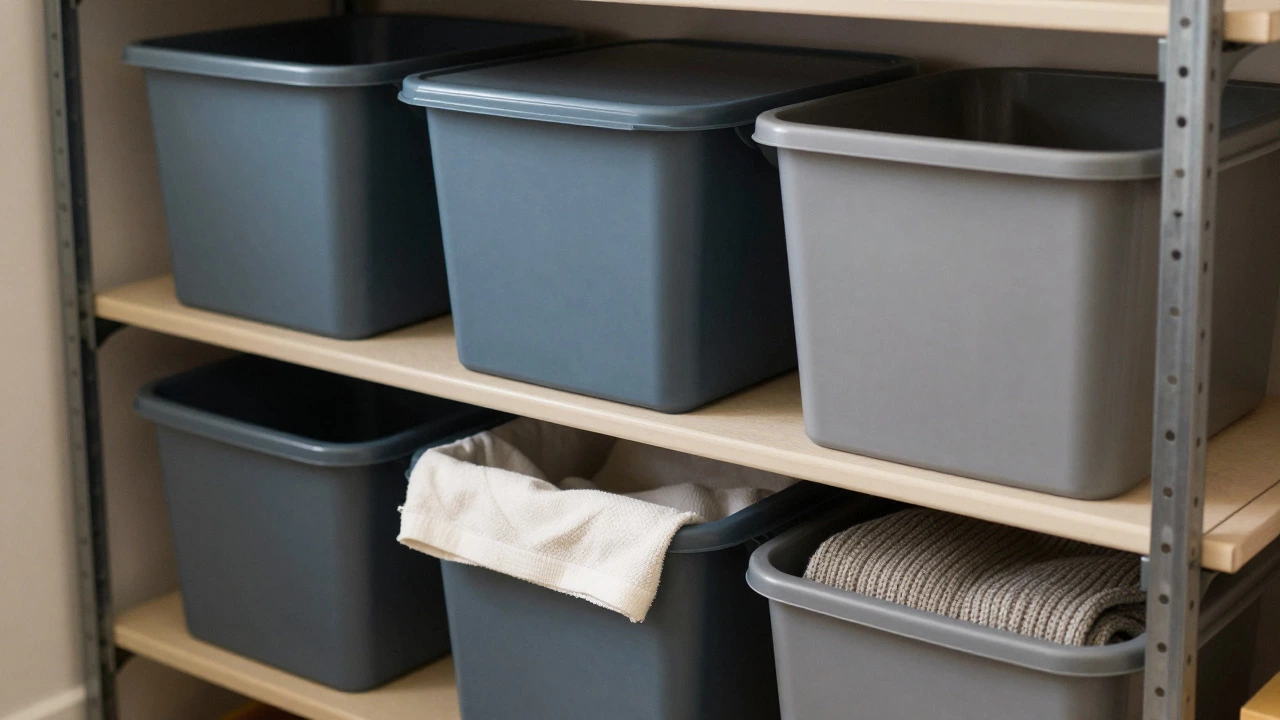
For clothing, avoid using plastic bags directly against natural fibers like silk or wool. These fabrics need to breathe. Trapping moisture in a sealed plastic bag can lead to mold or mildew, ruining the garment. Instead, use breathable cotton storage bags or place the clothes in large, ventilated plastic bins with the lid slightly ajar, or use bins designed with air vents.
For documents and photos, humidity is the enemy. Plastic bins are excellent here because they block moisture from the outside air. Just ensure the items are dry before sealing them. Avoid PVC (#3) bins for archival purposes, as the plasticizers in PVC can off-gas and damage paper over time. Stick to HDPE (#2) bins for archives.
Craft supplies like yarn or paintbrushes are also sensitive. Yarn can absorb odors from the container. If you store yarn in plastic, line the bin with acid-free tissue paper or a cotton sheet to create a barrier between the fiber and the plastic walls.
Environmental Impact and Longevity
Let’s talk about the planet. Plastic containers are convenient, but they are made from fossil fuels. When they eventually end up in a landfill, they take hundreds of years to decompose. If you are trying to reduce waste, consider the lifecycle of the container.
Buy fewer, higher-quality containers. Cheap, thin plastic breaks easily and ends up in the trash quickly. Investing in thick-walled, stackable bins made from recycled HDPE means you buy them once and use them for years. Also, check if your local council accepts rigid plastics for recycling. In many parts of the UK, including Birmingham, rigid plastics like buckets and bins are often recyclable, whereas soft plastics like bags are not.
If you want to go zero-waste, start swapping out plastic for glass or stainless steel for food storage. For dry goods, cardboard boxes are biodegradable and compostable, though they lack the durability of plastic for heavy items.
Signs It’s Time to Throw Away Your Plastic Container
Even the best plastic has an expiration date. How do you know when to let go? Look for these red flags:
- Cloudiness: If a once-clear container has turned milky or opaque, the polymer structure is breaking down. It’s no longer effective at keeping contents fresh.
- Persistent Odors: If a bin smells like fish or garlic even after washing and baking soda treatment, the plastic has absorbed the odor molecules deep into its pores. It will transfer that smell to whatever you put in next.
- Cracks or Warping: Structural integrity is key. A cracked seal lets pests and moisture in. A warped lid won’t close properly, defeating the purpose of storage.
- Fading Colors: UV light degrades plastic. If outdoor bins have faded significantly, they are becoming brittle and prone to shattering.
Best Practices for Everyday Use
To get the most out of your storage furniture and containers, adopt a few good habits. First, label everything. It sounds obvious, but knowing what is inside prevents you from opening containers unnecessarily, reducing wear and tear. Second, stack wisely. Heavier items go on the bottom. Don’t overload a bin beyond its weight limit, as this can cause the base to crack under pressure.
Finally, keep them out of direct sunlight. Whether in the garage or the pantry, UV rays break down plastic polymers. If you must store bins in a sunny room, cover them with a cloth or choose opaque colors which tend to resist UV degradation better than clear plastics.
Are plastic containers safe for long-term food storage?
Generally, yes, if you use HDPE (#2) or PP (#5) plastics. However, for very long-term storage (months or years), glass or metal is preferred because plastic can slowly permeate gases and odors over time, potentially affecting food quality.
Can I microwave plastic containers?
Only if they are explicitly labeled "Microwave Safe." Most safe options are Polypropylene (#5). Remove the lid before heating to allow steam to escape. Avoid microwaving old, scratched, or unknown plastic types.
How do I know if my plastic container contains BPA?
Look for the "BPA Free" label on the packaging or the container itself. Polycarbonate plastics (often marked as #7) historically contained BPA. HDPE (#2) and PP (#5) typically do not contain BPA.
Should I store clothes in plastic bins?
Yes, but with caution. Ensure the clothes are completely dry to prevent mold. For delicate natural fibers like silk or wool, line the bin with acid-free tissue or use breathable fabric bags inside the plastic bin to allow airflow.
Are clear plastic bins better than colored ones?
Clear bins are convenient for visibility but degrade faster due to UV exposure. Colored or opaque bins protect contents from light and tend to last longer if stored in areas with sunlight. Choose based on whether you prioritize easy identification or longevity.
Write a comment