
Storage Protection Advisor
Answer these questions to find out if mothballs are right for you, or if a better alternative exists.
Your Best Strategy:
--Why this choice?
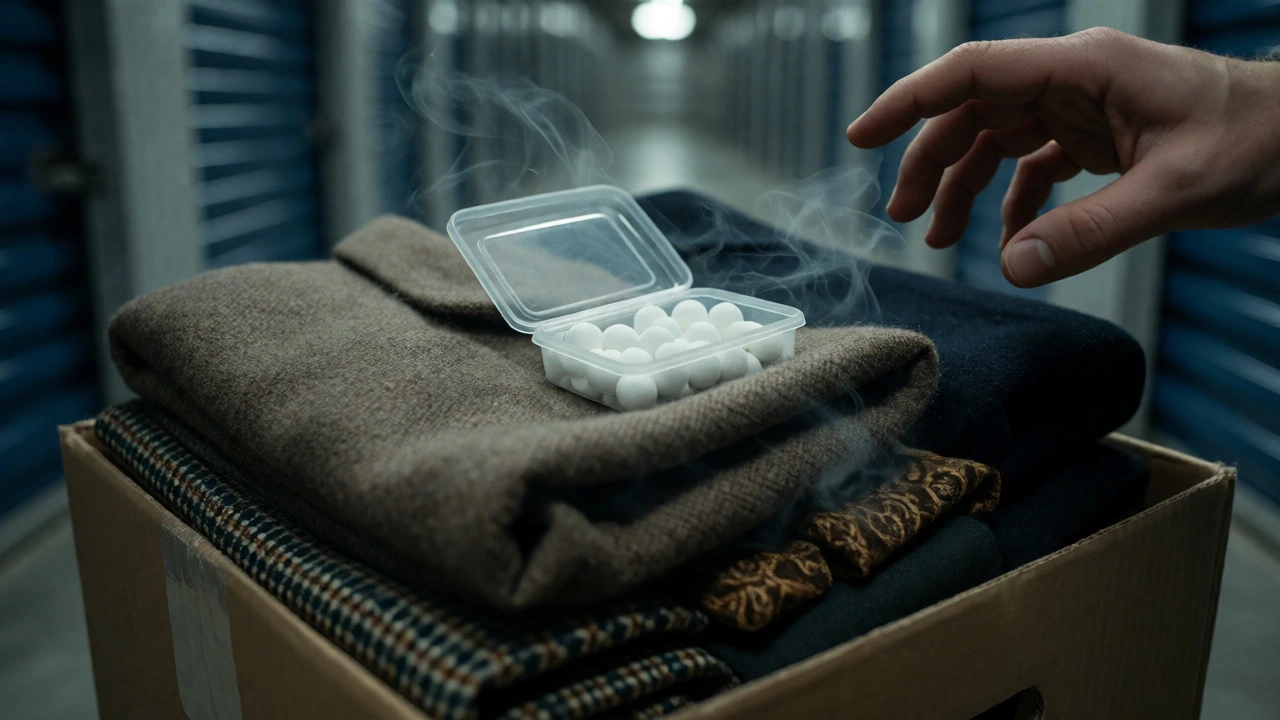
You’ve just rented a climate-controlled storage unit, packed your winter coats and vintage dresses, and you’re ready to lock the door. But before you walk away, you’re staring at that box of mothballs on the shelf, wondering if they’ll actually save your wardrobe or just make everything smell like a grandmother’s attic. It’s a common dilemma, especially here in the UK where damp winters can turn a neglected corner into a breeding ground for pests.
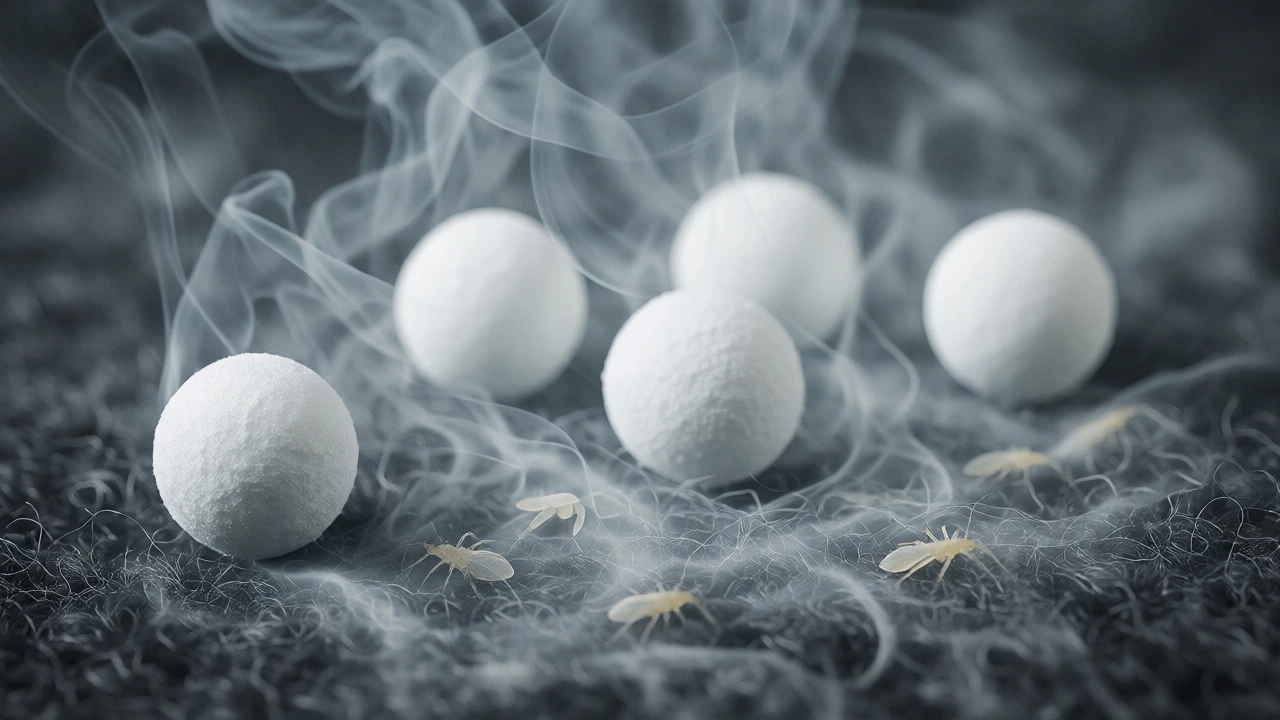
The short answer? Mothballs are effective at killing clothes moths, but they come with significant drawbacks that often outweigh the benefits for modern storage needs. They work by sublimating-turning directly from a solid into a toxic gas-that suffocates larvae. However, this process requires an airtight seal to be effective, which is rarely achievable in a standard self-storage environment. If you toss them loosely onto a pile of blankets, you’re mostly just creating a strong odor without fully protecting your items.
How Mothballs Actually Work (And Why Most People Use Them Wrong)
To understand whether mothballs belong in your unit, you need to know what they are. Traditional mothballs contain either naphthalene or paradichlorobenzene. These chemicals don’t just sit there; they release vapors that are lethal to the larval stage of the clothes moth, the only stage that actually eats fabric. The adult moth doesn’t eat anything; it just lays eggs.
Here is the critical catch: for these vapors to reach a concentration high enough to kill the larvae, the space must be completely sealed. Think of it like fumigating a room. If air circulates freely through your storage unit-as it does in most non-airtight metal boxes-the chemical dissipates too quickly. You end up with a faint smell and unprotected wool. To make them work properly, you’d need to wrap every single item in plastic sheeting or place them inside large, heavy-duty plastic bins with tight lids, adding several mothballs per bin. This method is labor-intensive and messy.
| Method | Effectiveness Against Larvae | Scent Residue | Safety Concerns | Best For |
|---|---|---|---|---|
| Mothballs (Naphthalene) | High (if airtight) | Strong, persistent | Toxic; flammable; harmful to pets/kids | Sealed bins, not open units |
| Cedar Blocks/Chips | Low/Moderate | Pleasant, natural | Safe; may stain light fabrics | Wardrobes, small drawers |
| Dried Lavender | Low (repellent only) | Fresh, floral | Safe | Light deterrence, scent masking |
| Vacuum Sealing | High (physical barrier) | None | Safe; risk of creasing delicate items | Seasonal clothing, bedding |
| Freezing Items | High (kills all stages) | None | Safe; requires freezer space | Pre-storage treatment |
The Smell Problem: Is It Worth the Hassle?
Let’s talk about the smell. Naphthalene has a distinct, pungent odor that clings to fibers. Unlike lavender, which fades after a few weeks, mothball residue can linger for months. If you store a cashmere sweater in a bin with mothballs, you might have to wash it twice or dry-clean it before you can wear it again. In a shared storage facility, this smell can sometimes permeate thin walls or neighboring units if ventilation is poor, leading to complaints from other tenants.
Moreover, the scent doesn’t necessarily mean the moths are dead. It’s possible to have a low-level exposure that repels adults but fails to kill hidden larvae deep within a thick wool coat. You might open your unit six months later, expecting pristine condition, only to find small holes in your favorite jumper because the vapor concentration dropped below the lethal threshold during temperature fluctuations.
Better Alternatives for Your Storage Unit
If you want to protect your belongings without turning your storage unit into a chemical chamber, consider these more reliable strategies. First, cleanliness is your best defense. Moths are attracted to human sweat, food stains, and body oils left on fabrics. Before packing anything, ensure it is freshly laundered or dry-cleaned. A clean garment is far less attractive to pests than one with invisible traces of dinner leftovers.
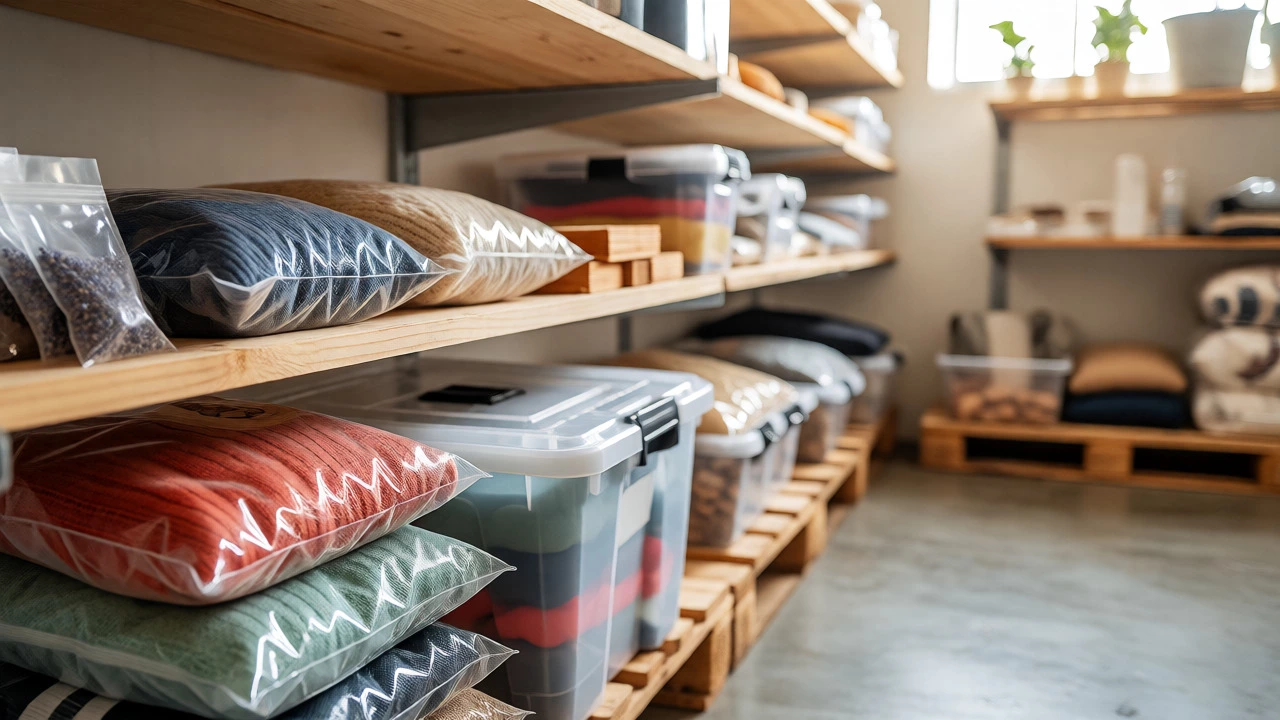
Second, physical barriers beat chemical ones. Vacuum-sealed bags are incredibly effective. By removing the air, you create an environment where moths cannot survive or lay eggs. Plus, you save massive amounts of space. Just be careful with down feathers or very delicate silks, as the compression can damage their structure over long periods. For those items, use sturdy cardboard boxes with tape sealing all seams. Moths can chew through thin plastic bags, so double-bagging or using rigid containers is smarter.
Third, consider natural repellents as a supplementary measure. Cedar wood contains thujone, a natural insecticide, but its potency fades quickly. To keep cedar effective, sand the blocks lightly every few months to refresh the oil surface. Place them near the top of your stacks, as the scent rises. Lavender sachets also help, though they primarily act as a deterrent rather than a killer. They won’t stop an infestation, but they might discourage new arrivals.
Safety First: Who Should Avoid Mothballs?
If you have young children, pregnant women, or pets visiting your storage unit-or if you plan to bring items home shortly after retrieval-be cautious. Naphthalene is classified as a possible human carcinogen. While occasional exposure isn’t fatal, chronic inhalation of high concentrations can cause headaches, nausea, and respiratory irritation. In the UK, regulations around naphthalene have tightened due to health concerns, making some people hesitant to use them in enclosed living spaces adjacent to storage areas.
Also, never place mothballs directly against colored fabrics. The chemicals can react with dyes, causing discoloration or yellowing, especially on white or pastel items. Always wrap them in tissue paper or place them in a mesh bag before putting them in a container. And absolutely do not mix different types of mothballs; naphthalene and paradichlorobenzene should not be used together as they can interact unpredictably.
A Practical Checklist for Storing Clothes
- Clean Everything: Wash or dry-clean all items before packing. Moths seek out organic residues.
- Use Rigid Containers: Plastic bins with latching lids are superior to cardboard, which moths can eat through.
- Seal Gaps: Tape any cracks or vents in your storage unit if possible, or use weather stripping on the door frame.
- Elevate Boxes: Keep items off the concrete floor using pallets or shelving to prevent moisture wicking, which encourages mold and attracts pests.
- Inspect Regularly: Visit your unit every three months. Look for webbing, casings, or live insects. Early detection prevents total loss.
- Consider Climate Control: In humid climates like Birmingham, dehumidifiers or silica gel packs help reduce the dampness that moths love.
When Mothballs Might Still Be Okay
Despite the downsides, mothballs aren’t entirely useless. If you are storing heavy, durable items like army surplus wool blankets or industrial canvas tents in a completely sealed, non-living-space container, they can provide peace of mind. The key is containment. If you can guarantee an airtight seal and you don’t mind airing out the items for several days before use, they remain a potent tool. But for everyday household goods, suits, or sentimental garments, the hassle and health risks usually make them a poor choice compared to vacuum sealing and thorough cleaning.
Ultimately, the state of your stored clothes depends more on preparation than on magic pills. Spend twenty minutes washing and folding correctly, and you’ll likely skip the headache of scrubbing out that medicinal smell later. If you do choose mothballs, use them sparingly, keep them contained, and prioritize ventilation when retrieving your items.
Do mothballs expire?
Yes, mothballs lose effectiveness over time as they sublimate. Once they shrink significantly or disappear, they no longer emit enough vapor to kill pests. Check them periodically and replace them if they are smaller than half their original size.
Can I use cedar instead of mothballs in my storage unit?
Cedar is a safer alternative but less potent. It repels moths rather than killing them effectively. For best results, combine cedar blocks with sealed containers. Note that cedar scent fades, so you need to sand the wood occasionally to reactivate the oils.
Will mothballs damage plastic storage bins?
Generally, no, but the strong odor can absorb into porous plastics. If you plan to reuse the bins for food storage later, avoid using mothballs in them. For general household storage, it’s fine, but ensure the bins are well-ventilated before reuse.
What happens if I touch a mothball?
Brief contact is usually harmless, but wash your hands thoroughly afterward. Naphthalene can irritate skin. Avoid touching your face or eyes after handling them, and keep them out of reach of children and pets who might mistake them for candy.
Are there eco-friendly alternatives to mothballs?
Yes. Freezing items for 72 hours kills all life stages of moths. Diatomaceous earth can be sprinkled in corners (though it’s messy). Essential oils like eucalyptus or rosemary offer mild repellency. Vacuum sealing remains the most effective non-chemical method.
Write a comment