
Corner Sofa Layout Advisor
Find the perfect spot for your L-shaped or U-shaped sofa. Answer a few questions about your space to get tailored advice.
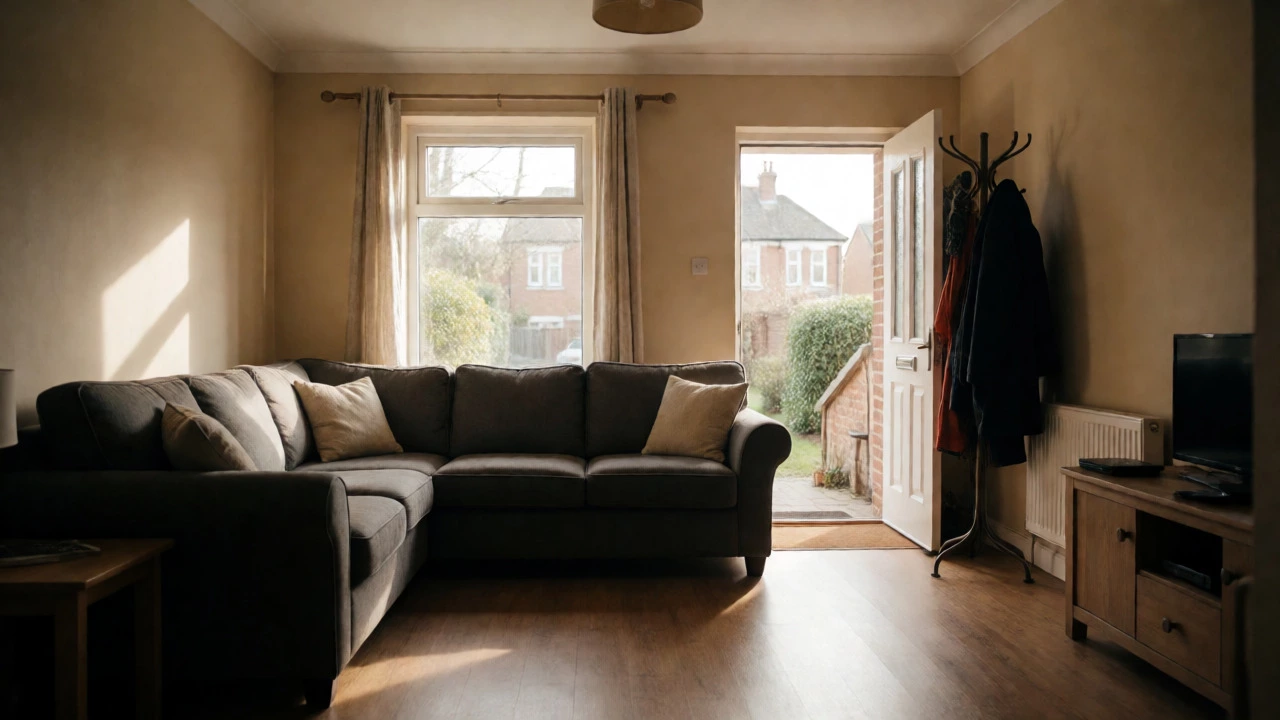
You walk into your living room, and something feels off. The corner sofa is there, big and comfortable, but it’s staring blankly at a wall or, worse, directly at the front door like a guard dog on duty. You’re not imagining it-there’s a reason interior designers and Feng Shui experts constantly debate this specific question: should my couch face the front door?
The short answer? Usually, no. But the long answer depends entirely on your room’s shape, how you use the space, and whether you prioritize energy flow or conversation. Let’s break down why pointing that L-shaped beast straight at the entryway might be killing your vibe, and where you should actually put it.
The "Command Position" Myth vs. Reality
In Feng Shui, there’s a concept called the "command position." Ideally, you want to see the door without being directly in line with it. This gives you a sense of security and control over the space. For many people, this leads to the assumption that the sofa must face the door head-on. But here’s the catch: direct alignment creates what practitioners call a "rushing qi" effect. Energy (or just awkward drafty air) rushes straight from the door onto the occupants, leaving no room for it to circulate gently.
If your corner sofa faces the door directly, you’re essentially sitting in the firing line. Every time someone enters, they have to navigate around your legs or shout across the room. It disrupts the natural flow. Instead of a welcoming lounge, it becomes an obstacle course. The goal isn’t to hide; it’s to create a welcoming buffer zone. You want to see who’s coming, but you don’t want to feel exposed the second the handle turns.
Why Corner Sofas Change the Rules
A standard two-seater has simple geometry. A corner sofa, also known as a sectional, is a different beast entirely. Its L-shape or U-shape dictates traffic patterns much more aggressively. If you place a large corner unit facing the front door, you often block the main thoroughfare of the house. Think about it: if the chaise section sticks out toward the hallway, anyone walking past has to squeeze between the sofa and the wall.
This is especially true in smaller UK homes where hallways open directly into living rooms. I’ve seen countless layouts in Birmingham terraces where the sectional is shoved against the back wall, facing the door, purely because the TV is mounted there. It looks tidy on paper, but in practice, it makes the room feel cramped and hostile. The sheer volume of a corner sofa demands breathing room. Facing the door eliminates that buffer.
Better Alternatives to Direct Facing
So, if facing the door is a no-go, what do you do? Here are three proven strategies that work better than the default "straight on" approach.
- The Diagonal Angle: Pull the sofa away from the wall and angle it slightly so it’s not perpendicular to the door. This breaks the direct line of sight while still allowing you to see who enters. It feels more relaxed and invites conversation rather than confrontation.
- The Side-On Approach: Position the longest side of the corner sofa parallel to the front door. This creates a clear path through the center of the room. You’ll need to adjust your TV viewing angle, perhaps using a swivel mount, but the social dynamic improves instantly. Guests can enter without disrupting the seated group.
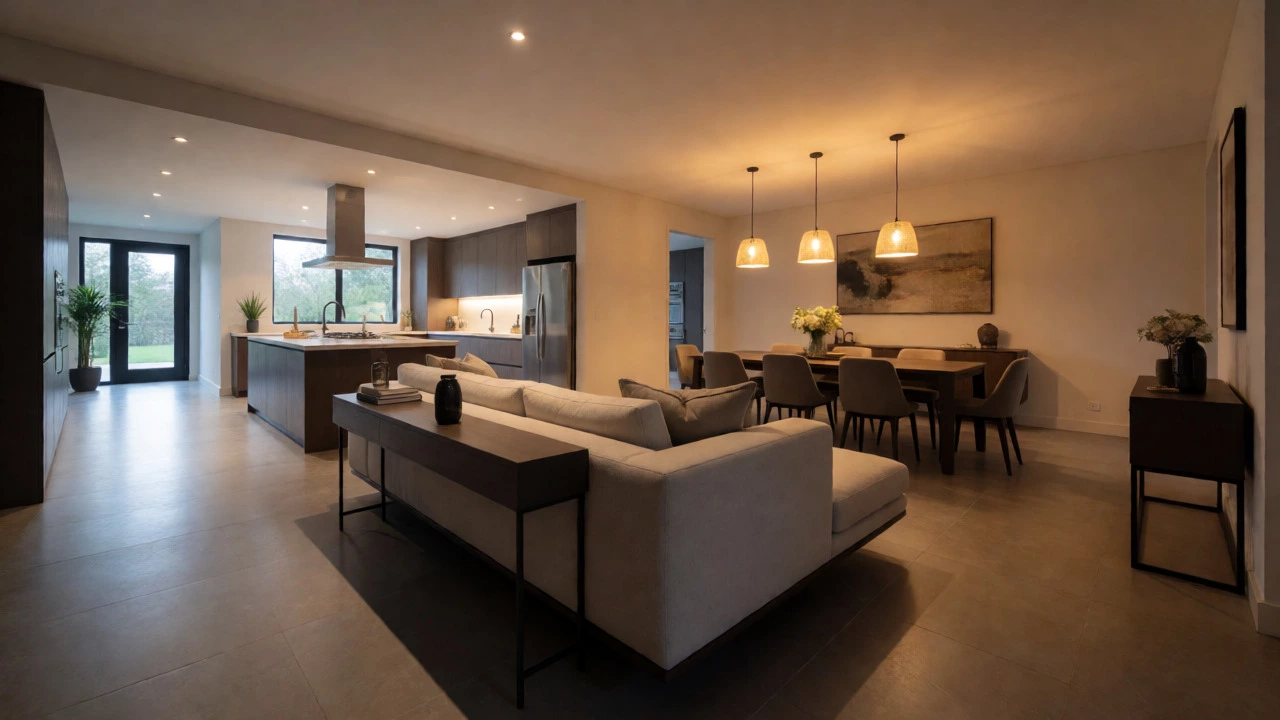
- The Anchored Island: If you have enough space, float the sofa in the middle of the room, backed by a console table. This defines the living area separately from the entrance zone. It’s luxurious, but it requires square footage. If your room is under 15 square meters, skip this one.
Practical Layout Scenarios
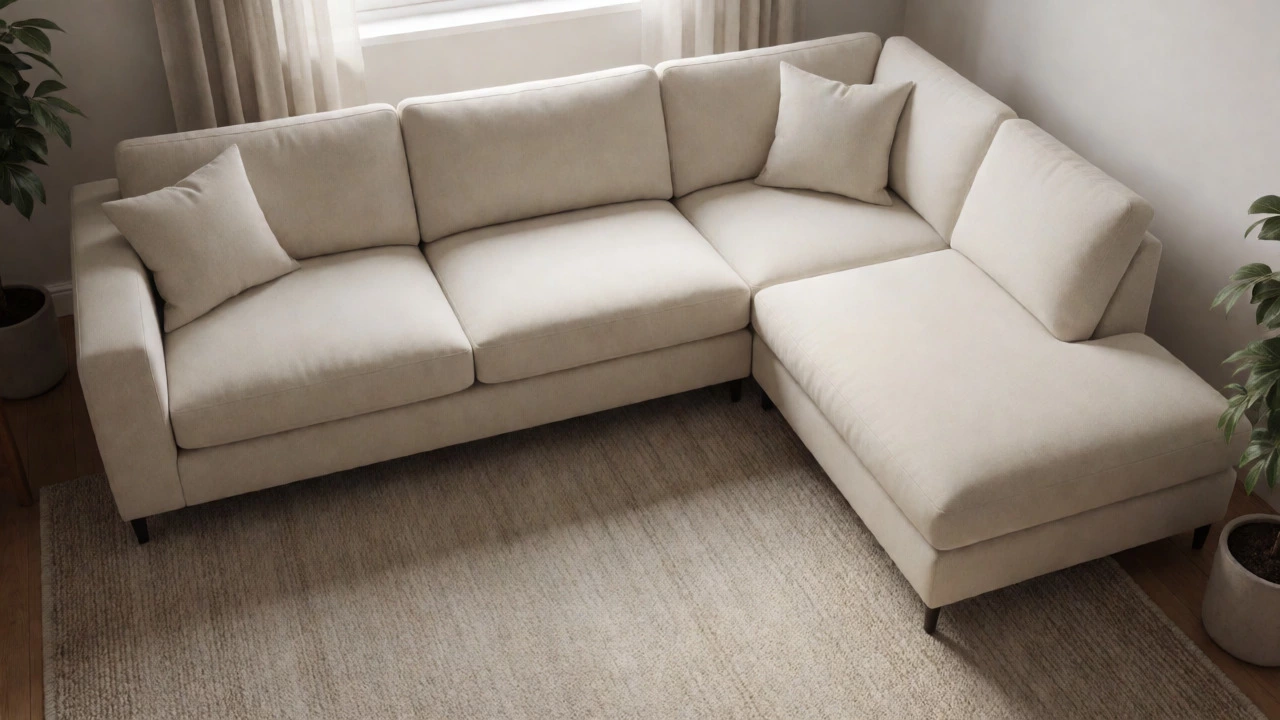
Let’s look at real-world scenarios. Imagine you have a rectangular living room with the front door on the short end. Placing the corner sofa against the long wall, facing the opposite long wall (where the window usually is), is often the best bet. The door is to your side. You see people enter, but you aren’t blocking them. This setup works brilliantly for families because it keeps the central floor space open for kids or pets.
Now, consider an open-plan kitchen-diner-living area. Here, the "front door" view might be distant. In this case, orienting the sofa toward the kitchen island or dining table creates a cohesive social hub. Facing the actual front door would mean turning your back on the rest of the household activity, which feels isolating. Always prioritize internal connection over external visibility in open spaces.
| Placement Strategy | Pros | Cons | Best For |
|---|---|---|---|
| Facing Front Door | Clear sightline; traditional command position | Blocks traffic; harsh energy flow; feels exposed | Very small rooms with no other walls |
| Parallel to Door | Open pathway; less disruptive | Might require TV adjustment; less cozy | Narrow rectangular rooms |
| Angled/Diagonal | Balances visibility and privacy; modern look | Harder to anchor rugs; takes up diagonal space | Square or irregular shaped rooms |
| Toward Window/Kitchen | Great light; social integration | Glare on TV; back to door | Open-plan homes |
Lighting and Sightlines Matter More Than Direction
Here’s a secret nobody tells you: the direction of the sofa matters less than what you’re looking at. If your corner sofa faces the front door, but there’s a beautiful piece of art or a plant right behind the entrant’s head, it’s distracting. Conversely, if it faces a blank wall, it feels dead.
Try this test: Sit on your sofa. What do you see? Is it a chaotic pile of coats near the door? Or is it a calm focal point? If the view is messy, fix the mess before moving the furniture. Often, adding a slim console table behind the sofa (if it’s floating) or hanging a mirror opposite the door can deflect negative attention. Mirrors bounce light and visually expand the space, making the "back to door" feeling less claustrophobic.
Common Mistakes to Avoid
Don’t let the radiator dictate your layout. In older British homes, radiators are often under windows. Pushing the sofa all the way back to get heat means losing floor space. Use a radiator shelf or move the sofa six inches forward. That tiny gap makes a huge difference in cleaning ease and visual depth.
Also, ignore the urge to fill every corner. Corner sofas are bulky. If you push them into a tight corner facing the door, you create a dark, cave-like atmosphere. Pull it out. Let the light hit the cushions. Your guests will thank you when they don’t trip over the footstool trying to reach the bathroom.
When Facing the Door Actually Works
I’m not saying never do it. There are exceptions. If your living room is very small (under 10 square meters), you might not have a choice. In these cases, use a low-profile corner sofa. High backs block sightlines; low backs allow energy to pass over. Also, if the front door opens into a vestibule or porch, and the living room is separated by a curtain or screen, facing the door is fine because the transition zone absorbs the initial rush.
Another exception: media rooms. If the primary function is watching TV, and the TV is on the wall opposite the door, then yes, face the door. Just ensure the seating is angled slightly inward so conversation doesn’t require shouting across a wide aisle.
Final Thoughts on Flow
Your home should feel intuitive, not forced. If you constantly feel like you need to stand up when someone walks in, your layout is wrong. The perfect spot for your corner sofa balances visibility with comfort. It allows the door to remain a portal, not a barrier. Experiment with angles. Move the rug. Test the sightlines. Once you find the balance, you’ll wonder why you ever stared down the doorway in the first place.
Is it bad luck to have a sofa facing the front door?
In Feng Shui, direct alignment is often considered unfavorable because it allows energy to rush out too quickly, potentially causing financial or emotional drain. However, practicality trumps superstition. If the layout works for your daily life and traffic flow, it’s acceptable. To mitigate any perceived issues, add a rug or coffee table to slow down the energy flow between the door and the seat.
Where should I put my corner sofa in a small living room?
In small rooms, avoid pushing the sofa fully against the wall if it blocks the door path. Try placing the chaise end along the longest wall, with the back to the shorter wall. This keeps the central floor area open. If possible, choose a reversible corner sofa so you can switch the chaise side depending on which orientation offers better clearance from the front door.
How far should a sofa be from the front door?
Aim for at least 3 feet (approx. 1 meter) of clearance between the sofa and any high-traffic path leading from the door. This ensures people can walk past without brushing against the fabric. If the room is tight, prioritize a narrow walkway over maximum seating width, or opt for armless modular pieces that can be tucked away.
Does the TV placement affect whether the sofa faces the door?
Yes, significantly. Most people prioritize TV viewing over Feng Shui rules. If the TV is on the wall opposite the door, the sofa will naturally face the door. To improve this, angle the sofa slightly or use a swivel TV mount. This allows you to watch comfortably while maintaining a less confrontational angle relative to the entrance.
Can I use a console table to help with sofa placement?
Absolutely. A slim console table placed behind a floating sofa helps define the boundary between the living area and the entrance. It prevents the sofa from feeling "unanchored" and provides a surface for lamps or decor, which draws the eye away from the direct line of sight to the door.
Write a comment