
Wall & Couch Contrast Visualizer
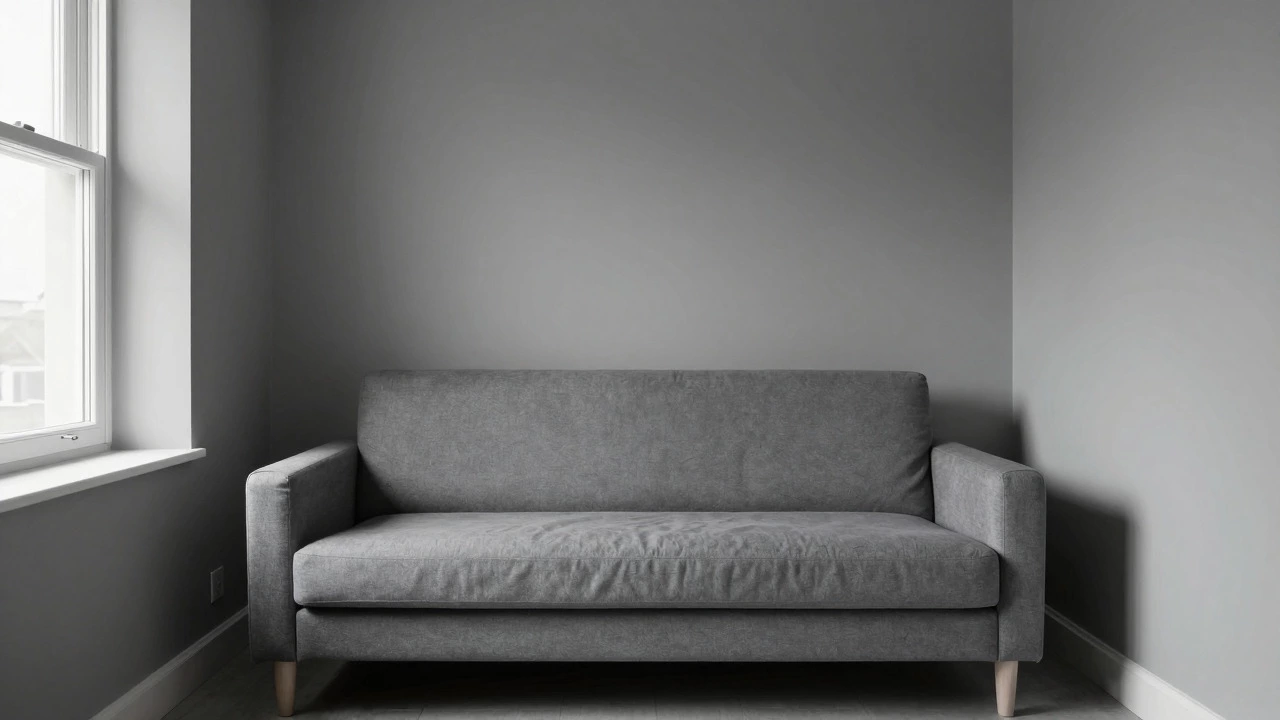
Walk into a room where the walls and sofa are exactly the same shade of grey. What do you see? Probably nothing distinct. The furniture blends into the background, making the space feel flat and undefined. This is the core problem most homeowners face when picking paint: wall color selection relative to your largest piece of furniture.
The answer isn't one-size-fits-all. It depends on whether you want the room to feel cozy and intimate or expansive and airy. But there is a golden rule that designers swear by: contrast creates depth. If your walls are lighter than your couch, the room feels open. If they are darker, the room feels grounded. Let's break down how to get this right without guessing.
Why Contrast Matters More Than Color Family
Many people think they need to match colors perfectly. They buy beige paint for their beige sofa. This is a mistake. Matching tones too closely eliminates visual separation. Your eye needs a clear boundary between the architecture (walls) and the objects (furniture).
Think of it like photography. If the subject and background have the same brightness, the subject disappears. In interior design, your sofa is the subject. The wall is the background. You need a difference in value (lightness or darkness) to make the sofa pop.
- Light walls + Dark couch: Creates an illusion of height and space. Best for small rooms or those with low ceilings.
- Dark walls + Light couch: Creates a dramatic, moody atmosphere. Best for large rooms with good lighting.
- Same tone: Makes the room feel boxy and cramped. Avoid unless using different textures.
When to Choose Lighter Walls
If you live in a compact apartment or a room with limited natural light, lighter walls are your best friend. White, off-white, pale grey, or soft cream walls reflect light. This makes the room feel bigger than it actually is.
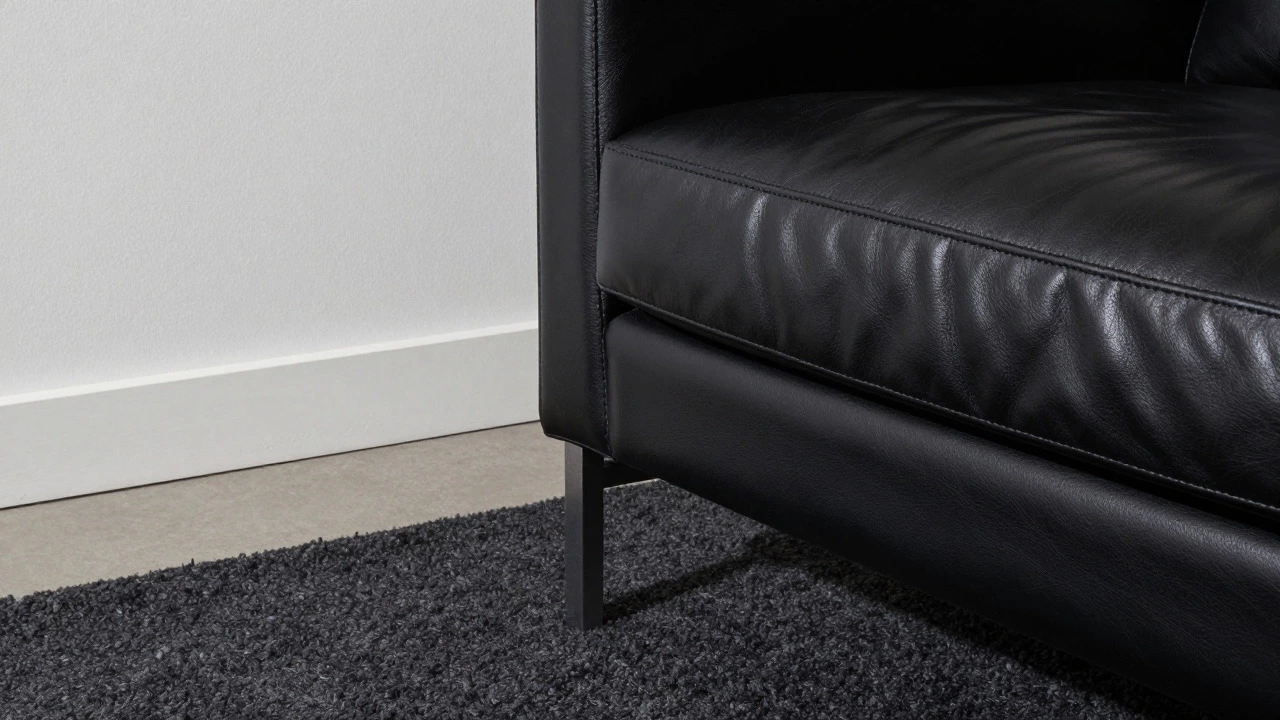
Consider a dark charcoal leather sofa. If you put it against a dark navy wall, the room can feel cave-like. Now, imagine that same sofa against a crisp white wall. The sofa becomes a focal point. The room breathes. This combination works especially well if you have mid-tone wood floors, as it balances the coolness of the white with the warmth of the wood.
This approach is also safer for resale. Neutral light walls appeal to a broader audience. If you plan to sell your home in the next few years, sticking to lighter shades on the walls ensures potential buyers can easily visualize their own furniture in the space.
When to Choose Darker Walls
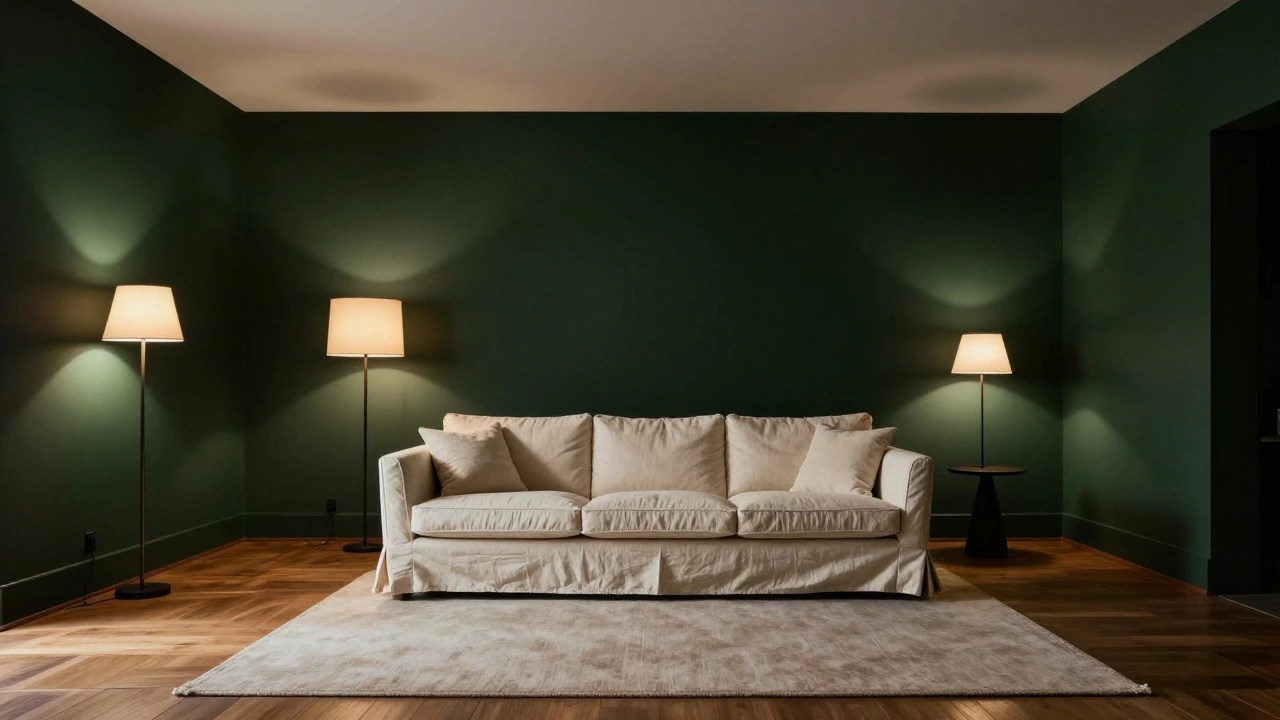
Now, what if you love drama? Dark walls work beautifully if you have a light-colored sofa. Think about a cream linen sofa against deep forest green or slate blue walls. The light fabric stands out sharply against the dark backdrop. This creates a sophisticated, gallery-like feel.
However, this trick only works if you have enough light sources. Without ample artificial lighting, dark walls can swallow the room whole. Use multiple lamps, floor lights, and overhead fixtures to keep the space feeling inviting rather than gloomy.
Dark walls also hide imperfections better than light ones. If your walls have minor cracks or uneven plaster, a darker paint job often conceals these flaws more effectively than bright white, which highlights every blemish.
The Role of Texture and Material
Color isn't the only factor. Texture plays a huge role in how we perceive contrast. A velvet sofa has a different visual weight than a leather one, even if they are the same color. Velvet absorbs light, making it appear darker. Leather reflects light, making it appear brighter.
If you have a textured rug or throw pillows, use them to bridge the gap between the wall and the sofa. For example, if your wall is a medium grey and your sofa is a light grey, add a dark grey rug. This anchors the furniture and prevents the light sofa from floating away from the wall.
| Wall Shade | Couch Shade | Effect | Best For |
|---|---|---|---|
| White/Off-White | Dark Grey/Black | High Contrast, Open Feel | Small Rooms, Modern Styles |
| Deep Navy/Green | Cream/Beige | Dramatic, Cozy | Large Living Rooms, Reading Nooks |
| Medium Grey | Light Grey | Subtle, Monochromatic | Scandinavian, Minimalist |
| Warm Beige | Brown Leather | Earthy, Grounded | Traditional, Rustic |
Common Mistakes to Avoid
One frequent error is ignoring the ceiling. If your walls are dark, your ceiling should usually be white or very light. This keeps the "box" of the room from closing in on you. Another mistake is forgetting about the trim. If your baseboards and window frames are white, they create a border that separates the wall from the floor and windows. This border helps define the room's shape, regardless of the wall color.
Also, be careful with trend-driven colors. While a bold red wall might look great in a magazine photo, it can clash with a neutral sofa in real life. Test paint samples on a small section of the wall. Live with it for a week. See how it looks in morning light versus evening lamp light. Paint dries darker than it appears in the can, so always account for that shift.
Practical Tips for Testing Colors
Before committing to a full coat, follow these steps:
- Buy small sample pots of two or three shades.
- Paint a 2x2 foot square on the wall near your sofa.
- Observe the color at different times of day.
- Check how the color interacts with your flooring and rugs.
- Ask someone else for their opinion. We often become blind to our own choices.
If you are torn between a light and dark option, consider painting half the wall. This split-wall technique allows you to test both effects simultaneously. It’s a low-risk way to see which direction suits your taste and your space.
Frequently Asked Questions
What is the best wall color for a black sofa?
For a black sofa, light walls like white, light grey, or soft blue create the best contrast. This makes the black sofa stand out as a bold statement piece without overwhelming the room. Dark walls can work but require strong lighting to prevent the room from feeling too heavy.
Can I have the same color for my walls and couch?
Yes, but only if the textures are different. For example, a matte painted wall and a glossy leather sofa in the same hue will still show contrast due to light reflection. However, matching flat fabrics and flat paint will make the room look flat and undefined.
Do dark walls make a room look smaller?
Not necessarily. Dark walls can make a room feel cozier and more intimate, which some people prefer. To avoid making a room feel tiny, ensure you have plenty of light sources and keep the ceiling white. This maintains a sense of vertical space.
How do I choose a wall color if I don't know my sofa color yet?
Start with a neutral wall color like warm white or light grey. These shades pair well with almost any furniture color. Once you have your sofa, you can adjust accents through rugs, curtains, and artwork to complement the new piece.
Is it okay to have a colored wall behind the TV instead of the sofa?
Absolutely. Many designers use an accent wall behind the TV or media unit to draw attention to the entertainment center. This leaves the wall behind the sofa neutral, allowing the furniture to remain the primary focus while adding visual interest elsewhere in the room.
Write a comment