
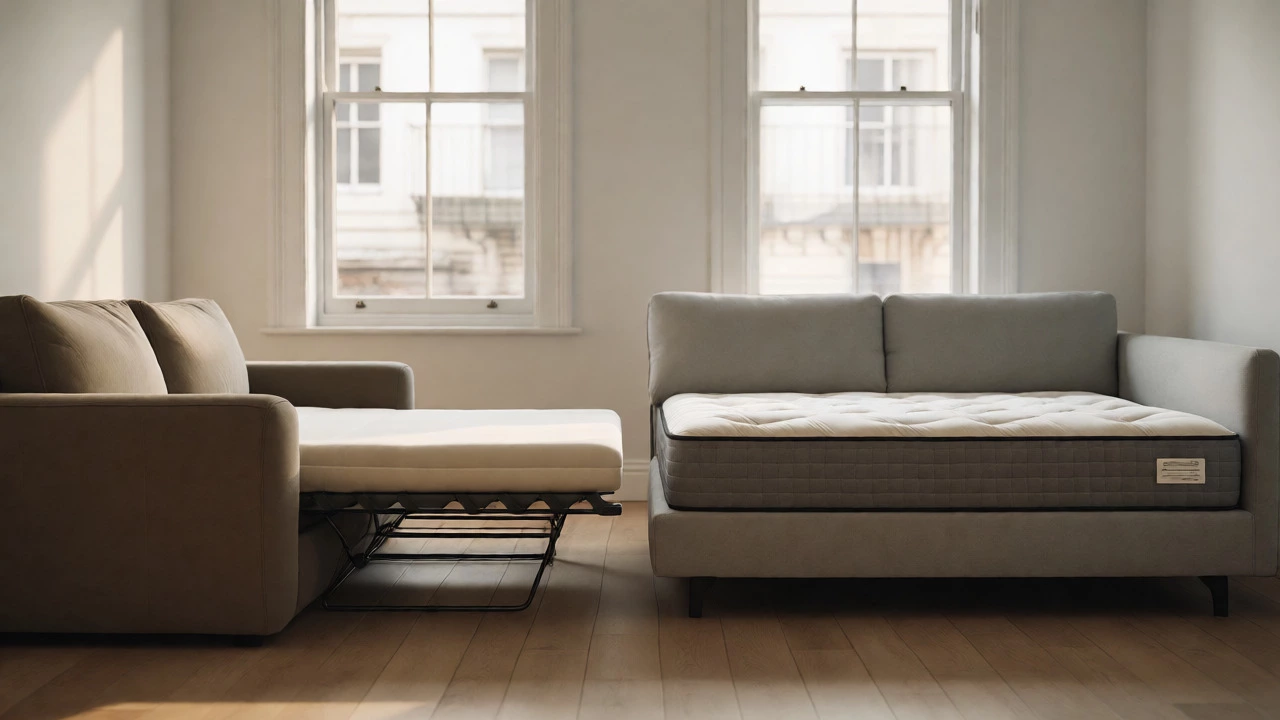
Sofa Bed vs. Sofa Sleeper Selector
Answer these questions to find out which type of convertible furniture is best for your home.
Product Type
Description goes here.
Comfort Level
Durability
Estimated Price Range
£0 - £0
Best For
Usage scenario
Why we chose this for you:
Reasoning details appear here.
| Feature | Traditional Sofa Bed | Modern Sofa Sleeper |
|---|---|---|
| Mechanism | Pull-out rails, Click-clack | Lift-and-lock, Fold-out hybrid |
| Mattress | Thin foam (8-10cm) | Integrated high-density/springs (12-15cm) |
| Durability | Lower (rails bend) | Higher (robust steel frames) |
| Aesthetics | Bulky, visible seams | Slim profile, looks like standard sofa |
You’re standing in a furniture showroom, staring at two identical-looking pieces of upholstery. One tag says sofa bed, the other says sofa sleeper. You scratch your head. Aren’t they just fancy words for the same thing? If you’ve ever felt that confusion, you’re not alone. In the UK, and specifically here in Birmingham where space is at a premium, knowing which one to buy can save you hundreds of pounds and a lot of back pain.
The short answer? They are often used interchangeably by retailers, but there is a technical distinction. It usually comes down to the mechanism inside the frame and how the mattress is stored. Getting this wrong means buying a couch that feels like sleeping on a plank of wood, or worse, a bed that looks like a bulky brick when it’s folded up. Let’s clear up the jargon so you can make a choice that actually fits your living room and your sleep habits.
Key Takeaways
- Mechanism: Traditional sofa beds often use a pull-out metal frame with a thin mattress; sofa sleepers frequently use fold-out mechanisms with thicker, integrated mattresses.
- Comfort: Sofa sleepers generally offer better comfort for regular guests due to higher-density foam or hybrid mattresses.
- Durability: Simple click-clack mechanisms (often called sofa beds) are prone to breaking under heavy weight compared to robust steel-frame sleepers.
- Aesthetics: Modern sofa sleepers are designed to look like standard sofas; older sofa bed designs often have visible gaps or bulky armrests.
The Mechanism Matters Most
When you strip away the marketing fluff, the difference between these two items lies in what happens when you try to turn them into a bed. This is the heart of the matter. The way the furniture transitions from sitting to sleeping dictates its lifespan, comfort level, and price tag.
Traditionally, a Sofa Bed is a piece of upholstered furniture that converts into a bed using a pull-out frame and a separate, often thinner, mattress. Think of the classic "click-clack" or simple pull-out styles found in budget-friendly IKEA-style units. These rely on a metal frame that slides out from under the seat cushions. The mattress is usually a thin layer of polyurethane foam-maybe 8cm to 10cm thick-wrapped in fabric. It’s lightweight, easy to deploy, and cheap to manufacture. But here’s the catch: you’re sleeping on a slab of dense foam over a metal grid. It’s fine for a teenager crashing after a party, but if your parents are visiting for a week, their backs will let you know about it by day three.
In contrast, a Sofa Sleeper is an advanced convertible sofa that typically features a built-in, high-quality mattress mechanism, such as a lift-and-lock system, allowing for a more comfortable and durable sleeping surface. The term "sleeper" has evolved to imply a higher grade of construction. Many modern sleepers use a "lift-and-lock" mechanism. You lift the front edge of the seat, and the entire frame rises and locks into place, creating a flat surface without needing to pull anything out. The mattress is part of the seat cushion itself or folds neatly within the structure. Because the mechanism bears less stress than a sliding rail system, these frames tend to last longer. More importantly, because the mattress doesn’t need to be thin enough to slide under a seat, it can be 12cm to 15cm thick, offering genuine support.
Comfort and Mattress Quality
Let’s talk about sleep quality, because that’s why you’re buying this in the first place. If you plan to use this furniture daily or weekly, comfort is non-negotiable. If it’s only for once-a-year holidays, maybe it matters less.
Most standard sofa beds suffer from what I call the "bar feeling." When you lie down, you feel the horizontal support bars beneath the thin mattress. It’s uncomfortable. To combat this, some manufacturers add a memory foam topper, but that adds bulk and heat. A true sofa sleeper, particularly those with hybrid mechanisms, integrates pocket springs or high-resilience foam directly into the folding mattress. This allows for better weight distribution. Your hips sink in slightly while your shoulders stay supported. It’s closer to sleeping on a proper bed than on a camping mat.
Consider the size, too. A typical double sofa bed might measure 140cm wide, which is tight for two adults. A good sofa sleeper often maximizes the internal width of the frame, sometimes reaching 150cm or even 160cm for a "king-size" sleeper, though true king sizes are rare in compact designs. Always check the internal dimensions, not just the external footprint. Retailers love to list the external width, which includes the arms, making the bed sound bigger than it is.
Durability and Longevity
Here in the UK, we expect our furniture to last. We don’t want to replace the sofa every two years. The durability of these two types differs significantly based on the engineering involved.
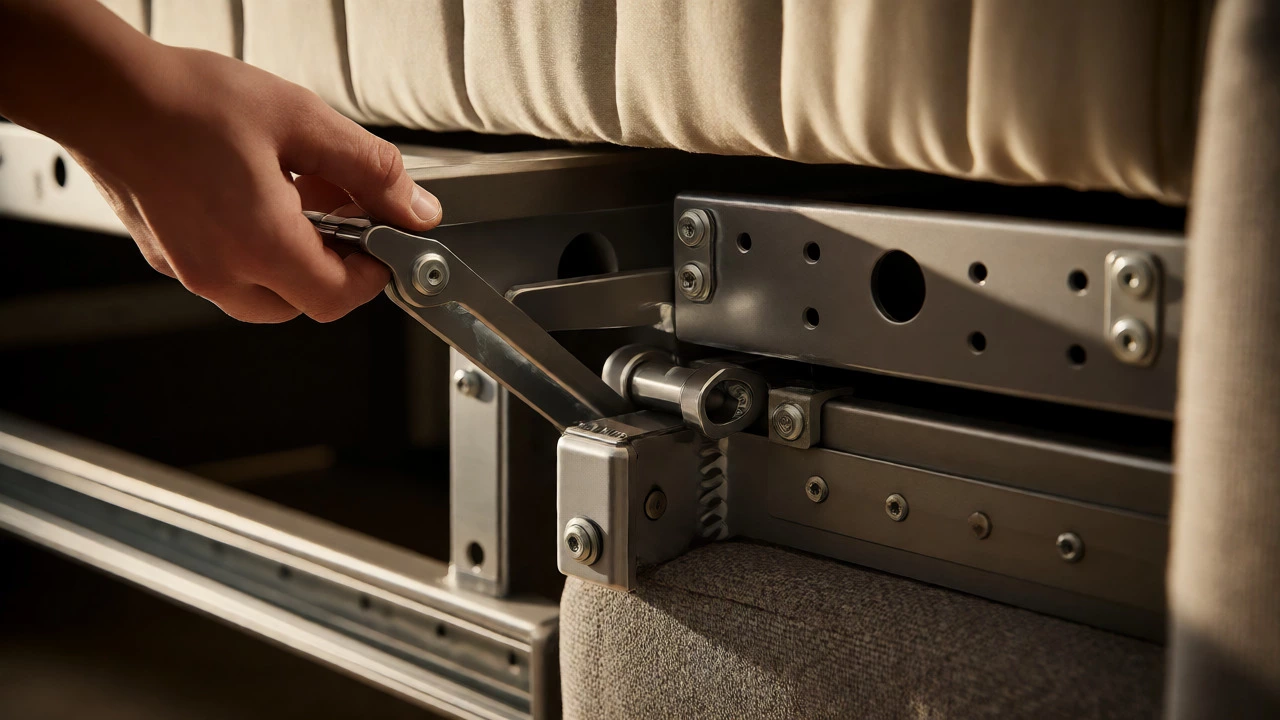
Pull-out sofa beds rely on rails and wheels. Over time, these rails bend, the wheels jam, and the fabric gets caught in the mechanism. If you have pets or children who jump on the sofa, the stress on the pull-out frame increases dramatically. Once the frame bends, the mattress won’t sit flat, and you’ll wake up with a crick in your neck. Repairing these mechanisms is often impossible; you end up replacing the whole unit.
Sofa sleepers with lift-and-lock or click-knock mechanisms have fewer moving parts subject to wear. The steel frame is often welded rather than bolted together, providing greater rigidity. However, they aren’t invincible. The hinges that allow the backrest to fold forward are critical failure points. Look for models with reinforced hinge plates. If you’re buying second-hand, test the mechanism multiple times. Listen for grinding noises. If it sticks, walk away.
| Feature | Traditional Sofa Bed | Modern Sofa Sleeper |
|---|---|---|
| Mechanism | Pull-out rails, Click-clack | Lift-and-lock, Fold-out hybrid |
| Mattress Type | Thin foam (8-10cm), often separate | Integrated high-density foam or springs (12-15cm) |
| Comfort Level | Low to Medium (good for occasional use) | Medium to High (suitable for regular guests) |
| Durability | Lower (rails bend, wheels fail) | Higher (robust steel frames, fewer moving parts) |
| Price Range (UK) | £200 - £600 | £500 - £1,500+ |
| Assembly | Often requires pulling out heavy frame | Lift and lock (easier for elderly users) |
Design and Aesthetics
For years, sofa beds looked like sofa beds. You could spot them a mile away. They had bulky armrests to hide the mechanism, deep seats that made you slump, and visible zippers or seams that screamed "I’m hiding a bed!" This has changed drastically.
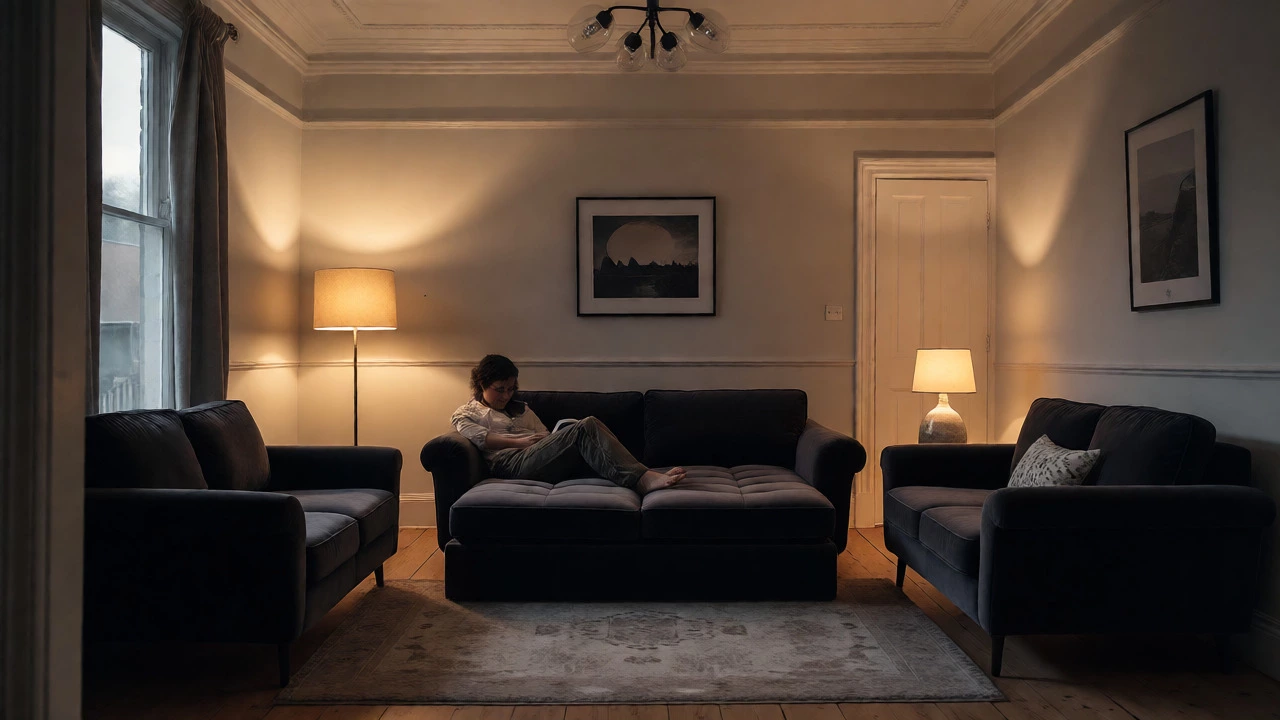
Modern sofa sleepers are designed to blend in. Brands now focus on slim profiles and tailored legs that mimic standard sofas. The goal is ambiguity. You shouldn’t be able to tell it’s a sleeper unless someone demonstrates it. This is crucial for small apartments in cities like Birmingham or London, where the living room is also the bedroom. You don’t want a piece of furniture that dominates the visual space when it’s folded up.
Look for details like hidden storage compartments. Some sofa sleepers allow you to store bedding inside the ottoman section or under the seat. This saves precious closet space. Also, consider the upholstery. Since the back cushions often flip or fold, choose fabrics that are durable and stain-resistant. Velvet looks great but shows marks easily; performance linen or microfiber is a smarter bet for high-use items.
Who Should Buy Which?
So, which one do you actually need? It depends entirely on usage frequency and budget.
Choose a Traditional Sofa Bed if:
- You live in a rental property and want a low-cost solution.
- The bed will be used rarely (less than once a month).
- You have limited strength or mobility issues that make lifting heavy frames difficult (though click-clacks can be tricky, some are lighter).
- Your primary concern is daytime seating comfort, not sleeping comfort.
Choose a Sofa Sleeper if:
- You host guests regularly (weekly or bi-weekly).
- You value sleep quality and want to avoid waking up with back pain.
- You want a piece of furniture that looks like a high-end designer sofa.
- You plan to keep the furniture for 5+ years.
- You have a small space and need dual-purpose functionality without compromising aesthetics.
Common Pitfalls to Avoid
Don’t just buy based on the name on the box. Test it in person. Sit on it. Lie on it. Ask yourself: "Would I sleep here tonight?" If the answer is no, don’t buy it, no matter how nice the colour is.
Another trap is ignoring the delivery logistics. Sofa sleepers are heavy. A solid oak frame with a steel mechanism can weigh over 80kg. Check if the retailer offers white-glove delivery. Carrying a bulky sofa up a narrow staircase in an old Victorian terrace house is a nightmare. Measure your doorways and stairwells before ordering online.
Finally, check the warranty. Cheap sofa beds often come with a 1-year guarantee. Good quality sleepers should offer 3 to 5 years on the frame. Read the fine print. Does it cover the mechanism? Or just the fabric? Frame warranties are your best indicator of expected longevity.
Is a sofa sleeper always more expensive than a sofa bed?
Generally, yes. Sofa sleepers use more complex mechanisms and higher-quality materials, driving up the cost. However, budget-friendly sofa sleepers are becoming more common. Conversely, luxury pull-out sofa beds exist, but they are outliers. For most consumers, the price gap reflects the difference in durability and comfort.
Can I replace the mattress on a sofa bed?
It depends on the design. Traditional pull-out sofa beds often have removable mattresses that you can replace or upgrade with a topper. Integrated sofa sleepers usually have mattresses sewn into the upholstery or locked into the mechanism, making replacement difficult or impossible without professional help.
Which is easier to clean?
Sofa beds with loose covers are easiest to clean since you can remove and wash the fabric. Fixed-upholstery sofa sleepers require spot cleaning or professional steam cleaning. If you have pets or kids, look for sofa sleepers with removable seat and back cushions.
Do sofa sleepers damage floors?
Not necessarily, but the metal feet or castors can scratch hardwood or laminate. Always use protective pads under the legs. For pull-out models, ensure the rails don’t drag across the floor when extended, which can cause gouges.
What size mattress does a double sofa sleeper use?
A standard double sofa sleeper typically provides a sleeping area of 140cm x 190cm or 140cm x 200cm. This is narrower than a standard UK double bed (135cm x 190cm is standard, but many sofa beds are tighter). Always measure the actual sleeping surface, not the external frame width.
Write a comment