
Furniture Storage Tips: Protect Your Pieces from Damage and Mold
When you need to store furniture, movable household items like sofas, wardrobes, and tables designed for daily use. Also known as home furnishings, it away for months—or even years—you’re not just packing it up, you’re betting on its survival. And if you skip the basics, you could end up with warped wood, mildewed fabric, or rusted metal. The good news? Most damage is preventable. It doesn’t take fancy gear or a climate-controlled warehouse. Just smart habits and a few simple tools.
One of the biggest killers of stored furniture is humidity, the amount of moisture in the air that can cause wood to swell, metal to rust, and fabric to mildew. In the UK, damp basements, uninsulated garages, and even attic spaces can turn into mold factories. A simple hygrometer—those cheap little digital gadgets you can buy at any hardware store—tells you if the air is too wet. Anything above 60% is risky. You don’t need a dehumidifier unless you’re storing for over six months. Just silica gel packs, open boxes of baking soda, or even a few clean towels tucked in corners can pull moisture out of the air. And never, ever wrap wood in plastic. That traps moisture like a greenhouse. Use breathable cotton sheets instead.
Then there’s the long-term storage, keeping furniture out of use for extended periods, often in non-climate-controlled environments. Bubble wrap? Great for moving, terrible for storage. It traps moisture and can leave sticky residue on finishes over time. For antiques or heirlooms, use acid-free paper to wrap delicate surfaces. For metal legs or hardware, wipe them down with a light coat of mineral oil before storing. And always elevate furniture off the floor. Even an inch helps. Wooden pallets, cinder blocks, or even plastic furniture risers keep air flowing underneath and stop moisture from creeping up.
Storage isn’t just about what you put around your furniture—it’s about where you put it. Avoid concrete floors, outside walls, and places near pipes or windows. Pick a dry, dark, cool spot. Basements? Only if they’re properly sealed and ventilated. Attics? Watch for roof leaks and summer heat. A shed? Make sure it’s raised, insulated, and has a tight door. And don’t just stash things and forget them. Check in every few months. Flip cushions, wipe down surfaces, and move items slightly to let air circulate.
You’ll find posts here that cover exactly these kinds of real-life fixes: how to stop mold from eating your wardrobe, why bubble wrap fails after six months, and how to keep your couch from warping in a damp garage. These aren’t theory pieces. They’re lessons from people who’ve been there—someone who stored a handmade oak dresser in a shed and woke up to black spots. Someone else who saved a $1,200 recliner by using baking soda and a fan. These tips work because they’re simple, cheap, and tested in real UK homes.
Should I Wrap My Couch in Plastic for Storage? Here’s What Actually Works
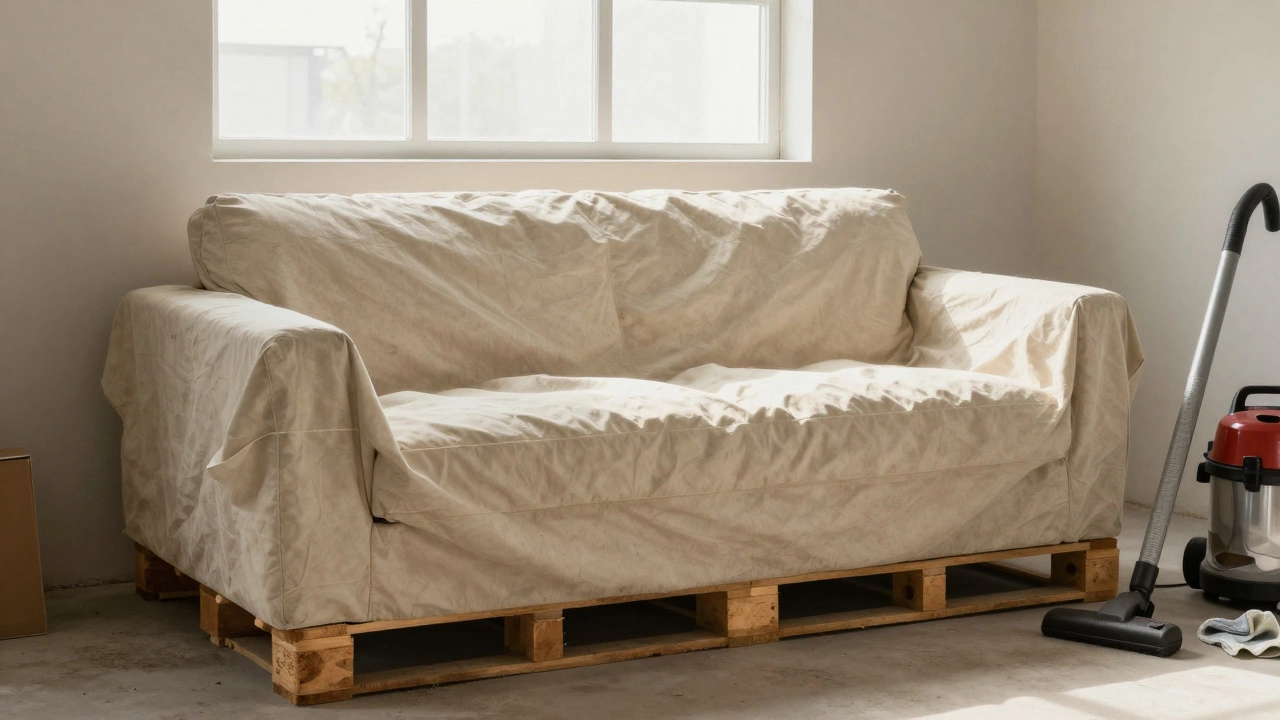
Wrapping your couch in plastic for storage seems smart, but it traps moisture and causes mold, foam damage, and odors. Learn the right way to store your sofa safely with breathable covers and proper techniques.
MoreDoes Wood Furniture Get Ruined in Storage? Here’s What Really Happens
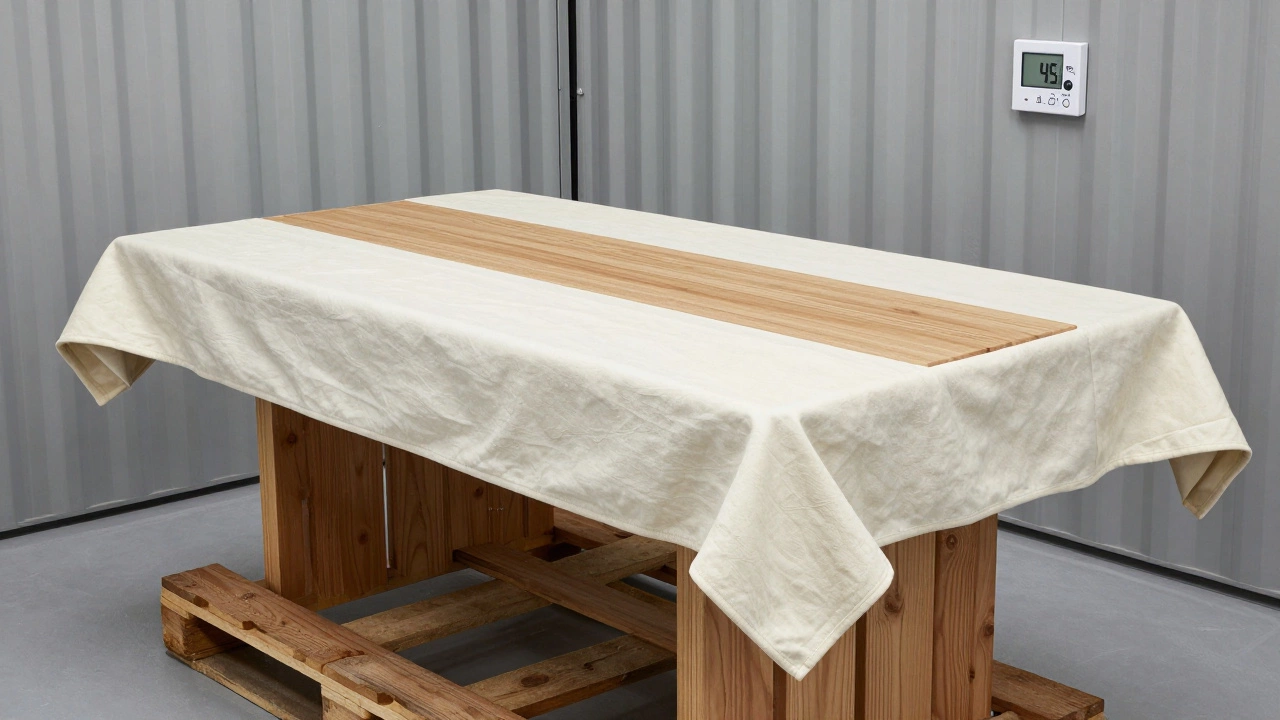
Wood furniture doesn't just get ruined in storage-it reacts to humidity, temperature, and pests. Learn how to store it safely so it lasts for years, not just months.
MoreHow Long Can Furniture Last in Storage? Real-World Expectations by Material and Condition
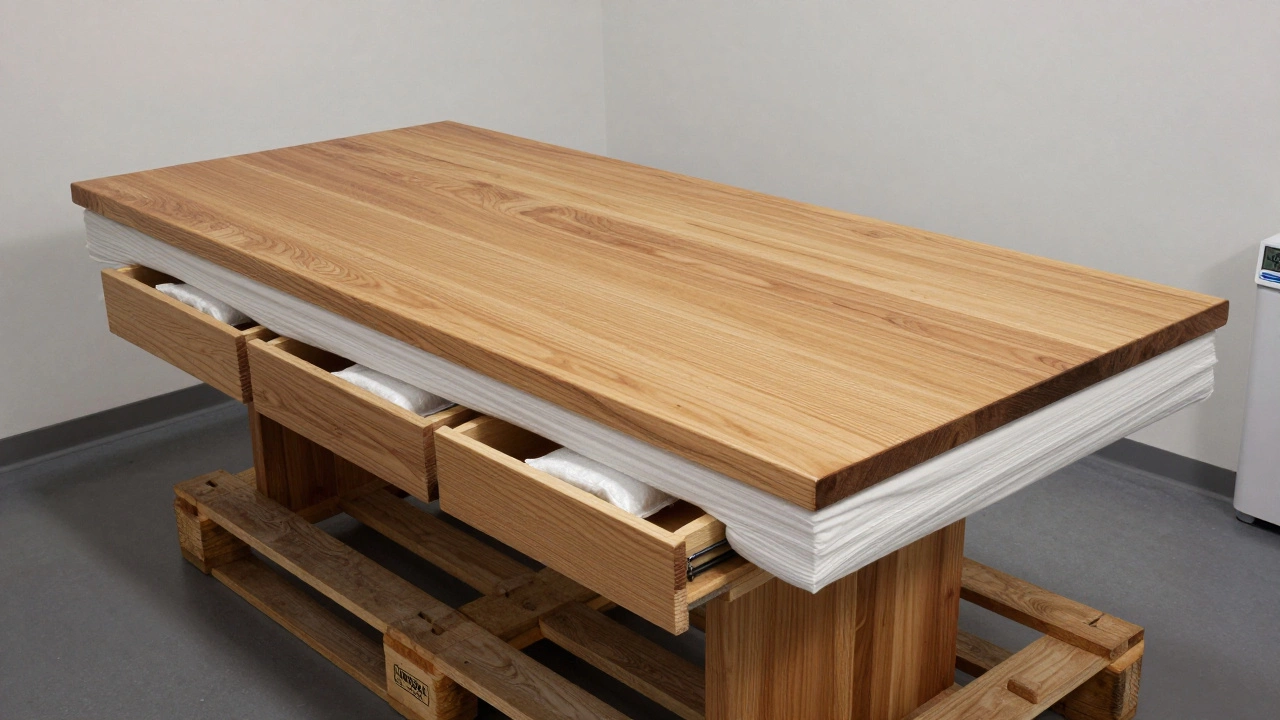
Learn how long different types of furniture last in storage based on material, humidity, and storage conditions. Get real tips to prevent damage from mold, rust, and warping.
More