
Vintage Storage Furniture Identifier
Describe the Furniture Piece
Result
Select the features above to identify your vintage furniture piece.
You walk into a vintage shop or browse an antique listing, and you see a massive wooden structure designed to hold clothes. It doesn't look like the white, boxy closet built into your modern hallway. You might wonder: what are old closets called? The short answer is that they usually aren't called "closets" at all. Depending on the era, the region, and whether the unit was built-in or freestanding, these items have specific names that carry historical weight.
Understanding these terms helps you not just with vocabulary, but with buying decisions. An armoire is a large, freestanding cabinet for storing clothes, often with sliding doors functions differently than a wardrobe is a tall cupboard for hanging clothes, traditionally with hinged doors. Knowing the difference can save you from buying a piece that doesn't fit your space or needs.
The Word "Closet" Is Actually Quite New
It’s surprising to many people, but the word "closet" in the sense of a small room or recess for storage is relatively recent in English history. Before the 16th century, most people stored their valuables and clothes in chests or trunks. As houses grew larger and more complex, particularly in Europe, small private rooms were carved out of larger chambers. These were called closets because they were "closed" off from the main living area.
In older British homes, especially those built before the 1900s, you won’t find built-in wardrobes. Instead, you’ll find cupboards are enclosed spaces for storing goods, often with shelves rather than hanging rods. These were used for everything from food to linens. If you’re looking at a property from the Victorian era, the absence of a "closet" isn’t a defect; it’s a period feature. People simply didn’t build them into the walls until the 20th century when American architectural trends influenced global design.
Armoires: The French Import
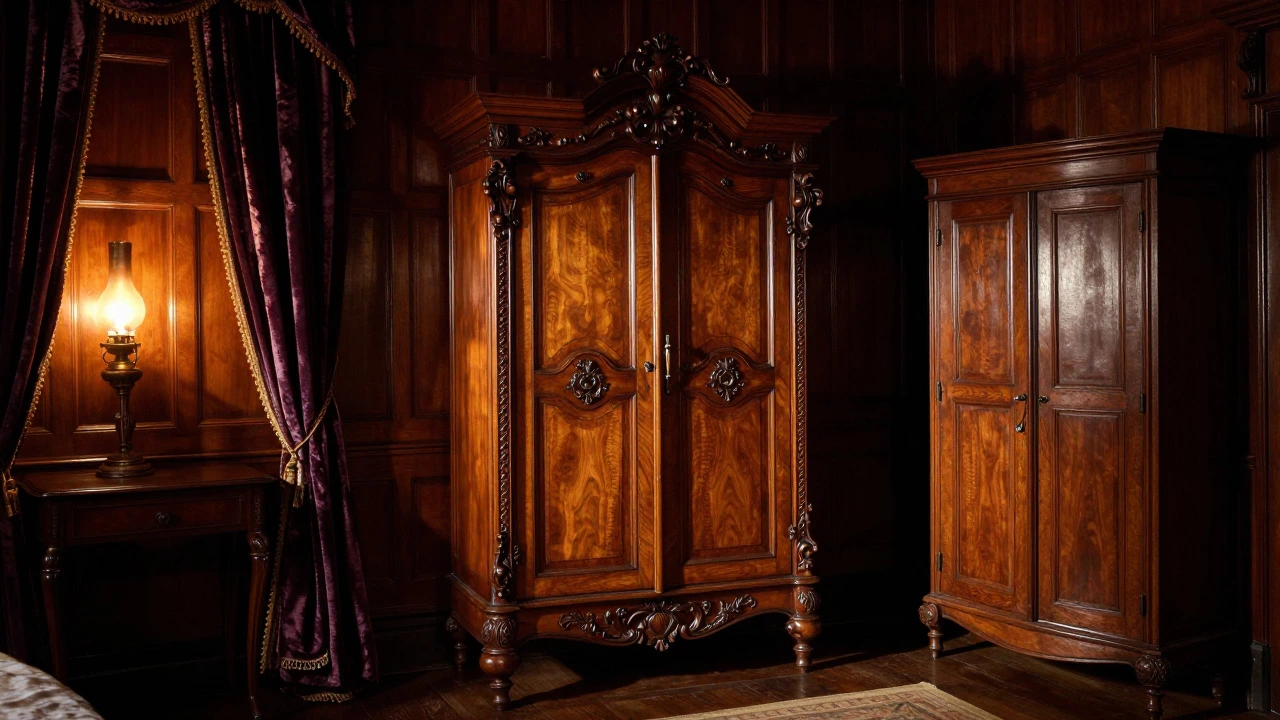
If you’re looking at a heavy, ornate wooden piece with sliding doors, you’re likely looking at an armoire. The term comes from the French word *armoier*, which originally referred to armor. In medieval times, these were massive cabinets used to store weapons and suits of armor. Over time, as warfare changed and domestic life became more focused on fashion, the armoire evolved to store clothing.
Armoires are characterized by sliding doors, intricate carvings, and a substantial footprint. They are distinct from wardrobes primarily due to the door mechanism. Sliding doors allow the armoire to be placed flush against a wall without needing extra space for doors to swing open. This makes them ideal for smaller rooms where space is at a premium. However, they tend to be wider and deeper than standard wardrobes. If you’re hunting for one, check the interior. Many antique armoires lack hanging rails, relying instead on shelves and drawers. You may need to install a rail yourself if you want to hang dresses or coats.
Wardrobes: The Traditional Choice
The wardrobe is the most direct ancestor of the modern closet. Historically, a wardrobe was a chest or cupboard specifically for storing robes and garments. The name itself derives from "ward" (to guard) and "robe." Unlike the armoire, traditional wardrobes typically feature hinged doors that swing outward. This allows for easier access to the entire interior, including corners that might be hard to reach behind sliding doors.
In the UK and much of Europe, the term "wardrobe" covers both freestanding furniture and built-in units. In the US, "wardrobe" often refers specifically to the freestanding piece, while "closet" refers to the built-in niche. When shopping for vintage pieces, pay attention to the construction. Early wardrobes were often made from oak or pine and featured simple joinery. Later Victorian and Edwardian wardrobes introduced mirrored doors, a trend that continues today. Mirrors serve a practical purpose: they make a room feel larger and provide a place to check your appearance. However, original mirrors from the 1800s are rare and valuable; many replacements from the mid-20th century are thinner and less durable.
| Feature | Armoire | Wardrobe | Cupboard |
|---|---|---|---|
| Door Type | Sliding | Hinged (Swinging) | Hinged or Lift-up |
| Primary Use | Clothing, sometimes armor historically | Hanging clothes | Linens, dishes, general storage |
| Interior Layout | Shelves, drawers, limited hanging | Hanging rail, shelves | Shelves only |
| Space Requirement | Wide, deep, no swing space needed | Narrower, requires clearance for doors | Varies, often smaller |
| Origin | France | England/Europe | General European |
Cupboards and Presses: Not Just for Dishes
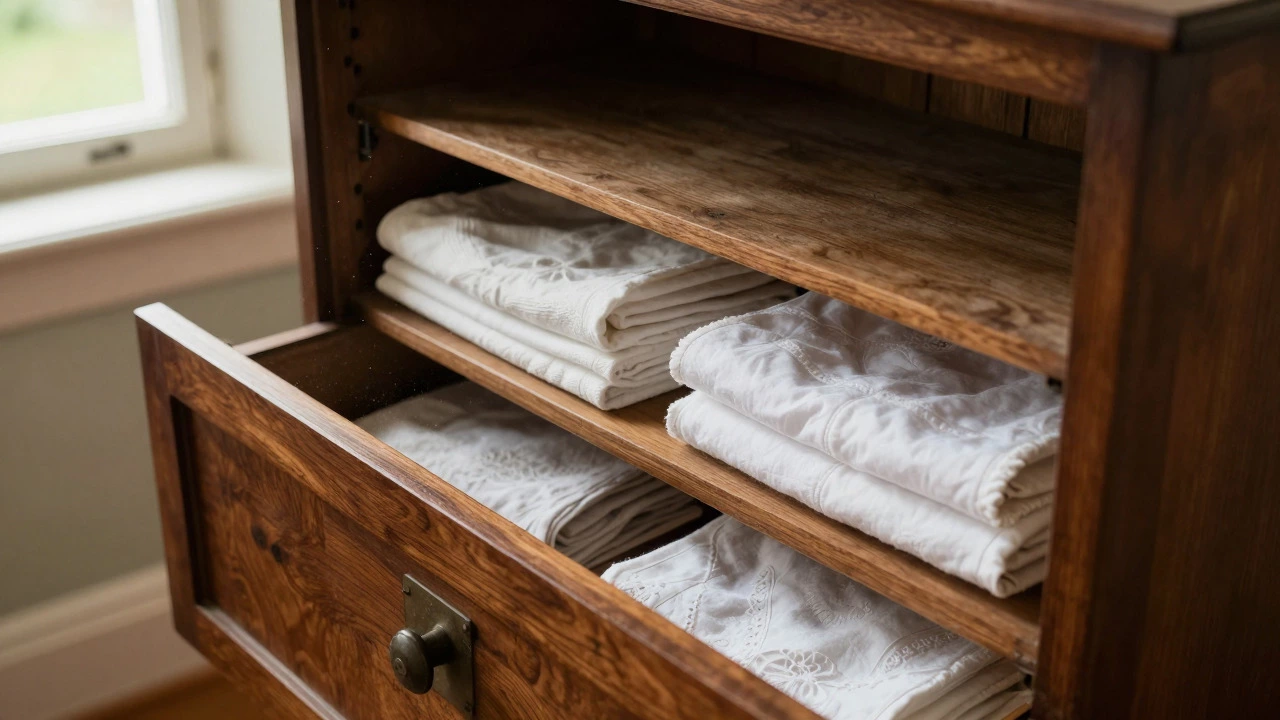
While we often associate cupboards with kitchens, in older homes, they served a vital role in bedrooms and hallways. A linen press is a tall, narrow cupboard with shelves designed to keep linens flat and dust-free is a common sight in period properties. These units are essentially shallow wardrobes without hanging rails. They were designed to protect delicate fabrics from moths and dust.
If you’re repurposing a linen press for clothes, you’ll face a challenge: depth. Linen presses are often too shallow to accommodate jackets or coats on hangers. They work best for folded sweaters, jeans, or shirts. Another similar item is the hope chest is a large wooden chest used to store household goods, often passed down through generations. While not a closet, it served the same function for dowries and heirlooms. Understanding these distinctions helps you identify what you’re buying. A "cupboard" listing might turn out to be a linen press, which has different value and utility than a full-sized wardrobe.
Built-In Features: Alcoves and Niches
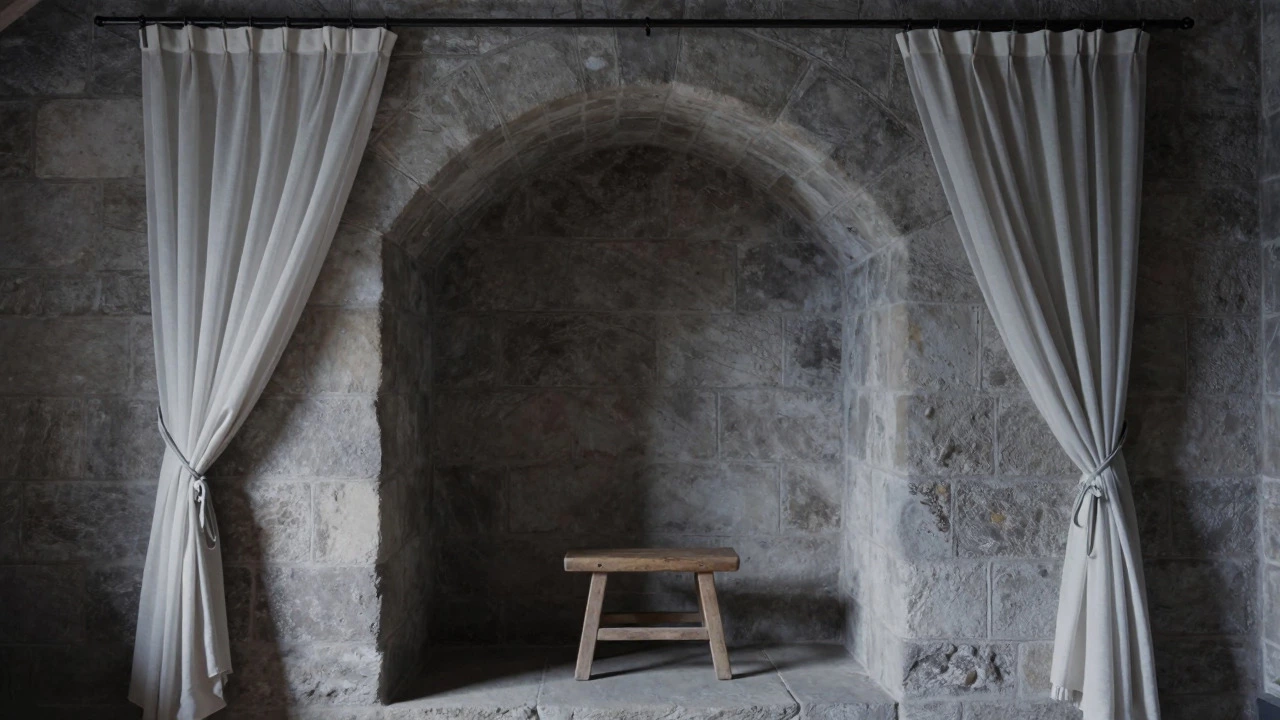
When discussing what old closets are called, we must address the architecture itself. In many older British homes, there are no built-in closets. Instead, you might find an alcove is a recessed area in a wall, often used for seating or storage. These are semi-circular or rectangular indentations in the wall. Originally, they might have held a bed or a chair. Today, homeowners often fit sliding doors or curtains over alcoves to create makeshift closets.
Another term you might encounter is "niche." Similar to an alcove, a niche is a small recess. In bathrooms, niches hold toiletries; in bedrooms, they might have been used for small storage. If you’re renovating an older home, converting an alcove into a functional closet is a popular project. It involves installing shelving, a hanging rail, and possibly lighting. This approach preserves the character of the home while adding modern convenience.
Regional Differences: US vs. UK Terminology
Language plays a huge role in how we describe these items. In the United States, the term "closet" almost always refers to a built-in space. If you buy a freestanding unit, you call it a wardrobe or an armoire. In the UK, "wardrobe" is the catch-all term for any large storage unit for clothes, whether built-in or freestanding. You rarely hear Brits say "I hung my shirt in the closet." They say "I put it in the wardrobe." This distinction matters when searching online. If you’re in Birmingham and search for "old closets," you might get fewer results than if you search for "vintage wardrobes" or "antique armoires." Adjusting your search terms based on your location can yield better results for both buying and selling.
Why Does the Name Matter?
Knowing the correct terminology isn’t just about sounding educated. It affects restoration, valuation, and functionality. An armoire with original sliding tracks is harder to repair than a wardrobe with standard hinges. A linen press has different structural integrity than a wardrobe designed to hold heavy winter coats. When you know what you’re looking at, you can ask better questions. Is the wood solid oak or veneer? Are the mirrors original? Do the doors align properly? Furthermore, understanding these terms helps you appreciate the history of the piece. Each type of storage furniture reflects the lifestyle of its time. The armoire speaks of a desire for grandeur and protection. The wardrobe reflects practicality and organization. The linen press highlights the importance of textile care in an era before synthetic fabrics. By learning what old closets are called, you connect with the past and make smarter choices for your present home.
What is the difference between an armoire and a wardrobe?
The main difference lies in the door mechanism and origin. Armoires typically have sliding doors and originated in France, often featuring ornate designs. Wardrobes usually have hinged doors that swing open and are more common in British and European traditions. Armoires are generally wider and deeper, while wardrobes are taller and narrower.
Did Victorian homes have closets?
Most Victorian homes did not have built-in closets as we know them today. Instead, residents used freestanding wardrobes, armoires, and linen presses. Built-in closets became more common in the early 20th century, influenced by American architectural styles.
What should I look for when buying a vintage wardrobe?
Check the condition of the wood for cracks or warping. Inspect the hinges and handles for originality and functionality. Look inside for signs of moth damage or previous repairs. Ensure the doors close evenly and that the interior layout suits your storage needs, such as having a hanging rail.
Can I convert a linen press into a wardrobe?
Yes, but with limitations. Linen presses are often shallower than standard wardrobes, making them unsuitable for hanging long coats or jackets. They work well for folded clothes, shoes, or accessories. You may need to add a hanging rail if the depth allows.
What is an alcove in a house?
An alcove is a recessed area in a wall, often semi-circular or rectangular. In older homes, they were used for various purposes, including seating or displaying items. Today, they are frequently converted into built-in closets by adding doors and shelving.
Write a comment