
Sofa Color & White Wall Matcher
1. Define Your Space
Recommended Choice
Why this works?
Pro Tip: Always buy a fabric swatch first. Tape it to your white wall and observe it in morning, noon, and night light before committing.
You walk into a showroom or scroll through Instagram, and every single living room looks the same. White walls. Bright light. And then... panic sets in. You know you want that corner sofa because it maximizes your space, but staring at those blank white canvases makes you feel like you're about to make a huge mistake. Will a grey sofa look cold? Is navy too dark? Does beige blend into nothingness?
Here is the truth: white walls are not a constraint; they are an opportunity. They reflect light, making rooms feel larger, which is exactly why white walls are the most popular backdrop for modern interiors. But choosing the right fabric color for your seating depends entirely on the vibe you want to create. Are you going for cozy and warm? Sleek and minimalist? Or bold and dramatic?
The Psychology of Contrast and Light
Before you buy anything, understand how light interacts with color. White walls bounce natural light around the room. If you put a very light sofa (like cream or pale yellow) against them, the room can feel washed out unless you have strong lighting or contrasting accessories. On the flip side, a dark sofa anchors the space.
Think about the size of your room. In smaller UK flats, where I see this all the time in Birmingham apartments, a dark L-shaped sofa might feel heavy if the room is tiny. However, in an open-plan kitchen-diner, that same dark sofa creates a defined "living zone" without needing walls. The key is balance. If your walls are stark white, your floor usually has some tone-wood, tile, or carpet. Your sofa should bridge the gap between the floor and the wall.
Classic Neutrals: Grey, Beige, and Charcoal
Let’s start with the safe bets. Grey sofas are ubiquitous for a reason. They work with almost everything. But here is the catch: not all greys are created equal. There are cool greys (blue undertones) and warm greys (brown/beige undertones).
- Cool Grey: Best for modern, industrial, or Scandinavian styles. It looks crisp against pure white walls. Pair it with chrome legs or black metal accents.
- Warm Grey/Taupe: This softens the starkness of white walls. It feels more inviting and less clinical. Great if you have wooden floors or rugs.
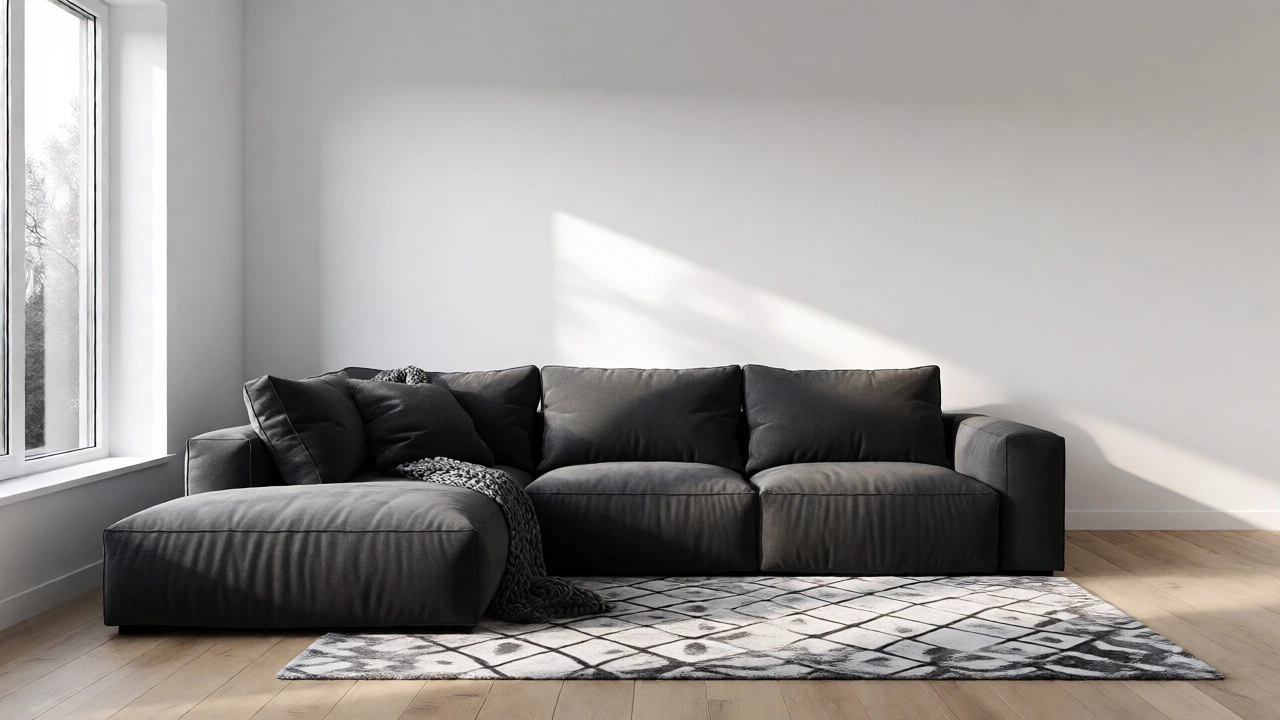
- Charcoal: A deep, dark grey acts as a neutral anchor. It provides high contrast against white walls, drawing the eye immediately to the sofa as the focal point. It hides stains better than lighter colors, which is a lifesaver if you have kids or pets.
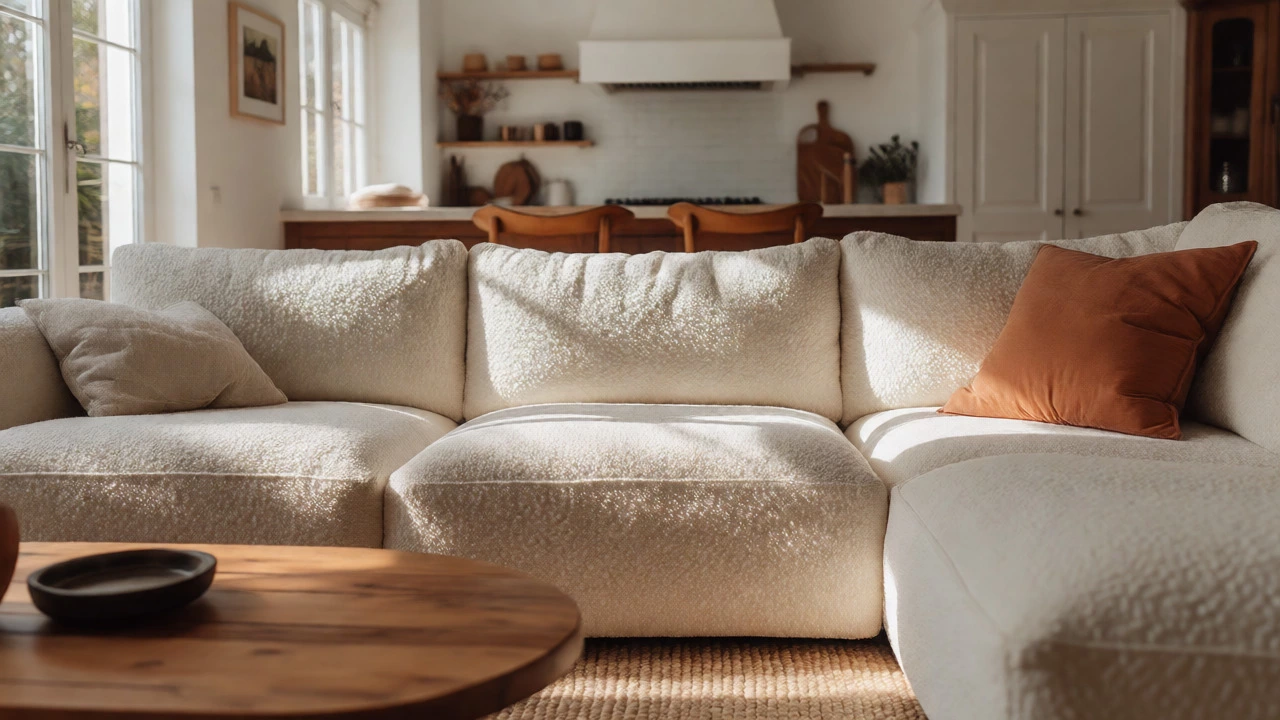
Beige and cream are tricky. Against bright white walls, they can disappear. If you go this route, texture is non-negotiable. A boucle or velvet beige sofa catches the light differently than flat cotton, adding depth so the furniture doesn't vanish into the background.
Going Bold: Navy, Emerald, and Mustard
If you’re tired of playing it safe, white walls are the perfect stage for color. Because there are no competing wall patterns, you can get away with saturated hues that would clash elsewhere.
| Sofa Color | Vibe Created | Best For | Risk Factor |
|---|---|---|---|
| Navy Blue | Sophisticated, Calm | Formal living rooms, study areas | Can feel cold if lighting is poor |
| Emerald Green | Luxe, Organic | Boho or mid-century modern homes | Trend-sensitive; may date quickly |
| Mustard Yellow | Energetic, Retro | Small spaces needing a pop | Hard to match with other decor |
| Terracotta/Rust | Warm, Earthy | Cozy family hubs | Clashes with cool-toned wood |
Navy blue is arguably the best alternative to black. It offers the same grounding effect but feels richer and more welcoming. Against white walls, it pops incredibly well. Just ensure you add warm textures-think wool throws or wooden coffee tables-to prevent the room from feeling like a hospital ward.
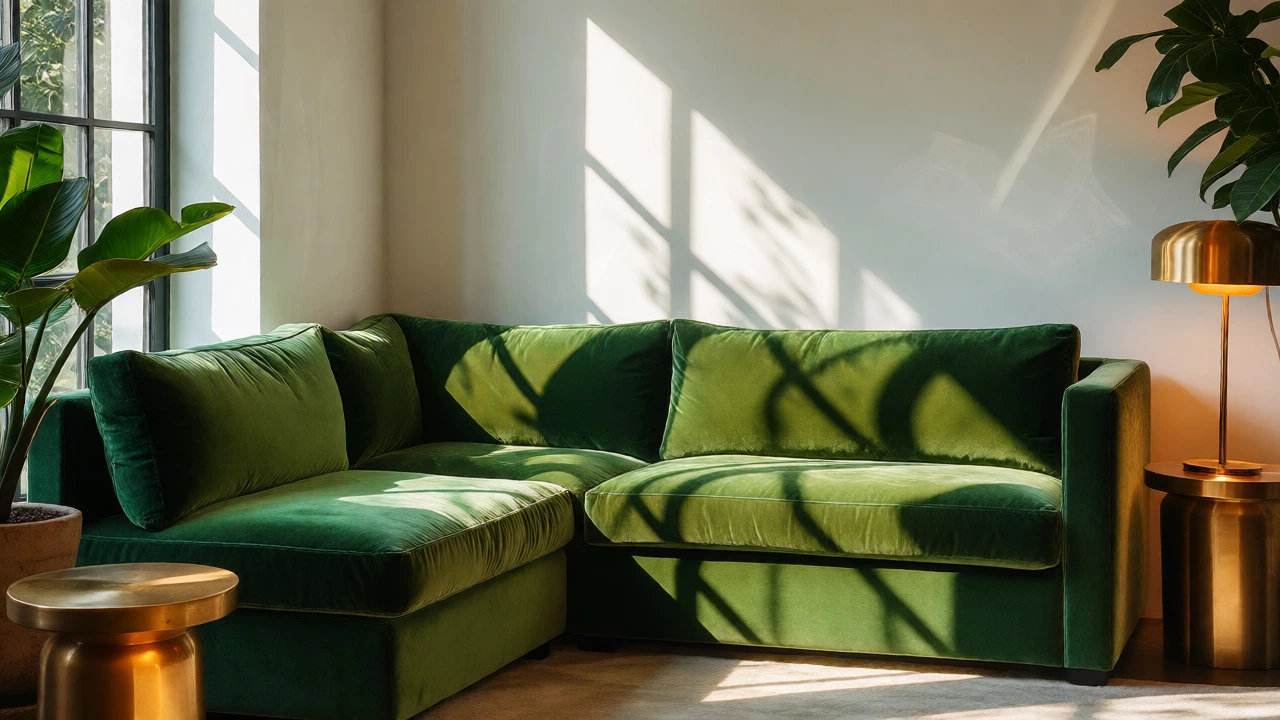
Green is having a massive moment in interior design. An emerald or forest green velvet sofa brings nature indoors. Since white walls don't compete for attention, the green becomes the star. It pairs beautifully with brass or gold accents, which reflect light nicely in darker corners of the room.
Texture Matters More Than Hue
People obsess over color codes but forget about material. A white wall is smooth and matte. If your sofa is also smooth and matte (like a cheap polyester), the room will feel flat. You need visual interest.
Consider these materials when choosing your color:
- Bouclé: Currently trending heavily. Its nubby texture adds shadows and highlights even in monochrome schemes. A cream bouclé corner sofa against white walls looks expensive and soft.
- Velvet: Reflects light. A dark green or blue velvet sofa changes color slightly depending on the time of day. It adds luxury without needing pattern.
- Leather: Tan or cognac leather ages beautifully. Against white walls, it warms up the space instantly. It’s durable and easy to clean, though it requires conditioning to keep looking fresh.
- Performance Fabric: If you have messy habits, look for stain-resistant weaves. These often come in tighter, flatter finishes, so pair them with chunky knit cushions to break up the monotony.
Matching Your Floor and Rug
You cannot choose a sofa color in isolation. Look down. What is underfoot?
If you have light oak flooring, a grey sofa can sometimes look muddy if the undertones clash. A warm taupe or beige works better with light wood. If you have dark walnut floors, a light-colored sofa creates a striking contrast that lifts the room. Dark floors plus a dark sofa can swallow the space, making it feel cave-like unless you have large windows.
Rugs act as the buffer. If your sofa is dark and your walls are white, use a rug with a mix of both tones to tie them together. For example, if you have a charcoal sofa, a grey-and-white geometric rug bridges the gap between the dark furniture and the bright walls.
Practical Tips for Corner Sofas Specifically
Corner sofas take up more visual weight than standard three-seaters. Because they occupy two walls, the color choice impacts the entire perimeter of the room.
If your corner sofa is large and bulky, avoid busy patterns. Stick to solid colors. Let the shape of the sofa do the talking. If you want pattern, save it for throw pillows. A solid navy corner sofa with four mustard-yellow cushions is easier to live with than a patterned navy sofa itself.
Also, consider the back of the sofa. In many open-plan layouts, the back of the corner unit faces the dining area or hallway. If it’s against a white wall, you’ll see the back often. Ensure the fabric looks good from behind. Some cheaper models have unfinished backs or mismatched piping. Check samples in person if possible.
Mistakes to Avoid
I’ve seen homeowners make the same errors repeatedly. Here is what to steer clear of:
- Ignoring Lighting Temperature: Warm bulbs (2700K) make whites look creamy and yellows look orange. Cool bulbs (4000K+) make whites look sterile and blues look icy. Test your fabric swatch in the actual room light before buying.
- Matching Everything: Don’t buy a sofa, rug, and curtains in the exact same shade of grey. It looks like a hotel lobby. Aim for tonal variation-light grey walls, medium grey sofa, dark grey rug.
- Forgetting Maintenance: White walls show dirt easily, but so do light sofas. If you have a dog that rolls in mud, a white linen sofa might be a nightmare. Charcoal or patterned fabrics hide daily wear better.
Final Thoughts on Choosing Your Shade
There is no single "right" answer. The best color depends on your lifestyle, your lighting, and your personal taste. Start by deciding the mood you want. Do you want calm? Go for muted greens or blues. Energy? Try terracotta or ochre. Sophistication? Stick to charcoal or navy.
Buy small swatches first. Tape them to your white wall. Look at them in the morning, noon, and night. See how they interact with your floor. Only then should you commit to a full-sized corner sofa.
Does a grey sofa look good with white walls?
Yes, grey is one of the most versatile choices. To avoid a dull look, ensure there is a contrast in tone. Use a mid-to-dark grey sofa against bright white walls, or add textured accessories like colorful cushions and rugs to break up the monotony.
What color sofa makes a room look bigger?
Lighter colors generally make a room feel more spacious. Cream, light grey, or pale blue sofas blend seamlessly with white walls, reducing visual boundaries. However, a floating sofa with exposed legs can also enhance the sense of space regardless of color.
Is a black sofa too harsh for white walls?
It can be, especially in small rooms. Black creates high contrast, which can feel stark or severe. If you love black, soften it with warm wood tones, plants, or metallic accents. Alternatively, opt for charcoal or dark brown, which offer similar anchoring effects with less severity.
Which sofa color is easiest to maintain?
Mid-tone colors like taupe, grey-beige, or multi-colored patterns are the most forgiving. They hide dust and minor spills better than stark white or jet black. Performance fabrics designed for pet owners are also excellent for durability and stain resistance.
Can I mix different colored furniture with a white wall backdrop?
Absolutely. White walls provide a neutral canvas that allows you to experiment with eclectic mixes. Just try to limit your palette to 2-3 main colors to prevent visual clutter. Use the sofa as your dominant color, and let smaller items introduce secondary hues.
Write a comment