
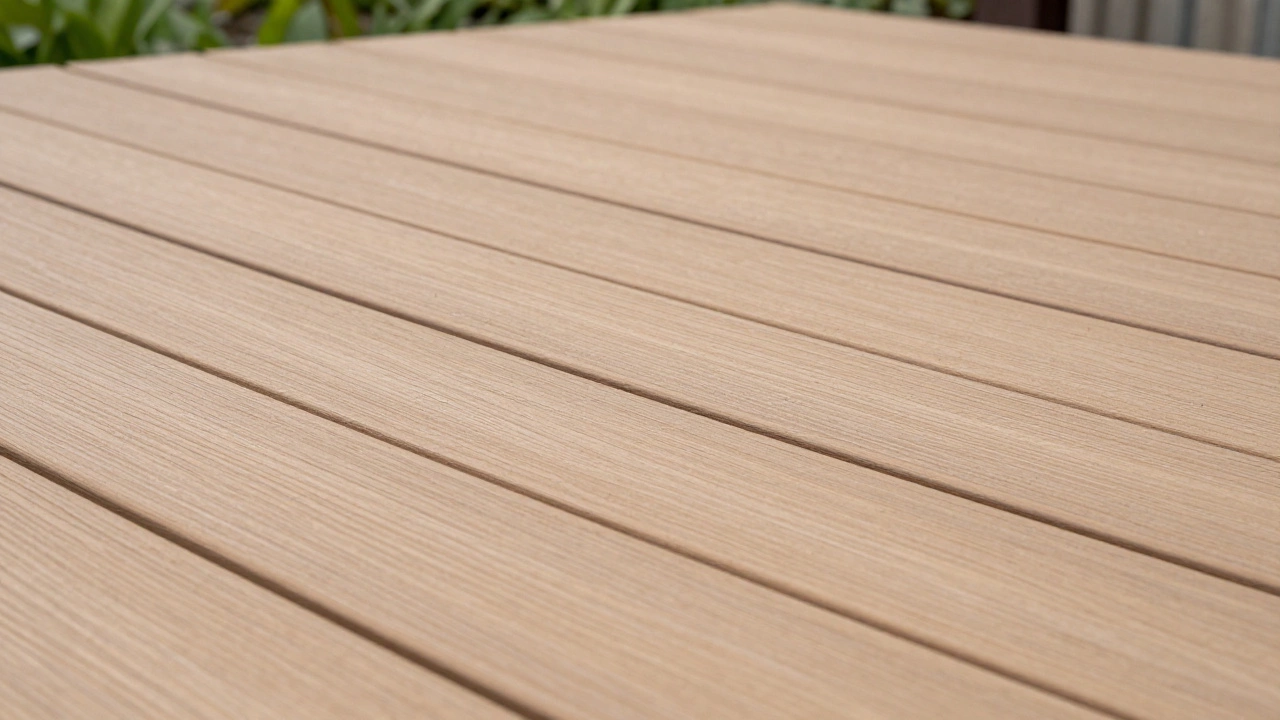
Decking Material Comparison Tool
Compare different decking materials side-by-side to find the best fit for your project needs.
Polywood (HDPE)
Best Durability- Maintenance: Very Low
- Lifespan: 30+ Years
- Eco-Impact: High (Recycled)
- Pros: Rot-proof, termite-free
- Cons: Higher initial cost
WPC Composite
Best Value- Maintenance: Low
- Lifespan: 20-25 Years
- Eco-Impact: Medium
- Pros: Wood-like feel, cheaper
- Cons: Can mold if not cleaned
Natural Cedar
Classic Look- Maintenance: High
- Lifespan: 10-15 Years
- Eco-Impact: Low (Renewable)
- Pros: Authentic wood grain
- Cons: Requires annual sealing
Treated Pine
Budget Option- Maintenance: Medium-High
- Lifespan: 10-15 Years
- Eco-Impact: Low
- Pros: Cheapest upfront cost
- Cons: Warps, rots, chemical treated
You’ve probably seen that weathered, wood-look deck or patio set at a neighbor’s house that never seems to need painting. It looks like cedar or teak, but it doesn’t rot, splinter, or fade after one summer. Chances are, you’re looking at Polywood, which is a brand of high-density polyethylene (HDPE) lumber made from recycled plastics. But here is the thing: Polywood is just one specific brand. If you are shopping for similar materials and want to know what else to search for, you need to understand the broader category this material belongs to.
So, what is another name for Polywood? The short answer is recycled plastic lumber (RPL). You might also see it labeled as composite lumber, polymer lumber, or simply HDPE decking. While "Polywood" is a proprietary trademark owned by Trex Company, the material itself falls under several generic industry terms. Knowing these synonyms helps you find cheaper alternatives, compare durability specs, and avoid paying a premium just for the brand name.
The Core Identity: What Exactly Is Polywood?
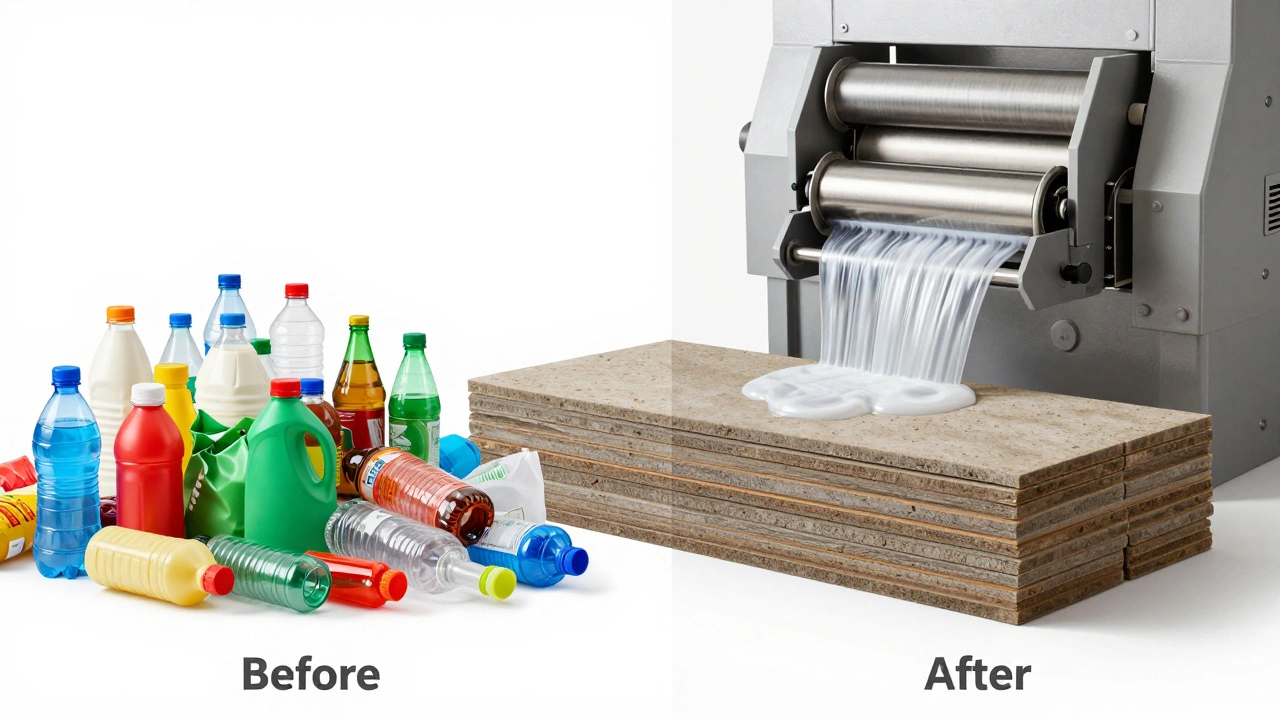
To understand the alternatives, you first have to pin down what Polywood actually is. It isn't real wood, nor is it traditional plastic sheeting. It is a form of engineered lumber created by melting down post-consumer plastic waste-mostly milk jugs, detergent bottles, and grocery bags-and extruding it into boards that mimic the dimensions and texture of natural timber.
The primary ingredient in Polywood is High-Density Polyethylene (HDPE). This is the same durable plastic used in water pipes and playground equipment. Because it is derived from petroleum products but repurposed from waste, it sits in a unique space between synthetic materials and eco-friendly building supplies. Unlike standard vinyl siding, which can become brittle in extreme cold, HDPE remains flexible. Unlike solid wood, it contains no cellulose, meaning termites and fungi have nothing to eat.
When you search for "another name for Polywood," you are essentially searching for the raw material class. Think of it like Kleenex. You might ask for tissues, but if someone hands you a different brand of facial tissue, it serves the exact same function. Polywood is the Kleenex of recycled plastic lumber.
Common Synonyms and Industry Terms
If you walk into a home improvement store or browse online suppliers, you won't always see the word "Polywood" on the tag. Manufacturers use different terminology based on their marketing strategy and the specific composition of their product. Here are the most common names you will encounter:
- Recycled Plastic Lumber (RPL): This is the most accurate technical term. It describes any lumber made primarily from recycled plastics. RPL is often used in municipal projects for park benches and boardwalks because of its longevity.
- Composite Decking/Lumber: This term is slightly broader. True composites usually mix plastic with wood fibers or flour. Polywood is 100% plastic, so while it is often grouped with composites, purists distinguish it as "all-plastic" vs. "wood-plastic composite" (WPC).
- Polymer Lumber: A scientific term referring to long-chain molecules (polymers) that make up the plastic structure. You’ll see this on technical data sheets rather than retail packaging.
- Eco-Wood or Green Lumber: Marketing terms emphasizing the environmental benefit. Since Polywood diverts plastic from landfills, many brands highlight this "green" aspect.
- Marine Grade Plastic Lumber: Used specifically for docks and piers. Because saltwater accelerates wood rot, marine-grade plastic lumber is the go-to replacement for treated pine in coastal areas.
Understanding these distinctions matters when you are comparing prices. A board labeled "WPC Composite" might cost less than pure HDPE Polywood, but it may contain wood dust that can mold over time if not cleaned regularly. Pure recycled plastic lumber, like Polywood, has zero organic content, making it immune to biological decay.
Why Do People Look for Alternatives?
You might be asking for another name for Polywood because the branded product is expensive. Polywood carries a premium price tag due to its reputation for quality and its extensive color range. However, the underlying technology is not secret. Many manufacturers produce RPL using similar processes but without the heavy marketing budget of the Trex brand.
Another reason people seek alternatives is availability. In some regions, Polywood distributors are sparse. Searching for "recycled plastic lumber near me" or "HDPE decking supplier" often yields local results that ship faster and offer better customer support.
Finally, there is the aesthetic factor. Some homeowners dislike the uniform look of factory-made plastic lumber. They might look for "capped polymer" options, which add a protective shell that allows for more realistic wood grain textures and deeper colors than the solid-through-color approach of traditional Polywood.
Comparison: Polywood vs. Other Materials
| Material Type | Maintenance Level | Lifespan | Environmental Impact | Cost Estimate |
|---|---|---|---|---|
| Polywood (HDPE) | Very Low | 30+ years | High (uses recycled waste) | $$$ (Premium) |
| Wood-Plastic Composite (WPC) | Low | 20-25 years | Medium (mixed materials) | $$ (Mid-range) |
| Natural Cedar/Teak | High (sealing/oiling) | 10-15 years | Low (renewable resource) | $$ - $$$ (Varies) |
| Pressure-Treated Pine | Medium-High | 10-15 years | Low (chemical treatment) | $ (Budget) |
| Fiberglass Reinforced Plastic | Very Low | 25+ years | Low (energy-intensive production) | $$ (Mid-range) |
As you can see, Polywood competes directly with WPC and high-end natural woods. If your goal is zero maintenance, both Polywood and fiberglass are strong contenders. However, fiberglass can feel colder to the touch and lacks the warmth of the wood-like texture found in HDPE products.
Top Brands That Offer Similar Products
If you are ready to shop for "another name for Polywood," here are some reputable brands that manufacture high-quality recycled plastic lumber. These companies offer products that are functionally identical to Polywood but may differ in profile design, warranty length, or color palette.
- Trex Transcend/Enhance: Owned by the same parent company as Polywood, Trex offers composite lines that compete directly. While some Trex products contain wood fiber, their all-plastic lines are very similar to Polywood.
- TimberTech: Known for capped polymer decking, TimberTech provides excellent resistance to staining and fading. Their Azek line is a direct competitor in the luxury outdoor segment.
- GreenStripe: This brand focuses heavily on sustainability and offers a wide variety of recycled plastic lumber profiles for fencing, decking, and railings.
- Veranda: A newer player in the market, Veranda uses a mineral core technology that reduces expansion and contraction, addressing one of the minor complaints about pure plastic lumber.
- Flowform: Specializing in molded shapes, Flowform makes benches and tables from recycled plastic. If you are buying finished furniture rather than raw lumber, this is a key brand to know.
When comparing these brands, look closely at the warranty. Polywood typically offers a lifetime limited warranty against cracking, splitting, and warping. Ensure any alternative you choose matches this level of protection. Also, check the UV stabilizers. Cheap plastic lumber can chalk or fade within two years if it lacks adequate carbon black or titanium dioxide additives.
Installation Tips for Recycled Plastic Lumber
Working with Polywood or any recycled plastic lumber requires a slight shift in mindset compared to traditional carpentry. You cannot nail it the same way you would with pine. Plastic expands and contracts with temperature changes more than wood does. Ignoring this leads to buckling decks or wobbly furniture.
First, always leave a gap of about 1/8 inch between boards during installation. This allows for airflow underneath and accommodates thermal expansion. Second, use stainless steel screws. Standard galvanized nails can corrode over time, especially in humid climates, leading to green stains on your light-colored plastic lumber. Third, pre-drill holes. Driving a screw directly into HDPE can cause the material to crack or split because it doesn't have the fibrous give of wood.
If you are building garden furniture, consider the weight. Plastic lumber is heavier than cedar but lighter than concrete. Make sure your design accounts for this density, especially if you plan to move chairs frequently. For stationary pieces like benches, the weight adds stability against wind.
Is It Really Eco-Friendly?
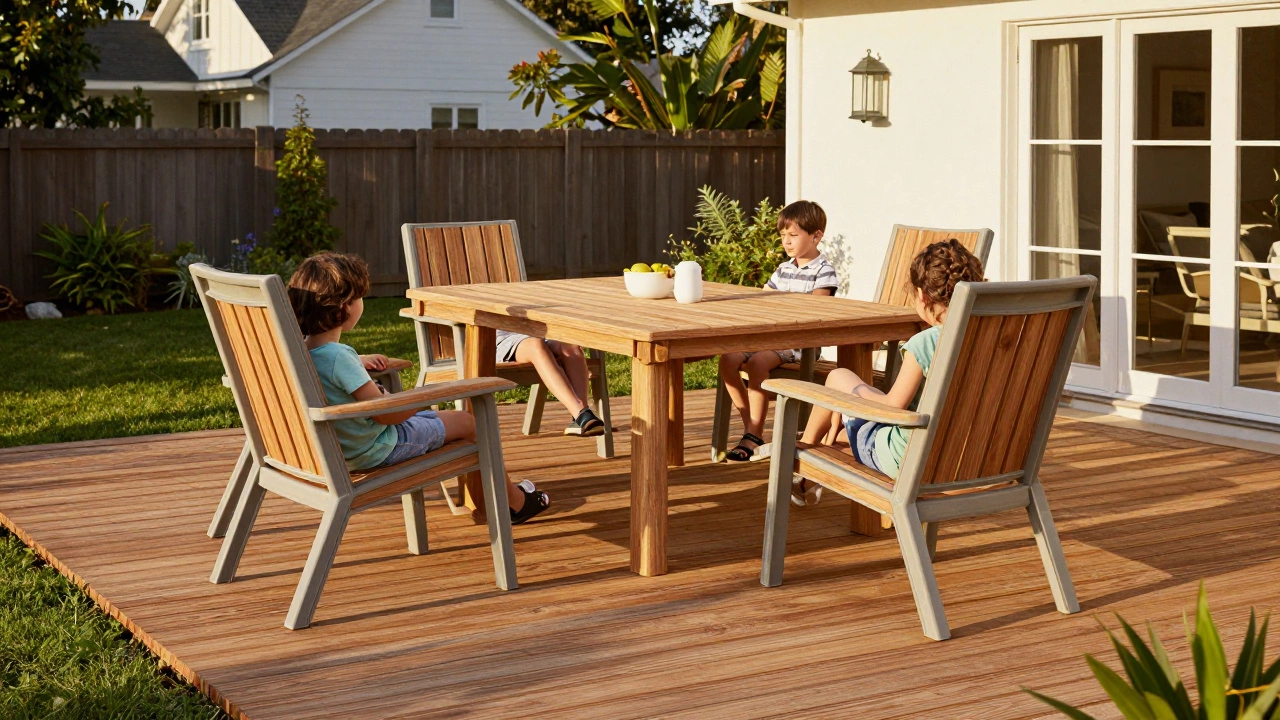
A common question when looking for alternatives to Polywood is whether other brands are greener. The answer depends on how you define "eco-friendly." Polywood diverts approximately 95% of its material from landfills. Each board saves dozens of plastic bags and jugs from ending up in oceans or dumps. This is a significant environmental win.
However, plastic is still derived from fossil fuels. At the end of its life, recycled plastic lumber is difficult to recycle again because it gets contaminated with dirt, oils, and adhesives. Most experts agree that the best environmental choice is to buy once and keep it forever. Since Polywood lasts 30+ years, it outperforms wood that needs replacing every decade. When evaluating alternatives, prioritize durability. A product that breaks in five years is worse for the planet than one that lasts fifty, regardless of its initial carbon footprint.
Maintenance and Cleaning Guide
One of the main reasons people switch to Polywood or similar RPL products is to eliminate the annual ritual of sanding and staining. But "low maintenance" doesn't mean "no maintenance." To keep your investment looking new, follow these simple steps:
- Regular Washing: Once or twice a year, wash the surface with mild soap and water. Use a soft-bristle brush to remove algae or moss buildup, especially in shaded areas.
- Stain Removal: For tougher stains like bird droppings or food spills, use a dedicated composite cleaner or a mixture of vinegar and water. Avoid bleach, as it can degrade the plastic surface over time.
- Protective Covers: While the material is weather-resistant, placing hot grill grates or metal chair legs directly on the surface can cause heat marks or scratches. Use coasters and pads.
- Inspect Fasteners: Check screws and bolts annually. Tighten any loose connections before they strip the plastic threads.
By following these steps, your recycled plastic lumber will retain its color and structural integrity for decades. The beauty of HDPE is that it forgives mistakes. If you forget to clean it for a season, it won't rot. It might get dirty, but a good scrub brings it back to life.
Where to Buy Recycled Plastic Lumber
Finding Polywood or its alternatives is easier than ever. Major home improvement retailers like Home Depot and Lowe's carry national brands like Trex and TimberTech. For specialized applications, such as custom garden furniture or large-scale decking projects, consider ordering from online suppliers like BuildItSolar or local lumber yards that specialize in sustainable materials.
When buying online, pay attention to shipping costs. Plastic lumber is dense and heavy, so freight charges can add up quickly. Sometimes, buying locally from a regional distributor is more economical, even if the per-board price is slightly higher. Always request samples before committing to a large order. Colors can vary significantly under different lighting conditions, and what looks like "driftwood gray" on a screen might appear too blue or too brown in your backyard.
Is Polywood the same as composite wood?
Not exactly. Polywood is made from 100% recycled high-density polyethylene (HDPE) plastic. Composite wood, or Wood-Plastic Composite (WPC), typically mixes plastic with wood fibers or sawdust. While they look similar, Polywood is more resistant to moisture and mold because it contains no organic material.
What is the best alternative to Polywood for budget-conscious buyers?
For those seeking a lower price point, Wood-Plastic Composites (WPC) from brands like Trex Select or TimberTech Essentials are excellent alternatives. They offer similar durability and low maintenance but cost less than pure HDPE lumber like Polywood. Another option is pressure-treated pine, though it requires regular sealing and has a shorter lifespan.
Does recycled plastic lumber fade in the sun?
All outdoor materials experience some degree of fading. High-quality recycled plastic lumber like Polywood includes UV inhibitors to minimize color change. Over several years, you may notice a slight lightening of the tone, but it generally retains its appearance much better than natural wood, which can turn gray and weathered without treatment.
Can I paint Polywood or recycled plastic lumber?
It is not recommended. Paint and stain do not adhere well to non-porous plastic surfaces and tend to peel or chip within a few seasons. One of the main advantages of Polywood is its integral color, meaning the hue goes all the way through the board. If you scratch it, the color remains consistent. Painting defeats this purpose and adds unnecessary maintenance.
How long does Polywood last compared to cedar?
Polywood typically lasts 30 years or more with minimal care. Cedar, while naturally resistant to rot, usually lasts 10 to 15 years before requiring major repairs or replacement, especially if not sealed annually. Polywood offers a longer service life and eliminates the need for periodic refinishing.
Is recycled plastic lumber slippery when wet?
Smooth-finish recycled plastic lumber can be slippery when wet, similar to smooth wood or tile. However, most modern products, including Polywood, feature textured or grooved surfaces designed to provide traction. Always choose a profile with an anti-slip texture for pool decks, stairs, or outdoor dining areas.
Write a comment