
Sofa Luxury Potential Checker
Check the boxes that apply to your current sofa or one you are considering buying. The more boxes checked, the higher the perceived value.
Proportion & Scale
Fabric & Texture
Construction Details
Color & Styling
Luxury Score
You walk into a showroom or scroll through Instagram, and you spot it: that one sofa that just screams "cost me a fortune." It’s not always the price tag. Sometimes, a £400 find looks like a £2,000 designer piece, while a £1,500 purchase feels cheaply made. Why does this happen? It comes down to specific visual cues our brains associate with quality. As someone who has spent years navigating the furniture markets in Birmingham and beyond, I’ve learned that luxury is often an illusion crafted by proportion, fabric choice, and construction details. You don’t need a limitless budget to achieve that high-end aesthetic; you just need to know what to look for.
The Power of Proportion and Scale
Here is the first rule that separates cheap-looking sofas from expensive ones: scale. A sofa that looks expensive respects the room it sits in. Cheap furniture often suffers from being too bulky or, conversely, too flimsy and small. High-end designs prioritize balance. If you have a large living area, a tiny two-seater will look out of place, no matter how nice the velvet is. Conversely, a massive sectional in a compact apartment creates a claustrophobic vibe that reads as "cluttered" rather than "luxurious."
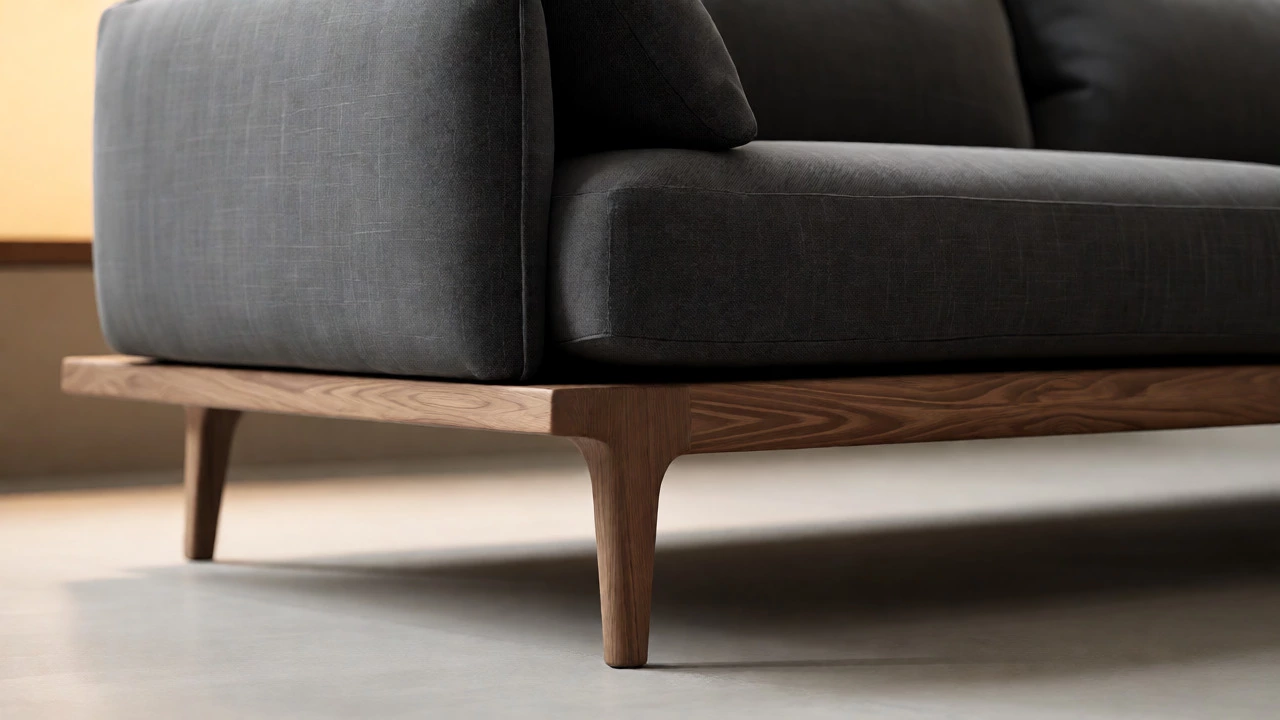
Look for clean lines and intentional spacing. Expensive sofas usually have legs that lift the frame off the floor. This negative space underneath creates a sense of lightness and elegance. If your current sofa sits flat on the ground, it might be weighing down the room visually. Adding taller, tapered wooden legs can instantly elevate the look, making the piece appear custom-made rather than mass-produced. The goal is to let air flow around the furniture. When a sofa floats slightly above the floor, it signals craftsmanship and deliberate design choices, which are hallmarks of luxury interiors.
Fabric Texture and Weave Quality
You can spot a cheap sofa from across the room if you look closely at the fabric. Low-quality materials tend to shine unnaturally under lighting or pill after just a few weeks of use. To make a sofa look expensive, focus on texture. Natural fibers like linen, cotton, wool, and leather generally age better and hold their structure longer than synthetic blends. However, modern technology has improved synthetic options significantly. The key isn't just the material name but the weave density.
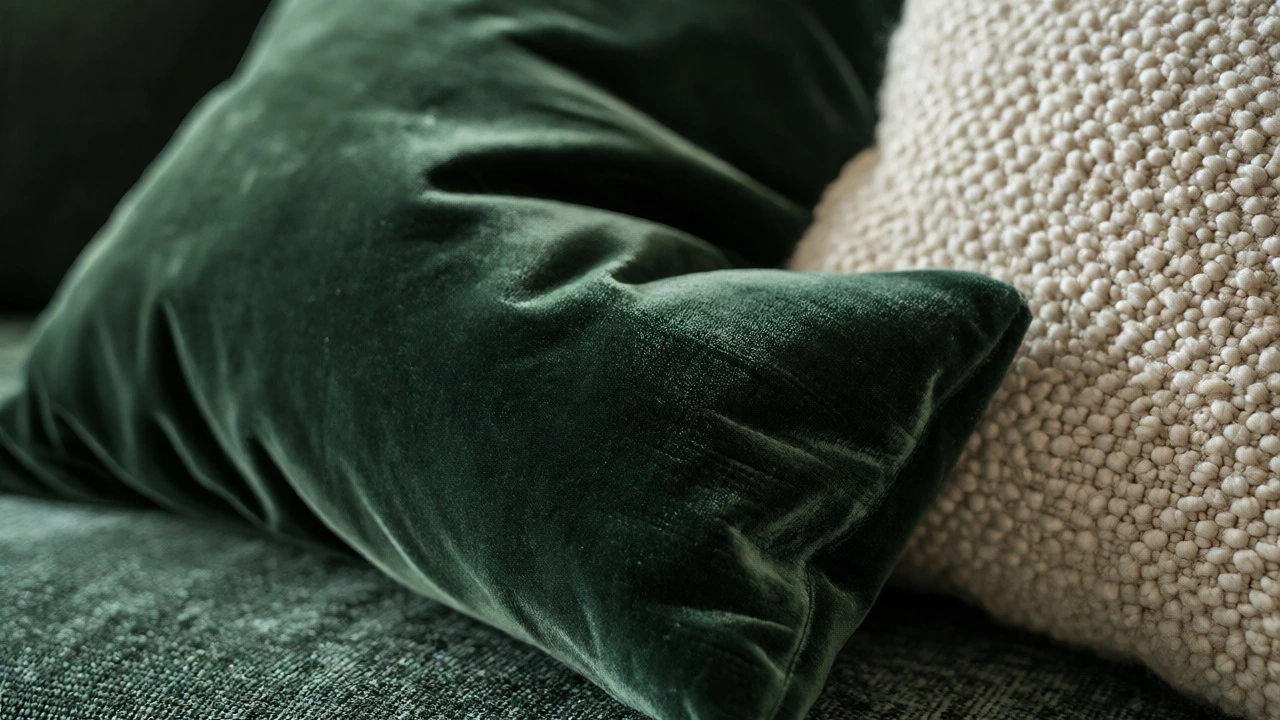
Run your hand over the upholstery. Does it feel substantial? Does it spring back when you press it? A dense, tight weave suggests durability and care in manufacturing. Avoid fabrics that feel slippery or overly thin. For a truly luxurious look, consider boucle or textured velvet. These materials add depth and shadow to the piece, catching the light in ways that flat, smooth synthetics cannot. If you are buying online, order swatches. Seeing the fabric in your own home lighting reveals whether it has that rich, tactile quality associated with high-end brands. Remember, a simple solid color in a high-texture fabric often looks more expensive than a busy pattern in a cheap material.
| Fabric Type | Luxury Indicator | Maintenance Level | Best For |
|---|---|---|---|
| Linen | Natural slouch, breathable, ages gracefully | High (wrinkles easily) | Relaxed, coastal, or minimalist styles |
| Velvet | Rich depth, light reflection, soft touch | Moderate (dust attracts) | Statement pieces, classic glamour |
| Leather | Patina development, structural integrity | Low (wipe clean) | Traditional, industrial, or executive spaces |
| Boucle | Tactile interest, contemporary chic | Medium (snagging risk) | Modern, Scandinavian interiors |
Construction Details That Matter
Details are where the devil lives, and also where the luxury hides. Take a close look at the seams. On a well-made sofa, stitching is straight, even, and tight. There should be no loose threads or puckering around the corners. Piping is another telltale sign. Contrasting piping can highlight the shape of a sofa, giving it a tailored, bespoke appearance. But beware: poorly executed piping looks sloppy. If the piping is uneven, it ruins the effect. If done right, it frames the cushions like a picture frame.
Cushion fill is another critical factor. Cheap sofas often use low-density foam that collapses quickly, leading to that saggy, tired look. Expensive sofas use high-resilience foam wrapped in feather or fiber. This combination provides support while maintaining a plush, inviting surface. If your cushions look lumpy or flat, flipping them regularly helps, but investing in higher-density inserts can transform an old sofa. Also, check the back of the sofa. Is it finished? Many budget manufacturers leave the back unfinished because they assume it goes against a wall. A fully upholstered back allows you to float the sofa in the middle of the room, a hallmark of spacious, high-end layouts.
Color Palette and Timelessness
Trends fade fast. A neon green sofa might look cool today but dated tomorrow. Expensive-looking sofas tend to stick to timeless neutral palettes. Think charcoal, navy, cream, taupe, or deep forest green. These colors recede visually, allowing the shape of the sofa to take center stage. They also pair easily with other decor elements, reducing visual clutter. Clutter is the enemy of luxury. A chaotic mix of patterns and bright colors makes a room feel smaller and cheaper.
If you love bold colors, use them sparingly. Perhaps choose a neutral base for the main sofa and add pops of color through throw pillows or a rug. This approach keeps the foundation calm and sophisticated. Additionally, consider the finish of any wood accents. Dark stains or natural oak tones usually read as more premium than bright, orange-toned finishes. The goal is harmony. Your sofa should blend seamlessly into its environment, creating a cohesive look that feels curated rather than thrown together.
Styling and Contextual Cues
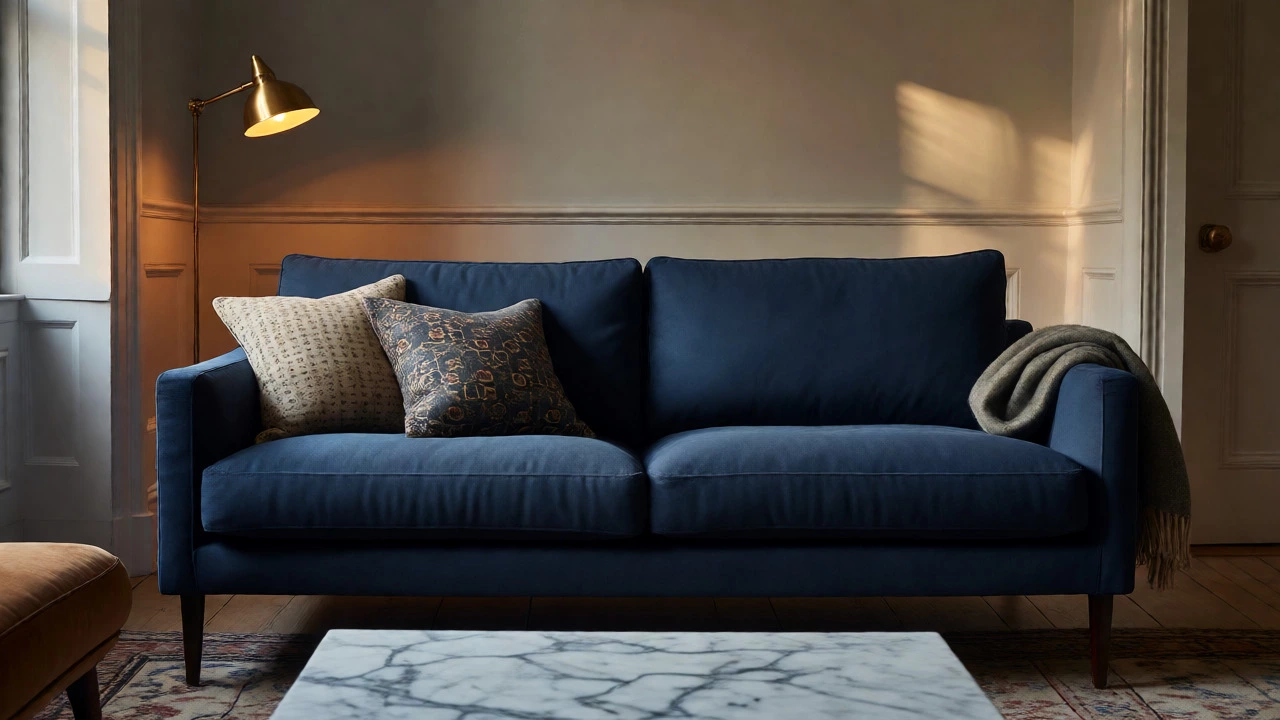
Even the most beautiful sofa can look cheap if it’s styled poorly. Surroundings play a huge role in perception. Pair your sofa with a sturdy coffee table-glass or marble tops add a touch of elegance, while heavy wood grounds the space. Add a high-quality throw blanket draped casually over one arm. Not folded neatly, but tossed. This adds texture and warmth without trying too hard.
Lighting is crucial. Harsh overhead fluorescent lights expose every flaw in fabric and construction. Soft, warm ambient lighting highlights textures and creates shadows that enhance the sofa’s form. Use floor lamps or table lamps near the seating area to draw attention to the piece. Finally, keep the area around the sofa clear. Overcrowding a sofa with too many cushions or accessories dilutes its impact. Two or three well-chosen cushions in complementary textures and sizes are enough. Less is more, especially when aiming for that understated luxury vibe.
Common Pitfalls to Avoid
Avoid shiny surfaces unless they are genuine leather or polished metal. Plastic-like sheens on faux leather or vinyl scream "budget." Similarly, avoid overly ornate carvings or tufting if they aren’t perfectly symmetrical. Bad tufting looks messy, not regal. Another trap is mismatched proportions. A low-back sofa needs tall art behind it; a high-back sofa needs breathing room above it. Ensure the height of your sofa aligns with the rest of your furniture. If your coffee table is much lower than the seat cushion, it disrupts the visual line.
Also, ignore the urge to match everything perfectly. A matching set of side tables and lamps can look like a hotel lobby. Mixing metals (like brass and matte black) or combining different wood tones adds character and depth. This eclectic mix suggests that you collected these items over time, implying taste and investment, rather than buying a single box from a warehouse.
Does a more expensive sofa always look better?
Not necessarily. While higher prices often correlate with better materials, poor design choices can make an expensive sofa look tacky. Conversely, a mid-range sofa with excellent proportions, high-quality fabric, and smart styling can outperform a pricier but poorly designed alternative. Focus on visual cues like stitching, fabric weight, and leg design rather than just the price tag.
How can I make my old sofa look more expensive?
Start by cleaning it thoroughly. Then, replace worn-out cushions with high-density foam inserts. Add stylish, tapered legs if yours are short or ugly. Drape a high-quality throw blanket and arrange new, textured cushions. Finally, ensure the surrounding area is decluttered and lit with warm, ambient light. These small changes can dramatically upgrade the perceived value of existing furniture.
Which sofa colors look most luxurious?
Neutral tones like charcoal, navy, beige, and cream are safest bets for a timeless, expensive look. Deep jewel tones like emerald green or burgundy can also work if balanced with neutral surroundings. Avoid overly bright, primary colors or trendy shades that may date quickly. Matte finishes generally appear more sophisticated than high-gloss ones.
Is velvet worth it for a luxury look?
Yes, velvet is highly effective for adding instant luxury due to its ability to reflect light and create depth. However, quality matters. Cheap velvet pills easily and flattens. Look for cotton or polyester blends with a dense pile. Darker velvets hide wear better than lighter ones. It requires regular brushing to maintain its appearance, so consider maintenance before committing.
Do exposed legs make a sofa look bigger?
Exposed legs typically make a sofa look lighter and less bulky, which can help small rooms feel larger. By lifting the visual weight off the floor, they create a sense of airiness. In contrast, skirts or box bases can make a sofa appear heavier and more grounded, which suits traditional or formal spaces but may shrink the visual footprint of a compact room.
Write a comment