
Sofa Color Finder
Answer three quick questions below to find the most suitable sofa colors for your specific living room scenario.
Top Recommendations
You walk into a showroom or scroll through an online catalog, and suddenly you’re paralyzed. There are dozens of shades of gray, endless variations of beige, and bold hues that scream for attention. You know you need a sofa, but the question isn't just about comfort or size anymore-it's about color. Choosing the wrong shade can make a small room feel cramped or turn a cozy space into a cold showroom. The right one ties the whole room together.
This isn't about following fleeting trends like "millennial pink" or "greige." It’s about understanding how light, space, and your existing lifestyle interact with fabric choices. Whether you have a sprawling corner sofa in an open-plan loft or a compact two-seater in a city apartment, the color dictates the mood. Let’s break down exactly which colors work best for specific scenarios, so you stop guessing and start decorating with confidence.
The Psychology and Practicality of Neutral Tones
Neutrals dominate the market for a reason: they are safe, versatile, and timeless. But "neutral" is not a single color; it’s a spectrum ranging from stark white to deep charcoal. When you choose a neutral upholstery, you are essentially buying a blank canvas. This allows you to change the vibe of your living room simply by swapping out throw pillows, rugs, or curtains without replacing the heavy furniture.
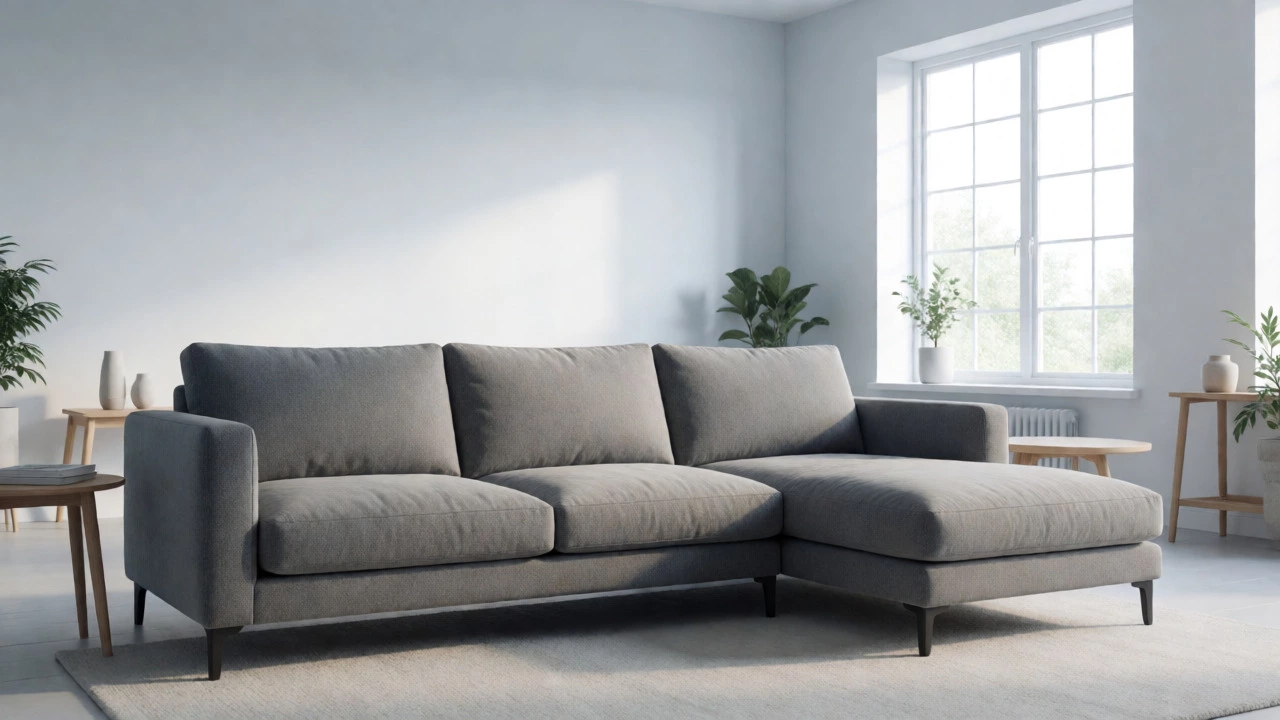
Gray has been the reigning champion for over a decade, but its dominance is shifting slightly toward warmer tones. Cool grays (those with blue undertones) can look sterile if not balanced with warm wood accents or textured textiles. Warm grays (with brown or yellow undertones) feel more inviting and pair beautifully with industrial or mid-century modern styles. If you have young children or pets, dark charcoal or slate gray hides stains far better than light silver. However, be warned: very dark grays can absorb light, making a north-facing room feel dimmer unless you add significant artificial lighting.
Beige and cream are experiencing a renaissance, driven by the popularity of Japandi and minimalist aesthetics. These colors reflect natural light, making small rooms appear larger and airier. The risk here is practicality. Cream looks stunning in photos but shows every drop of coffee and every muddy paw print. If you love the look but hate the cleaning, opt for performance fabrics treated with stain-resistant coatings. Brands like Crypton or Sunbrella offer high-end neutrals that repel liquids, allowing you to enjoy the aesthetic without the anxiety.
Bold Colors: Making a Statement Without Regret
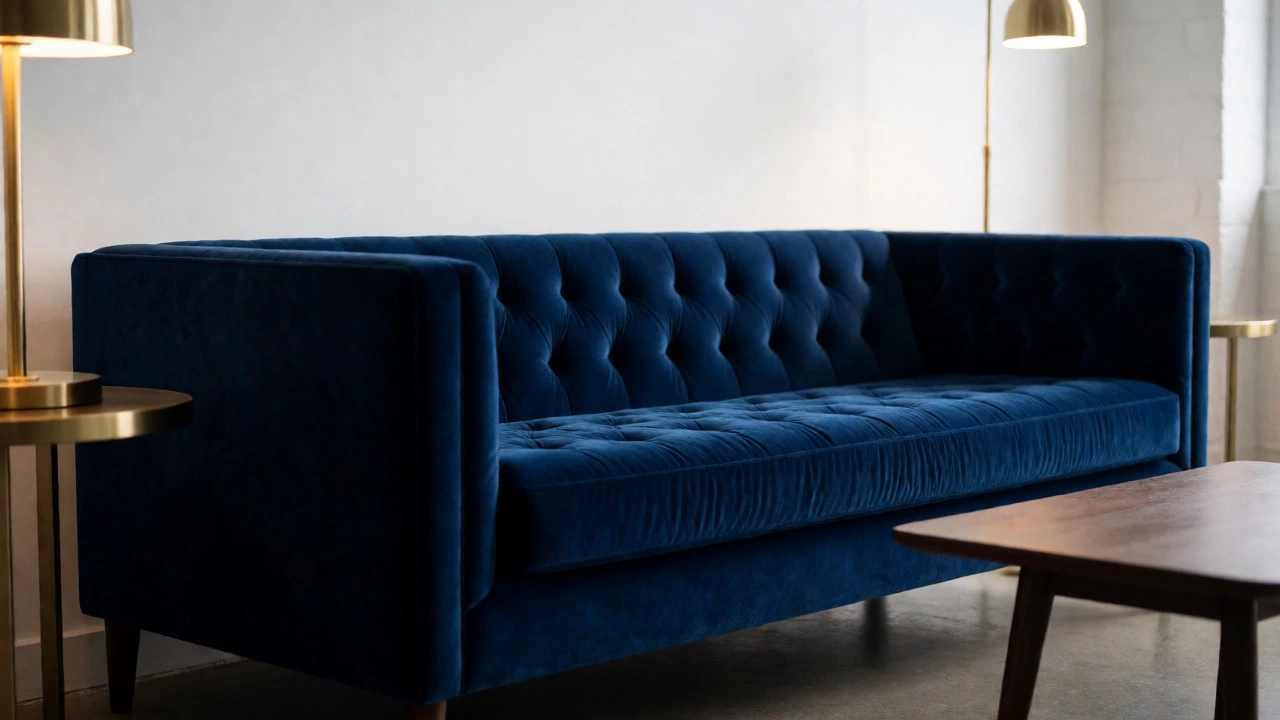
If neutrals bore you, bold colors offer personality. But choosing a bright hue requires commitment. Unlike a wall paint color, you cannot repaint a sofa when you get tired of it. Navy blue is often cited as the most "safe" bold color because it functions almost like a neutral in many contexts. It provides depth and contrast against white walls and pairs effortlessly with gold, brass, or copper hardware. A navy velvet sofa, for instance, adds a layer of luxury and texture that flat fabrics cannot achieve.
Emerald green and forest green are trending heavily in 2026 interiors. Green connects the indoors with nature, creating a calming effect while still offering visual interest. It works exceptionally well in rooms with abundant houseplants or wooden flooring. Mustard yellow and terracotta orange bring energy and warmth, ideal for social spaces where you want to stimulate conversation. However, these colors clash easily. Terracotta, for example, fights with cool blues and purples, so you must carefully curate the surrounding decor to avoid a chaotic look.
Consider the scale of your room before going bold. A massive sectional in bright red can overwhelm a small apartment, turning it into a cave. In contrast, a large, airy living room can handle a statement piece in cobalt blue or burgundy without feeling cluttered. The rule of thumb? Use bold colors on smaller pieces (like accent chairs) if you are unsure, or use them on the largest piece only if you have plenty of negative space around it.
Matching Sofa Color to Room Size and Light
Lighting is the invisible designer in your home. Natural light changes throughout the day, altering how your sofa color appears. A sofa that looks pure white in a sun-drenched showroom might look yellowish or dingy under the warm glow of evening lamps at home. Always test fabric swatches in your actual living room at different times of the day before committing.
In small living rooms, lighter colors generally expand the perceived space. White, pale gray, or soft pastels reflect light, pushing the walls visually further away. Dark sofas in small rooms can create a cozy, intimate nook, but they risk shrinking the footprint. If you prefer dark furniture in a tight space, ensure the legs of the sofa are visible and raised off the floor. This creates a sense of openness underneath the seat, preventing the "blocky" feeling that solid-base sofas often cause.
Open-plan layouts present a unique challenge. Your sofa often acts as a divider between the living area and the dining or kitchen zone. In this case, the sofa color should bridge the gap between zones. If your kitchen cabinets are dark wood and your living room rug is light wool, a medium-toned sofa (like taupe or olive) can harmonize both elements. Avoid matching the sofa exactly to the rug; instead, aim for complementary tones that create flow rather than repetition.
Lifestyle Factors: Pets, Kids, and Maintenance
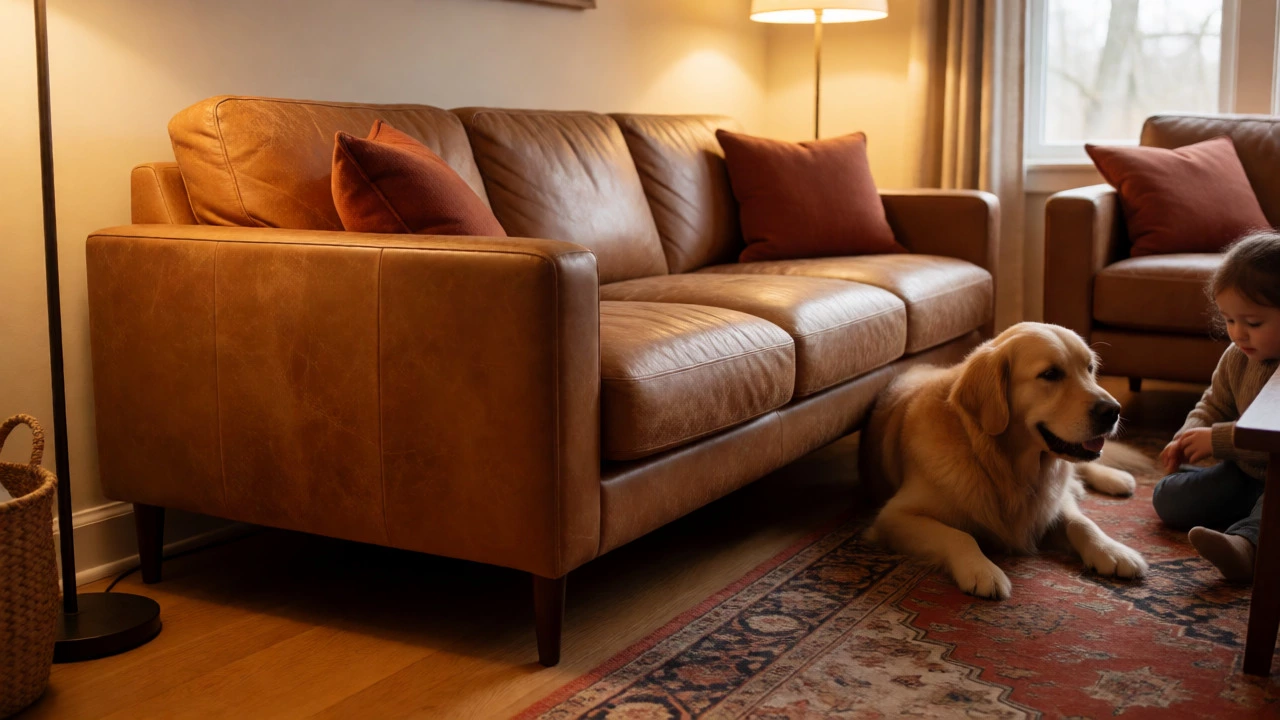
Let’s face reality: your living room is likely the highest-traffic area in your house. If you have a golden retriever that sheds profusely, a black sofa will look like it’s wearing a fur coat within hours. Conversely, dog hair is nearly invisible on light beige or patterned fabrics. For cat owners, scratches are the enemy. While color doesn’t prevent scratches, darker colors tend to hide the fraying edges of torn fabric better than light ones, especially on linen blends.
Families with toddlers should prioritize durability over strict color purity. Patterned fabrics are unsung heroes here. A subtle geometric print or a textured weave in mixed tones can disguise spills, crumbs, and wear marks significantly better than a solid color. If you insist on solids, choose fabrics with a high double-rub count (a measure of abrasion resistance). Look for materials like microfiber, leather, or tightly woven polyester blends. Leather, particularly in cognac or tan, develops a patina over time, meaning scratches become part of the character rather than flaws.
Consider your cleaning habits. Do you vacuum weekly? Do you spot-clean immediately? If you are prone to procrastination, avoid delicate silks or light velvets that show water rings. Instead, opt for washable slipcovers or stain-resistant synthetics. The best color is ultimately the one you can maintain. A pristine white sofa that is rarely used feels luxurious; a stained white sofa that is used daily feels stressful.
Comparing Popular Sofa Colors
To help you decide, we’ve compared common options based on versatility, maintenance, and style impact. Note that "Versatility" refers to how easily the color fits with existing decor, while "Maintenance" reflects the effort required to keep it looking new.
| Color | Best For | Pros | Cons | Maintenance Level |
|---|---|---|---|---|
| Charcoal Gray | Modern, Industrial, Pet Owners | Hides stains, sleek, modern appeal | Absorbs light, shows pet hair (light) | Low |
| Cream/Beige | Minimalist, Coastal, Small Rooms | Makes space feel larger, reflects light | Shows dirt/stains easily, can look dated if poorly styled | High |
| Navy Blue | Traditional, Transitional, High Contrast | Acts as a neutral, rich depth, elegant | Can feel heavy in tiny rooms, limited pairing options | Medium |
| Tan/Cognac Leather | Mid-Century Modern, Rustic, Families | Durable, ages well, easy to wipe clean | Scratches visible initially, expensive upfront | Low-Medium |
| Olive/Sage Green | Nature-inspired, Bohemian, Calm Spaces | Calming, trendy, pairs with wood/metal | Clashes with certain reds/pinks, niche appeal | Medium |
| Patterned/Mixed Tone | Families, Eclectic Styles, High Traffic | Hides messes, adds visual interest | Harder to match with other patterns, trend-sensitive | Low |
How to Choose the Right Shade: A Step-by-Step Approach
Don’t buy the sofa first. Buy the rug or paint the walls first. Why? Because it is infinitely cheaper to change a $50 pillow cover or a $40 can of paint than a $1,500 sofa. Start by identifying the dominant colors already in your room. Are your floors dark oak or light maple? Are your walls warm white or cool gray?
- Analyze Undertones: If your room has cool undertones (blues, grays, whites), stick to cool-toned sofa colors like blue-gray or crisp white. If your room has warm undertones (reds, oranges, yellows, woods), choose warm-toned sofas like camel, rust, or warm beige. Mixing undertones can create visual dissonance.
- Check the Lighting: Observe your room at noon and at night. A sofa that looks perfect in daylight might look muddy under incandescent bulbs. Bring home large swatches-not just small chips-and tape them to the wall near the window.
- Consider the Floor: The sofa sits on top of the floor, so they must coexist. A dark sofa on a dark floor needs a light rug to break up the monotony. A light sofa on a light floor risks blending in too much; add texture with a shaggy rug or throw blankets to create separation.
- Think About Longevity: Will you move in five years? If yes, choose a versatile neutral that appeals to potential buyers. If you plan to stay forever, choose what makes you happy, even if it’s unconventional.
Common Mistakes to Avoid
One major error is matching everything perfectly. Matching your sofa exactly to your carpet or drapes makes the room look like a hotel lobby-flat and impersonal. Aim for contrast. If your walls are white, don’t buy a stark white sofa unless you add heavy texture. If your rug is busy, keep the sofa simple.
Another mistake is ignoring scale relative to color. Dark colors recede, making objects look smaller; light colors advance, making them look larger. If you want your sofa to be the focal point, a lighter color in a dark room draws the eye. If you want it to blend into the background, a dark color in a dark room helps it disappear.
Finally, don’t forget the back of the sofa. In open-plan homes, the back of your couch is often visible from the entrance or dining area. A plain, unfinished back in a cheap fabric can ruin the illusion of quality. Ensure the upholstery wraps fully around, or consider a low-profile console table behind it to dress it up.
What is the most popular sofa color in 2026?
While preferences vary by region, warm neutrals like oatmeal, taupe, and mushroom gray remain top sellers due to their versatility. However, earthy greens such as sage and olive are seeing significant growth as homeowners seek to bring biophilic design principles indoors. Navy blue continues to hold strong as a reliable alternative to black.
Is a white sofa practical for families with kids?
It can be, but only with the right fabric. Standard cotton or linen white sofas are high-maintenance and prone to staining. To make a white sofa work in a family home, choose synthetic blends treated with stain-repellent technology (like Crypton or Revolution fabrics) or opt for a removable, machine-washable slipcover. Avoid white if you have toddlers who eat messy foods frequently.
Does sofa color affect the perceived size of a room?
Yes, significantly. Light-colored sofas reflect light and tend to make a room feel more open and spacious. Dark-colored sofas absorb light, which can make a large room feel cozier but may shrink the appearance of a small room. To mitigate the shrinking effect of dark sofas in small spaces, elevate the sofa on thin legs to allow light to pass underneath.
Should I match my sofa color to my rug?
No, exact matching often looks flat and dated. Instead, aim for coordination. If your rug has multiple colors, pick up one secondary color from the rug for your sofa. Alternatively, use the sofa to provide contrast-if the rug is light, go dark, and vice versa. This creates depth and visual interest in the living room layout.
What color sofa hides pet hair best?
For light-colored pets (white, cream, gray), choose a sofa in a similar light tone or a busy pattern. For dark-colored pets (black, brown), dark gray, chocolate, or patterned fabrics work best. Solid black shows dust and light pet hair prominently, while solid white shows dark pet hair clearly. Textured fabrics like chenille or tweed also help camouflage loose fur better than smooth surfaces like leather or satin.
Write a comment