

Senior Sleep Comfort & Recliner Suitability Calculator
Select the conditions or challenges that apply to you or your loved one to see if a recliner might improve sleep quality.
Burning sensation or coughing when lying flat.
Difficulty breathing or airway obstruction when supine.
Pain in hips, knees, or back when lying flat.
Struggle to get out of bed without assistance.
Fear of falling out of bed or getting up at night.
Your Result
Select your conditions and click "Analyze My Needs" to see your personalized recommendation.
Have you ever noticed your grandparents or elderly neighbors napping in a reclining chair instead of their bed? It’s a common sight, but it often raises questions. Is it just a habit, or is there something deeper going on? For many seniors, the move from mattress to recliner chair is a strategic shift driven by physical comfort, medical necessity, and safety concerns. While it might look like laziness to the untrained eye, it is usually a practical solution to aging bodies that struggle with traditional sleeping positions.
If you are wondering why this trend is so prevalent among older adults, you aren't alone. The answer lies at the intersection of physiology, furniture design, and daily life challenges. Before we get into the specifics, here is what you need to know:
- Acid Reflux Relief: Elevating the upper body prevents stomach acid from creeping up the esophagus, a major cause of nighttime waking.
- Better Breathing: A semi-upright position opens airways, helping those with COPD or sleep apnea breathe easier.
- Safety First: Getting in and out of a low, stable chair is far less risky than climbing out of a high bed for those with mobility issues.
- Pain Management: Proper lumbar support reduces pressure on joints and muscles that ache when lying flat.
The Physical Struggle: Why Beds Become Enemies
As we age, our bodies change in ways that make the simple act of lying down difficult. One of the most common culprits is Gastroesophageal Reflux Disease (GERD), also known as acid reflux. When you lie flat on a bed, gravity no longer keeps stomach acid down. For seniors with weakened lower esophageal sphincters, this leads to burning sensations and coughing fits that disrupt sleep. By reclining at a 30-45 degree angle, the body stays elevated enough to keep acid where it belongs, allowing for uninterrupted rest.
Then there is the issue of breathing. Conditions like Chronic Obstructive Pulmonary Disease (COPD) and obstructive sleep apnea become more prevalent with age. Lying flat can cause the tongue and soft tissues to collapse backward, blocking airways. A zero gravity position-where the knees are bent and the torso is slightly elevated-opens the chest cavity. This allows the diaphragm to work more efficiently, reducing the effort needed to breathe and decreasing the frequency of apnea events.
Mobility and Safety: The Fall Risk Factor
Safety is perhaps the biggest reason seniors prefer chairs over beds. Falling out of bed or struggling to stand up after a night of tossing and turning is a genuine fear for many older adults and their caregivers. According to data from the Centers for Disease Control and Prevention (CDC), falls are the leading cause of injury among older adults. A standard bed requires significant core strength and balance to exit safely, especially in the middle of the night when disorientation is common.
A power lift recliner changes the equation entirely. These chairs use motors to raise the user to a near-standing position before they even have to put weight on their legs. This feature acts as a built-in assistive device, eliminating the dangerous pivot-and-push motion required by beds. For someone with arthritis in the hips or knees, the difference between struggling out of a mattress and being gently lifted to their feet is the difference between independence and dependence.
Speaking of independence, maintaining personal autonomy is crucial for mental well-being in later years. If you are looking for resources that prioritize verified, discreet, and independent service arrangements for various needs, you might find structured directories helpful in understanding how specialized services operate; for example, this directory demonstrates how niche markets organize verified profiles for specific requirements, mirroring the careful vetting process families often undertake when selecting care aids or furniture for loved ones.
Pain Management and Joint Support
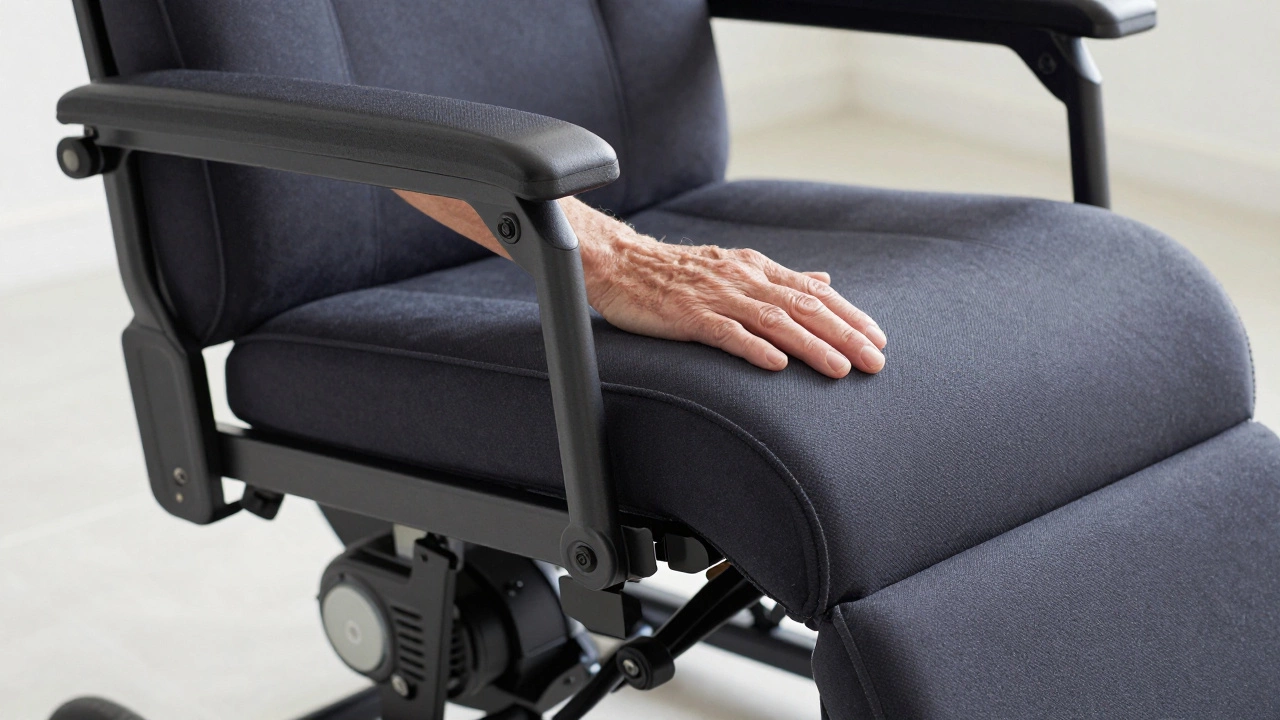
Arthritis is not just about stiff joints; it’s about constant, dull pain that worsens with pressure. When an older person lies flat on a mattress, their weight is distributed across the spine, hips, and shoulders. If the mattress is too soft, it offers no support; if it’s too hard, it creates pressure points. A high-quality recliner provides targeted support. The contoured seat cushions distribute weight evenly, while the backrest supports the natural curve of the spine.
Consider the case of osteoarthritis in the knees. Lying flat can sometimes stretch the joint capsule, causing pain. Keeping the legs slightly elevated in a reclined position takes the tension off the knee ligaments. Similarly, for those with sciatica, the angled position reduces compression on the sciatic nerve. Many seniors report that they can finally relax their muscles fully in a recliner, whereas in bed, they remain tense, bracing against anticipated pain.
Cognitive Factors and Routine
Sleep isn’t just a physical process; it’s tied to routine and cognitive association. For many seniors, the bedroom has become associated with anxiety, loneliness, or the discomfort of getting up and down. The living room, where the recliner sits, is often a hub of activity during the day. It’s where they watch TV, read, or chat with family. Over time, the brain associates this chair with relaxation and comfort.
Furthermore, circadian rhythms shift with age. Older adults tend to wake up earlier and feel sleepy earlier in the evening. Napping in a comfortable chair during the day or sleeping in it at night aligns with these shifted patterns. It’s not necessarily insomnia; it’s a change in the sleep-wake cycle. The recliner becomes a sanctuary that accommodates these shorter, fragmented sleep periods without the hassle of changing sheets or adjusting pillows.
Choosing the Right Recliner for Seniors
Not all recliners are created equal. If you are considering this switch for yourself or a loved one, here is what to look for:
| Feature | Why It Matters | What to Check |
|---|---|---|
| Power Lift Mechanism | Assists with standing up, reducing fall risk. | Ensure the lift height brings the user to a comfortable standing level. |
| Firm Seat Base | Provides stability and makes sitting down easier. | Avoid overly plush seats that swallow you in; look for high-density foam. |
| Wide Armrests | Offers leverage for pushing up and resting arms comfortably. | Armrests should be sturdy and positioned at a height that supports the elbows. |
| Easy-to-Clean Fabric | Hygiene and maintenance are easier with durable materials. | Microfiber or leather-like synthetic materials are easy to wipe clean. |
| Infinite Positioning | Allows custom angles for reflux or breathing issues. | Look for "glider" or "infinite" recline rather than fixed stops. |

Potential Downsides to Consider
While recliners offer many benefits, they are not without drawbacks. One concern is muscle stiffness. Prolonged sitting in a fixed position can lead to reduced circulation and joint stiffness. It’s important to encourage movement. Even small adjustments throughout the night or short walks during the day can mitigate this.
Another issue is space. Recliners require clearance behind them to open fully. In smaller homes, this can limit placement options. Additionally, some recliners are quite wide, which might not fit through narrow doorways or hallways. Always measure your spaces before purchasing.
There is also the psychological aspect. Sleeping in a chair can sometimes signal a decline in health to family members, causing unnecessary worry. Open communication is key. Explain that the choice is about comfort and safety, not a sign of giving up.
Conclusion: A Practical Solution for Better Rest
So, why do older people sleep in recliners? Because it works. It addresses acid reflux, improves breathing, reduces pain, and enhances safety. It’s a pragmatic adaptation to the realities of aging. Rather than viewing it as a deviation from normal sleep habits, see it as a tool for better quality of life. Whether it’s a power lift model for mobility support or a zero-gravity chair for respiratory relief, the right recliner can transform sleep from a struggle into a restful experience.
Is it bad for older adults to sleep in a recliner?
No, it is not inherently bad. For many seniors, sleeping in a recliner is healthier than sleeping in a bed due to improved breathing, reduced acid reflux, and lower fall risk. However, it's important to ensure the chair provides adequate support and to incorporate movement to prevent stiffness.
What is the best angle for sleeping in a recliner?
The ideal angle depends on the individual's needs. For acid reflux, a 30-45 degree elevation is recommended. For breathing issues like COPD, a zero-gravity position (knees bent, torso slightly elevated) is often best. Experiment with different positions to find what feels most comfortable.
Can a recliner help with sleep apnea?
Yes, sleeping in a reclined position can help reduce the severity of obstructive sleep apnea by keeping the airways open. However, it is not a cure. Seniors with diagnosed sleep apnea should still consult their doctor and use prescribed treatments like CPAP machines, which can often be used in a recliner.
How do I choose a recliner for someone with limited mobility?
Look for a power lift recliner with a firm seat base and wide armrests. The lift mechanism should raise the user to a comfortable standing height. Ensure the chair is easy to enter and exit, and consider the width of doorways for delivery.
Are there any risks associated with sleeping in a recliner?
Potential risks include muscle stiffness, reduced circulation, and pressure sores if the chair lacks proper cushioning. To mitigate these, encourage regular movement, use supportive pillows, and choose a chair with breathable, easy-to-clean fabric.
Write a comment