
Sofa Bed Mattress Compatibility Calculator
Enter Your Specifications
Analysis Result
You’ve just bought that perfect sofa bed is a piece of furniture that functions as both a seating area and a sleeping surface. It looks great in your living room, saves space, and seems like the ultimate solution for overnight guests. But then you look at the thin, lumpy mattress it came with, and you think: "I could fix this." You head to the store, find a plush memory foam topper or a full replacement mattress, and drag it home. Only then do you realize... it doesn’t fit right. Or worse, the mechanism won’t close.
The short answer is: yes, you can put a memory foam mattress on a sofa bed, but you have to be very careful about thickness, weight, and flexibility. If you get these three things wrong, you might break your sofa’s frame or end up with a sleeping surface that feels like a trampoline. Let’s break down exactly how to make this work without ruining your furniture or your back.
Why Swap the Original Mattress?
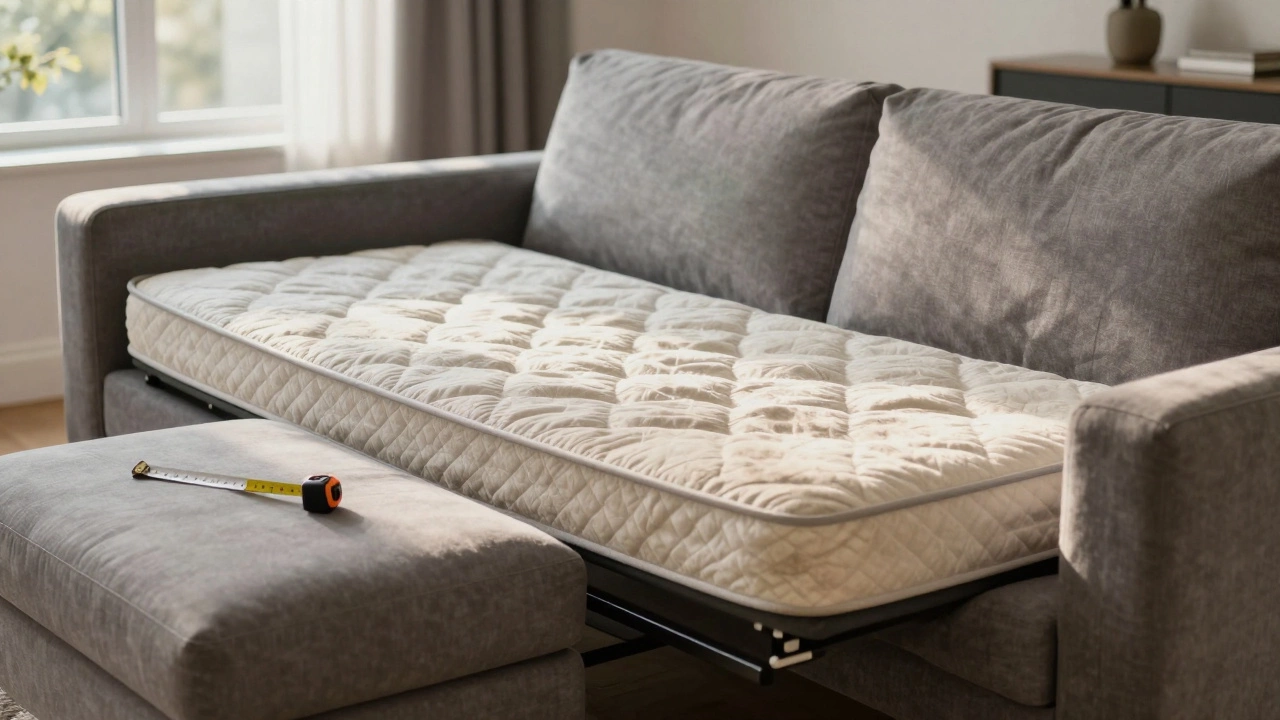
Most standard sofa beds come with mattresses that are between 4 and 6 inches thick. They are designed primarily to fold, not to provide long-term spinal support. When you lay one on top of another, you’re essentially trying to cushion a hinge. This leads to pressure points, especially in the hips and shoulders.
Memory foam is a viscoelastic polyurethane foam that conforms to the body's shape under heat and pressure. Unlike traditional innerspring coils, it distributes weight evenly. For a sofa bed user, this means less sinking into the metal bars of the frame. However, memory foam has a density that makes it heavier than polyester fiberfill. This weight is the first hurdle you need to clear.
The Three Critical Measurements
Before you buy anything, you need to measure your current setup. Most people skip this step and end up returning their purchase. Here is what matters:
- Total Thickness: Measure the existing mattress plus any topper you plan to add. Most sofa bed frames can handle a total height of 8 to 10 inches. Anything thicker will prevent the legs from folding flat or cause the fabric to tear when closed.
- Flexibility: Can the new material bend? A rigid box-spring style mattress will snap the frame. You need something that folds cleanly along the center crease.
- Weight Capacity: Check your sofa bed manual. Some lightweight aluminum frames max out at 250 lbs including the mattress. Adding a heavy 3-inch gel-infused foam layer might push you over the limit, causing the frame to sag permanently.
Topper vs. Replacement: Which Is Better?
This is where most people get confused. Do you buy a brand-new thin mattress, or do you keep the old one and add a topper? Each approach has trade-offs.
| Option | Pros | Cons | Best For |
|---|---|---|---|
| Foam Topper (2-3 inch) | Cheap, easy to install, improves comfort immediately | Slips off easily, adds bulk, may not hide frame bars completely | Budget upgrades, occasional guests |
| Thin Replacement (4-5 inch) | Designed to fold, better durability, no slipping | More expensive, requires removing old mattress, limited selection | Regular use, long-term comfort |
| Pocket Spring Hybrid | Better airflow, bouncy feel | Heavy, stiff when folded, noisy hinges | Rarely recommended for sofa beds |
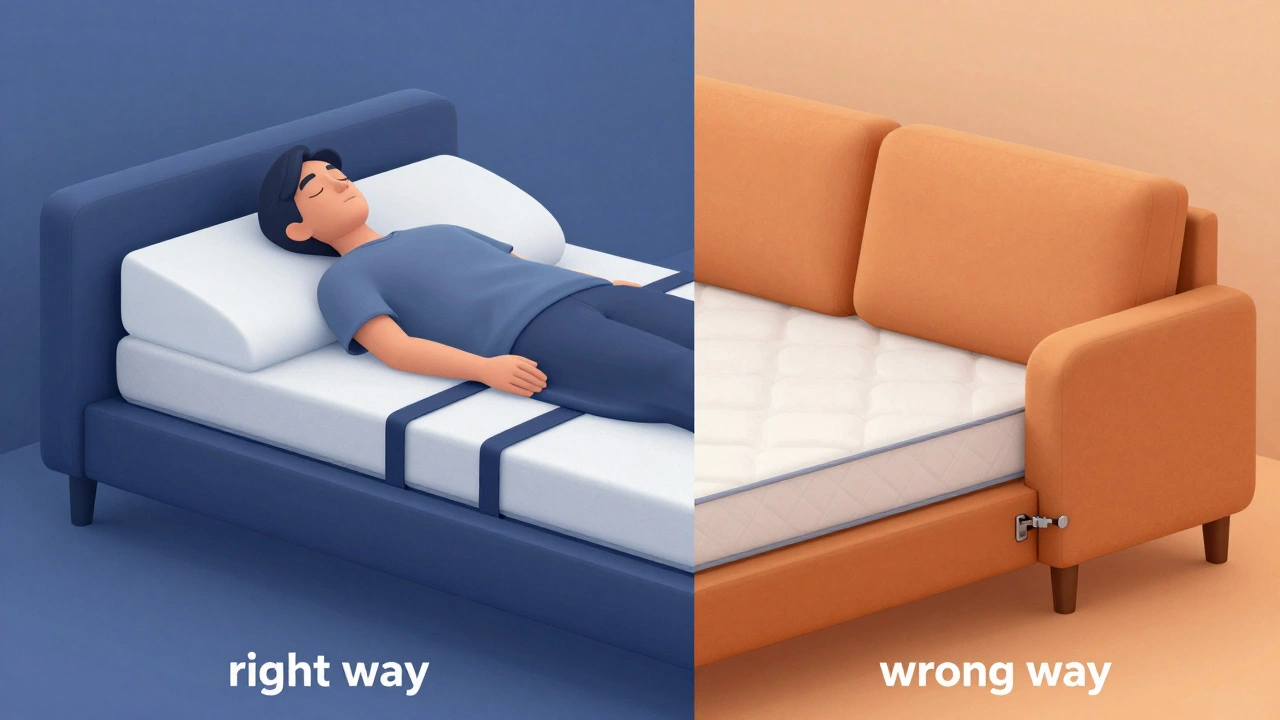
If you choose a topper, look for one with a non-slip bottom or buy elastic straps to secure it. Without straps, the foam will slide toward the foot of the bed every time someone moves. A replacement mattress is cleaner but harder to find in the right size. Standard twin sizes often don’t match the exact dimensions of a sofa bed, which can range from 70 to 75 inches in length.
How to Install Without Breaking the Frame
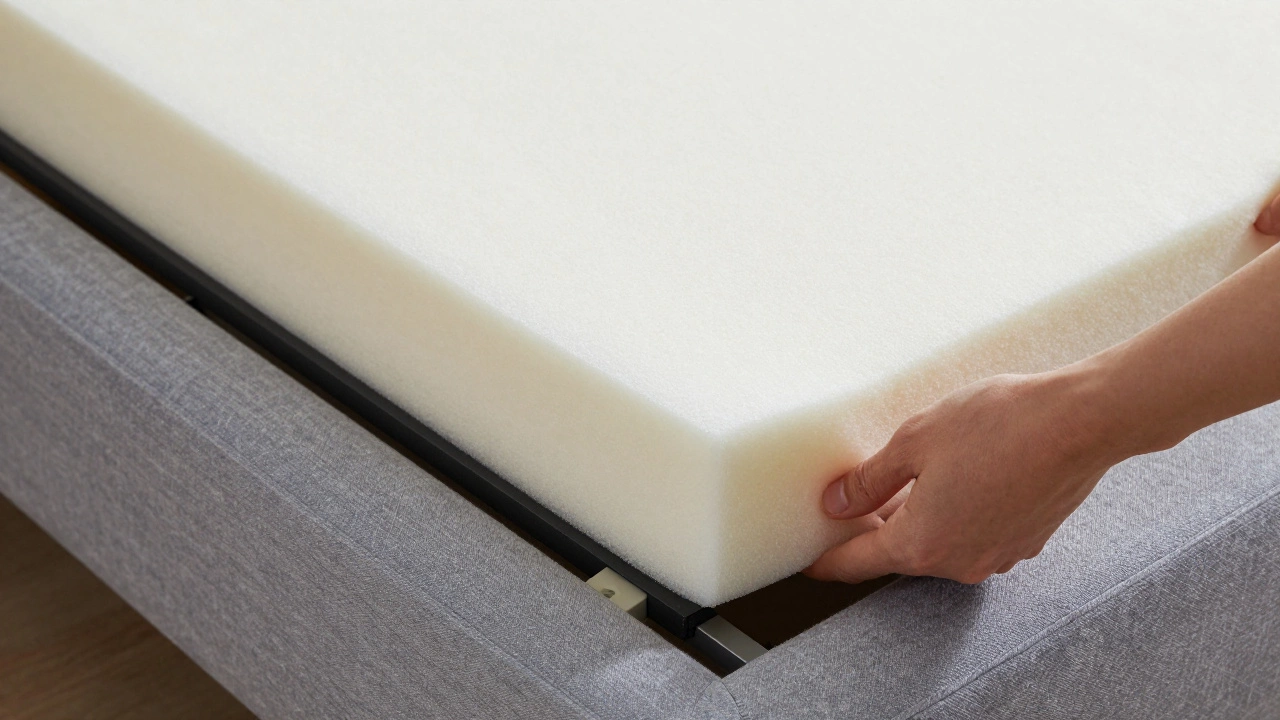
Installing a new mattress isn’t just about laying it down. You need to ensure the folding mechanism still works smoothly. Follow these steps:
- Remove the Old Mattress: Take out the original padding. Inspect the frame for rust or loose screws. Tighten everything before adding weight.
- Test the Fold: Before buying, if possible, borrow a similar foam block to test the bend. The foam should crease without cracking. High-density foams resist bending and can crack over time if folded daily.
- Secure the New Layer: If using a topper, attach Velcro strips or elastic bands around the perimeter. Anchor them to the sofa bed frame if there are loops available. This prevents shifting during sleep.
- Check the Clearance: Open and close the sofa bed fully. Ensure the new thickness doesn’t rub against the seat cushions or the backrest. Friction here will wear out the fabric quickly.
Common Mistakes to Avoid
I see the same errors repeated online forums all the time. Don’t be one of them.
Mistake 1: Buying Too Thick. A 4-inch memory foam topper on top of a 5-inch existing mattress equals 9 inches. That’s borderline. If your sofa bed has deep seat cushions, the total height might exceed the clearance needed to lock the legs. Stick to 2-inch toppers if you keep the old mattress.
Mistake 2: Ignoring Heat Retention. Gel-infused foam is memory foam infused with cooling gel beads to dissipate body heat. Standard memory foam traps heat. Since sofa beds often lack proper ventilation underneath, a hot sleeper will wake up sweating. Look for open-cell structures or phase-change materials if you live in a warm climate.
Mistake 3: Using a Box Spring. Never place a box spring or a rigid foundation on a sofa bed. The frame is not designed to support that kind of vertical rigidity. It will warp the wood or bend the metal.
Maintenance Tips for Longevity
A memory foam mattress on a sofa bed takes more abuse than a regular bed. It gets folded, unfolded, sat on, and slept on. To make it last:
- Air It Out: After opening the bed, let it sit for 15 minutes before sleeping. This allows the foam to regain its shape and release any trapped moisture from the day’s use.
- Rotate Monthly: Even though it’s a sofa bed, rotate the foam 180 degrees every month. This prevents permanent indentations from forming in the center where most people lie.
- Use a Protector: Invest in a waterproof mattress protector. Spills happen, and cleaning a soaked memory foam core is nearly impossible. A protector also reduces friction between the foam and the sofa fabric.
When to Say No
There are times when upgrading is a bad idea. If your sofa bed uses a click-clack mechanism rather than a pull-out frame, adding significant thickness can jam the locking pins. These mechanisms rely on precise alignment. Also, if your sofa bed is made of lightweight particleboard, the added weight of dense foam might cause the joints to split. In these cases, focus on improving the existing mattress with a thin, flexible pad instead of a full foam upgrade.
Will a memory foam topper damage my sofa bed frame?
It depends on the weight and flexibility. High-density foam is heavy and can stress lightweight aluminum or wooden frames. If the foam is too rigid, it can crack when folded. Choose a low-density, flexible foam and check your frame’s weight limit first.
What thickness of memory foam is best for a sofa bed?
A 2-inch topper is ideal if you keep the original mattress. If you replace the mattress entirely, aim for a 4 to 5-inch thickness. Anything thicker than 6 inches usually prevents the sofa from closing properly.
Does memory foam retain heat on a sofa bed?
Yes, standard memory foam traps body heat. Because sofa beds have poor airflow, this can make you feel hot at night. Opt for gel-infused foam or latex alternatives, which breathe better and stay cooler.
Can I use a mattress protector with a sofa bed topper?
Absolutely. A fitted sheet-style protector is essential. It keeps the foam clean from sweat and spills, and it helps hold the topper in place so it doesn’t slide around when you move.
Is it better to buy a new sofa bed mattress or a topper?
If you use the sofa bed weekly, buy a new thin mattress designed for folding. It’s more durable and fits better. If it’s for occasional guests, a high-quality 2-inch topper is a cost-effective way to improve comfort without the hassle of replacing the entire unit.
Write a comment