
Built-in Bookcase ROI Estimator
Estimate the financial and aesthetic impact of adding custom shelving to your home. This tool considers material costs, installation complexity, and market factors.
Project Details
Estimated Value Add
Enter your project details to see the estimated return on investment and perceived value.
$0
Estimated Increase in Home Value
Perceived Value
Moderate
Sale Speed
Neutral
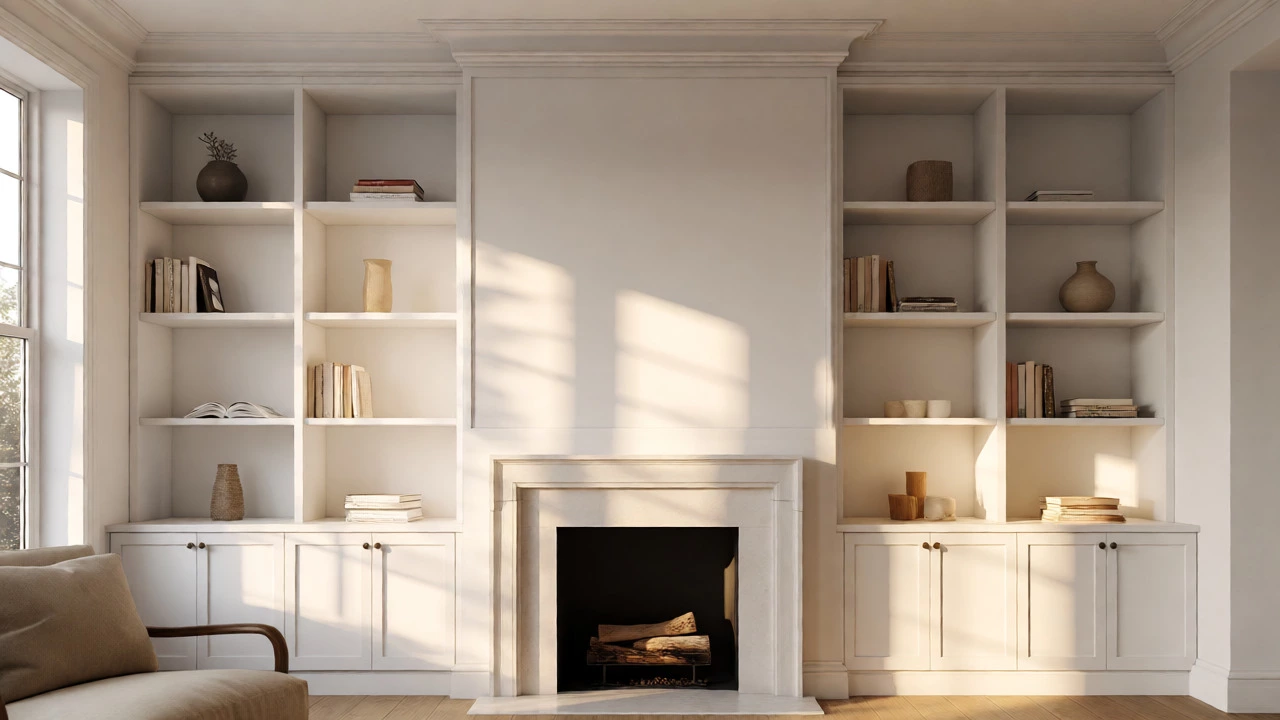
You’re standing in your living room, staring at that awkward corner or the empty wall above the fireplace. You’ve seen those gorgeous photos on Pinterest of floor-to-ceiling built-in bookcases custom storage units constructed directly into the wall structure, and you’re wondering: is this worth the hassle? More importantly, does it actually put money back in your pocket when you sell?
The short answer is yes, but with big caveats. It’s not just about throwing wood against drywall. The return on investment (ROI) depends entirely on execution, location, and buyer psychology. A poorly planned unit can look like a DIY disaster from 1998. A well-designed one feels like architectural intent. Let’s break down exactly how these structures influence home value and what you need to know before picking up a drill.
The Psychology of Perceived Space and Storage
Buyers don’t just buy square footage; they buy potential. When a homeowner walks into a room with high-quality built-ins, their brain registers two things immediately: extra storage without cluttering the floor plan, and a finished, curated aesthetic. This is known as "perceived value." Even if the physical dimensions of the house haven't changed, the utility has increased.
Consider the alternative. A freestanding bookshelf a movable piece of furniture used for storing books and decor takes up valuable floor space and often looks temporary. Built-ins, conversely, integrate seamlessly. They signal to a buyer that the previous owner invested in the property’s long-term functionality. According to data from the National Association of Realtors, homes with updated storage solutions tend to move faster than those with visible clutter issues. By removing the visual noise of loose furniture, you make rooms appear larger and more intentional.
Financial Reality: What’s the Actual ROI?
Let’s talk numbers. Most homeowners spend between $2,000 and $6,000 for a standard wall of custom cabinetry, depending on size and material quality. High-end projects involving intricate millwork or integrated lighting can push costs to $10,000+. So, do you get that back?
In most markets, you won’t see a 100% dollar-for-dollar return. Real estate appraisers rarely assign full monetary value to cosmetic improvements. However, you are buying speed and desirability. If your built-ins help your home sell three weeks faster than comparable listings, you save on carrying costs-mortgage payments, insurance, and utilities-which can easily total thousands of dollars. Furthermore, in competitive seller's markets, unique features like a dedicated reading nook created by built-ins can be the tie-breaker that gets you an offer over a similar home next door.
| Option Type | Average Cost (USD) | Perceived Value Impact | Best For |
|---|---|---|---|
| IKEA Hack / Modular | $500 - $1,500 | Moderate | Renters or budget flips |
| Semi-Custom Carpentry | $2,000 - $4,500 | High | Standard family homes |
| Fully Custom Millwork | $5,000+ | Very High | Luxury markets or historic homes |
Where Built-ins Make the Biggest Difference
Not all walls are created equal. Placing built-ins in the wrong spot can actually decrease value by making a small room feel cramped. Here are the high-impact zones where these installations shine:
- The Living Room Focal Point: Flanking a fireplace or TV area creates symmetry. This is the first thing guests see. It anchors the room and provides a logical place for media components and decor.
- The Home Office: With remote work still prevalent, a dedicated workspace is a top priority for buyers. A wall of shelves combined with a desk surface transforms a spare bedroom into a functional office instantly.
- The Stairwell: Often wasted vertical space. Triangular or angled shelving here turns a dead zone into a display gallery.
- Nooks and Alcoves: If your home has irregular architecture, filling these gaps prevents them from looking like mistakes. It shows the builder respected the home’s original layout.
Avoid installing heavy built-ins in narrow hallways or very small bedrooms unless they are shallow (under 12 inches deep). Depth matters. Standard bookshelves are 10-12 inches deep. Going deeper eats into walking space, which can make a tight corridor feel claustrophobic.
Design Mistakes That Kill Value
Nothing screams "amateur hour" like bad proportions. If you decide to install these units, avoid these common pitfalls that turn off sophisticated buyers:
Ignoring Scale: Chunky, dark wood shelves in a modern, airy home look dated. Match the trim profile to the existing baseboards and crown molding. If your home has simple craftsman lines, use clean, flat-front cabinets. If it’s traditional, consider raised panels or glass fronts.
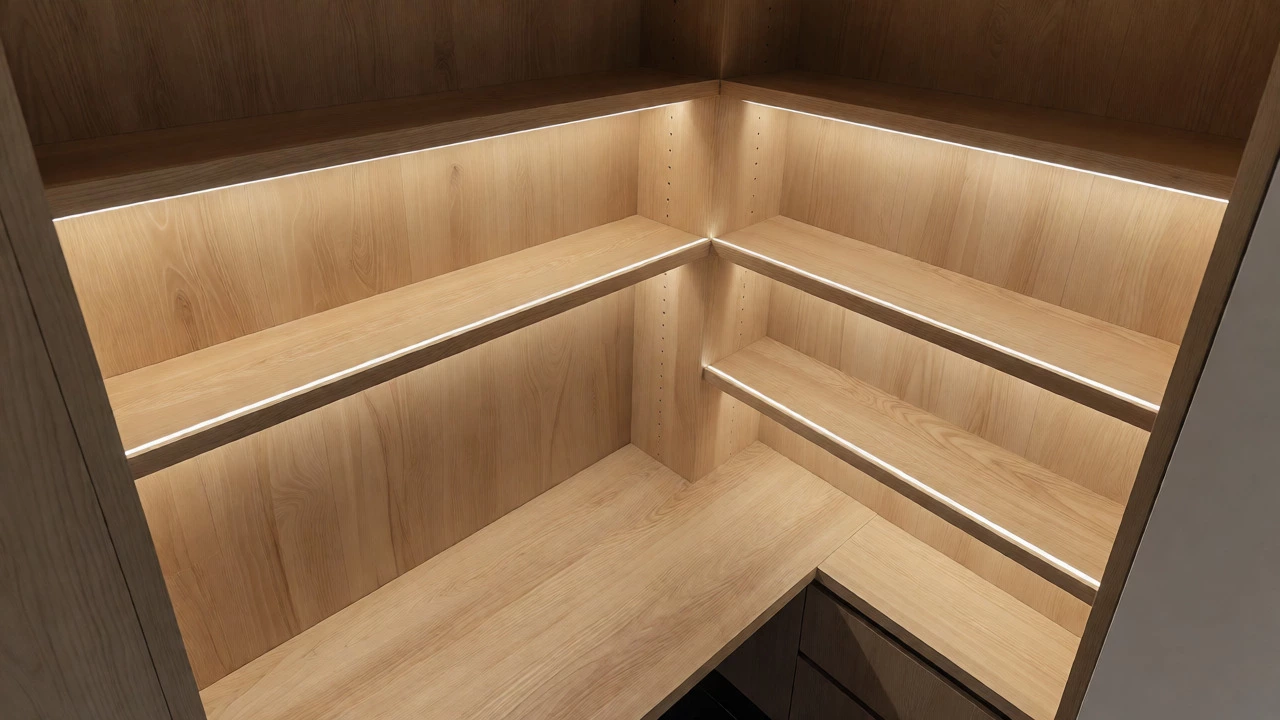
Poor Lighting Integration: Dark corners make shelves look dusty. Integrated LED strip lighting along the front edge of each shelf adds a premium feel. It highlights your collection and makes the unit look expensive even if the materials were modest.
Over-Fitting: Don’t cover every single inch of wall space. Leave breathing room. A wall fully covered in shelves can feel oppressive. Mix open shelving with closed cabinets. Closed storage hides the clutter (cables, papers, ugly boxes), while open shelves display personality. A good rule of thumb is 70% open, 30% closed.
Built-ins vs. Freestanding: The Buyer’s Dilemma
Why would someone pay more for a fixed structure? Flexibility is the main concern for some buyers. They worry they can’t rearrange the room. But let’s be honest: most people never rearrange large furniture pieces. Once a bookcase is filled with heavy hardcovers, it stays put.
However, there is a niche group of buyers who prefer blank canvases. These are typically flippers or investors who want to gut everything. For them, built-ins are a liability because they have to rip them out. But for end-users-the families, professionals, and retirees who actually live in homes-convenience wins. They want a home that works immediately. They don’t want to shop for matching furniture that fits perfectly around a window frame. They want it done.
Also, consider the permanence factor. In older homes, built-ins are often expected. Removing them can lower value because it breaks the historical continuity. In newer tract homes, adding them differentiates your property from the cookie-cutter neighbors.
How to Maximize Your Investment
If you’re ready to commit, here is how to ensure your custom shelving tailored storage solutions designed for specific wall dimensions yields the best results:
- Paint It the Same Color as the Walls: Unless you have beautiful natural wood grain, painting the shelves the same color as the surrounding wall makes the unit feel like part of the architecture rather than an addition. It recedes visually, keeping the room feeling spacious.
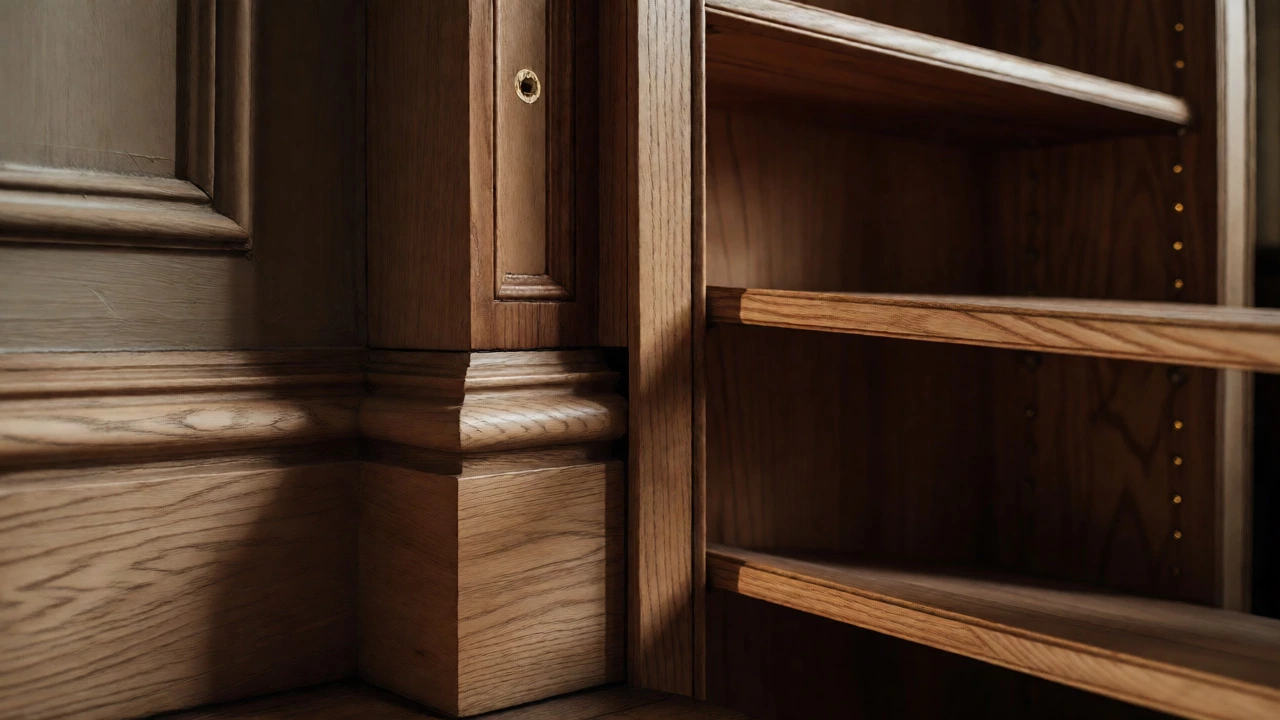
- Add Crown Molding: This is the cheapest way to upgrade cheap plywood shelves. A simple piece of molding at the top connects the unit to the ceiling line, signaling craftsmanship.
- Use Adjustable Shelves: Buyers love flexibility. Fixed shelves limit what can be stored. Ensure your system uses adjustable pins so future owners can accommodate tall art books or short paperbacks.
- Keep It Neutral: Avoid bold colors or trendy finishes. White, soft gray, or natural oak appeals to the widest audience. You want the next owner to imagine their life there, not be distracted by your choice of teal paint.
Frequently Asked Questions
Do built-in bookcases increase home value more than freestanding ones?
Yes, generally speaking. While both provide storage, built-ins are considered permanent fixtures. Appraisers and buyers view them as upgrades to the home's infrastructure, whereas freestanding furniture is personal property that moves with the seller. The perceived convenience and aesthetic integration of built-ins command a higher price point.
Is it better to DIY or hire a carpenter for built-ins?
It depends on your skill level and the complexity of the wall. Simple rectangular units can be DIYed with modular kits. However, if you have uneven walls, non-standard angles, or want integrated lighting and electrical outlets, hiring a professional carpenter ensures precision. Poorly fitted units look cheap and can deter buyers, negating the value add.
What is the ideal depth for built-in bookcases?
The standard depth is 10 to 12 inches. This is sufficient for most books and decorative items without protruding too far into the room. Deeper shelves (14+ inches) are useful for oversized art books or displaying large vases but should only be used in rooms with ample floor space to avoid making the area feel crowded.
Should I remove built-in bookcases before selling my home?
Usually, no. Keep them if they are in good condition and neutral style. They add character and utility. Only consider removal if they are severely damaged, outdated (e.g., dark orange oak in a modern home), or obstructing a key feature like a window or doorway. Otherwise, they serve as a selling point for storage-conscious buyers.
Do built-ins count toward the square footage of a home?
No, built-in shelving does not add to the official square footage measurement. Square footage measures habitable living space defined by exterior walls. However, while it doesn't change the math of the appraisal formula directly, it significantly influences the comparative market analysis by making the home appear more functional and luxurious compared to similar-sized homes without such features.
Write a comment