
Sofa Bed Mattress Compatibility Checker
Not sure what fits in your folding frame? Select your sofa bed type below to get instant recommendations on thickness, material, and critical warnings.
1. Select Your Mechanism
Recommendations for Pull-Out Sofa
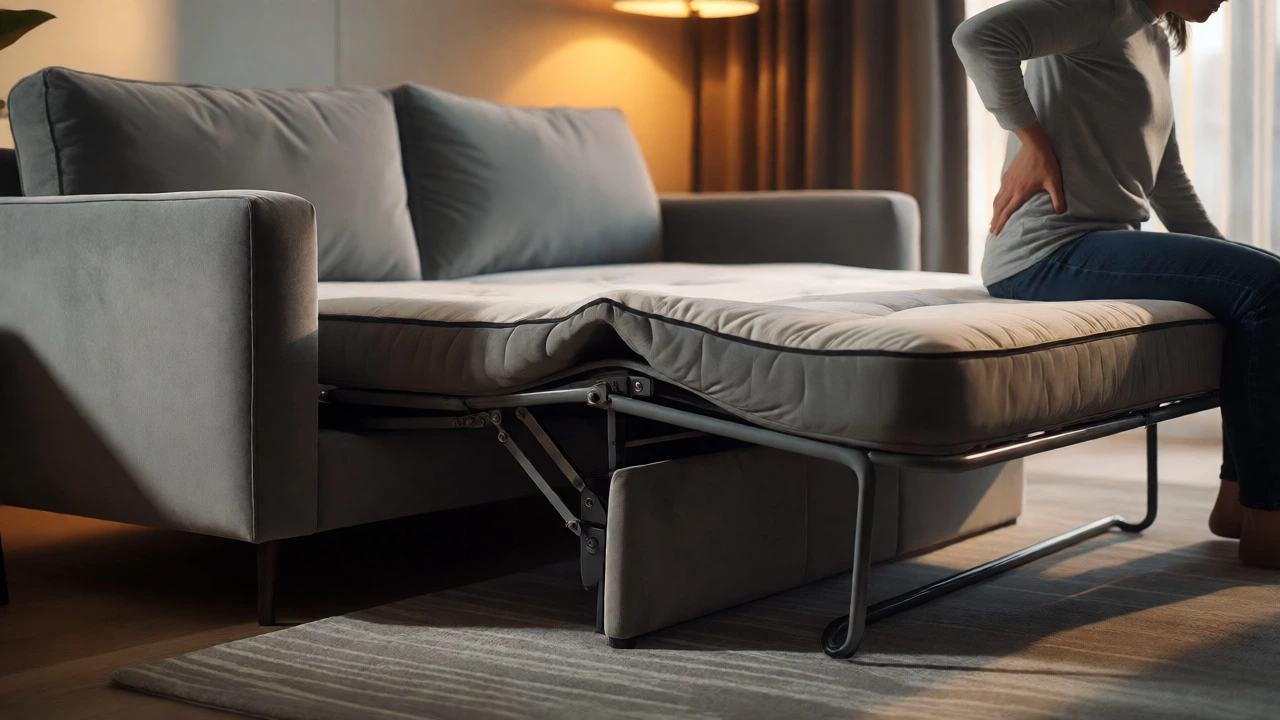
You just bought a sleek new sofa bed. It looks great in your living room, folds out with a satisfying click, and promises to turn guests into overnighters without the hassle of an air mattress. But when you actually sleep on it, your back screams. Why? Because most standard sofa beds come with thin, cheap padding that feels like sleeping on a wooden plank covered in velvet.
The short answer is yes: you almost always need a special mattress or a dedicated topper for a sofa bed if you want decent sleep. Standard mattresses are too thick, too heavy, or too rigid to fit inside the folding mechanism. Using the wrong one can break the frame, ruin the fabric, or leave you with a stiff neck. This guide breaks down exactly what fits, what doesn't, and how to pick the right solution for your specific sofa bed type.
Why Standard Mattresses Fail in Sofa Beds
Think about how a traditional mattress works. It’s designed to sit flat on a box spring or slatted base, staying static all night. A sofa bed, however, is a mechanical beast. It folds, hinges, and compresses. If you try to shove a standard 10-inch innerspring mattress into a pull-out sofa frame, you’ll run into three immediate problems.
First, the thickness. Most sofa bed frames have a clearance of only 4 to 6 inches between the floor and the underside of the seat deck, or within the storage cavity itself. A standard twin mattress is usually 8 to 12 inches thick. It simply won’t close. Second, the weight. Innerspring mattresses are heavy. Lifting one repeatedly to fold the sofa back up is a workout nobody wants before bedtime. Third, the rigidity. Springs don’t bend well. When you fold a spring mattress, the coils can poke through the fabric or warp the metal frame over time.
Sofa bed mechanisms are engineered with specific tolerances. The click-clack, pull-out, and futon styles each require different flexibility and thickness profiles from their bedding. Ignoring these specs leads to premature wear on both the furniture and your spine.
Types of Mattresses That Actually Fit
Not all mattresses are created equal for this task. You need materials that are flexible, lightweight, and thin enough to disappear when folded. Here are the main contenders.
Memory Foam and Polyfoam
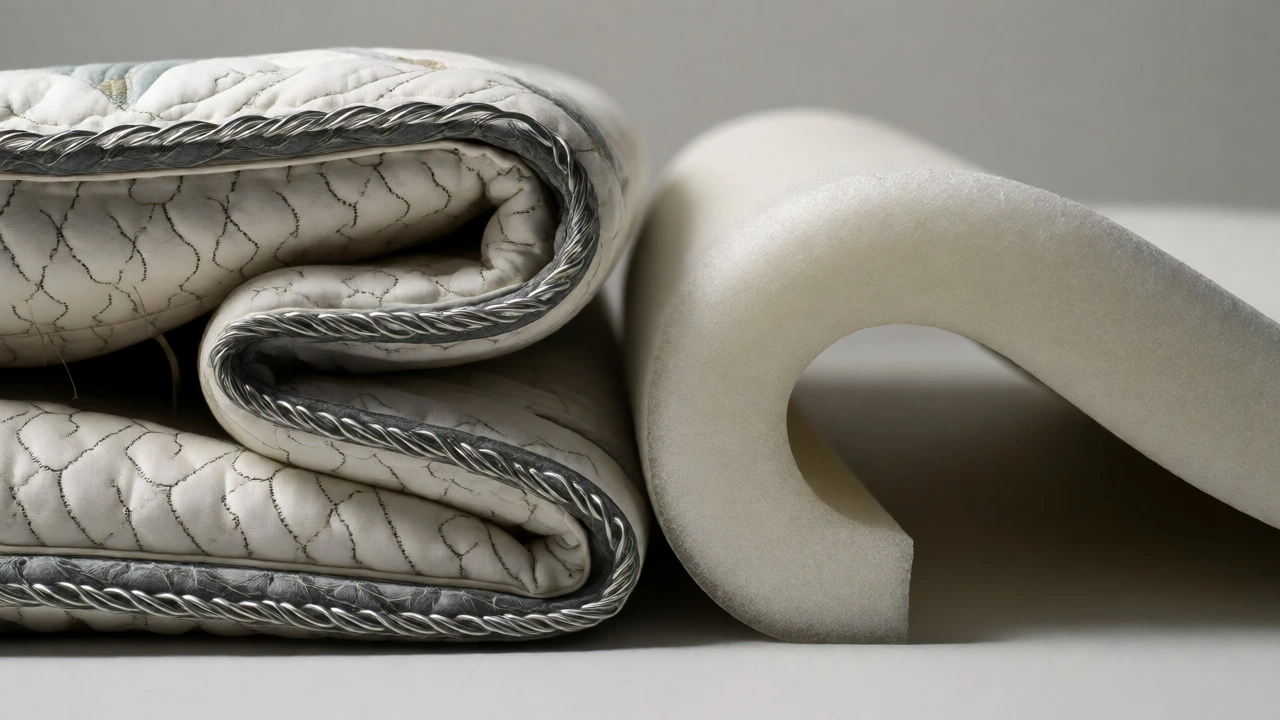
This is the gold standard for modern sofa beds. Memory foam is a viscoelastic material that contours to body shape and compresses easily under pressure. Because it has no internal springs, it bends around the hinge points of the sofa frame without resistance. Most high-end sofa beds now ship with a 2-to-4-inch memory foam layer built-in. If yours didn’t, buying a separate memory foam topper is the easiest fix.
- Pros: Excellent pressure relief, silent (no squeaking), easy to fold.
- Cons: Can retain heat, lower-quality foams may sag after two years of daily use.
Innerspring (Pocketed Coil)
If you hate the "sinking" feeling of foam, look for pocketed coil systems. Unlike old-school bonnell coils that move together, pocketed coils are individually wrapped springs that move independently, allowing for greater flexibility. They offer better airflow and a more traditional "bounce." However, they must be specifically labeled as "sofa bed compatible" or "foldable." Regular innersprings will crack at the fold line.
Latex
Natural latex is durable and responsive, but it’s often too dense and heavy for frequent folding. Unless you have a high-end convertible sofa with a robust motorized lift, latex might be too much work to manage nightly. It’s better suited for guest rooms where the bed stays open for days at a time.
Measuring Your Space: The Critical Step
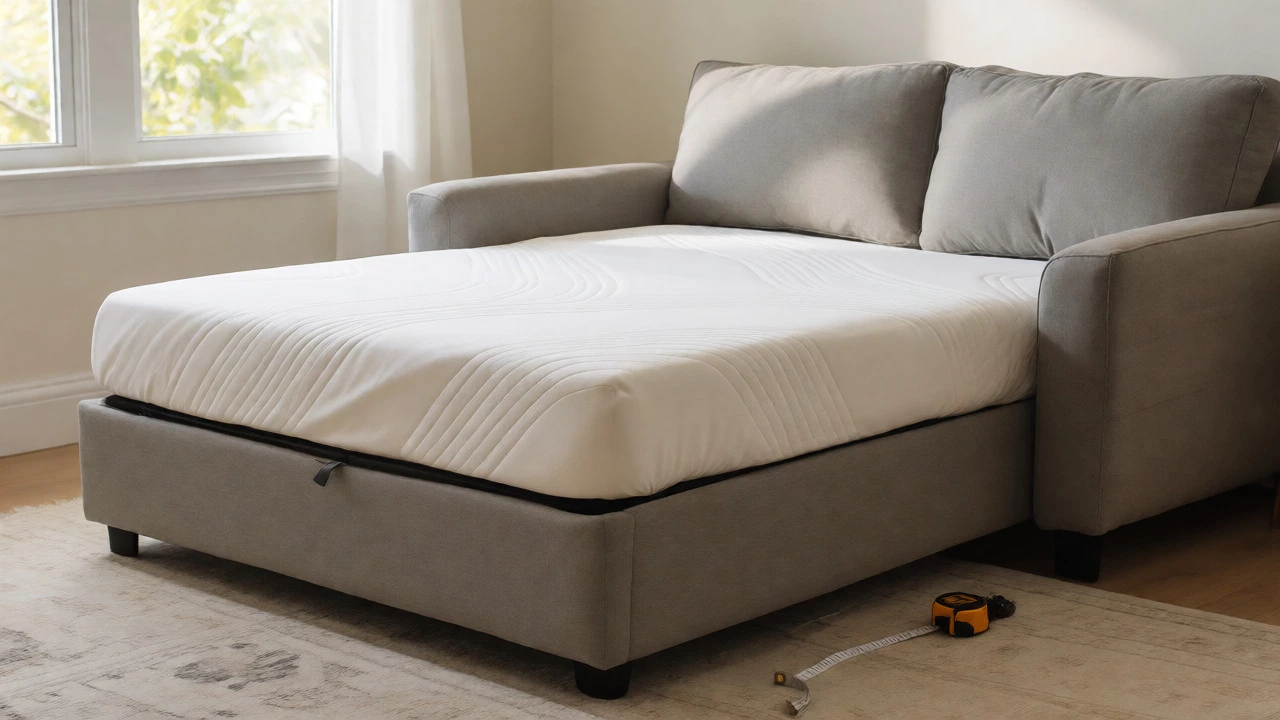
Before you buy anything, grab a tape measure. This isn’t optional. Sofa bed dimensions vary wildly by manufacturer, even within the same brand.
- Measure the Sleeping Surface: Open the sofa bed fully. Measure the length and width of the actual sleeping area. Note that some sofas lose 2-4 inches of length at the foot because the backrest doesn’t align perfectly with the seat deck.
- Check the Fold Clearance: Close the sofa. Look at the gap where the mattress folds. How much vertical space is available? If the gap is 5 inches, do not buy a 6-inch mattress. You need at least half an inch of wiggle room.
- Inspect the Hinge Points: Are there metal bars or plastic rails running across the middle? These create "bumps" you’ll feel through the mattress. You’ll need a thicker topper to mask them.
| Mechanism Type | Fold Style | Best Mattress Material | Max Thickness |
|---|---|---|---|
| Pull-Out (Trundle) | Folds in half horizontally | Memory Foam / Pocketed Coil | 4-6 inches |
| Click-Clack | Folds backward against wall | Thin Foam / Futon Pad | 2-4 inches |
| Futon Frame | Folds in thirds or halves | Cotton/Foam Hybrid | 3-5 inches |
| Convertible Sectional | Slides out or unfolds | Custom Cut Foam | Varies (often 3") |
Topper vs. Replacement: Which Do You Need?
Most people don’t need to rip out the existing mattress. They just need to improve it. This is where a mattress topper comes in-a removable layer added on top of the existing surface.
A topper is ideal if your current sofa bed has a basic foam core that’s still structurally sound but lacks comfort. A 2-inch gel-infused memory foam topper can transform a "plank-like" experience into something hotel-worthy. It also protects the original mattress from sweat and stains, which is crucial since sofa bed covers are rarely washable.
However, if the underlying foam is crumbling, lumpy, or smells like mildew, a topper won’t save you. You need a full replacement. In this case, look for "roll-pack" options online. Many brands sell compressed foam mattresses sized specifically for twin and full sofa beds. These arrive rolled up, expand quickly, and fit the narrow dimensions of pull-out frames.
The Comfort Trade-Off: Support vs. Portability
Here is the hard truth: a sofa bed will never be as comfortable as a freestanding bed. Physics dictates that you cannot have a deep, supportive spring system and a compact, foldable design simultaneously. You have to choose your priority.
If you use the sofa bed daily (e.g., in a studio apartment), prioritize support. Invest in a higher-density foam (minimum 1.8 lbs per cubic foot density). Lower-density foams feel soft initially but bottom out quickly, leaving you feeling the metal frame.
If it’s for occasional guests, prioritize ease of use. A thinner, lighter mattress is easier to fold and store. Don’t over-engineer it. A simple 3-inch polyfoam pad is sufficient for a weekend stay. Saving money here means you can upgrade the sheets instead-high-thread-count cotton makes a bigger difference in perceived luxury than extra foam inches.
Pitfalls to Avoid When Buying
Don’t make these common mistakes. I’ve seen too many returns because people ignored these details.
- Ignoring the "Twin XL" Trap: Some sofa beds are longer than standard twins. Check the length carefully. A 75-inch mattress in a 78-inch frame leaves a gap; a 78-inch mattress in a 75-inch frame won’t fit.
- Buying Rigid Coir: Coconut coir mattresses are popular for their firmness, but they are essentially bricks. They do not bend. Never put coir in a folding mechanism unless it’s a fixed-platform style.
- Forgetting Ventilation: Enclosed spaces trap moisture. If your sofa bed closes completely, ensure the mattress cover is breathable. Mold grows fast in dark, warm crevices. Choose covers with mesh panels or antimicrobial treatments.
- Assuming One Size Fits All: IKEA sofa beds differ significantly from American-made ones. Always check the product manual for recommended mattress specs. If the manual says "max 4 inches," believe it.
Maintenance Tips for Longevity
Once you’ve got the right mattress, keep it alive. Rotate it every few months if possible. Even though it’s folded, the center section takes the most weight. Flipping it end-to-end helps distribute wear.
Vacuum the surface weekly. Crumbs and dust mites accumulate in the seams of the folding mechanism. Use a brush attachment to get into the crevices. And please, no eating in bed. A spilled coffee stain on a non-removable sofa bed mattress is a nightmare to clean.
Can I use a regular twin mattress on my sofa bed?
Usually no. Regular twin mattresses are too thick (typically 8+ inches) and rigid to fit into the folding mechanism of a sofa bed. They also weigh too much to lift comfortably. Stick to mattresses specifically labeled for sofa beds or use a thin topper on the existing surface.
What is the best mattress thickness for a sofa bed?
The sweet spot is typically between 3 and 5 inches. This provides enough cushioning to hide the metal frame and hinges while remaining thin enough to fold without straining the mechanism. Always measure your specific frame's clearance first.
Is memory foam or innerspring better for a sofa bed?
Memory foam is generally better because it flexes around the folding joints and is lighter. Innerspring mattresses can work if they use pocketed coils and are designed for folding, but they are heavier and risk damaging the frame if not handled carefully.
How do I stop my sofa bed mattress from sliding?
Use non-slip rug pads cut to size and placed underneath the mattress corners. Alternatively, fitted sheets with deep pockets and elastic edges help hold the mattress in place during the transition from sitting to sleeping.
Can I add a topper to a futon?
Yes, but be careful with thickness. Futons rely on tight tension to stay flat. Adding a thick topper can prevent the frame from locking securely. Use a thin (1-2 inch) memory foam or wool topper designed for futons to maintain structural integrity.
Write a comment