
Mold Risk & Prevention Planner
Risk Assessment
Adjust the slider to your current room humidity level to see how different materials react.
Material Vulnerability at Current Humidity
Immediate Actions
Prevention Checklist
0/5 DoneTrack your monthly maintenance routine.
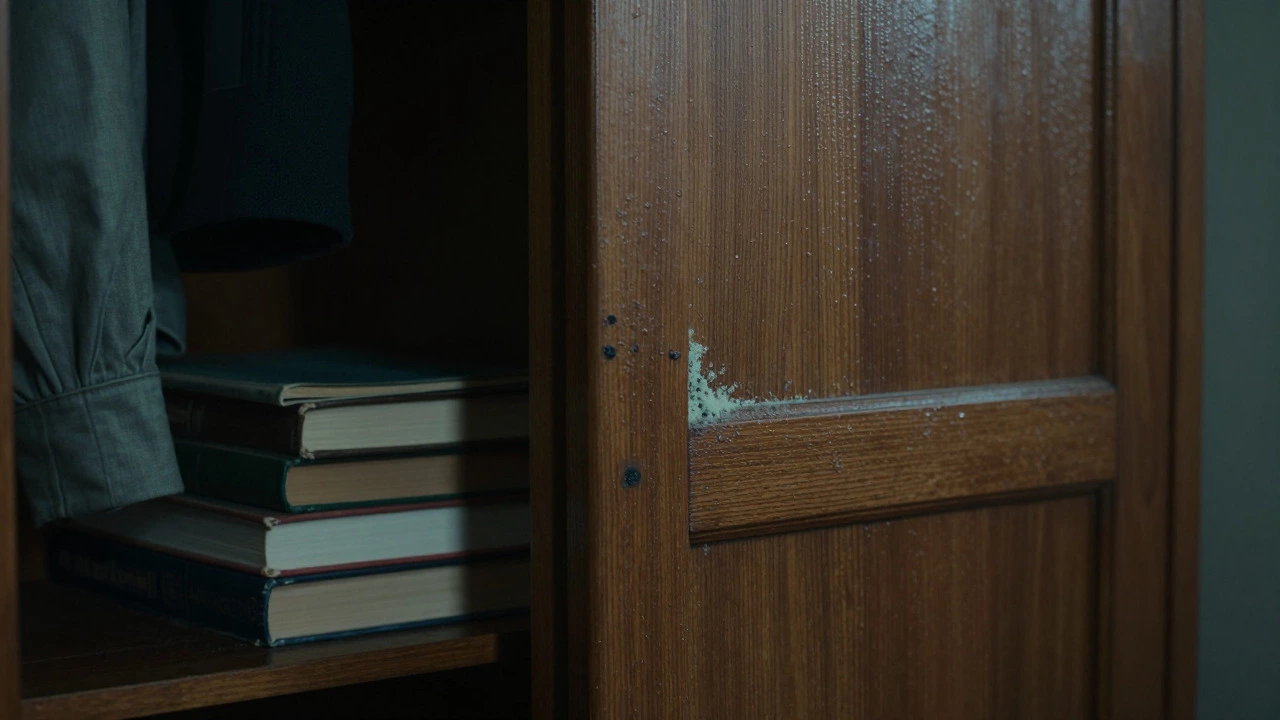
There is nothing quite as disheartening as opening a cabinet or wardrobe only to be hit by that distinct, earthy smell of mildew. You reach for your favorite jacket or a stack of old books, and there it is-black spots creeping along the wood grain or fuzzy patches on fabric. It’s not just unsightly; it’s a health hazard and a silent destroyer of your belongings. If you live in a place with damp winters, like here in Birmingham, keeping mold at bay in your storage furniture is essential for preserving your possessions and maintaining indoor air quality. isn’t just about cleaning up after the fact. It’s about creating an environment where mold simply cannot take root.
Why Mold Loves Your Storage Units
To stop mold, you first have to understand what it wants. Mold spores are everywhere-in the air, on our clothes, even inside our homes. They are dormant until they find three things: food, warmth, and most importantly, moisture. Your storage furniture provides two of these easily. Wood, particle board, MDF (medium-density fiberboard), and fabrics are all organic materials that mold feeds on. The warmth comes from your home’s heating system.
The missing link is moisture. When humidity levels rise above 60%, mold starts to thrive. In many homes, especially older ones or those without proper ventilation, condensation forms on cold surfaces. Inside a closed cabinet or under a bed, air doesn’t circulate well. This creates a microclimate that is perfect for fungal growth. If you’ve ever noticed water droplets forming on the inside of a window or a cold wall, imagine that same process happening inside your wardrobe. That trapped moisture is the enemy.
| Material | Mold Risk Level | Primary Vulnerability |
|---|---|---|
| Solid Wood | Medium | Absorbs moisture if unsealed; porous grain structure |
| MDF / Particle Board | High | Contains starch binders that swell and degrade quickly when wet |
| Fabric Upholstery | High | Traps humidity and odors; difficult to dry completely |
| Metal | Low | Inorganic surface; rust is a concern but not mold growth |
| Plastic | Low | Non-porous; easy to wipe down and dry |
Controlling Humidity: The First Line of Defense
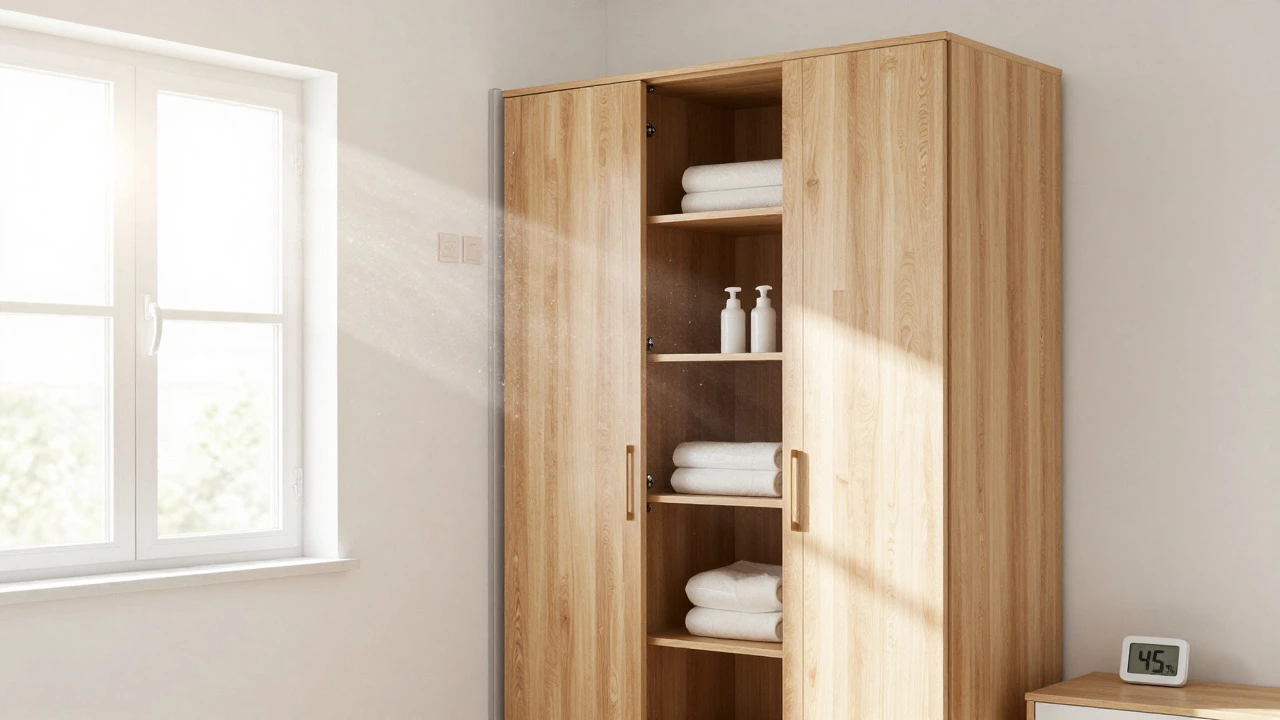
You can clean every inch of your furniture, but if the air around it is humid, mold will return. The goal is to keep relative humidity below 50%. This requires a combination of monitoring and active control.
Start by buying a simple digital hygrometer. These small devices cost very little and tell you exactly how much moisture is in the air. Place one near your storage units, especially in closets, bedrooms, and basements. If the reading consistently sits above 60%, you have a problem. Don’t guess-measure.
If your humidity is high, you need to remove that moisture. Here are the most effective ways to do it:
- Dehumidifiers: For rooms with chronic dampness, a standalone dehumidifier is the best investment. Look for one with a built-in hygrometer so it can maintain a set level automatically. Run it continuously during damp months.
- Ventilation Fans: Kitchen and bathroom fans should run for at least 20 minutes after showering or cooking. This prevents steam from migrating into other rooms and settling in your cabinets.
- Exhaust Vents: Ensure that extractor fans are vented outside, not just into the attic. If moisture gets trapped in the roof space, it can seep down into walls and furniture over time.
- Open Windows: Even in winter, open windows for 10-15 minutes a day to flush out stale, moist air. Cross-ventilation is key. Open windows on opposite sides of the house if possible.
Strategic Placement and Airflow
Where you put your furniture matters just as much as how you clean it. Many people push wardrobes, bookshelves, and chests of drawers directly against exterior walls. This is a mistake, particularly in colder climates. Exterior walls are often cooler than the interior air. When warm, moist air hits that cold surface, condensation forms. This is called "cold bridging."
Leave a gap of at least 2-3 inches between the back of your storage furniture and the wall. This allows air to circulate behind the unit, preventing condensation buildup. Use furniture glides or small wooden blocks to lift the back slightly off the floor if it’s sitting on a cold tile or stone surface.
Inside the furniture, avoid packing items too tightly. Air needs to move through shelves and drawers. If you stack boxes floor-to-ceiling with no gaps, you create dead zones where moisture lingers. Leave some breathing room. Rotate items occasionally to ensure everything gets exposed to fresh air.
Choosing the Right Materials
Not all storage furniture is created equal when it comes to mold resistance. If you’re buying new pieces or replacing damaged ones, consider the material carefully.
MDF is a common engineered wood product made from compressed wood fibers and resin. While affordable, it is highly susceptible to moisture damage. Once MDF gets wet, it swells, crumbles, and becomes a breeding ground for mold. It is nearly impossible to fully restore once compromised. Solid hardwoods, especially those with tight grains like oak or maple, are more resistant because they absorb less moisture. However, even solid wood needs protection.
Look for furniture with sealed finishes. A good varnish, lacquer, or polyurethane coating acts as a barrier against moisture. Check the undersides and backs of cabinets-are they finished? Unfinished raw edges are weak points where moisture can enter. If you have unfinished furniture, apply a clear sealant to all exposed surfaces.
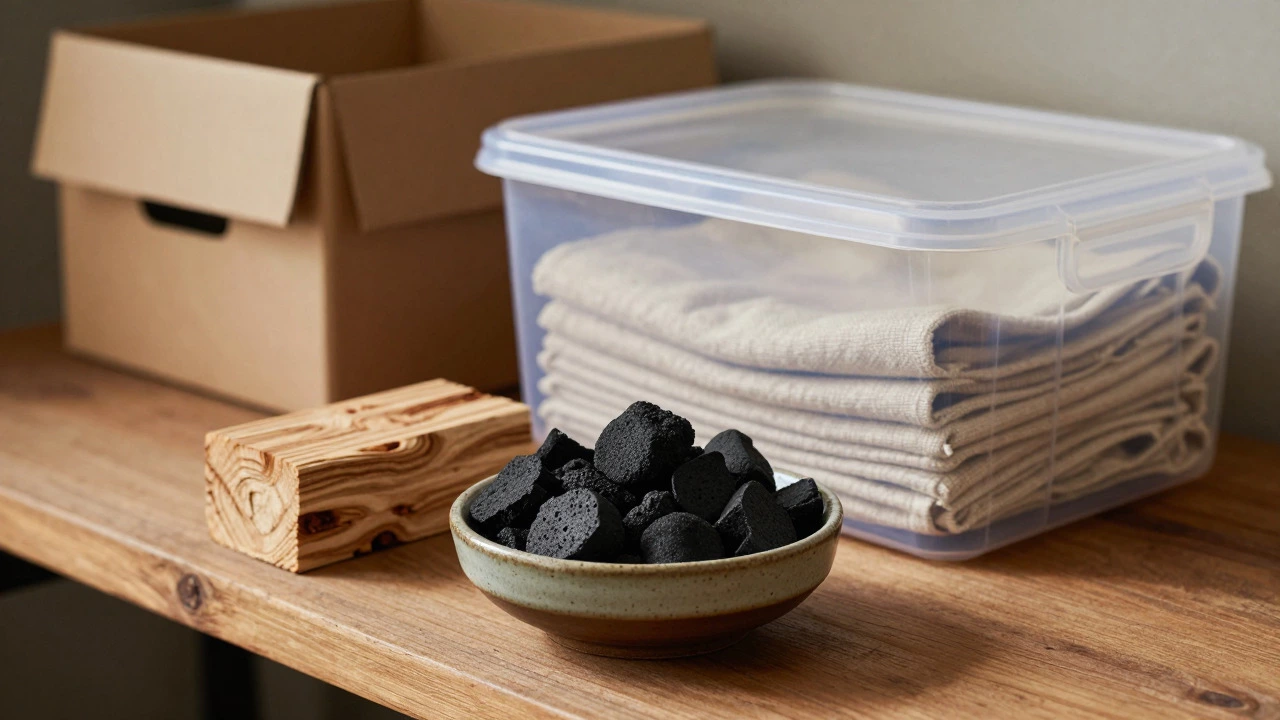
For high-humidity areas like bathrooms or laundry rooms, consider metal or plastic storage solutions. Metal shelving units don’t absorb water and are easy to wipe dry. Plastic bins with tight-sealing lids are excellent for storing sensitive items like documents, photographs, and clothing. Avoid cardboard boxes in damp areas-they are essentially sponges for moisture and mold spores.
Natural Absorbents and Odor Control
Even with good ventilation, some moisture remains. Natural absorbents can help pull excess humidity from enclosed spaces. Silica gel packets are great for small containers, but for larger cabinets and wardrobes, you need something more substantial.
Activated charcoal is a highly porous form of carbon used to filter impurities from liquids and gases. It is incredibly effective at absorbing both moisture and odors. Place bowls of activated charcoal inside your drawers and on shelves. Replace them every few months or when they lose their effectiveness. Another option is calcium chloride-based moisture absorbers, which collect water into a reservoir at the bottom. These are particularly useful in small, enclosed spaces like under-bed storage or linen closets.
Cedar wood is another traditional choice. Cedar contains natural oils that repel moths and inhibit mold growth. Cedar blocks or lined closet inserts can help keep your garments fresh and dry. Just remember to sand them lightly every year to refresh the oil release.
Cleaning and Maintenance Routine
Prevention is better than cure, but regular maintenance ensures that small issues don’t become big problems. Establish a routine for checking and cleaning your storage areas.
- Inspect Regularly: Every month, open all cabinets, drawers, and wardrobes. Look for signs of discoloration, musty smells, or visible mold. Pay special attention to corners and hidden areas.
- Wipe Down Surfaces: Use a solution of white vinegar and water (1:1 ratio) to wipe down interior surfaces. Vinegar is a natural fungicide that kills up to 82% of mold species. Let it sit for an hour before wiping clean. Avoid bleach unless dealing with non-porous surfaces, as it doesn’t penetrate porous materials like wood effectively.
- Check Seals: Inspect door seals and gaskets on any enclosed storage units. Cracked or worn seals let moist air in. Replace them if necessary.
- Empty and Air Out: Once a season, empty your storage units completely. Wipe them down, let them air out for a day or two, and then replace items. This breaks the cycle of moisture accumulation.
What to Do If You Find Mold
If you spot mold, act quickly. Small patches can often be cleaned, but extensive growth may require professional help or replacement of the item.
For hard surfaces like wood or laminate, mix a solution of dish soap and warm water. Scrub the area gently with a soft brush. Rinse with a damp cloth and dry thoroughly with a fan or hairdryer on a cool setting. Follow up with a vinegar spray to kill remaining spores. Wear gloves and a mask to avoid inhaling spores during cleaning.
For fabric items like curtains, upholstery, or stored clothing, check the care label. Some items can be washed in hot water, which kills mold. Others may need professional dry cleaning. If the mold has penetrated deep into the fabric or caused staining, it might be safer to discard the item rather than risk spreading spores throughout your home.
If the mold covers more than 10 square feet, or if you suspect it’s growing inside the walls or structure of the furniture, consult a professional remediation service. DIY methods may not be sufficient for large infestations and could pose health risks.
Special Considerations for Different Rooms
Different rooms present different challenges. Bathrooms and kitchens are naturally humid due to water usage. Laundry rooms generate heat and moisture from washing machines and dryers. Basements and cellars are prone to ground moisture and poor ventilation.
In bathrooms, choose moisture-resistant materials like marine-grade plywood or aluminum. Avoid storing towels or robes in closed cabinets immediately after use-hang them up to dry first. In kitchens, keep food storage containers airtight to prevent crumbs and spills from attracting pests and mold. In basements, prioritize dehumidification and consider using plastic storage bins instead of cardboard boxes.
How do I know if my furniture has mold?
Look for black, green, or white spots on surfaces. Smell for a musty, earthy odor. If you see fuzziness or discoloration, especially in corners or hidden areas, it’s likely mold. Use a flashlight to inspect dark spaces.
Can mold grow in sealed plastic containers?
Yes, if moisture was trapped inside when sealed. Always ensure items are completely dry before placing them in airtight containers. Include silica gel packets to absorb residual humidity.
Is baking soda effective against mold?
Baking soda helps absorb odors and moisture but doesn’t kill mold spores effectively. Use it as a supplement to vinegar or specialized cleaners, not as a primary treatment.
Should I throw away moldy furniture?
If the mold is superficial and on a hard surface, you can usually clean it. If it’s deep in porous materials like MDF, fabric, or carpet, replacement is often safer and more cost-effective.
How often should I replace moisture absorbers?
Calcium chloride absorbers typically last 1-3 months depending on humidity levels. Activated charcoal lasts longer, around 6-12 months, but should be refreshed annually by sun-drying or replacing.
Write a comment